Beyond the Stats: What Makes a Hall of Fame Career
2 August 2026
When we talk about greatness in sports, the first instinct is often to glance at the numbers. How many points? How many touchdowns? How many championships? But let’s be real for a second—does greatness always show up on a stat sheet?
If it did, we'd have a formula for selecting Hall of Famers. Plug in numbers, press enter, and boom—the legends rise. But we all know that's not how it works. Some players leave a mark far deeper than any stat line can capture. So, what really makes a Hall of Fame career? Let’s dig into the layers behind the legends.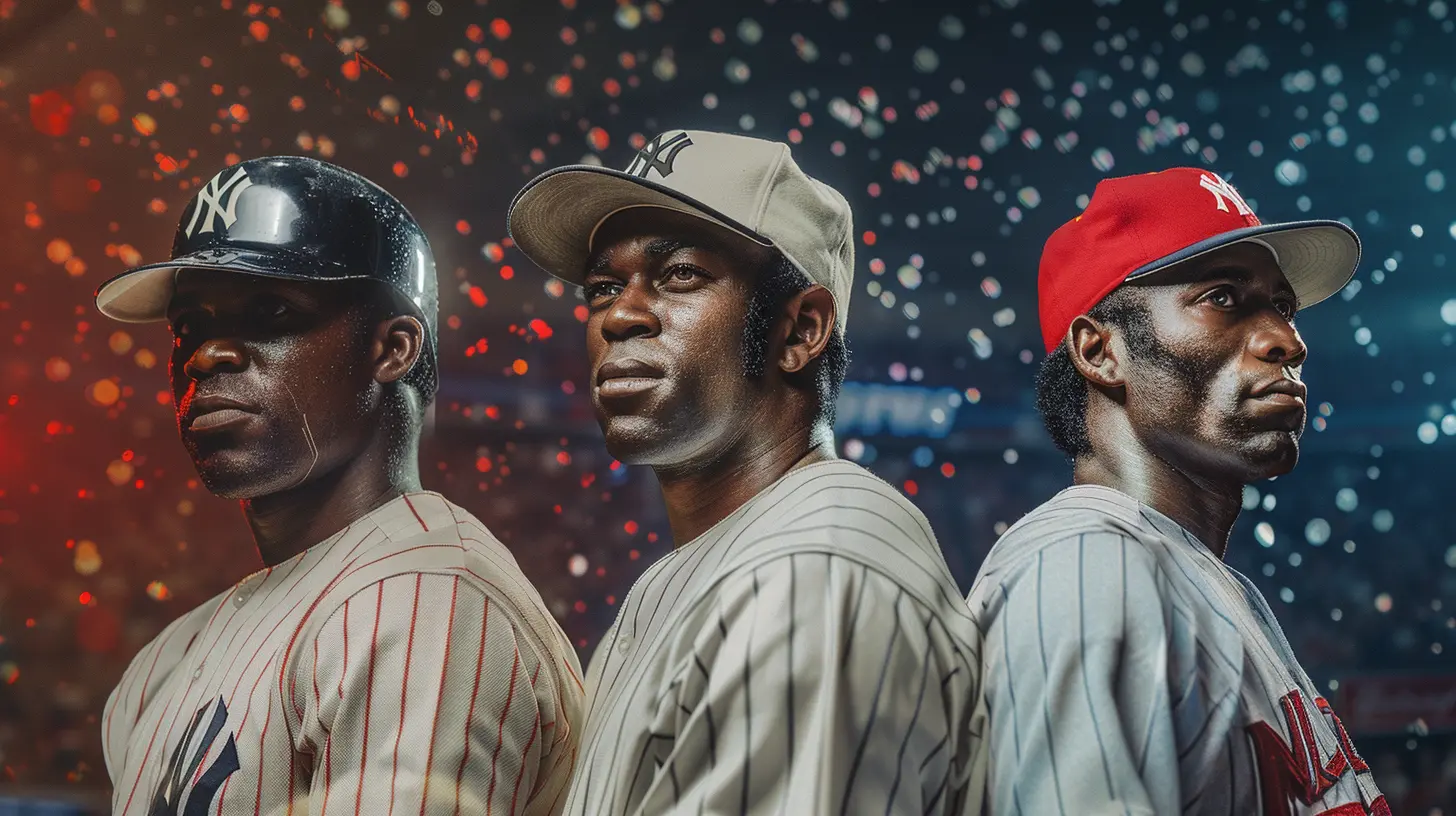
Numbers Matter—But They’re Just the Beginning
Okay, let’s not completely throw stats under the bus. They’re important. No one’s arguing that Tom Brady’s seven Super Bowl titles or Kareem Abdul-Jabbar’s all-time scoring record aren’t impressive. Those are benchmarks, and they matter for a reason.But here’s where it gets interesting. There are plenty of players with eye-popping stats who never sniffed the Hall of Fame. Why? Because the Hall isn’t just a scoreboard—it's a museum of influence, inspiration, and impact. Think of statistics as the resume. But like any great job interview, the intangibles are where you either win the gig… or you don’t.
Leadership: The Unmeasurable Measure
Ever watched a game and felt like one player was willing his team to victory? That’s leadership, and guess what—it’s not always quantifiable.You can’t measure the speech in the locker room that fired everyone up. You won’t find a stat for calming a panicked rookie in a high-stakes moment. But those things? They matter. A lot.
Take Derek Jeter. Sure, he had impressive stats, but it was his presence under pressure and consistency as a team leader that made him a Yankee legend. He didn’t just play games—he anchored a dynasty.
Clutch Performance: Greatness Under Pressure
Here’s a question: Would you rather have a player who dominates regular seasons or one who shows up when it matters most?We call it the "clutch gene." It's that ability to rise when the stakes are highest. Think of Michael Jordan in Game 6s. Think of David Ortiz in October. These athletes didn’t just perform—they delivered on demand.
Stats might say a player is consistent, but clutch moments define legacy. And those moments? They live forever in fan memory and Hall of Fame speeches alike.
Longevity and Consistency: The Test of Time
Staying great is harder than getting great.We see rising stars every year—flashy highlights, social media buzz, MVP chatter. Fast forward five years: half of them are gone. Injured, burned out, or just never figured it out long-term.
A Hall of Fame career means showing up year after year—sometimes even decade after decade. It's about reinvention, resilience, and a refusal to settle. Think of Serena Williams using every ounce of grit to maintain elite form into her late 30s. That kind of staying power doesn’t happen by accident. It’s earned with sweat, scars, and smarts.
Impact on the Game: Changing the Way It's Played
This one’s huge.Some athletes redefine what’s possible. They inspire a generation—not just with what they did, but how they did it.
Steph Curry shattered the way we look at shooting range in basketball. Wayne Gretzky literally rewrote the NHL record books. Billie Jean King didn't just win titles; she knocked down societal barriers.
Ask yourself this: Did the game look different after they played it? If the answer’s yes, you’re probably looking at a Hall of Famer.
Cultural Relevance and Influence
Some of the most memorable athletes weren’t just stars—they were symbols.Muhammad Ali wasn’t just a boxing champ; he was a global icon who stood up for his beliefs. Jackie Robinson broke baseball’s color barrier and changed history forever. These aren’t just athletes—they’re culture shifters.
The Hall of Fame isn’t just about sport. It’s about legacy. Societal influence elevates an athlete beyond their arena. If people who’ve never watched the sport know your name? That’s next-level greatness.
Rivalries and Defining Eras
What’s greatness without a rival?Magic needed Bird. Federer had Nadal. Brady had Manning. Rivalries spark peak performance. They define eras and create moments that stick forever.
Sometimes it's the duels that elevate the legend. One without the other might still have been great—but together, it becomes epic. When a player helps define their era through unforgettable rivalries, the Hall becomes more than likely—it becomes inevitable.
Innovation and Versatility on the Field
We often underrate how game-changers aren’t just dominant—they’re innovative.Think of Bo Jackson—dominating two pro sports. Think of Deion Sanders—playing offense, defense, and returning kicks, all at an elite level. Or Shohei Ohtani, basically doing what hasn’t been done in a hundred years—pitching and hitting at an MVP level.
Innovation turns heads. Versatility wins games. When you combine both, you're not just a player—you’re a phenomenon. And Hall of Fame panels notice.
Character and Off-the-Field Influence
Let’s be honest—nobody’s perfect.Some Hall of Fame debates get messy because personal conduct comes into play. Should off-the-field actions count? It’s a hot-button issue.
But in many cases, character does matter. Athletes who mentor others, give back to the community, and carry themselves with integrity often get the nod. Walter Payton didn’t just score touchdowns—he embodied excellence. On and off the field.
It’s not always black and white, but character can be the tipping point in close cases. After all, the Hall of Fame isn’t just about honoring skill—it’s about honoring legacy.
The Storyline: Narrative Matters More Than You Think
Everybody loves a good story.The walk-on who became a legend. The late bloomer who defied the odds. The injury comeback that stunned the world. Stats are facts—but stories are what fans remember forever.
Think Kurt Warner bagging groceries one year and lifting the Lombardi Trophy the next. That’s Hall of Fame material not just because it's impressive—but because it's inspiring.
If your career reads like a movie script, the Hall of Fame door gets a little wider.
The Hall of Fame Voting Process—Subjective, But Guarded
Here’s something a lot of fans don’t realize: the Hall of Fame process is far from automatic.Voters often debate more than you’d think. They analyze stats, sure, but they also weigh context, reputation, and influence. Sometimes personal bias creeps in. Occasionally, off-the-field issues delay an otherwise-deserving inductee.
In many major sports, a committee of journalists, former players, or coaches make the final call. They're human. They remember how athletes made them feel more than what the box score said.
So, no, it’s not a simple numbers game. It’s people deciding on legacy. And that means emotion, memory, and perception all play a role.
Modern Metrics vs. Old-School Greatness
With the rise of analytics, Hall of Fame debates have gotten even more complex.Advanced stats like WAR (Wins Above Replacement), PER (Player Efficiency Rating), or Expected Goals are now part of the conversation. They offer deeper insights—but they also stir more disagreement.
Just because the old-school fans remember a player as a beast doesn’t mean the numbers agree. But here’s the thing: greatness should pass both the eye test and the stat test. When it does, the case is bulletproof.
Hall of Fame: A Mirror of the Sport's Evolution
The Hall is more than a trophy case. It’s a time capsule.Every inductee tells a story—not just about themselves, but about the evolution of the game. From equipment changes and rule modifications to shifting social norms, each era adds new layers.
So when we ask what makes a Hall of Fame career, we’re really asking: who helped tell the story of their sport in the most unforgettable way?
Final Thoughts
A Hall of Fame career is a symphony, not a solo. Stats provide the rhythm, but the melody comes from heart, hustle, and history-making moments. It’s not about being perfect—it’s about being unforgettable.So the next time you argue about whether a player is "Hall-worthy," remember this: It’s not just what they did statistically. It’s how they made us feel. How they changed the game. And how they left the world of sports just a little richer than they found it.
Because greatness? It goes way beyond the stats.
all images in this post were generated using AI tools
Category:
Hall Of FameAuthor:

Uziel Franco
Discussion
rate this article
1 comments
Rhea McCaffrey
True greatness lies in heart and dedication.
August 2, 2026 at 3:48 AM