Esports and Education: How Colleges Are Embracing the Competitive Scene
7 May 2026
The world of esports is no longer just a niche interest for hardcore gamers. It has exploded into a legitimate industry, complete with professional leagues, massive sponsorships, and millions of dedicated fans. But here's something you might not have expected—colleges and universities are jumping on board, too.
Schools are beginning to recognize the value of esports, offering scholarships, building varsity-level teams, and even creating dedicated esports arenas. So, how exactly are colleges embracing the competitive gaming scene? Let’s dive in.

The Rise of Esports in Education
Just a decade ago, the idea of esports in education might have sounded absurd. Gaming was often dismissed as a distraction, something to be done in spare time rather than as part of a structured academic environment. Fast forward to today, and esports has found a home in higher education.Why the change? Simply put, esports is a booming industry. With global revenues exceeding billions of dollars and viewership rivaling traditional sports, colleges have realized they can no longer ignore it. The competitive scene demands teamwork, strategy, communication, and quick decision-making—skills that translate well beyond gaming.
Colleges Offering Esports Scholarships
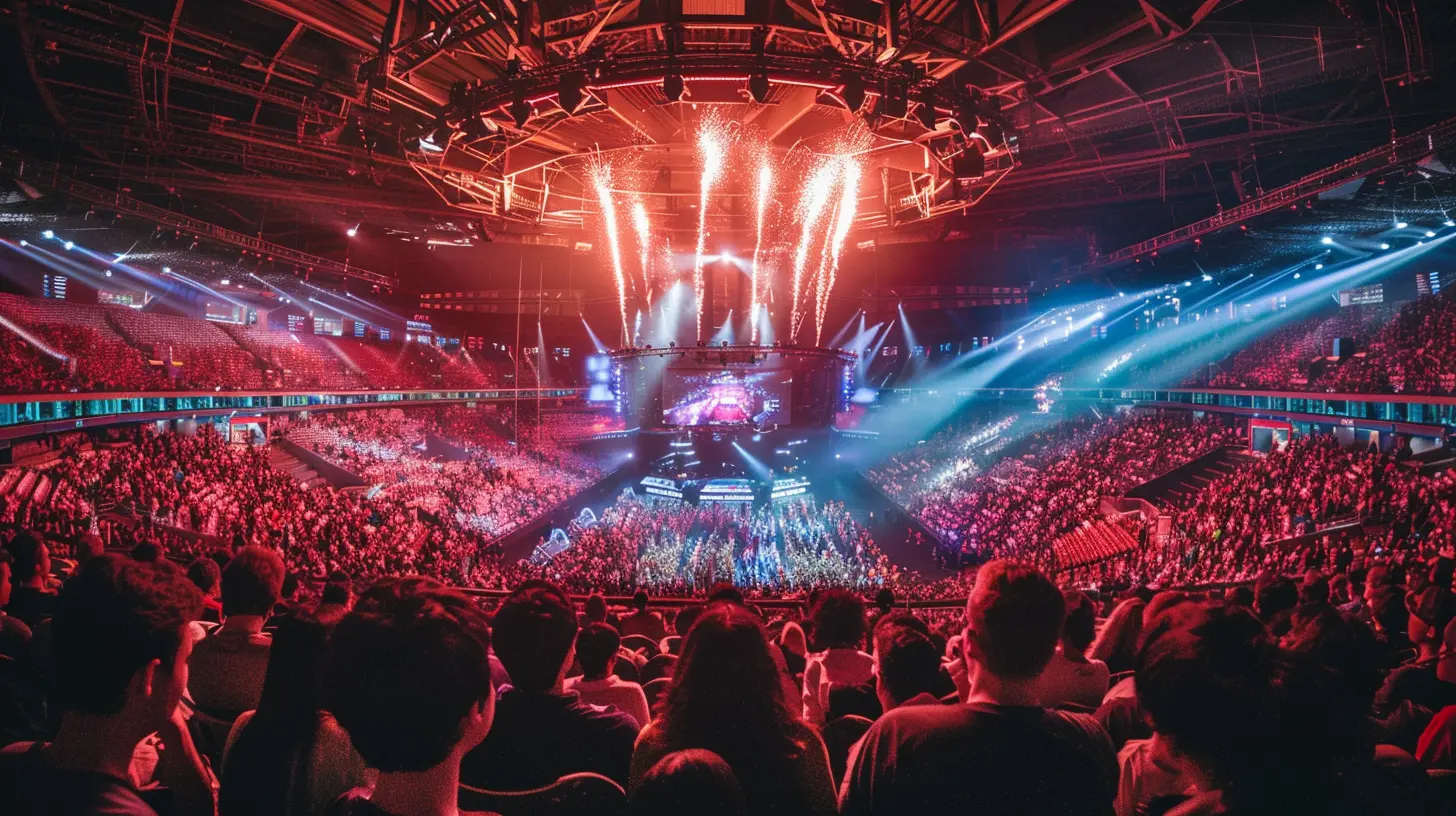
One of the most significant ways colleges are embracing competitive gaming is by offering scholarships. Just like traditional sports, talented gamers can now earn scholarships to play for their university’s esports team.Schools such as the University of California, Irvine (UCI), Robert Morris University, and the University of Utah are leading the charge, offering substantial financial incentives for top-tier players. In fact, UCI was one of the first public universities to create an official esports program, complete with scholarships and a state-of-the-art gaming facility.
What Does an Esports Scholarship Cover?
Esports scholarships typically cover:- Tuition assistance
- Housing stipends
- Travel expenses for tournaments
- Access to professional coaching and training facilities
For many students, this is life-changing. It provides an opportunity to pursue higher education while competing in a field they love.
The Creation of Esports Degree Programs
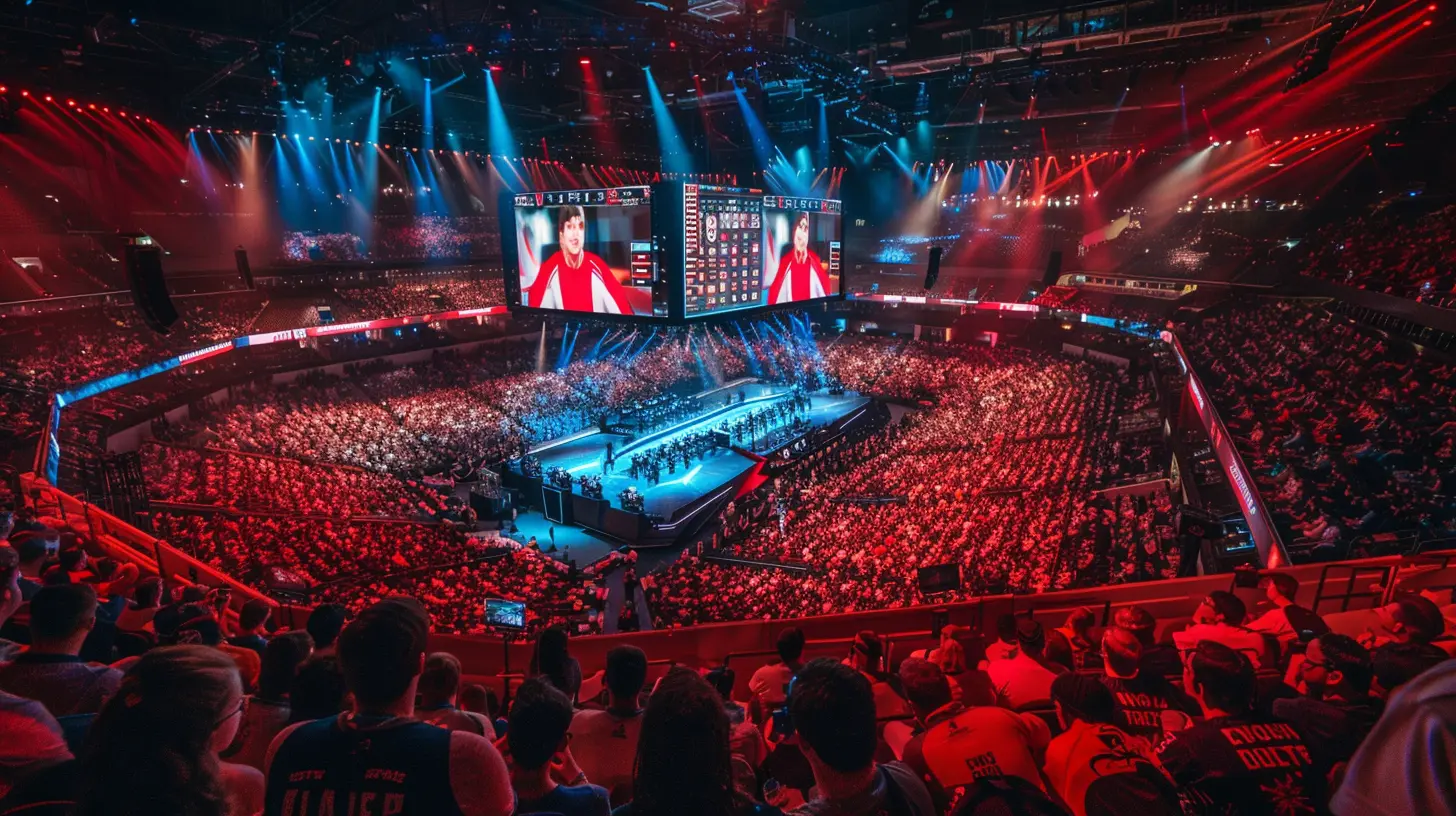
Beyond scholarships, institutions are incorporating esports into academic programs. Colleges now offer degrees and certifications in areas directly related to the gaming industry.Popular Esports-Related Majors
- Game Design & Development – Focuses on the technical aspects of building video games.- Esports Management – Covers the business side of running esports organizations, events, and marketing.
- Broadcasting & Media Production – Trains students in live-streaming, shoutcasting (esports commentary), and video production.
- Cybersecurity & IT – With online gaming comes an increased need for cybersecurity experts to combat hacking and cheating.
These programs prepare students for careers in a rapidly growing industry, ensuring they have the skills necessary to succeed in various aspects of gaming and esports.
The Rise of Varsity Esports Teams
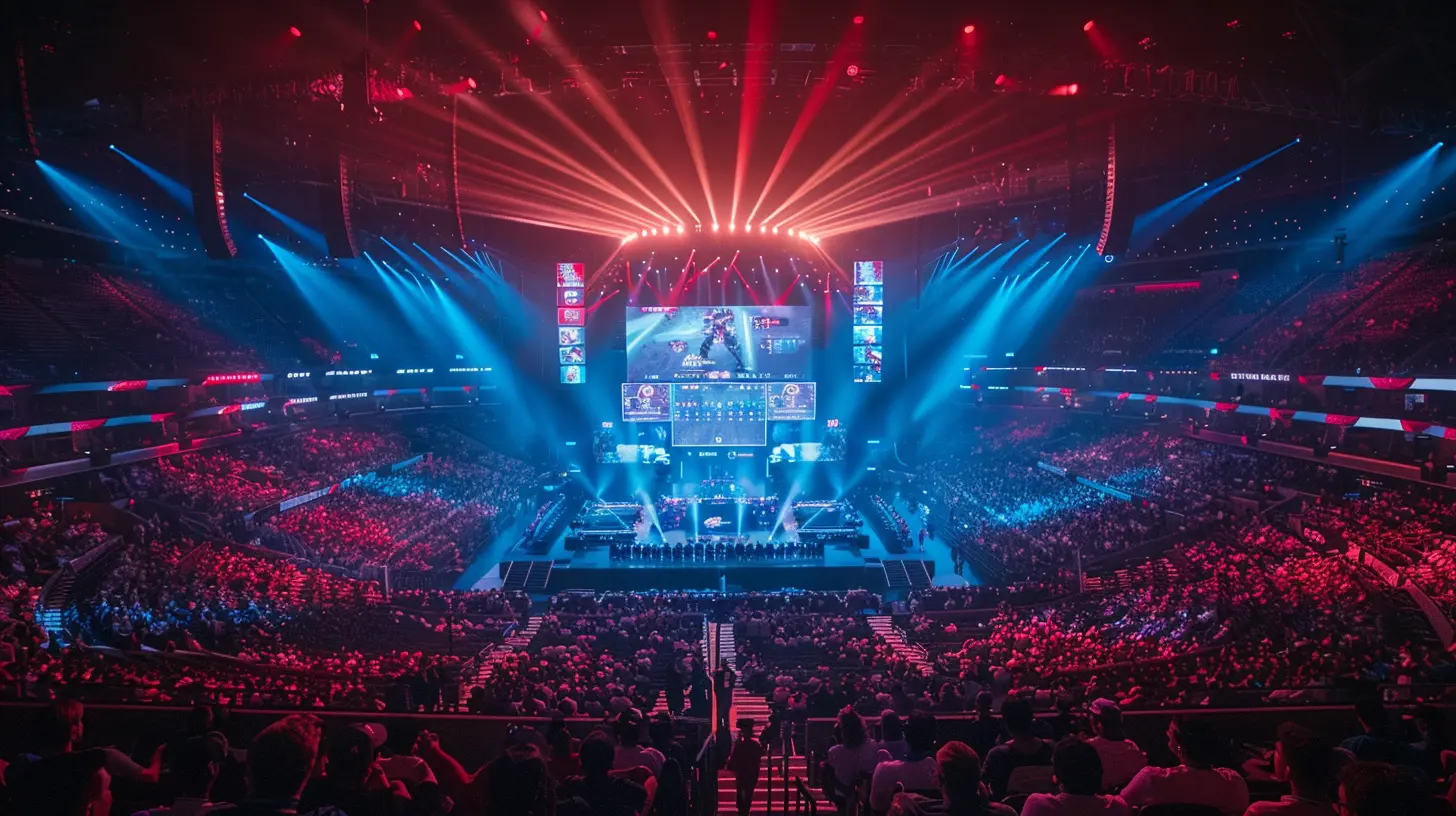
Esports is no longer just a student-run club activity—many colleges now have official varsity teams that compete in national and international tournaments.Organizations like The National Association of Collegiate Esports (NACE) and Tespa help regulate these competitions, similar to the NCAA for traditional sports. Schools invest heavily in gaming facilities, training programs, and professional coaching to ensure their teams remain competitive.
Benefits of Varsity Esports
1. Building School Spirit – Just like football and basketball, esports teams foster school pride and community engagement.2. Networking & Career Opportunities – Players can connect with industry professionals, scouts, and top-tier organizations.
3. Development of Critical Skills – Competitive gaming helps improve leadership, communication, and problem-solving abilities.
Esports Facilities on College Campuses
If you think esports programs are just students playing in their dorm rooms, think again. Universities are building state-of-the-art esports arenas with high-end gaming rigs, dedicated practice spaces, and broadcasting studios.For instance, Full Sail University in Florida boasts the Full Sail Armada, a massive 11,200-square-foot esports arena equipped with cutting-edge technology. Similarly, Boise State University invested in an impressive esports facility designed to enhance competitiveness and training.
These investments prove that colleges aren’t just dabbling in esports—they’re fully committed to its future.
Esports and Traditional Athletics: A New Rivalry?
Some critics argue that esports doesn’t belong in colleges alongside traditional sports. After all, no one is running laps or lifting weights in a game of League of Legends. But should that really matter?Esports requires just as much preparation, teamwork, and dedication as traditional sports. Players undergo rigorous training schedules, often practicing for hours daily, analyzing strategies, and working with coaches to refine their skills.
Moreover, esports attracts a different demographic. Many students who wouldn’t traditionally engage in sports now have a competitive outlet that resonates with them. Rather than replacing traditional sports, esports simply broadens the options available to students.
Challenges Facing Collegiate Esports
Despite its rapid growth, collegiate esports still faces obstacles.1. Lack of Standardization
Unlike traditional college sports, esports doesn’t have a governing body like the NCAA overseeing rules and regulations. This can lead to inconsistencies in tournament structures, scholarships, and eligibility requirements.2. Funding Issues
Not all schools have the financial backing to invest in esports infrastructure. Smaller institutions struggle to keep up with larger, more established programs.3. Academic Balance
Balancing schoolwork and competitive gaming can be challenging. Without proper guidance, some students may prioritize gaming over academics, leading to poor performance in classes.
The Future of Esports in Higher Education
So, where does collegiate esports go from here? If the current trajectory holds, we can expect even more institutions to jump on board. Here’s what the future might hold:- More Scholarships – As esports gains legitimacy, more universities will offer financial aid to competitive players.
- Integration with Traditional Sports Departments – Some schools may fully integrate esports programs under their athletics departments.
- Increased Industry Partnerships – Expect more sponsorships from tech companies like Intel, Razer, and HyperX, further fueling growth.
- Greater Career Opportunities – As esports expands, so will demand for professionals in marketing, coaching, broadcasting, and event management.
Conclusion
Esports is no longer a fringe activity—it’s a legitimate competitive scene that colleges are embracing in a big way. From scholarships and degree programs to varsity teams and cutting-edge arenas, universities are recognizing the potential of this growing industry.For students passionate about gaming, this trend opens up incredible opportunities. Whether competing on a school-sponsored team, earning a degree in esports management, or simply participating in casual campus tournaments, college esports is here to stay.
The question isn’t whether esports belongs in education; it’s how far it will go.
all images in this post were generated using AI tools
Category:
EsportsAuthor:

Uziel Franco
Discussion
rate this article
1 comments
Peter Johnson
Colleges are recognizing the potential of esports to engage students and enhance learning. By integrating competitive gaming into their curricula, institutions foster teamwork and strategic thinking. This trend not only prepares students for careers in the growing esports industry but also promotes a sense of community and school spirit.
May 12, 2026 at 10:41 AM
Uziel Franco
Absolutely! Esports in education is a win-win. It develops essential skills while bringing students together, making learning more dynamic and relevant.