Esports and the Environment: Sustainability in the Gaming World
21 May 2026
Esports has taken the world by storm. Millions of players, streamers, and fans come together to experience the thrill of competition. But while the gaming industry continues to evolve, one question remains—how sustainable is it?
Gaming is an incredible escape, but it also has an environmental footprint. From power-hungry gaming setups to the rise of esports tournaments, the industry consumes massive amounts of energy. The good news? Change is happening. Companies and gamers alike are making strides toward a greener future. Let's dive into how esports and sustainability go hand in hand.
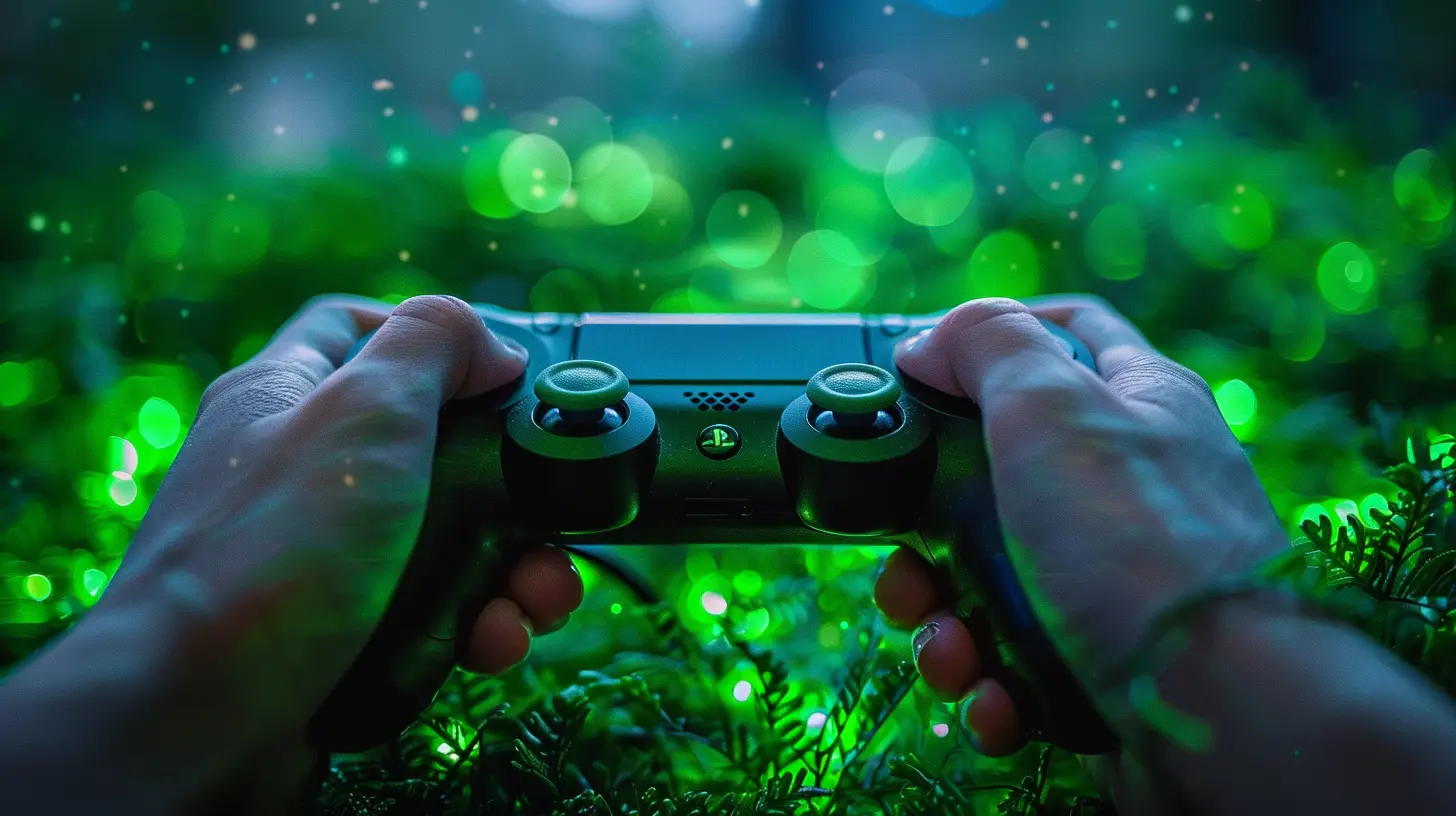
The Environmental Impact of Esports
Before we can talk solutions, we need to address the elephant in the room—gaming has a real impact on the environment. Here’s how:1. Energy Consumption in Gaming
Ever noticed how your gaming PC or console heats up after hours of play? That’s because high-performance devices require significant power. In fact, gaming computers alone can consume up to 1,400 kWh per year—that’s more than a refrigerator!Now, multiply that by the millions of gamers worldwide. Esports arenas, massive streaming servers, and online gaming platforms all contribute to energy consumption on a grand scale.
2. E-Waste: The Growing Problem
Gamers love the latest hardware. Whether it's upgrading to the newest GPU or buying a next-gen console, upgrading is part of the culture. But what happens to old gaming equipment? Unfortunately, much of it ends up as electronic waste (e-waste).E-waste is one of the fastest-growing waste streams globally. Toxic materials from discarded electronics pollute landfills and pose environmental hazards. With esports growing at an unprecedented rate, managing e-waste responsibly is more crucial than ever.
3. Carbon Footprint of Esports Events
Esports events are massive. Think about the electricity required to power an arena full of high-performance computers, lighting, and streaming equipment. Not to mention the carbon footprint associated with player travel, fan attendance, and merchandise production.Large-scale tournaments often mean international flights, hotel stays, and physical setups—all contributing to carbon emissions. While live events are thrilling, they also highlight the need for more sustainable practices.

Sustainable Innovations in Esports
Now, let’s flip the script. While esports does have an environmental footprint, the industry is also taking steps to reduce its impact. Let's talk about some of the exciting eco-friendly initiatives happening in gaming.1. Energy-Efficient Gaming Setups
Many gaming companies are working towards energy-efficient hardware. Modern gaming consoles, like the PlayStation 5 and Xbox Series X, come with power-saving features. PC gamers are also turning to energy-efficient GPUs and processors to reduce electricity use.Even simple changes, like using LED monitors or enabling power-saving modes, can make a difference. Some gamers are even adopting solar-powered gaming setups to run their systems on renewable energy.
2. Esports Events Going Green
Event organizers are pushing for more sustainable esports tournaments. Some initiatives include:- Renewable Energy-Powered Arenas – Venues like the Mercedes-Benz Arena in Germany use solar panels and other green energy sources.
- Carbon Offsets for Player Travel – Teams and organizations are investing in environmental projects to neutralize their travel emissions.
- Zero-Waste Events – Tournament organizers are minimizing plastic waste by offering reusable cups, paperless tickets, and digital signages.
As sustainability becomes a bigger focus, expect to see more eco-friendly esports events in the future.
3. Recycling and E-Waste Management
Tech companies and gaming organizations are launching e-waste recycling programs. Some brands encourage gamers to trade in old consoles and accessories instead of tossing them. Recycling initiatives help reduce pollution while giving outdated hardware a second life.Additionally, some companies, like Razer and Logitech, are creating peripherals made from recycled materials. Sustainable gaming gear is becoming a reality!
4. Cloud Gaming: A Game-Changer?
Cloud gaming services like NVIDIA GeForce Now, Xbox Cloud Gaming, and Google Stadia are reducing the need for high-powered personal computers. Instead of using energy-hungry gaming rigs, players can stream games from remote servers, which are often optimized for energy efficiency.While cloud gaming still consumes electricity, centralized data centers can use renewable energy sources more efficiently than millions of individual gaming PCs worldwide.

How Gamers Can Support Sustainability
Want to be part of the change? Here’s how you, as a gamer, can reduce your environmental footprint while still enjoying the esports world.1. Use Energy-Saving Gaming Gear
Look for energy-efficient gaming products. Simple changes like using eco-friendly gaming peripherals and enabling power-saving modes can help cut energy costs.2. Recycle or Donate Old Hardware
Instead of throwing away used gaming gear, donate it to charity or recycle it through a trusted program. Many organizations refurbish old tech for educational or community gaming programs.3. Support Sustainable Gaming Brands
Companies making the effort to reduce e-waste and carbon emissions deserve support. When buying gaming peripherals, check for eco-friendly certifications or brands committed to sustainability.4. Reduce Overconsumption
Do you really need that newest upgrade? Being mindful of your purchases helps reduce e-waste. If your current setup works fine, hold off on unnecessary upgrades.5. Advocate for Green Esports
The gaming community has power. If more gamers demand eco-conscious practices, developers, brands, and tournament organizers will listen. Support initiatives that align with sustainability.
The Future of Esports and Sustainability
So, what does the future hold? Sustainability in esports isn’t just a passing trend—it’s a movement. As technology continues to evolve, so will the ways we game responsibly.With the rise of renewable energy-powered servers, recyclable gaming hardware, and green esports events, the industry is moving toward a cleaner, more sustainable future. Gamers, developers, and industry leaders all have a role to play in shaping an esports scene that doesn’t come at the expense of the planet.
In the end, gaming isn’t just about winning—it’s about making an impact. And if we can work together to create an esports world that’s both thrilling and sustainable, we’ll all be winners.
all images in this post were generated using AI tools
Category:
EsportsAuthor:

Uziel Franco
Discussion
rate this article
1 comments
Theo Forbes
It's great to see the gaming community recognizing its impact on the environment. Sustainability in esports is an important conversation, and every small step counts. Whether through energy-efficient practices or eco-friendly events, gamers can lead the charge in making a difference while still enjoying the competitive spirit we all love.
May 23, 2026 at 4:03 AM