Esports and Traditional Sports: Collaborative or Competitive?
24 May 2026
The world of sports is evolving, and if you've been paying any attention, you’ve probably noticed a new player on the field—esports. But here’s the million-dollar question: are esports and traditional sports working together like best buddies or clashing like rivals on game day?
We’re diving into the energetic, digital world of esports and seeing how it stacks up with and shakes hands (or doesn't) with traditional sports. It's fast-paced, passionate, and packed with action—just like a fourth quarter comeback or an overtime goal.
The Rise of Esports: Not Just a Game Anymore
Let’s kick things off with the obvious—esports is no longer just some kids playing video games in their basement. We’re talking sold-out arenas, millions of online viewers, and prize pools that could rival seasoned tennis tournaments.Games like League of Legends, Counter-Strike, and Fortnite have not only built massive communities but have created full-blown industries. Professional teams, sponsorships, coaches, fitness regimens—it’s all there.
And get this—according to Newzoo, the global esports audience is expected to hit over 500 million. That's not just impressive. That’s game-changing.
Traditional Sports: The Tried-And-True Titans
Now, don’t count out traditional sports. These are the legends. Basketball, football, soccer, tennis—you name it. They're built on a century of passion, history, and raw physical skill.From little league to college scholarships to Olympic gold, traditional sports have shaped cultures, communities, and identities. There’s nothing quite like the roar of a stadium crowd or the thrill of a buzzer-beater.
But even these titans are feeling a little pressure. With younger audiences spending more time on Twitch than ESPN, traditional sports are starting to feel the heat.
Rivalry or Relationship: What's the Deal?
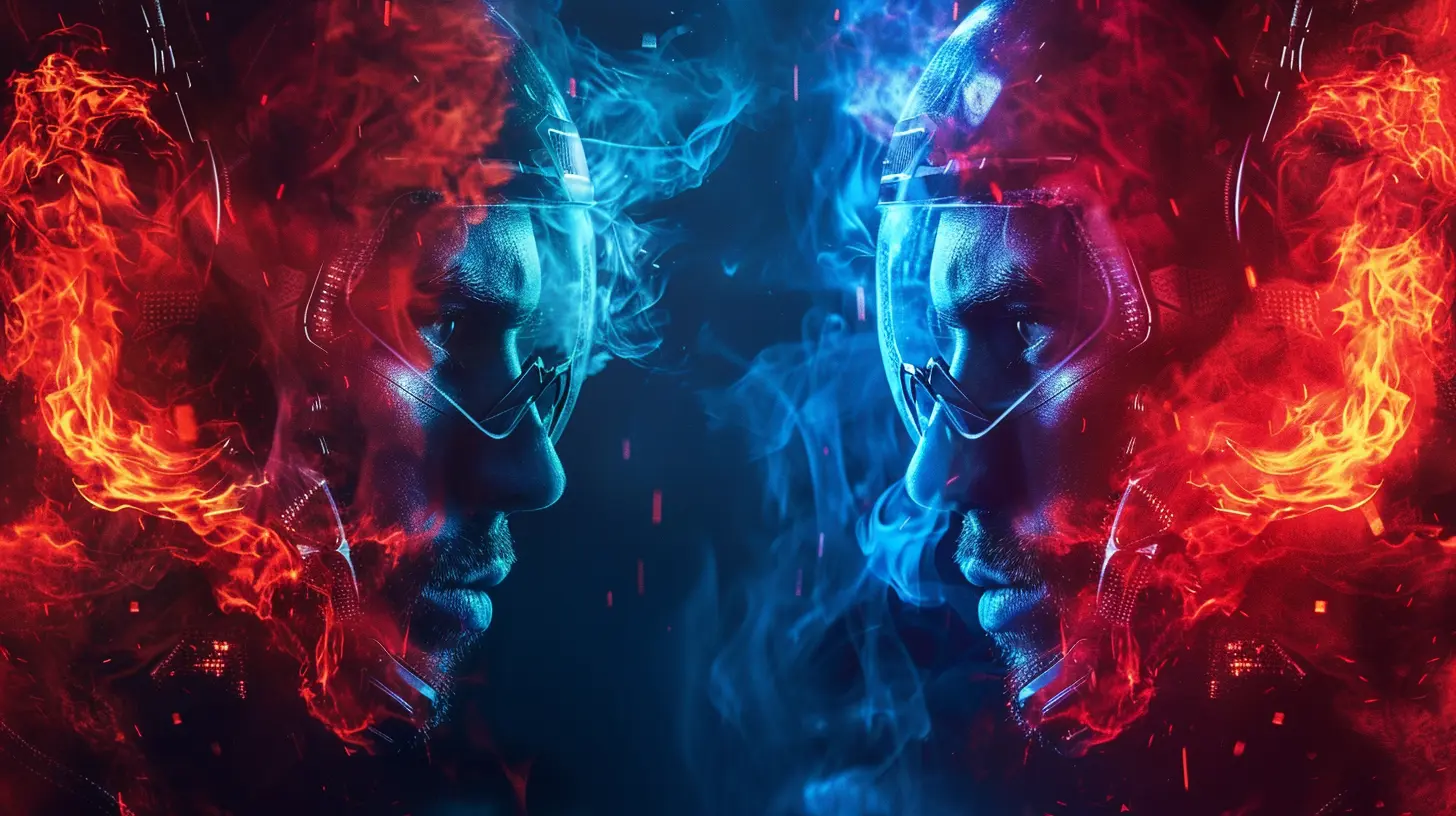
So, let’s get to the heart of it. Are esports and traditional sports enemies fighting for viewers and sponsorships? Or are they teammates working together to push the boundaries of athletic entertainment?The answer? It's complicated—but exciting.
Let’s break down both sides of the coin.
The Competitive Side: Battling for Attention and Dollars
1. The Struggle for Viewership
Look, there are only so many hours in a day. And fans today have more options than ever. Instead of watching a three-hour baseball game, some might hop onto a 30-minute Valorant stream or catch a quick Call of Duty tournament.Esports is snappy, always changing, and often free to stream. That’s a tough combo for traditional formats to beat—especially with younger, digital-native audiences.
2. Sponsorship Showdown
Big money follows big eyes. As esports continues to grow, brands that once only backed football or basketball teams are shifting toward digital arenas. Bud Light, Intel, Nike — they’re not just on jerseys anymore, they're in on the esports action too.That means traditional sports teams may have to fight harder (and smarter) to keep their sponsors around.
3. Generational Gaps
Let's face it—your grandpa probably doesn’t know what Rocket League is. But he’ll never miss a Sunday NFL game.Esports and traditional sports are sometimes worlds apart demographically. While traditional sports still attract older generations, esports is the playground for Gen Z and Millennials. That generational gap can create tension in where money, attention, and media focus go.
The Collaborative Side: Teaming Up for the Win
Now hold on, it’s not all a turf war out there. In fact, there’s some powerful teamwork brewing between the two worlds.1. Traditional Sports Teams Investing in Esports
Believe it or not, some of your favorite sports teams are already knee-deep in the world of esports.Take the Golden State Warriors—they don’t just dominate on the court; they also own an esports franchise in the League of Legends Championship Series. Paris Saint-Germain? They’ve got a stake in Dota 2. Even the NFL has dabbled in Madden esports leagues.
Why? Because they see the writing on the wall. The fans of tomorrow are also gamers today.
2. Shared Infrastructure and Training
Guess what? The worlds of physical and digital aren't so different when you look under the hood. Just like athletes train their bodies, esports pros train their reflexes, strategies, and mental focus.Some facilities even have integrated training centers where traditional athletes and esports players interact, trade tips, and even cross-train. It’s like Iron Man meeting Spider-Man—two superheroes from different worlds, but way stronger together.
3. Crossover Events and Hybrid Experiences
This is where things get fun. Picture halftime shows at NBA games that feature live esports matchups. Or stadiums that host both a football game and a FIFA tournament on the same weekend.Events like these bring fans from both sides into the same arena—literally and figuratively. It’s like mixing peanut butter and jelly. Totally different tastes, but together? Magic.
Breaking Down the Similarities
Alright, let’s stop pretending esports and traditional sports are from different planets. They’ve got more in common than you think:- Passion and Community
Whether you’re screaming at a missed penalty kick or shouting during a last-second headshot, the emotion is the same. Fans are deeply invested, loyal, and love being part of a community.- Strategy and Skill
Just like a quarterback needs to read plays and stay cool under pressure, so does an esports player in a clutch moment. The mind game is just as intense.- Competition at the Highest Level
Both worlds are about being the best. Period. There’s practice, coaching, reviewing “game film”, and climbing to the top tier of competition. Doesn’t matter if it's a track field or a virtual map.Where Are We Headed?
Alright, so what does the future look like?To put it simply: the lines between esports and traditional sports are going to blur even more. We're already seeing hybrid leagues, crossover content, and dual endorsements.
Think LeBron James teaming up with a Fortnite champion. Or esports tournaments integrated into Olympic-style competitions. Sounds wild? It’s closer than you think.
The long-term game isn't about replacing one or the other. It’s about enhancing the way we experience sports as a whole.
The Final Score: Collaborative or Competitive?
So, drumroll, please… are esports and traditional sports collaborative or competitive?Here’s the real answer: They’re both.
Yes, there’s competition for time, attention, and sponsorships. But there's also collaboration, innovation, and crossover that’s pushing both industries to evolve and thrive.
In a way, it's just like any good sports rivalry. You compete like crazy, but deep down, you respect and even learn from each other.
So instead of picking a side, why not enjoy the best of both worlds? Whether you're into touchdowns or tacticals, field goals or frag grenades, there’s a seat for you in this new era of sport.
Will Esports Ever Replace Traditional Sports?
This one comes up a lot, right? Short answer—no. At least, not entirely.Just like TV didn’t replace radio, and streaming didn’t kill cinema, esports isn’t out to erase traditional sports. They serve different vibes.
Esports gives you that fast, digital adrenaline rush. Traditional sports deliver the rituals, the heritage, the physical intensity.
Different energy. Same passion.
How Can Traditional Sports Learn from Esports?
Here’s a thought bomb: traditional sports can totally level up by taking a page from the esports playbook.- Engagement: Esports knows how to keep fans hooked online with streaming, chat interaction, and instant highlights.
- Accessibility: Watching esports is easy—often free, always available online.
- Innovation: From augmented reality to real-time stats overlays, esports is tech-savvy. Traditional sports? Time to catch up.
How Can Esports Benefit from Traditional Sports?
On the flip side, esports can definitely learn a few classic plays from traditional sports.- Structure: Traditional sports have decades of rules, formats, and established leagues. Esports can gain stability from that.
- Global Recognition: Traditional sports are Olympic-level institutions. Esports is getting there but has room to grow.
- Longevity: Athletes often turn into coaches, commentators, or legends. Esports players can build similar post-career paths if they take notes.
In the End, It's All About the Fans
Whether it’s esports or traditional sports, the magic happens because of the fans. The cheers, the tweets, the jerseys, even the memes—it’s all part of the same universal love for competition and entertainment.So next time someone asks “Are esports and traditional sports at war?”—you can smile and say, “Nope. They’re leveling up together.”
Now grab your controller or your foam finger—because the best is yet to come.
all images in this post were generated using AI tools
Category:
EsportsAuthor:

Uziel Franco
Discussion
rate this article
1 comments
Max McIntosh
This article raises an important discussion. Esports and traditional sports can complement each other, creating new opportunities for fans and athletes alike. Embracing collaboration can lead to innovative experiences that benefit both communities. Exciting times ahead!
June 3, 2026 at 5:01 AM