Esports Sponsorships: How Brands Are Investing in the Future
29 January 2026
The world of sports is constantly evolving, but one area that's been absolutely skyrocketing lately is esports. What was once considered a niche hobby for gamers in their basements has turned into a global phenomenon. With millions of fans tuning in to watch live-streamed tournaments and professional gamers becoming household names, esports has become a juggernaut in the entertainment world.
But it's not just the fans who are flocking to esports; brands are getting in on the action too. Sponsorships in esports have not only increased but have become a crucial part of the ecosystem. Companies from various industries are investing serious cash, hoping to tap into the ever-growing, hyper-engaged audience that esports offers. So, how exactly are these brands investing in the future of esports through sponsorships?
Let’s dive in and break down how sponsorships are shaping the future of esports and why brands are betting big on this digital frontier.

The Meteoric Rise of Esports: A Golden Opportunity for Brands
Just a decade ago, few could have predicted that esports would become the billion-dollar industry it is today. The global esports revenue hit $1.1 billion in 2021, and it shows no signs of slowing down. Viewership is also off the charts, with estimates suggesting that over 500 million people worldwide will be watching esports by 2024.Why is this important for brands?
Well, it's all about visibility and engagement. Esports events attract a younger, tech-savvy audience that traditional sports often struggle to reach. This demographic is highly valuable — they’re typically millennials and Gen Zers who are more likely to engage with digital content and less likely to be swayed by traditional forms of advertising like TV commercials.
So, what do brands do? They adapt. Esports sponsorships offer a way to get in front of this highly coveted audience in a way that feels organic, engaging, and impactful.
Why Esports Sponsorships Work
One of the main reasons esports sponsorships are so effective is the level of engagement they offer. Esports fans are incredibly loyal to their favorite teams and players, often following them across various platforms (Twitch, YouTube, social media, etc.).When a brand sponsors a team or event, it’s not just about slapping a logo on a jersey. These sponsorships often involve deep, meaningful collaborations that resonate with the audience. For example, product placements during live streams, exclusive discount codes, or even branded in-game content can be integrated seamlessly into the viewing experience.
The key here is authenticity. The esports community values authenticity above all else. If a brand can align itself with the values of the community, they can win big. On the flip side, if a sponsorship feels forced or disingenuous, it can backfire.

A New Playing Field: Types of Esports Sponsorships
When we talk about esports sponsorships, we’re not just talking about one-size-fits-all deals. There are various ways brands can get involved, depending on their goals, budget, and the specific audience they’re trying to reach.Here are some of the most common types of esports sponsorships:
1. Team Sponsorships
One of the most direct forms of sponsorship is teaming up with an esports team. Much like traditional sports, teams in esports have their own fanbases, and brands can leverage these relationships to get their name out there. You’ll often see logos from companies like Red Bull, Nike, and Monster Energy on team jerseys or team-based promotional material.For brands, it’s a win-win. They get access to a built-in audience that’s already invested in the team, and the team gets financial backing to help them enhance their performance and compete in bigger tournaments.
2. Event Sponsorships
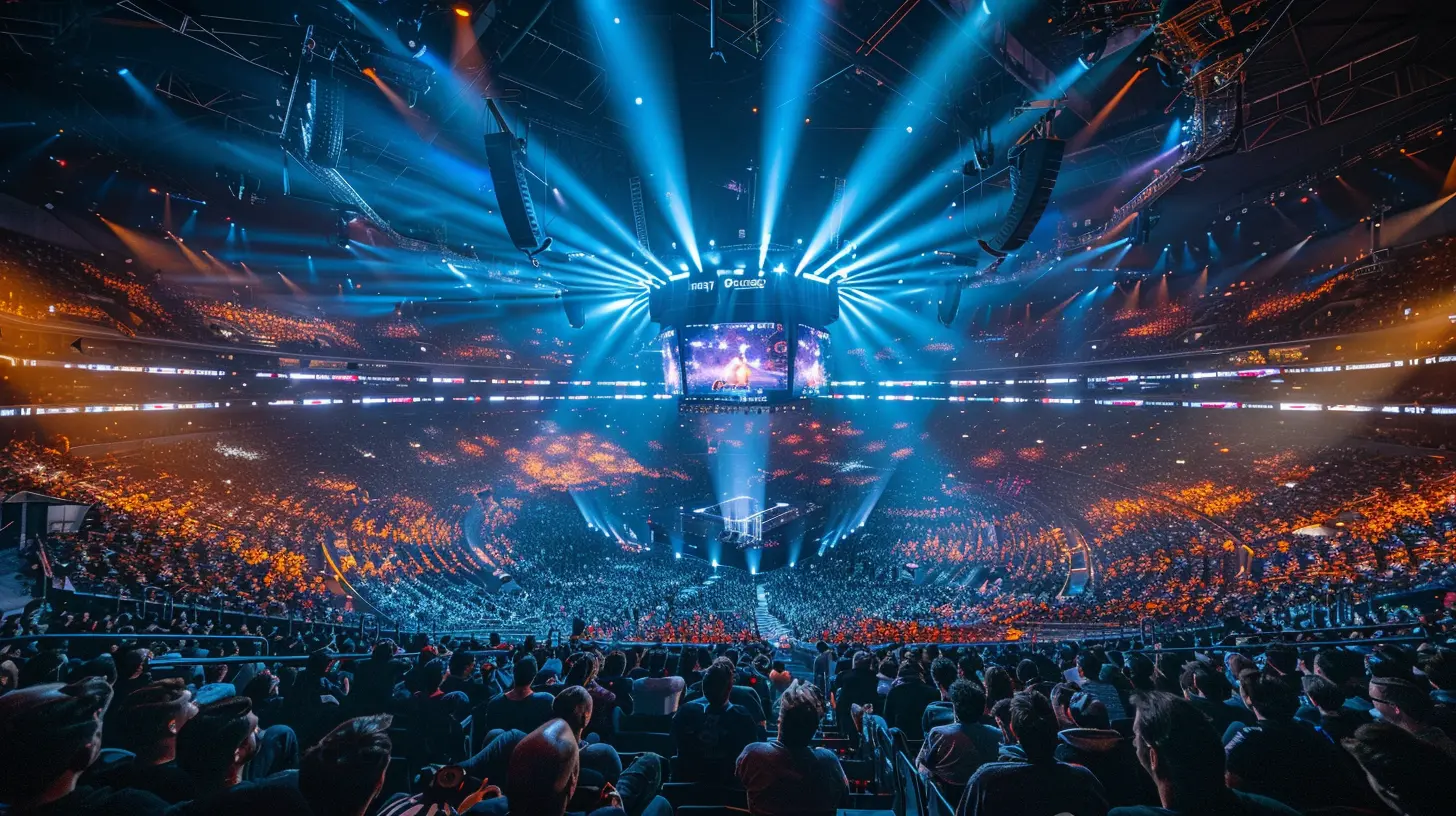
Esports tournaments are massive. Think of events like the "League of Legends World Championship" or "The International" for Dota 2. These events draw in millions of viewers from around the globe, making them prime real estate for brand exposure.Sponsors for these events can range from gaming hardware companies (like Logitech or Razer) to non-endemic brands (brands that aren’t directly related to gaming) like Coca-Cola or Mercedes-Benz. Event sponsorships offer brands a chance to plaster their name across digital and physical spaces, from banners at the venue to logos on live-stream broadcasts.
3. Player Sponsorships
Individual players, especially the big-name ones, have become influencers in their own right. Some esports players have millions of followers across platforms like Twitch, YouTube, and Twitter, making them valuable assets for brands looking to promote their products.Sponsoring a player allows brands to reach their personal fanbase, often through live streams, social media shout-outs, or in-game equipment featuring the brand’s logo. For example, gaming hardware companies like HyperX often sponsor players by providing them with headsets, keyboards, and other gaming gear.
4. In-Game Sponsorships
In-game sponsorships are a relatively new but increasingly popular form of brand promotion. This involves placing brand logos, products, or advertisements directly within the game itself.For example, you might see a branded billboard in a racing game, or a sponsored skin (character outfit) in a game like Fortnite. The beauty of in-game sponsorships is that they offer a more immersive and natural way for brands to engage with players.
5. Streaming Platform Sponsorships
Esports is largely consumed via streaming platforms like Twitch, YouTube Gaming, and Facebook Gaming. These platforms are not only home to esports competitions but also to individual streamers who play games live for their audiences.Brands can sponsor entire platforms, specific streamers, or even particular streams. For instance, you may see a streamer using a specific brand of gaming chair or drinking a branded energy drink during their streams. This kind of sponsorship feels more personal and relatable because it’s integrated into the streamer’s daily routine.
Non-Endemic Brands Jumping Into Esports
It’s not just gaming companies or tech brands that are investing in esports sponsorships. We’re seeing a surge in non-endemic brands (those not directly related to the gaming industry) getting involved.Why? Because they see the potential to tap into a young, engaged audience that’s hard to reach through traditional marketing channels.
1. Energy Drinks and Snack Brands
Energy drink brands like Red Bull and Monster Energy were some of the first non-endemic companies to jump on the esports train. It makes sense — gamers are often up late playing and watching matches, and energy drinks fit seamlessly into that lifestyle.Snack brands like Doritos and Pringles have also gotten involved, sponsoring tournaments and leveraging popular memes and gaming culture to create relatable content.
2. Luxury Brands
Even luxury brands are dipping their toes into the esports waters. Louis Vuitton, for example, designed an exclusive trophy case for the "League of Legends World Championship" in 2019. Mercedes-Benz has also been a frequent sponsor of esports events, particularly in Europe.This move might seem surprising at first, but it’s clear that these brands see the value in associating themselves with a younger, affluent audience that’s passionate about gaming.
3. Financial Institutions
Even banks and payment processors are jumping in. Companies like Mastercard and American Express have sponsored major esports tournaments, while online payment platforms like PayPal have partnered with esports organizations to offer exclusive deals to gamers.These financial institutions realize that esports fans are likely to be early adopters of new technologies and financial services, making them a prime audience for digital banking solutions and fintech products.
The Future of Esports Sponsorships: Where Are We Headed?
As esports continues to grow, so too will the opportunities for brands to invest in the space. But what does the future hold for esports sponsorships?1. More Personalization
Expect sponsorships to become even more personalized and targeted in the future. With advancements in data analytics, brands will be able to track viewer behavior more closely and tailor their sponsorships accordingly. This could mean more personalized in-game advertisements or custom product endorsements based on a viewer’s preferences.2. Immersive Technology
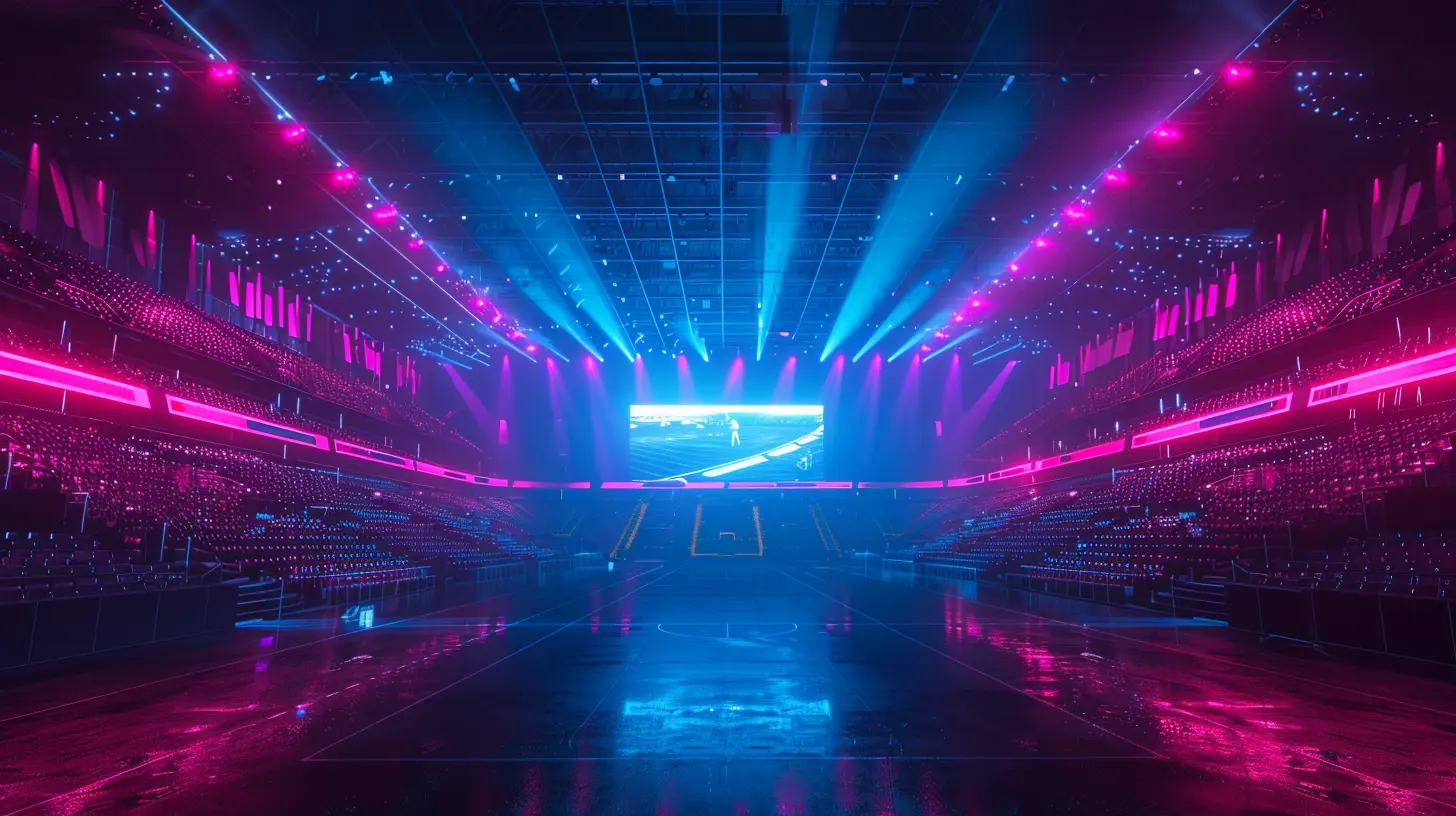
With the rise of virtual reality (VR) and augmented reality (AR), brands may soon be able to offer even more immersive experiences for fans. Imagine watching an esports tournament from the front row, with branded VR headsets or AR overlays that offer real-time stats and advertisements. The possibilities are endless.3. Sustainability and Social Responsibility
As with many industries, esports is likely to see a push toward sustainability and social responsibility in the coming years. Brands that sponsor esports events may look for ways to promote eco-friendly products or support charitable causes within the gaming community. This can help brands align with the values of younger audiences who are increasingly concerned about social and environmental issues.Conclusion: A Win-Win for Brands and Esports
Esports sponsorships are no longer just a trend; they’re a vital part of the industry’s ecosystem. For brands, they offer a unique way to reach a young, engaged audience that’s growing by the day. For esports organizations and players, sponsorships represent a crucial source of funding that allows them to compete on the world stage.As esports continues to evolve, we can expect to see even more innovative sponsorship deals that take advantage of the latest technology and trends. One thing’s for sure: the future of esports sponsorships is bright, and brands investing in this space are positioning themselves for success in the digital age.
all images in this post were generated using AI tools
Category:
EsportsAuthor:

Uziel Franco
Discussion
rate this article
2 comments
Jessamine McWhorter
Esports sponsorships are like that awkward first date—brands are a bit nervous but super eager to impress! Who knew a logo on a gamer’s jersey could be as valuable as a gold medal? Let’s just hope they don’t forget to bring snacks to the session!
March 9, 2026 at 12:41 PM
Uziel Franco
Great analogy! The excitement around esports sponsorships is definitely palpable. And yes, snacks are essential for those long gaming sessions!
Jaxon Richardson
“Brands finally cashing in on gamers? Glad they’re waking up—now let’s see if they actually understand the culture!”
February 1, 2026 at 12:07 PM