Free Solo Climbing: How Far is Too Far?
2 January 2026
Imagine hanging off the side of a cliff with nothing but your chalked-up hands, sticky rubber shoes, and an unwavering will to defy gravity. No ropes, no harness, no second chances. Welcome to the wild, nerve-wracking world of free solo climbing—where adrenaline meets absolute concentration, and one wrong move… well, let’s not even go there yet.
But seriously, how far is too far when it comes to free soloing? Are we pushing the limits of human ability or tempting fate just a bit too much? Let’s chalk up and dig into this vertical rabbit hole.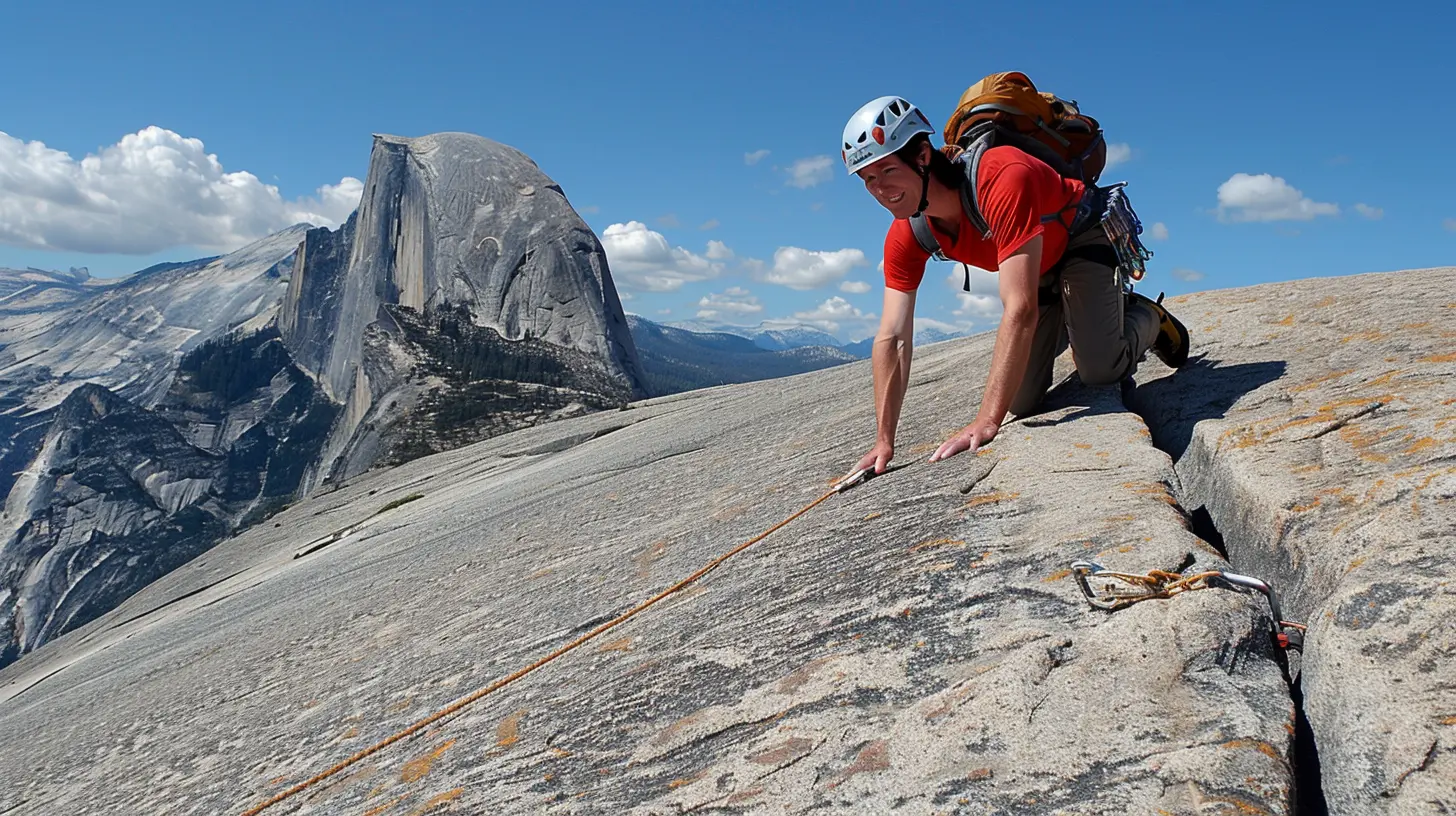
What is Free Solo Climbing Anyway?
Let’s clear the air before we go any farther (or higher).Free solo climbing is a form of rock climbing where the climber ascends without the use of safety gear—no ropes, no harness, no cams or nuts. Just bare hands, a brain full of beta (that’s climber slang for route information), and a heart that’s usually beating out of its chest.
It’s like tightrope walking with no net… on the side of a mountain.
This is different from:
- Free climbing, where you climb using your body but use ropes for protection.
- Aid climbing, where gear is used to help you move upward.
- Bouldering, which is low to the ground, often with crash pads below.
Free soloing is the most extreme—and arguably the most dangerous—flavor of climbing. But it also captures a raw, almost spiritual essence of the sport.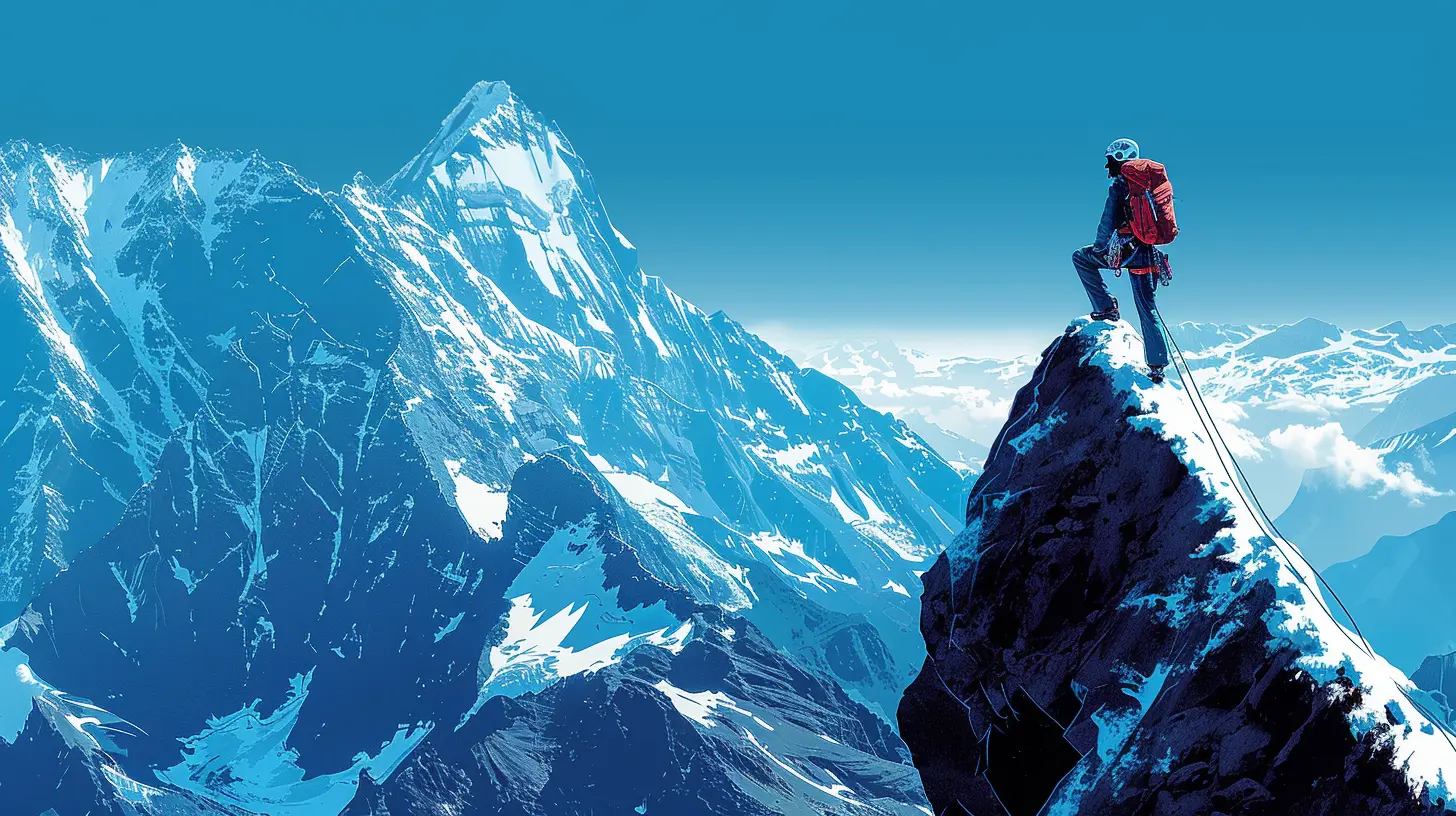
The Allure: Why People Choose to Free Solo
From the outside looking in, it might seem insane. Like, why would anyone voluntarily scale a rock wall hundreds (or thousands) of feet high without any safety gear? Isn’t that just asking for trouble?Here’s the deal: For many climbers, free soloing isn’t about thrill-seeking. It’s about focus, freedom, and feeling completely alive.
There’s a certain appeal:
- Laser-sharp concentration: Every move matters. You’re not thinking about dinner plans or your boss’s weird emails.
- Flow state: You reach a zen-like level of focus where the world melts away.
- Ultimate freedom: No ropes, no gear—just you and the rock. Pure and unfiltered.
Climbers like Alex Honnold (yes, the guy from the documentary Free Solo) have described it as a sort of meditation. It’s not about cheating death—it’s about mastering control. But yeah, the stakes are sky-high.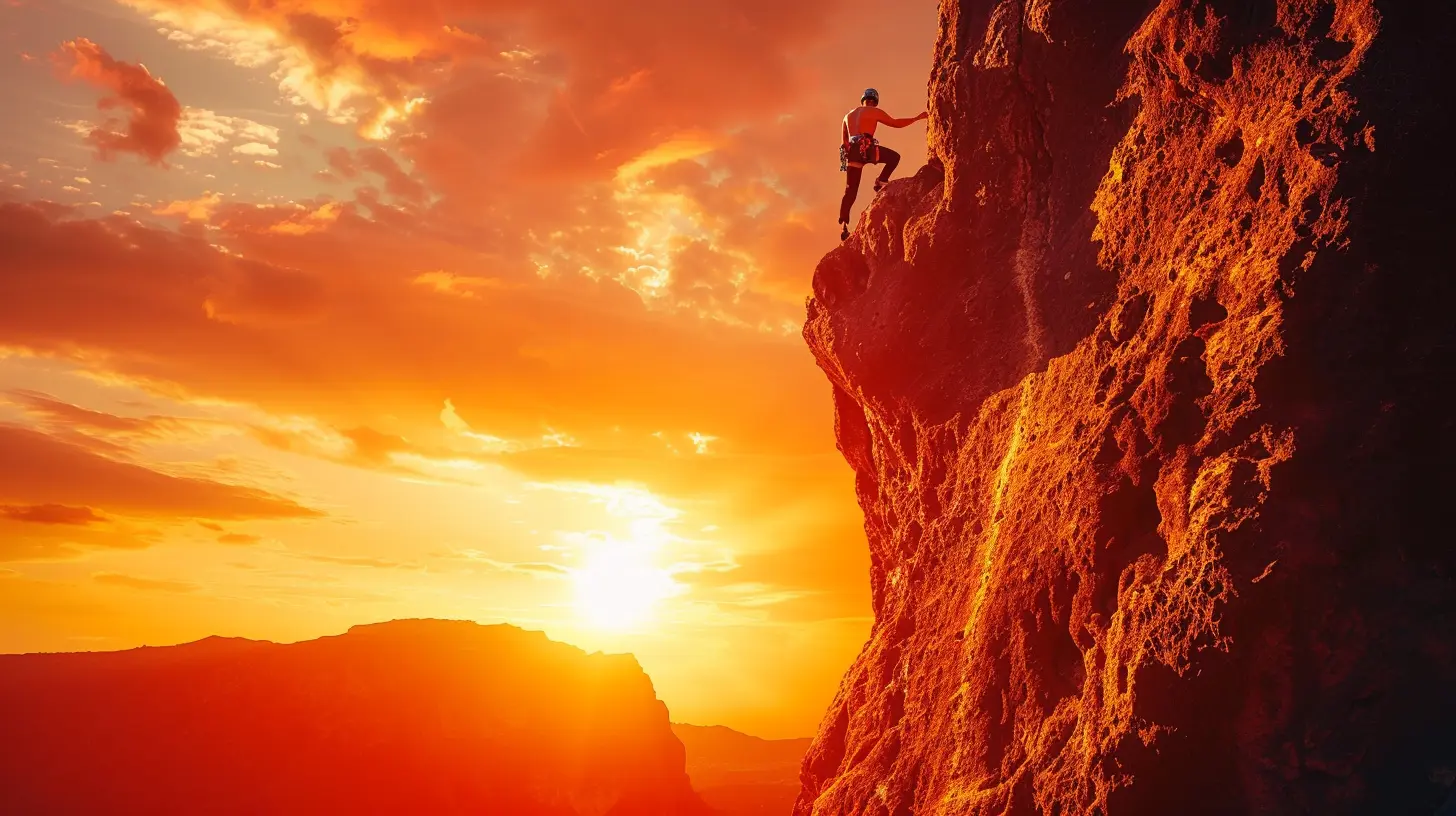
Pushing the Limits: The Rise of High-Stakes Ascents
Free solo climbing has evolved from sketchy local crags to full-on vertical epics. In the 70s and 80s, it was a fringe activity. Today, climbers are taking it to unprecedented levels.Take Honnold’s historic free solo of El Capitan in Yosemite. That’s 3,000 feet of nearly vertical granite—climbed in under four hours without a rope. Let that sink in.
Then there’s Alain Robert, aka the “French Spider-Man,” who scales skyscrapers with no safety gear. Sure, it’s urban soloing, but the risk factor is the same: one slip equals disaster.
These feats are undeniably impressive. But they beg a bigger question…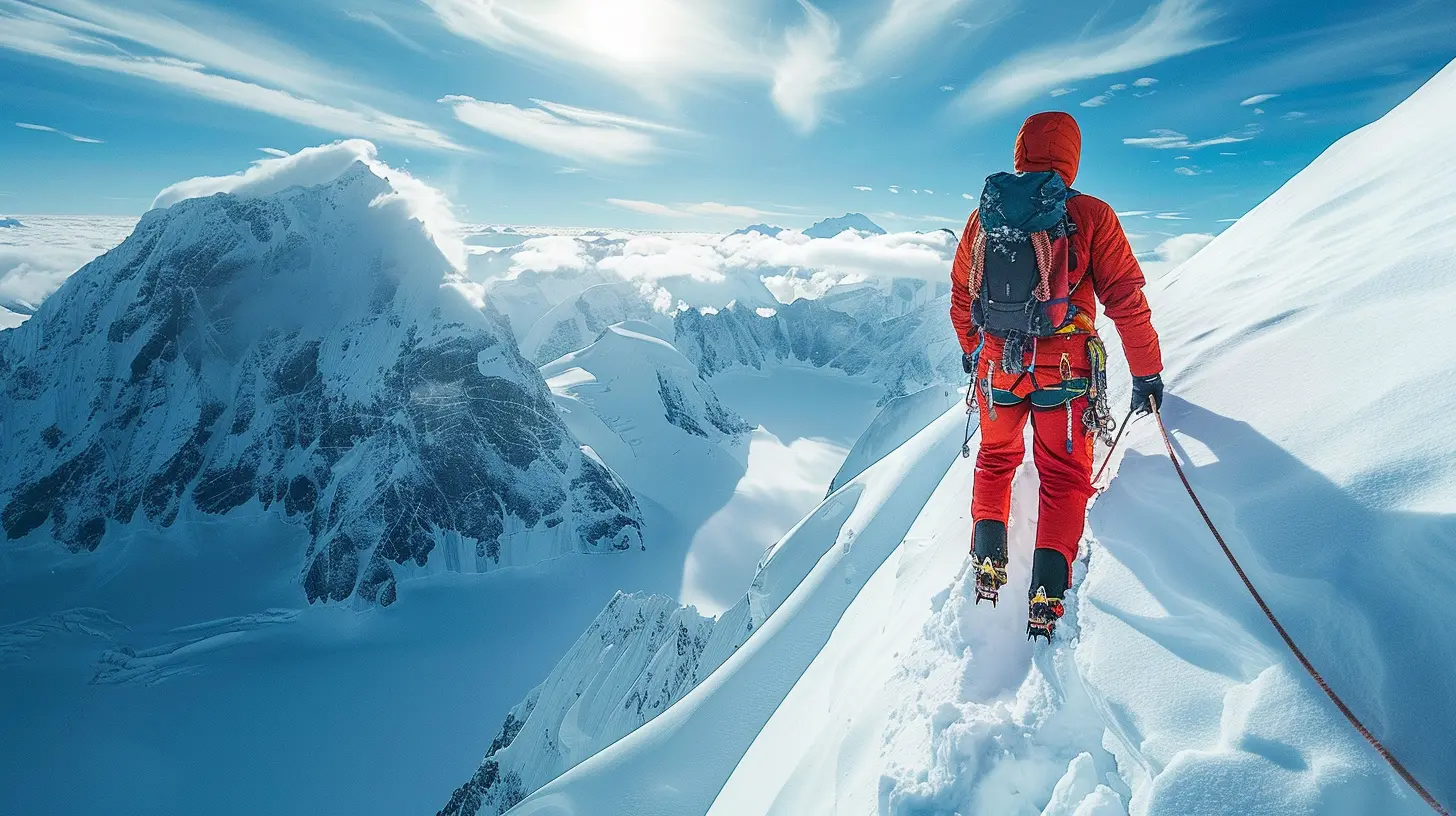
Where’s the Line? How Far is Too Far?
Alright, now we’re getting to the crux of the route—both metaphorically and literally.When does bold become reckless?
Some climbers argue that as long as the athlete is experienced, confident, and prepared, they should be free to make their own choices—even if those choices are risky. Others draw a line when the risks go beyond the individual and impact the community, rescuers, or set dangerous precedents for others.
Let’s Play Devil’s Advocate:
- The Skill Argument: “I’ve trained for this. I know the route. I’m in control.”- The Responsibility Argument: “But what about your loved ones? The rescuers who might have to recover you? The kids who might try to imitate you?”
Free soloing isn’t illegal (in most places), but it comes with a heavy moral backpack. You might be calm and calculated, but nature doesn’t always play fair.
Wind gusts, rock breaks, a momentary lapse—it only takes one variable to change the ending.
Psychology of Risk: What’s Going On Up There?
You have to wonder: what kind of mindset does it take to climb thousands of feet with no backup plan?Well, studies show that elite free soloists often have lower-than-average activity in the amygdala—that’s the part of the brain that processes fear.
Basically, their alarm bells don’t go off like most people’s do. It’s not that they feel no fear—they just control it remarkably well.
Still, many climbers report that the mental game is far harder than the physical one. You can train your muscles with pull-ups and campus boards, but taming your mind is a whole different beast.
When Nature Doesn't Cooperate
We’ve all had those days when things just don’t go right. Your foot slips, your grip fails, or your head’s just not in the game.In free solo climbing, those "off" days can be fatal.
Weather changes, loose rock, wildlife—all out of your control. Unlike gym climbing where you can yell “TAKE!” and dangle safely, the mountains don’t come with a safety mat.
And yes, there have been tragic losses in the climbing world, many involving some of the sport’s brightest stars. It's a sobering reminder that the line between genius and tragic is razor thin.
Does Free Soloing Glorify Risk?
Let’s talk media. Documentaries, viral YouTube clips, magazine covers—they all love a good daredevil story. And why not? It’s jaw-dropping, it’s dramatic, it’s human-against-the-impossible.But is there a downside?
Some argue that glorifying free solo climbs encourages copycats—people who may not have the skills or mindset but want the fame. And unfortunately, social media isn't always the best barometer for responsibility.
This isn't to say we shouldn't celebrate these achievements—they are remarkable. But with admiration should come context and education.
Tips for Staying Safe (Even If You’re Not Free Soloing)
Let’s bring it back down to Earth. You might be reading this with sweaty palms thinking, “THIS is why I climb in the gym with auto-belays and a smoothie bar!” And that’s perfectly okay!But wherever you climb, safety matters. So here are a few friendly reminders:
- Know your limits: Ego is heavy. Don’t carry it up the wall.
- Train smart: Strength is important, but so is technique and mental prep.
- Use proper gear: Helmets, ropes, belay devices—all designed to keep your bones in one piece.
- Buddy system FTW: Climbing with friends isn’t just more fun—it’s safer.
- Don’t blindly follow pros: Just because someone climbed El Cap doesn’t mean you should try it next weekend.
Can You Still Be a “Real” Climber Without Free Soloing?
Absolutely, 100%, no question, yes.Free soloing is just one niche of a seriously diverse sport. You’ve got bouldering, sport climbing, trad climbing, gym climbing, mountaineering—the list goes on.
You don’t need to risk it all to love climbing or be good at it. The climbing community values passion, not danger.
So if you’re into toproping in a gym with AC and a vending machine? You’re still a real climber.
Final Thoughts: The Thin Line Between Bravery and Foolishness
So, how far is too far?The answer isn't black and white. It's not written in chalk on a rock face or hidden in an Instagram post. It lives in that small, sometimes uncomfortable place between pushing personal limits and respecting the laws of physics and life.
For some, the edge is where they feel most alive. For others, it's a boundary not worth crossing. Both views are valid, as long as they're grounded in self-awareness, preparation, and a deep respect for nature and risk.
At the end of the day, climbing isn’t about cheating death—it’s about embracing life. Whether your feet are 10 feet off the ground or a thousand, what matters most is climbing with intention, clarity, and maybe just a pinch of good old-fashioned common sense.
Stay safe out there, climbers. And remember: gravity doesn’t take a day off.
all images in this post were generated using AI tools
Category:
Extreme SportsAuthor:
Uziel Franco
Discussion
rate this article
2 comments
Raine Gilbert
“Free solo climbing: where adrenaline meets gravity’s side-eye! It’s like playing chess with a mountain—one misstep and you’ve got a very permanent checkmate. Just remember, safety harnesses are for those who prefer to live on the edge, not fall off it!”
February 8, 2026 at 3:49 AM
Uziel Franco
That's an entertaining perspective! Free solo climbing certainly pushes the limits of adventure and safety. Always a fine line between thrill and risk!
Preston Black
Impressive but risky—know your limits in free soloing.
January 6, 2026 at 5:15 AM
Uziel Franco
Thank you! Knowing your limits is crucial in free soloing, and I'm glad you recognize the importance of safety in this thrilling pursuit.