Highlining: The Art of Walking the Line Between Life and Death
6 April 2026
Let’s be real for a second—have you ever looked up at a cliff and thought, “Yeah, I could walk between those cliffs on a one-inch piece of webbing”? Probably not. But that’s exactly what highliners do for fun. No joke. Highlining is like tightrope walking’s wild, adrenaline-crazed cousin who never got over their fear of solid ground.
This sport isn’t just about balance. It’s about courage, mental strength, and sometimes pure stubbornness. If you’ve ever felt nervous walking across a rickety bridge, imagine doing that with no handrails, hundreds of feet in the air, and nothing but your skill (and a really good harness) keeping you alive.
Welcome to the fascinating, terrifying, and oh-so-inspiring world of highlining.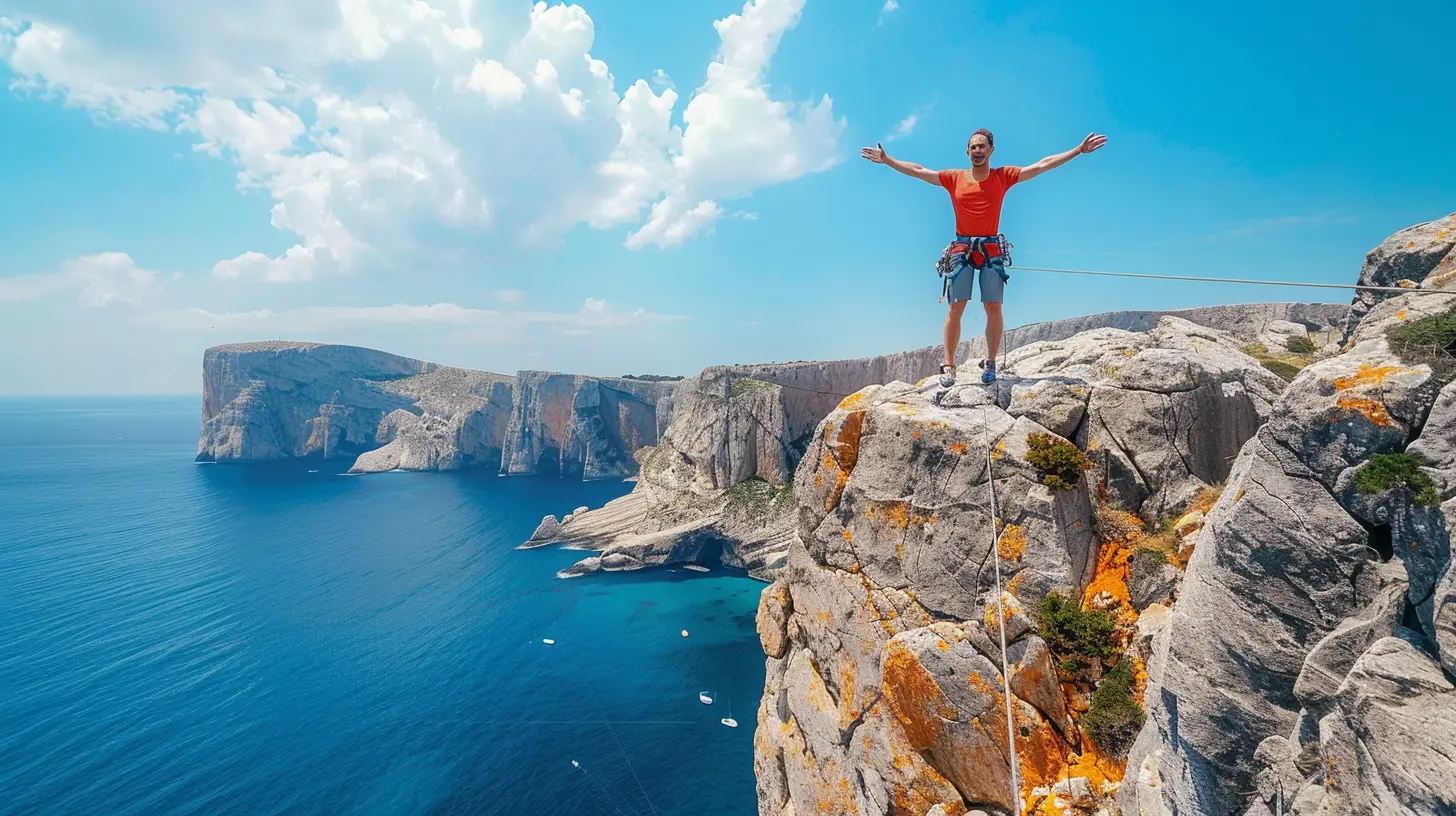
What Exactly Is Highlining?
Okay, let’s break it down. Highlining is a form of slacklining, which is walking or balancing on a stretchy piece of webbing that’s anchored between two points. Unlike slacklining in the park (usually a few feet off the ground), highlining takes the game to the sky—literally.We're talking 100 feet, 500 feet, even over 3,000 feet in the air. Between cliffs. Over canyons. Across waterfalls. Anywhere that screams, “This is completely insane,” there’s probably a highliner itching to string up a line and do their thing.
The line itself is typically about an inch wide (yep, one inch), made of polyester or nylon. It bounces. It sways. It does not stay still. And that’s all part of the challenge.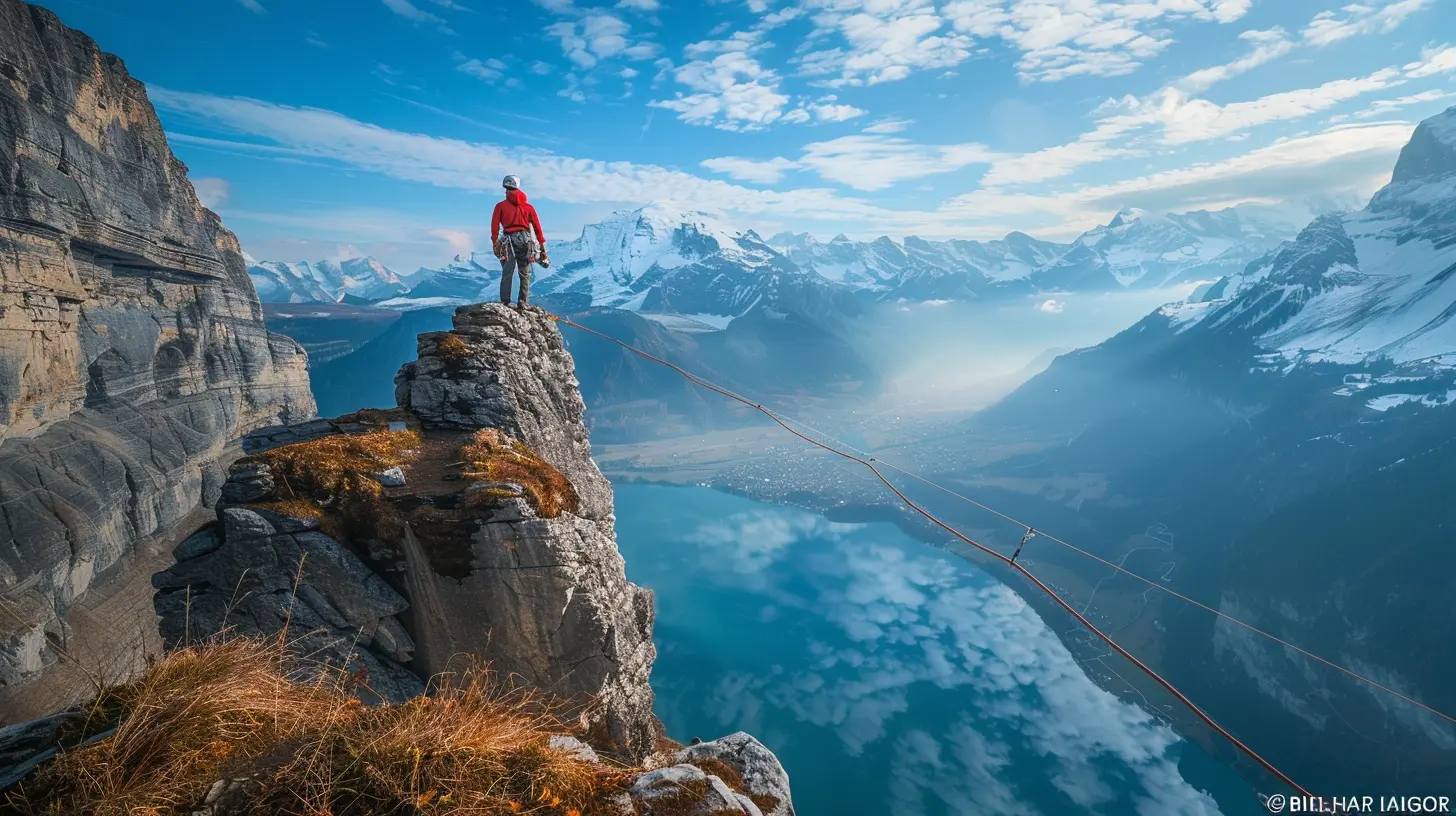
A Brief History of Highlining (So You Can Sound Smart at Parties)
Highlining may be trending now, but it’s been around for a while. The roots go back to the Yosemite climbing scene in the late 1970s and ‘80s. Climbers like Chongo Chuck and Scott Balcom started setting up slacklines between cliffs just for fun—and probably because regular climbing wasn’t crazy enough.Scott Balcom is widely credited with the first true highline in 1983 at the Yosemite Falls. From there, the sport slowly gained attention and evolved into a full-fledged discipline with competitions, communities, and world records.
Today, highliners are pushing boundaries across the globe, walking lines over urban skyscrapers, massive natural arches, and even on highlines suspended by hot air balloons. (Yes, seriously.)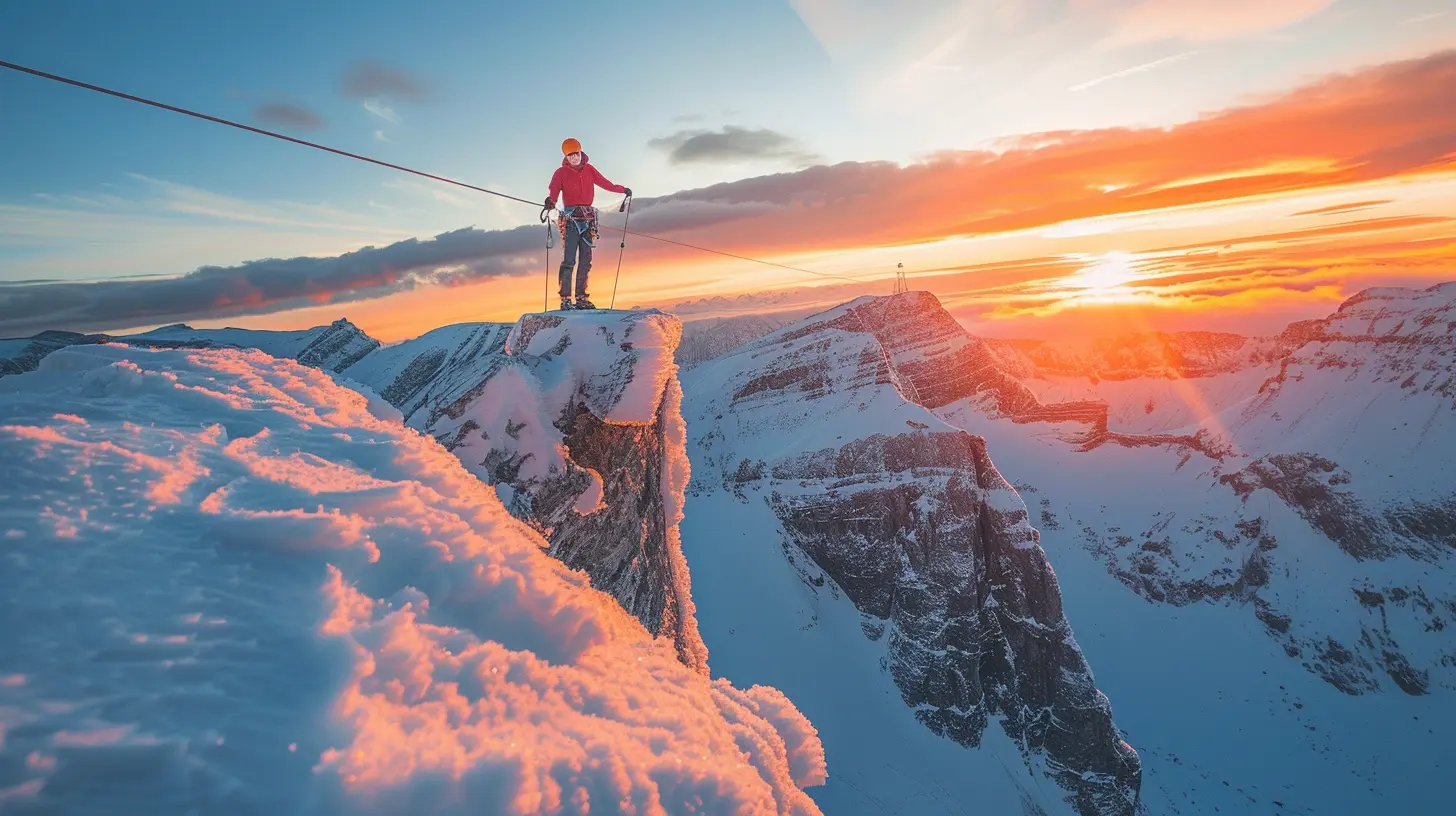
Why People Actually Want to Highline
We get it. Just reading about it is enough to make your palms sweat. So why do people do it?1. The Ultimate Mental Game
Highlining is mind over matter—times a thousand. You can be the best slackliner in the world, but the moment you’re 800 feet in the air, your brain starts throwing a tantrum. Your legs shake. Your breath shortens. Your palms drip enough sweat to need a mop.All of that? Totally normal.
That’s where the magic happens. Highlining forces you to confront fear head-on and stay calm, centered, and focused. It’s meditation with severe consequences.
2. Pure, Unfiltered Adrenaline
Let’s be honest—this sport is thrilling. You’re literally walking on air. The rush of being high above the ground, the wind whipping past you, the total silence except for your own breathing—it’s an out-of-body experience. Some say it’s better than skydiving.3. A Deep Connection With Nature
Highlining often happens in jaw-dropping locations—mountain ranges, canyons, forests, cliffs beside turquoise oceans. You’re not just doing something insane; you’re doing it in some of the most beautiful spots on Earth. That connection to nature? It’s soul-filling.4. The Community Vibes
Highliners are a tight-knit bunch. They’ll cheer you on, offer tips, and even sit on the line with you (yes, that happens). It's like joining a tribe of ultra-chill, stoke-fueled daredevils.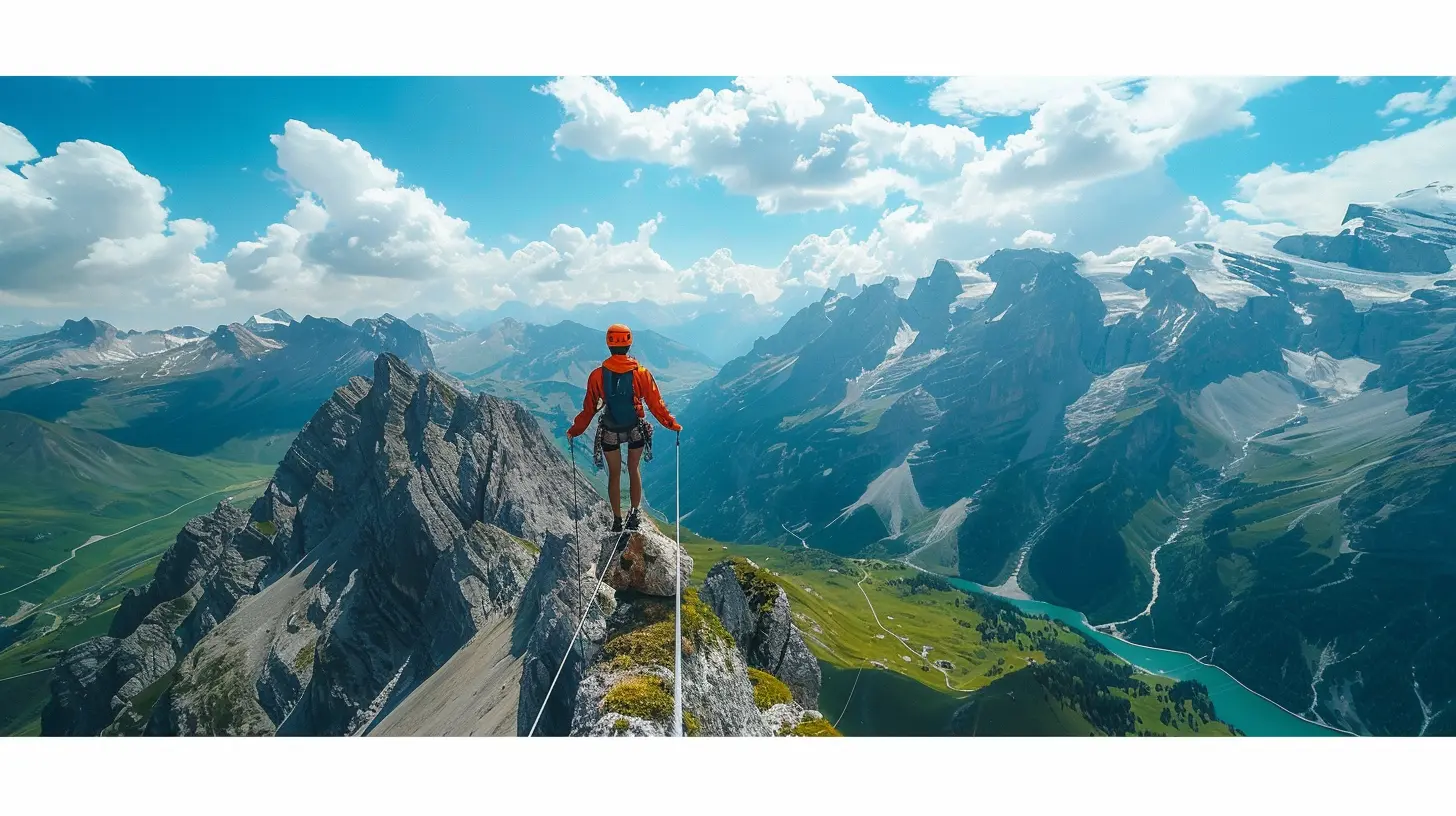
What Gear Do You Need for Highlining?
Alright, let’s geek out on the gear. Highlining isn’t something you can MacGyver with duct tape and a garden hose. The equipment is specialized, and safety is non-negotiable.The Essentials:
- Webbing: The main line. Usually one inch wide and made from nylon or polyester.- Leash: This attaches to your harness and the line. If (okay, when) you fall, the leash saves your butt.
- Harness: Rock-climbing grade. No cutting corners here.
- Backup Line: Most setups have a secondary line for extra safety.
- Anchors: These secure the line to the rock or structure. Must be bomber (aka absolutely solid).
- Line Grip and Tensioning System: Used to get the line tight and bouncy, like a mini trampoline of doom.
Safety checks are the unspoken rule. Double-check your knots, anchors, leash, psych level—everything.
Falling is Part of the Game (Seriously)
Here's the hard truth: everyone falls. Even the pros. A lot.In highlining, falling isn’t failure. It’s part of the learning curve. Your leash catches you, you dangle a bit (okay, maybe panic a little), then you climb back up onto the line. It’s called a “leash fall,” and it’s like a rite of passage.
The key is learning how to fall safely and how to get back up without losing your cool—or your shoes.
How to Start Highlining (Without Giving Your Mom a Heart Attack)
If this sport has caught your interest (and how could it not?), here’s your roadmap:Step 1: Master Slacklining on the Ground
Start low. Like, below-your-knees low. Work on basic balance, walking forward and backward, turning, and sitting on the line.Step 2: Advance to Longer Lines
The longer the line, the harder it gets. Practice dynamic movement, recovery techniques, and leash falls (yes—even on lowlines).Step 3: Learn Rigging and Safety
Don’t just trust random gear tutorials on social media. Take a course, join a local highlining group, or find a mentor. Learn about proper tension, backups, knots, anchors—you know, all the stuff that literally keeps you alive.Step 4: Highline With Pros
Your first proper highline should not be solo. Go with experienced riggers and walkers. They'll set you up right, walk you through every step, and probably lend you snacks.The Mental Side: Fear vs. Focus
Let’s be real—highlining is scary. Even seasoned highliners have moments of crippling fear. It’s not about eliminating fear; it’s about dancing with it.Mindfulness, breathing techniques, visualization, and sometimes just yelling at the wind all help. The brain is your biggest obstacle and your most powerful ally.
Want to feel like a superhero? Send your first highline. Want to cry tears of joy and terror at the same time? Walk more than ten steps. Every win on the line is a battle won in your head.
Record-Breaking Madness
As you might guess, some people have taken highlining to absolutely bonkers levels.- The World’s Longest Highline: In 2021, a group of highliners walked a line stretching more than 2 kilometers (that’s over a mile!) in France. It took over an hour to cross.
- Highlining Between Hot Air Balloons: Yes, this actually happened. Imagine walking a line strung between two floating balloons. It’s the definition of walking on air.
- Urban Highlines: Some maniacs have rigged lines between skyscrapers. No pressure, just hundreds of windows watching.
Common Misconceptions About Highlining
“It’s Just Like Tightrope Walking.”
Nope. Tightropes are rigid cables. Highlines are bouncy, slippery, and way less predictable. Totally different skill sets.“You Have to Be a Climber.”
Not at all. Climbing helps, but many highliners come from backgrounds in gymnastics, yoga, or just plain curiosity.“It’s All About Physical Strength.”
Sure, strength helps, but highlining is 90% mental. It’s about focus, persistence, and calming your inner chaos.Final Thoughts: Why You Should Give It a Shot
Highlining is not just about showing off or flirting with danger (though let’s be honest, the Instagram photos are fire 🔥). It’s about confronting your fears, finding balance—literally and emotionally—and doing something most people wouldn’t even think about trying.It's like life served with an extra helping of vertigo. And while it may look like madness from the outside, for those who do it, it’s a form of freedom. Of mindfulness. Of being 100% alive.
So next time you’re out hiking and you spot a string of webbing stretching between cliffs, don’t just shake your head in disbelief. Walk a little closer, take a deep breath, and imagine yourself up there, walking the line between life and death—with a grin on your face and your heart in overdrive.
all images in this post were generated using AI tools
Category:
Extreme SportsAuthor:

Uziel Franco
Discussion
rate this article
2 comments
Adeline Gomez
Highlining shows courage; embrace the thrill of life!
May 18, 2026 at 10:42 AM
Uziel Franco
I appreciate your thoughts! Highlining truly captures that fine balance between fear and freedom. Embracing the thrill is what makes life extraordinary.
Carrie Harris
Highlining embodies the delicate balance between risk and mastery, challenging our perceptions of fear and freedom while redefining the essence of life.
April 7, 2026 at 2:46 AM
Uziel Franco
I appreciate your insight. Highlining really does push us to confront our limits and explore what it means to truly live.