How Mobile Gaming Is Expanding the Esports Audience
10 July 2026
Let’s face it—ten years ago, if you mentioned esports, most people would give you that confused look. Fast forward to now, and not only has esports exploded, but mobile gaming has kicked down the doors and invited millions more to the party. Whether you're hooked on PUBG Mobile, battling it out in Mobile Legends, or leading your clan in Clash Royale, there’s one thing we can all agree on: mobile gaming is changing the game. Literally.
The Rise of Mobile Gaming
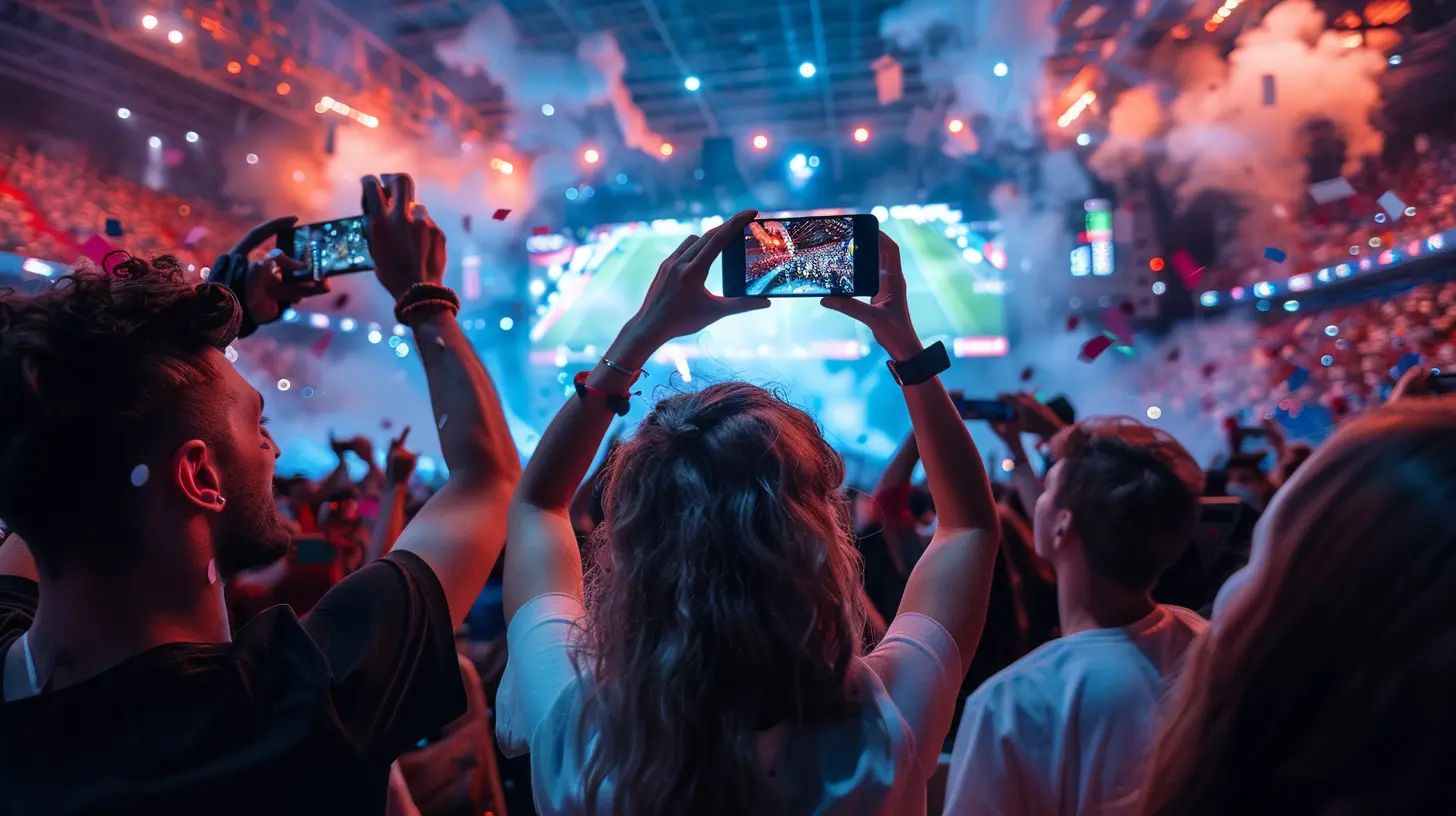
Let’s kick things off by acknowledging the massive leap mobile gaming has taken over the last few years. It’s no longer about Candy Crush and Angry Birds (although we won’t judge if you still play them). With advanced smartphones, better internet connectivity, and games that look and feel like console experiences, mobile games have become a serious contender in the world of gaming—and more importantly, esports.Games like Free Fire and Call of Duty: Mobile have not just amassed millions of downloads; they've built their own thriving competitive scenes. And guess what? That’s pulling in people who never thought they’d watch a pro gamer in action.
Accessibility: The Game-Changer
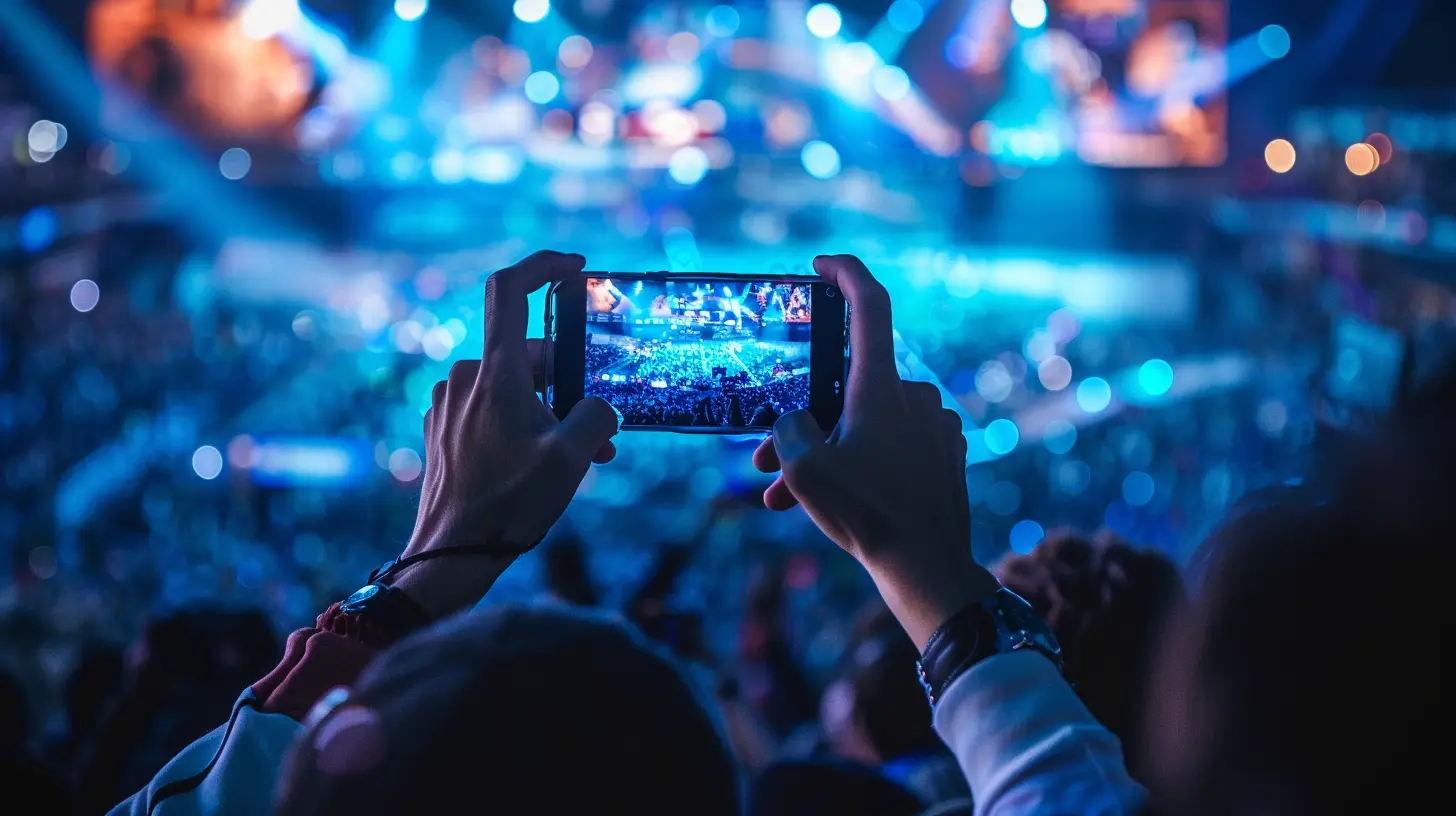
Here’s the clutch move: mobile gaming makes esports accessible. Not everyone can afford a gaming PC or a console, right? But almost everyone has a smartphone. That one device in your pocket? It’s your ticket to enter the esports universe. No fancy set-up needed.You’re waiting for your friend at a café? Pull out your phone and play. Stuck on a train? Grind some ranked matches. The convenience is unmatched. That accessibility is exactly why mobile gaming is dragging esports from niche circles into the mainstream.
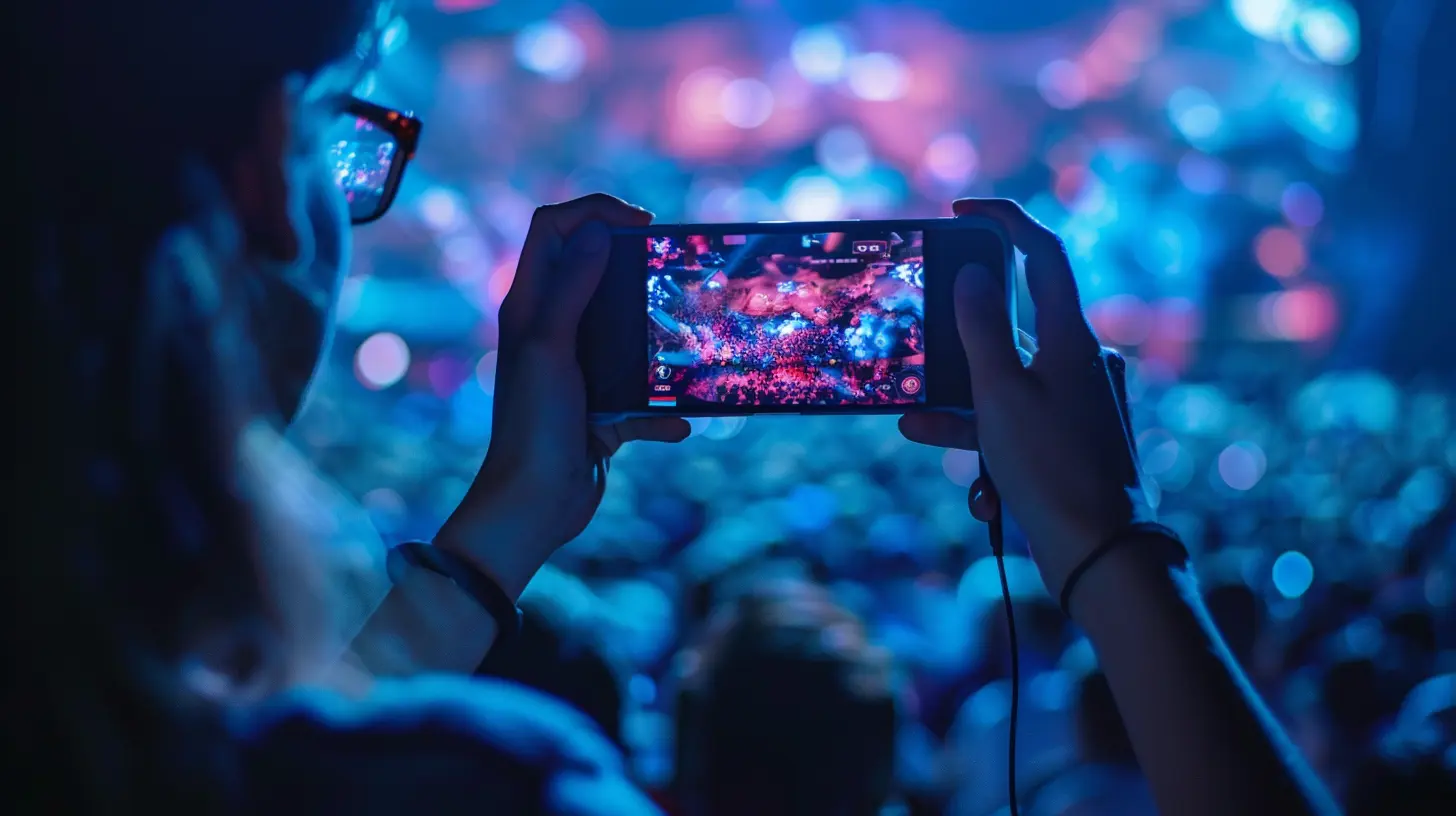
A Whole New Demographic
One of the coolest ways mobile gaming is expanding the esports audience is by bringing in folks who never had gaming on their radar. Think about it:- Casual players who stumbled upon a game during lockdown
- Students with budget limitations
- Adults who finally get to enjoy a quick session after work
- Even grandparents trying out Word Blitz and watching their grandkids play
All of a sudden, esports isn’t just for the “hardcore gamers.” It’s for everyone. From teens in small towns to professionals in big cities—everybody’s getting a slice of the action.
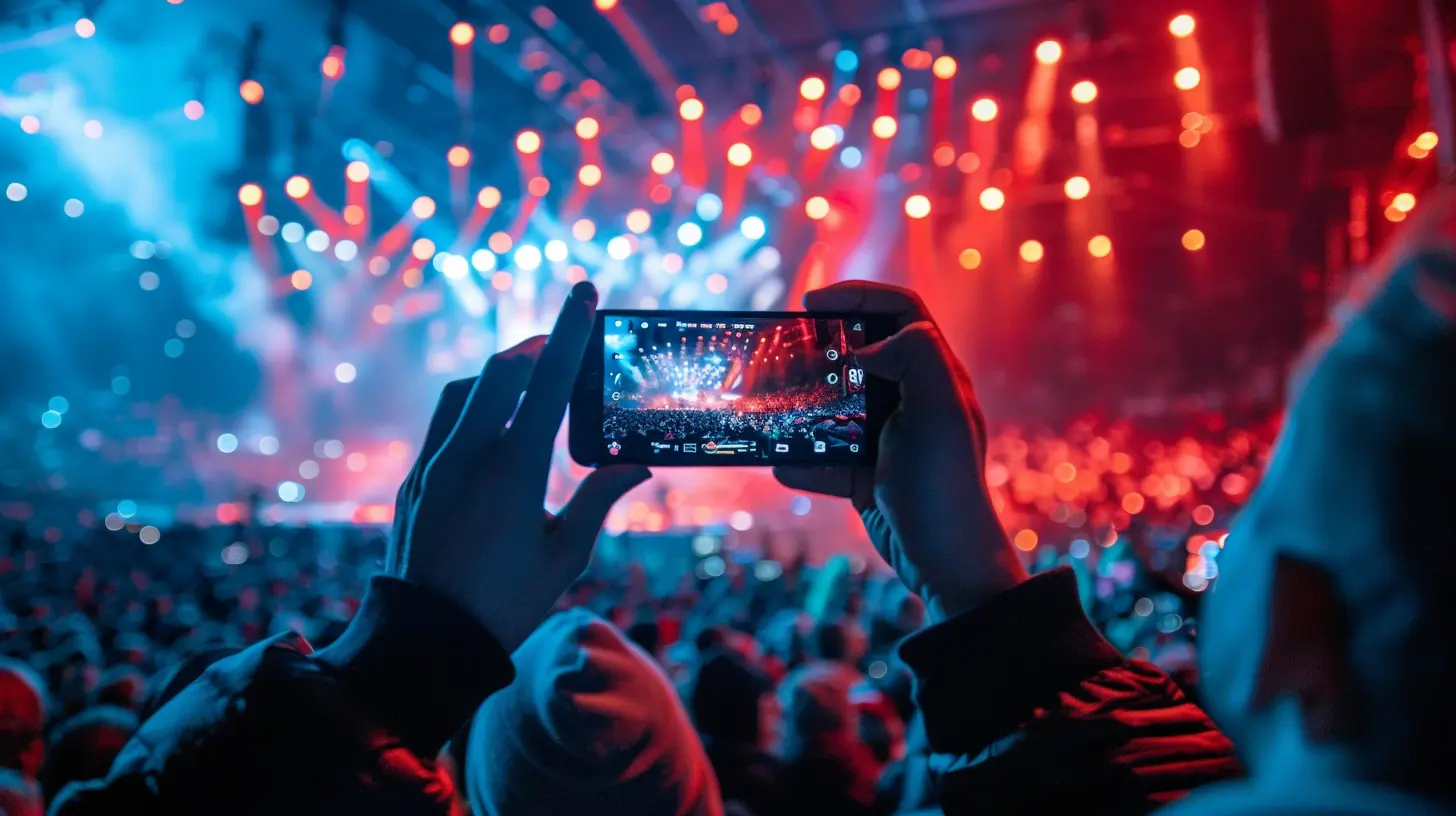
Spectator-Friendly Competition
Let’s be real: watching a game of League of Legends or Dota 2 can be overwhelming if you’ve never played before. The mechanics, the jargon, the strategy—it’s a lot. But mobile esports games? They’re simpler, snappier, and way easier to follow.Take Clash Royale, for example. Matches last three minutes, tops. It’s colorful, fast-paced, and doesn’t require a gaming dictionary to understand what’s going on. That simplicity makes mobile esports tournaments more appealing to casual viewers—people who otherwise wouldn’t bother.
Live Streams and Social Media Integration
Another major win for mobile esports? The seamless integration with social platforms. YouTube, Twitch, even Facebook Gaming—mobile esports thrives on these platforms. And with TikTok clips, Instagram Reels, and Facebook Lives spreading like wildfire, mobile games are getting insane reach.It’s not just about watching a full tournament anymore. Fans are consuming bite-sized highlights, crazy plays, clutch moments, and funny bloopers straight from their feeds. That kind of exposure is gold for drawing in new audiences.
Easier Entry for Aspiring Pros
Want to go pro in esports? Starting out on PC or console can be pretty intimidating—not to mention expensive. But with mobile games, the barrier to entry is way lower.All you need is skill, a decent phone, and maybe some Wi-Fi. From there, you can join online tournaments, climb the leaderboards, and get noticed. You don’t need to relocate or find a sponsor right away. Some of the world’s top mobile esports stars started grinding from their bedroom. That’s the kind of story people love to follow—and it brings more eyes to the scene.
Micro-Communities That Grow Fast
Have you noticed how fast mobile gaming communities blow up? From Discord servers to Reddit threads, players band together quicker than ever. These micro-communities do wonders for esports growth.As players connect, share tips, and organize mini tournaments, they build the ecosystem from the ground up. Before long, sponsors take notice, organizers step in, and boom—you’ve got yourself a competitive scene with fans and players alike.
Global Reach, Local Roots
One of the underrated aspects of mobile esports is how global and local it can be at the same time. Unlike traditional esports, where certain regions dominate, mobile gaming gives everyone a fair shot.Players in Southeast Asia, South America, Africa—even smaller islands—are making waves. This localization means fans can root for their hometown heroes. It creates a personal connection, and that emotional investment is what turns casual viewers into die-hard fans.
Cross-Promotion With Traditional Esports
Let’s not forget—many mobile games are mobile versions of already established titles. We’re talking PUBG Mobile, Apex Legends Mobile, League of Legends: Wild Rift. When these games expand to mobile, they bring their existing audience along.But here’s the kicker—they also open the door for mobile-first players to check out the traditional games. It’s a two-way street. That cross-promotion boosts both sides of the esports spectrum and keeps things fresh for everyone involved.
Brands and Sponsors Are Loving It
Brands aren’t blind—they go where the eyeballs are. And lately, mobile esports is where the action’s at. We’re seeing a surge in local and global sponsorships, from phone companies and energy drinks to clothing brands and online services.Why? Because mobile esports offers massive engagement, especially with Gen Z and younger millennials. It’s lively, it’s interactive, and it’s way more cost-effective than sponsoring a full-blown PC esports team or tournament. This injection of money only fuels the fire, making the ecosystem even bigger and better.
Esports Events, Reimagined
Gone are the days when esports events had to be massive stadium spectacles. Now, thanks to mobile gaming, you can have competitive events happening literally anywhere. Coffee shops, malls, pop-up events, even virtual tournaments held entirely online—anything is possible.It doesn’t have to be high-budget to attract fans. The charm lies in the intimacy and accessibility. Smaller-scale events mean more interaction, more engagement, and more people getting hooked on esports.
The Future Is Literally in Your Hands
So where is this all heading? Well, the trajectory is only going up. With 5G rolling out globally and smartphones becoming more powerful each year, mobile gaming has nowhere to go but forward. The lines between traditional gaming and mobile are getting blurrier by the day.Esports isn’t just for the elite anymore. It’s for students, workers, travelers, parents, kids—you name it. And mobile gaming is the vehicle driving it all.
Final Thoughts
Look, esports has come a long way—but it’s mobile gaming that’s pushing it into the mainstream at an insane pace. With its low entry barriers, global accessibility, and thriving community support, mobile gaming is not just a sidekick—it’s becoming the superhero of the esports world.So the next time someone rolls their eyes at mobile games, just smile and say, “You’re looking at the future.
all images in this post were generated using AI tools
Category:
EsportsAuthor:

Uziel Franco