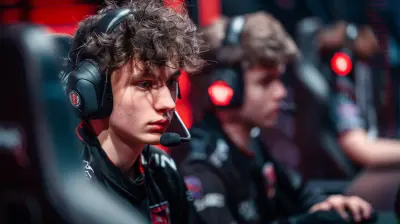
How Sponsorship Deals Can Make or Break a Sports Career
13 May 2026
In the world of sports, athletes dedicate years, sometimes decades, to perfecting their craft. Their drive, discipline, and passion are unparalleled. However, no matter how talented or hard-working an athlete might be, there’s an undeniable factor that can either catapult their career to new heights or leave them stuck on the sidelines: sponsorship deals.
Sponsorships have become a cornerstone of professional sports, offering athletes the financial backing and visibility they need to succeed. But, like a double-edged sword, while these deals can provide massive opportunities, they can also become the very thing that unravels an athlete’s career if mishandled.
Let’s dive into how sponsorship deals can truly make or break a sports career.
The Power of Sponsorship in Sports
Why Athletes Need Sponsorships
Let’s be honest – sports aren't just about the love of the game. Sure, passion fuels the fire, but at the end of the day, athletes need money to train, travel, and live. That’s where sponsorships come in. For many athletes, especially those in lesser-known sports, sponsorship deals can provide the necessary financial support to continue competing at the highest levels.But there’s more to it than just cash. Sponsorship deals often come with cool perks like top-of-the-line gear, access to elite training facilities, and even nutritional support. And let’s not forget the exposure! Being associated with a big brand can bring an athlete into the spotlight, helping them build a fan base and grow their personal brand.
The Financial Lifeline
For young or up-and-coming athletes, sponsorships can be a lifeline. The road to professional sports is long, grueling, and expensive. Many athletes struggle to make ends meet while chasing their dreams, training for hours each day, and traveling to competitions. A well-timed sponsorship deal can cover the costs of everything from travel to training, allowing athletes to focus solely on their performance.But here’s the kicker: while a sponsorship can provide financial security, it also comes with expectations. Sponsors want to see a return on their investment, whether that’s through an athlete’s performance on the field or their presence off it.

How Sponsorship Deals Can Make a Career
Elevating an Athlete's Profile
One of the biggest advantages of a sponsorship deal is the exposure it brings. When an athlete is sponsored by a well-known brand, it instantly boosts their credibility. That logo on their jersey? It’s like a stamp of approval. Suddenly, they’re not just an athlete – they’re a professional athlete.Take, for example, Michael Jordan and his iconic partnership with Nike. At the time, Jordan was an incredibly talented player, but it was his partnership with Nike that helped transform him into a global superstar. That deal didn’t just benefit Jordan financially; it also turned him into a household name, and in turn, made Nike’s Air Jordan line legendary.
The right sponsorship deal can open doors that might have otherwise stayed shut. It’s not just about the money – it’s about visibility, connections, and opportunities.
Access to Elite Resources
Sponsorship deals often come with more than just a paycheck. Many brands offer their athletes access to top-tier resources that can make a real difference in their game. Think specialized training programs, cutting-edge equipment, or even expert coaching staff. These perks can give athletes an edge over their competition, allowing them to elevate their performance and stay on top of their game.For example, many professional tennis players receive not only financial backing from their sponsors but also free or discounted access to high-end training facilities and gear. This support can be the difference between winning and losing, especially in sports where even the smallest advantage can make or break a match.
Building a Personal Brand
In today’s social media-driven world, an athlete’s career isn’t just about what they do on the field – it’s also about how they market themselves off it. Sponsorships can help athletes build their personal brand, turning them into influencers in their own right.Take Serena Williams, for instance. Her partnership with brands like Nike and Gatorade hasn’t just been about money; it’s helped her craft a powerful personal brand that extends beyond tennis. She’s now seen as a role model, a fashion icon, and a businesswoman. Sponsorships can give athletes the platform they need to step into new roles and create long-lasting careers beyond the sport.

How Sponsorship Deals Can Break a Career
But, as with anything in life, sponsorship deals can be a double-edged sword. While they offer incredible opportunities, they also come with risks. Let’s explore how a sponsorship deal can go wrong and potentially derail an athlete’s career.Pressure to Perform
Sponsors invest in athletes because they expect a return on their investment. Whether it’s winning championships, breaking records, or simply maintaining a certain image, the pressure to perform can be overwhelming. And if an athlete doesn’t meet the sponsor’s expectations? Well, things can go south pretty quickly.Athletes can find themselves trapped in a cycle of stress, trying to live up to the expectations of their sponsors while also dealing with the pressure of competition. This added weight can lead to burnout, injury, or even mental health issues. And once an athlete starts to struggle, sponsors may decide to pull out, leaving them without the financial backing they once relied on.
The Risk of Bad PR
Sponsorship deals often come with a catch – athletes are expected to represent their sponsors in a positive light. But what happens when an athlete gets caught up in a scandal or controversy? Sponsors are quick to distance themselves from any negative press, and athletes can find themselves dropped from deals faster than you can say "endorsement."We’ve seen this happen time and time again. Take the case of Tiger Woods. After his infamous scandal, many of his sponsors, including Gillette and Accenture, ended their partnerships with him. While Woods eventually bounced back, the loss of those sponsorships was a significant blow to both his career and his wallet.
Athletes need to be mindful of their public image, both on and off the field. One wrong move, and they could lose not only their sponsors but also their reputation.
Overexposure
While visibility can be a good thing, there’s such a thing as too much exposure. Some athletes sign so many sponsorship deals that they become overexposed, and their brand starts to lose its value. When an athlete’s face is plastered on every billboard, commercial, and social media platform, fans can start to get tired of them.Overexposure can lead to a loss of authenticity – and in today’s world, authenticity is everything. Fans want to feel like they’re following a real person, not just a walking advertisement. When athletes stretch themselves too thin with multiple sponsorships, it can dilute their personal brand and make them less appealing to both fans and future sponsors.

Finding Balance: The Key to Long-Term Success
So, how can athletes navigate the world of sponsorship deals without falling into the traps that could derail their career? It’s all about finding balance.Choose the Right Sponsors
Not all sponsorships are created equal. Athletes should be selective about the brands they partner with, choosing those that align with their values and personal brand. It’s not just about the money – it’s about the long-term relationship. A well-matched sponsor can enhance an athlete’s career, while a poorly chosen one can lead to negative press and lost opportunities.Athletes should ask themselves: Does this sponsor fit my image? Do I believe in what they stand for? If the answer is yes, then it’s likely a good match. If not, it’s better to pass on the deal. After all, not every opportunity is worth taking.
Maintain Authenticity
Fans can spot a sell-out from a mile away. Athletes need to stay true to themselves and maintain authenticity in their sponsorship deals. This means only promoting products they actually use and believe in, rather than jumping at every endorsement offer that comes their way.By staying authentic, athletes can build a loyal fanbase that trusts them. And trust? That’s the foundation of any successful career – sports or otherwise.
Don’t Let Sponsorships Define You
At the end of the day, athletes need to remember that sponsorships are just one part of their career. They should never let sponsorship deals define them or dictate their decisions. The most successful athletes are those who remain focused on their performance, their passion, and their love for the game – not the money or the endorsements.Conclusion: Tread Carefully, Build Wisely
Sponsorship deals can undoubtedly make or break a sports career. When managed properly, they provide athletes with the financial security, exposure, and resources they need to succeed. But when mishandled, they can lead to immense pressure, bad PR, and even the end of a promising career.The key is balance. Athletes need to be strategic about the sponsorships they take on, ensuring that they align with their personal brand and long-term goals. By doing so, they can leverage sponsorships to build a successful, sustainable career – both on and off the field.
all images in this post were generated using AI tools
Category:
Sponsorship DealsAuthor:

Uziel Franco
Discussion
rate this article
1 comments
Avery Meyers
Sponsorship deals can be the secret sauce or the poison pill for athletes. A savvy partnership elevates their brand, while a bad one can derail dreams.
May 18, 2026 at 10:42 AM
Uziel Franco
Absolutely, the right sponsorship can propel an athlete's career, but a poor fit can have lasting consequences. It's all about aligning values and vision.