How Sponsorships are Driving Growth in Womens Sports
27 June 2026
Women's sports have been gaining recognition and momentum like never before. From soccer to basketball, tennis to rugby—female athletes are stepping into the spotlight, commanding the attention of fans, media, and, most importantly, sponsors. In recent years, sponsorships have played a pivotal role in not only driving the growth of women's sports but transforming them into a viable, competitive, and exciting landscape that rivals men's sports in many ways.
But how exactly are sponsorships fueling this growth? And why are brands suddenly so eager to bet on women's sports? Let's dive into the ways sponsorships are changing the game for female athletes, teams, and leagues.

The Evolution of Women's Sports Sponsorships
Sponsorships in sports are nothing new. They've been the financial backbone of many male-dominated sports for decades. However, when it comes to women's sports, sponsorship deals only recently began to flourish. Historically, female athletes have received significantly less attention and funding compared to their male counterparts. Remember the days when even top female athletes struggled to get noticed by big brands? It wasn't that long ago.But things are changing—and changing fast. The rise of social media, coupled with the increased visibility of women's sports on major platforms, has made it impossible for sponsors to ignore the massive potential. Brands have started to realize that female athletes are not only highly skilled but also incredibly marketable. These sponsorship deals are more than just about slapping a logo on a jersey—they're about telling a story, fostering community, and aligning with values.
Brands Recognizing Untapped Potential
For years, brands have focused on sponsoring men's sports, leaving a huge gap in the market. Women's sports represent an untapped goldmine. With more women participating in sports and a growing audience that includes both men and women, sponsors are starting to recognize the potential for massive returns on investment.Sponsoring women’s sports opens the door to a demographic that was previously overlooked. Companies can now engage with a diverse and passionate fanbase that is eager for more content, more games, and more athlete-driven narratives. In a world where brand loyalty is everything, women's sports offer a unique opportunity to connect with consumers on a more personal level.
The Power of Representation
Representation matters. People want to see themselves reflected in the sports they watch and support. That's why sponsorships in women's sports go beyond just financial backing—they're about championing equality and inspiring the next generation. When young girls see athletes like Serena Williams, Megan Rapinoe, or Simone Biles being endorsed by major brands, it sends a powerful message: you can do this too.For companies, aligning with these athletes isn’t just about exposure; it’s about standing for something bigger. It’s about advocating for gender equality, diversity, and inclusion. These are values that resonate deeply with today's consumers, especially younger generations who are more socially conscious than ever before.
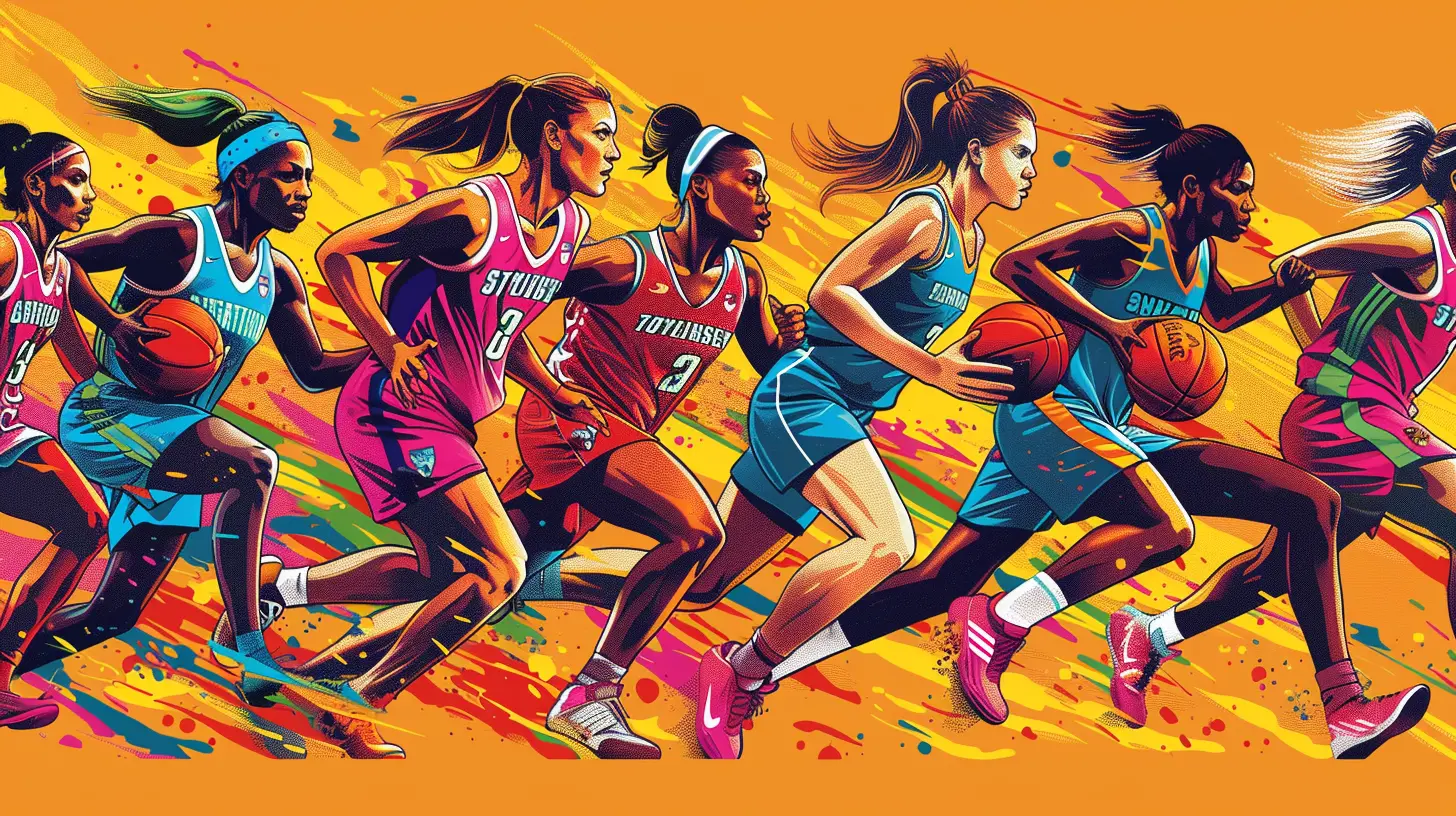
The Impact of Sponsorships on Women's Sports
Sponsorship deals in women's sports don’t only benefit the athletes; they have a ripple effect that impacts leagues, teams, fans, and even future athletes.Increased Investment in Infrastructure
One of the most significant impacts of sponsorships is the increased funding for infrastructure. Without adequate resources, it's hard for teams and leagues to thrive. Thankfully, as more sponsors come onboard, we’re seeing better facilities, higher quality training programs, and improved travel accommodations for female athletes.This investment trickles down to youth leagues and development programs. When major sponsors support grassroots initiatives, more young girls have access to sports, leading to a larger talent pool in the future. It’s a cycle: the more investment we see, the more the sport grows, and the more talent emerges.
Higher Salaries and Better Contracts
Let’s not sugarcoat it—female athletes have historically been underpaid compared to their male counterparts. But sponsorships are helping to bridge that gap. Brands are offering lucrative deals to top female athletes, providing them with financial security and recognition.And it's not just the elite athletes benefiting from these deals. Sponsorship money flowing into leagues allows for better contracts across the board, improving the financial landscape for all players, not just the superstars. This helps retain talent, as athletes no longer have to choose between pursuing their passion or finding a more stable career elsewhere.
Amplified Media Coverage
Sponsorships play a critical role in boosting media coverage for women's sports. When big brands get involved, media outlets are more likely to take notice. It becomes a mutually beneficial relationship—more sponsorships lead to increased visibility, which, in turn, leads to even more sponsorships. The cycle continues, elevating women's sports to new heights.This increased coverage means more games are being televised or streamed, which helps build a larger fanbase. Let’s be honest: if you can’t watch the games, it’s hard to become invested. Sponsorships help bring women's sports into the public eye, making it easier for fans to follow their favorite teams and athletes.

Examples of Sponsorships Driving Growth in Women's Sports
To truly understand how sponsorships are driving growth in women's sports, we need to look at some real-life examples. These partnerships have not only provided financial support but have also helped raise awareness and grow the fanbase.Serena Williams and Nike
Serena Williams is arguably one of the most recognizable athletes in the world, and her partnership with Nike is legendary. Nike saw the potential in Serena early on, and their relationship has been a long-term one. Through this sponsorship, Serena has been able to not only dominate her sport but also create a platform for advocacy, speaking out on issues such as gender equality and racial injustice.Nike’s investment in Serena has paid off tenfold. She’s one of the most marketable athletes across any sport, and the brand has been able to capitalize on her success, both on and off the court. Serena’s influence extends beyond tennis, inspiring women and girls in all walks of life.
Barclays and the Women’s Super League
In 2019, Barclays made headlines by becoming the title sponsor of the FA Women’s Super League (WSL) in England. This was a historic deal, marking the first time a major bank had sponsored a women's football (soccer) league. The deal brought much-needed financial support to the league, allowing for better pay, improved facilities, and more media coverage.Since Barclays came on board, the WSL has seen a surge in popularity, with more fans attending games and more matches being broadcasted on television. This sponsorship deal has helped elevate women's football in the UK, showing that it can be a commercially viable product just like the men's game.
WNBA and Google
In 2021, Google became an official partner of the WNBA, marking one of the biggest tech sponsorship deals in women's sports. Google’s sponsorship focused on promoting gender equity in sports, aligning with the WNBA's mission to empower female athletes.This partnership has brought more visibility to the league, with Google helping to promote WNBA games through YouTube and other platforms. The deal has also paved the way for other tech companies to get involved in women's sports, further driving growth in the industry.
The Future of Sponsorships in Women's Sports
The future looks bright for women's sports, thanks in large part to the rise in sponsorship deals. As more brands recognize the value of aligning with female athletes and teams, we can expect to see continued investment in this growing market.Social Media's Role
Social media has been a game-changer for women's sports. Platforms like Instagram, Twitter, and TikTok give athletes direct access to their fans, bypassing traditional media outlets. This has made female athletes incredibly valuable to sponsors, who can tap into their large, engaged followings.Athletes are no longer just seen as competitors; they're influencers. Brands are eager to work with athletes who have strong personal brands and can promote products to their followers in an authentic way.
Growing Fanbase
As women's sports continue to grow, so does the fanbase. More fans mean more eyeballs on games, more merchandise sales, and more opportunities for sponsors to get involved. With increased visibility comes increased investment, creating a snowball effect that will only continue to drive the growth of women's sports.Conclusion
Sponsorships are undeniably driving the growth of women's sports. From increased financial support to better media coverage, these deals are changing the landscape for female athletes and teams around the world. As more brands recognize the untapped potential of women's sports, we can expect to see continued growth in the years to come.The future is bright, and with the help of sponsorships, women's sports are poised to reach new heights. So, whether you’re a fan, an athlete, or a brand looking to get involved—get ready. The best is yet to come.
all images in this post were generated using AI tools
Category:
Sponsorship DealsAuthor:

Uziel Franco
Discussion
rate this article
1 comments
Cash McMaster
Interesting angle! How do you see sponsorships changing the future of women's sports?
June 30, 2026 at 4:17 AM
Uziel Franco
Thanks for your comment! I believe sponsorships will play a crucial role in elevating visibility and investment in women's sports, leading to more opportunities for athletes and teams. It's an exciting time for growth and recognition.