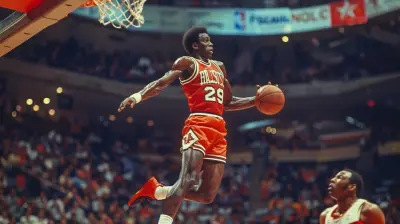
How to Encourage a Growth Mindset in Young Athletes
21 July 2026
Let’s be honest: we’ve all seen it—the classic meltdown on the soccer field, the dramatic flop after missing a free throw, or the mini existential crisis on the tennis court. And no, we’re not talking about the pros (though sometimes they could use this advice too). We’re talking about young athletes. Kids, tweens, and teens trying to figure out how to win, lose, improve, and not hurl their cleats into orbit. So how do you help them grow not just physically, but mentally? That’s where the magic word comes in: growth mindset.
If you’re a coach, parent, or someone who’s found yourself holding orange slices on the sidelines, sit tight. We’re diving into how to plant the seeds of a growth mindset in young athletes—and trust me, it’s a game-changer. ⚽??
What the Heck Is a Growth Mindset, Anyway?
Let’s break it down. The term “growth mindset” was popularized by psychologist Carol Dweck, who basically said that people fall into two camps:- Fixed mindset: “I’m either good at it or I’m not. End of story.”
- Growth mindset: “I can get better if I work at it.”
Simple, right?
Now, imagine trying to teach a kid that missing a shot doesn’t mean they stink at sports for life. It just means they’re still figuring it out. That’s the sweet spot—a growth mindset in action.
Why Young Athletes Need a Growth Mindset Like They Need Water Breaks
Sports can be brutal, folks. One minute they’re MVP of the match, the next minute, they’re crying in the backseat, swearing off baseball forever.A growth mindset helps kids:
- Bounce back from losses
- Handle criticism with grace (or at least without throwing equipment)
- Stay motivated when progress is slow
- Learn to love the process, not just the trophies
In short, it helps them stick with it—which is half the battle in youth sports.
Step #1: Celebrate the Effort, Not Just the Scoreboard
Here’s the thing: when we only praise wins, we teach kids that outcomes are everything. That’s like only celebrating a tree when it finally grows fruit and ignoring the months it spent being a twig with ambition.So instead:
- Applaud hustle plays: “I loved how you dove for that ball!”
- Recognize improvement: “Your footwork is way better than last month!”
- Cheer the process: “You practiced that move a hundred times—awesome dedication.”
This shifts the focus from "I win, therefore I’m good" to "I try, therefore I grow." Huge difference.
Step #2: Teach That Mistakes = Brain Gains
Want to know a secret? Mistakes are actually tiny workouts for the brain. Every time a kid flubs a play or loses a match, their brain gets a chance to rewire and adapt. It’s like doing squats—but for their thinking muscle.Frame mistakes as:
- Learning moments
- Part of being human (even LeBron James misses shots)
- Clues for what to improve next
You could even start a post-game “Mistake MVP” shoutout. “Who made the biggest mistake today and learned from it?” Turn goofs into gold.
Step #3: Model That Growth Mindset Like a Champ
Kids are like little sponges with Gatorade. They absorb what they see. So if you’re pacing the sidelines muttering “This team is trash” or throwing out “You’ll never make that shot,” guess what they’re learning?Instead, model your own growth mindset. Say things like:
- “I’m still learning how to coach better each season.”
- “That play didn’t work, but now we know what to fix.”
- “Let’s try that drill again, and we’ll improve.”
When kids see adults owning their learning process, it normalizes progress over perfection.
Step #4: Ditch the Labels and Nicknames (Yes, Even "The Natural")
You might think calling a kid “The Rocket” for their fastball is motivational. But labels—even positive ones—can backfire. When a child believes their identity is tied to being “the best” or “the fast one,” any setback can feel like an identity crisis.Instead of labels, focus on behaviors:
- “You worked really hard in practice today.”
- “I noticed you stayed focused even when the game got rough.”
You're reinforcing effort, not innate talent. Let them carve out their own nickname when they’re 25 and hitting dingers in the majors.
Step #5: Encourage Healthy Self-Talk (No More “I Suck” Allowed)
You wouldn’t let someone talk trash to your kid on the playground, right? Then don’t let their own brain be the bully.Teach them to catch unhelpful thoughts like:
- “I’m terrible at this.”
- “I’ll never get it.”
- “Everyone’s better than me.”
And replace them with:
- “I’m still learning.”
- “Mistakes help me grow.”
- “I can improve with practice.”
You can even create a fun “Thought Coach” persona. Imagine a tiny coach on their shoulder yelling, “You got this, champ!” They’ll never forget it—and yes, cheesy works with kids.
Step #6: Set Goals That Aren’t Just “Win the Game”
Goals are great—until they turn into pressure cookers. If the only goal is to win, what happens when the team loses 0-10?Instead, help kids set process-oriented goals. These are goals they can control, no matter the scoreboard.
Try stuff like:
- “Make 5 passes before shooting.”
- “Stay positive even when behind.”
- “Try the new footwork move 3 times.”
This way, even a loss can feel like a win. Sneaky genius, right?
Step #7: Make Failure Fun (Seriously)
What if we told kids that failure was an epic boss level, not a dead end? Reframe failure as a badge of honor. Throw a “Failure Friday” where everyone shares their biggest mess-up from the week and what they learned from it.Create buzz around:
- “Who totally failed this week—in the best way?”
- “Who tried something new and face-planted like a champ?”
Celebrate those moments because failure means they’re stretching beyond their comfort zones—and that’s where growth lives.
Step #8: Limit the “Did You Win?” Questions
Let’s talk about the dreaded car ride home. Nine out of ten kids say it’s the most stressful part of sports. Why? Because adults obsessively ask one thing: “Did you win?”Let’s mix that up, shall we?
Try these instead:
- “What did you enjoy most?”
- “What did you learn?”
- “What do you want to work on next?”
These questions keep the conversation growth-focused—and let’s be real, they're way more interesting than “Did you score?”
Step #9: Coaching? Less Command, More Curiosity
For coaches and parents doing post-game debriefs (aka “the drive-thru TED Talk”), resist the urge to lecture like a sports Yoda. Instead, ask open-ended questions that spark reflection:- “What felt tough out there today?”
- “What are you proud of?”
- “If you could redo one moment, what would it be?”
This approach builds metacognition (fancy word for thinking about thinking), which is the rocket fuel of a growth mindset.
Step #10: Keep It Playful, Always
Let kids be kids. Let them do cartwheels during warm-ups, invent goofy cheers, and name the soccer ball “Dave.” A playful environment lowers the fear of failure and boosts creativity—which are both crucial for learning.In the pressure-cooker that youth sports can become, goofiness is a breath of fresh air. Remember: burnout hates fun.
The Takeaway
Encouraging a growth mindset in young athletes isn’t about being perfect, handing out participation trophies, or pretending losing doesn’t stink. It’s about teaching kids that their abilities are like rubber bands—they grow when stretched.So next time your athlete whiffs the ball, forget the eye roll. Throw out a “Nice try, I saw the hustle!” Then hand them one of those orange slices (yes, extra juicy).
They’ll remember your support, your belief in their potential, and most of all—that growth mindset you helped them build.
Bonus Tip: Don’t Forget the Power of Yet
Whenever your young athlete says “I can’t do it,” teach them to tack one word onto the end:Yet.
“I can’t dribble with my left foot… yet.”
“I don’t understand the play… yet.”
“I’m not the fastest on the team… yet.”
That tiny word is a mindset multiplier.
Final Whistle
Look, raising kids with a growth mindset is kinda like coaching in a game where the rules change daily and someone keeps stealing the whistle. But with consistency, encouragement, and a bit of humor, you can help shape athletes who don’t just strive to win—but love to grow.And that’s a victory every time.
all images in this post were generated using AI tools
Category:
Youth SportsAuthor:

Uziel Franco
Discussion
rate this article
1 comments
Katalina Smith
Encouraging a growth mindset in young athletes is vital for their development. Fostering resilience and a love for learning through constructive feedback and celebrating effort can help them embrace challenges and improve their performance over time.
July 21, 2026 at 4:54 AM