How to Handle Conflicts Between Coaches and Parents
8 March 2026
Let’s be real—sports can get intense. And we're not just talking about the scoreboard. One of the trickiest sideline battles? Conflicts between coaches and parents. If you've ever been part of youth sports—whether you're a coach, a parent, or both—you know the tension can be real.
But here's the thing: the heart of youth sports should always be about the kids. Not egos, not overreactions, not miscommunication. So how do you keep the peace and build a strong, respectful relationship between the people who want the best for the players?
Let’s break it down and walk through exactly how to handle those inevitable coach-parent clashes—with maturity, clarity, and a whole lot of empathy.
🧠 Understanding the Root of the Problem
Before you jump into conflict resolution, it's important to ask: why do these arguments happen in the first place?Most often, the clash isn't about the actual game. It’s about expectations, emotions, and communication breakdowns. For parents, their child is everything. For coaches, the focus is often on the team as a whole. That difference in perspective can spark some serious friction.
Let’s face it—both sides care deeply. And that passion can sometimes come across as criticism, mistrust, or just plain frustration.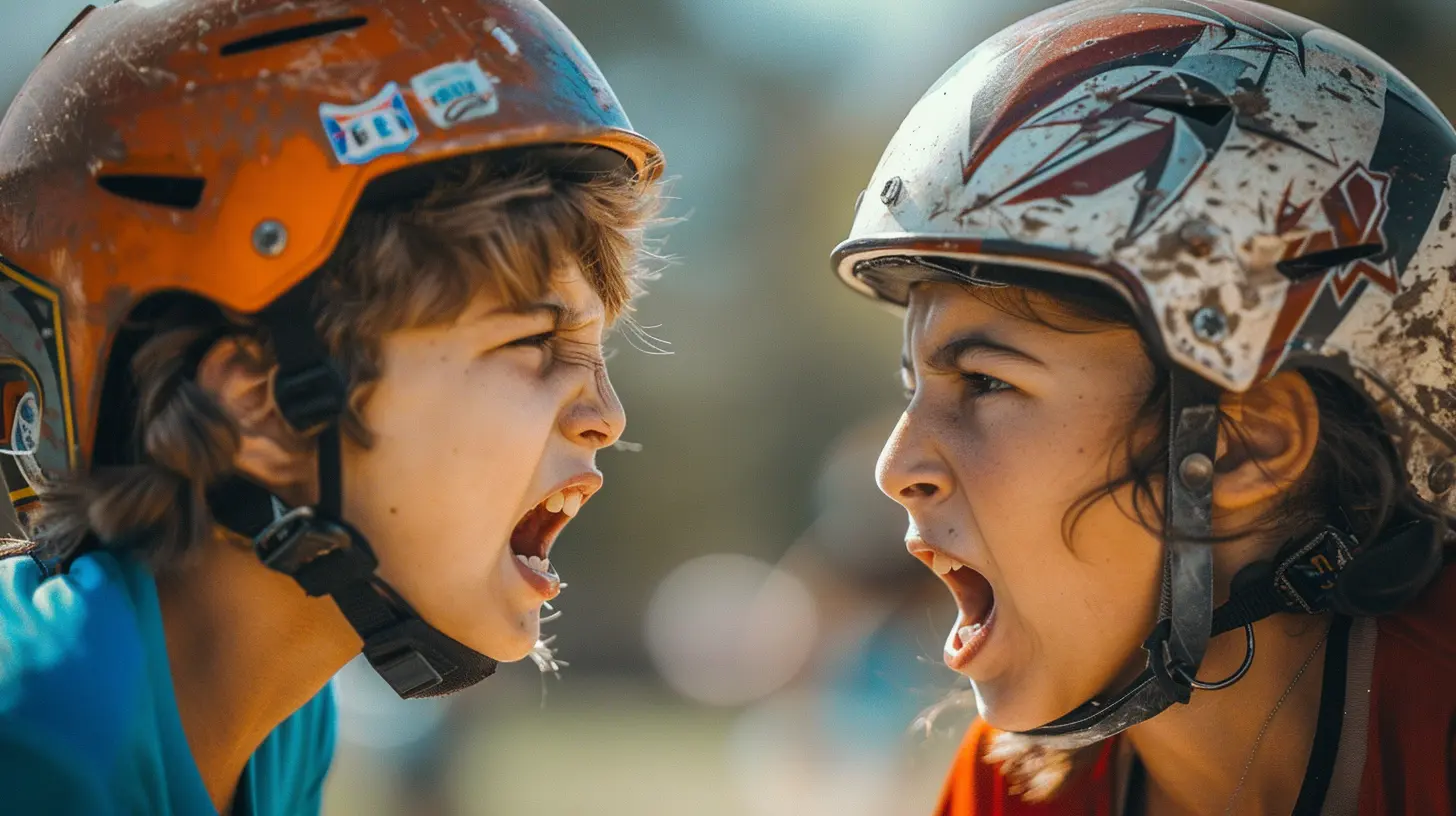
🚦Common Triggers of Parent-Coach Conflict
To resolve conflict, you have to recognize the red flags that set it off. Here are the usual suspects:- Playing time: The number one trigger. Parents want to see their kid on the field or court. Coaches have to make tough calls.
- Coaching style: Some parents don’t mesh with a coach’s tone, tactics, or discipline style.
- Perceived favoritism: When one player seems to get all the glory, things can get heated.
- Lack of communication: When coaches or parents don’t explain decisions, assumptions fill the gap.
- Unrealistic expectations: Some parents expect little Johnny to be the next LeBron, while the coach just wants to build teamwork.
🛠️ Strategies for Coaches: Leading Without Ego
If you’re a coach, you’re the leader here. You set the tone. So here’s how you can prevent conflict before it even starts.1. Set the Ground Rules Early
Start the season with a clear communication policy, and have a parent meeting before the first practice. Outline your philosophy, expectations, and where you stand on playing time, discipline, and teamwork.It’s like drawing a map before a road trip—it helps everyone stay on the same path.
👉 Pro tip: Provide a parent handbook or a simple one-pager outlining your coaching values. It prevents confusion later on.
2. Communicate Often—and Clearly
You’re juggling a million things, sure. But regular check-ins with parents can be a game-changer.Use group chats, emails, or even a weekly update to keep everyone in the loop. A little transparency goes a long way.
Don’t leave parents guessing. Tell them how decisions on playing time are made. Share your goals for the team. And most importantly, make it okay to ask questions (just not during the middle of a game, please!).
3. Don’t Take It Personally
Easier said than done, right? But when a parent lashes out, it’s usually rooted in emotion—not strategy.Take a breath. Listen. Reflect before you react. Defensiveness adds fuel to the fire.
Instead, respond with calm curiosity: “Can you help me understand where you’re coming from?” That line alone can defuse major tension.
4. Be Consistent
Your credibility is everything. If you’re not consistent with discipline, playing time, or behavior expectations, you lose trust. And when trust erodes, conflict follows.Treat every player and situation with fairness. That doesn’t mean everyone gets the same—it means everyone gets what they’ve earned.
🧭 Strategies for Parents: Keeping Perspective
Parents, we get it—you’re your child’s biggest fan. But sometimes, the drive to protect can accidentally cause more harm than good.1. Let the Coaches Coach
You wouldn’t want your mechanic giving advice to your dentist during a root canal, right?Same goes for the playing field. The coach is there for a reason. Support your child by supporting their coach, even if you don’t always agree.
Unless there’s a serious issue (and we’ll get into that), it’s usually best to stay in the cheerleader lane.
2. Think Long-Term, Not Right-Now
Sure, your kid might be sitting on the bench today. But what are they learning?Resilience. Patience. Team values.
It’s about more than minutes on the court—it’s about preparing them for life. Letting them fight for their spot is part of growth.
3. Pause Before You Confront
Emotions can run high. Before you launch into a heated rant on the ride home, ask yourself:- Am I reacting out of emotion or reason?
- Have I heard the full story?
- Is this about my child—or my personal expectations?
Sometimes, a sleep-on-it approach can be the best play.
4. Use the 24-Hour Rule
This one’s a game-changer.If you’re upset after a game, wait 24 hours before contacting the coach. Emotions cool down, thoughts get clearer, and you’re more likely to have a productive conversation instead of a fiery one.
Trust the rule. It works.
🤝 When a Conflict Happens: The Right Way to Handle It
Okay, so despite best efforts, a conflict still pops up. No biggie—it happens. The question is: How do you solve it without making it worse?Here’s the playbook:
Step 1: Initiate a Respectful Conversation
Reach out privately. Avoid scenes at practice or post-game blow-ups. A quick, respectful message like: “Could we find a time to chat? I’d like to understand more about your approach this season.”It opens the door to dialogue without putting anyone on the defensive.
Step 2: Listen First, Explain Second
The key word here? Listen.Don’t walk into the conversation ready to attack. Ask open-ended questions and listen without planning your rebuttal.
Then, calmly explain your concern. Keep it factual, not emotional.
Step 3: Focus on the Kid, Not the Ego
Both sides should bring the spotlight back to the athlete.Ask yourselves: What’s best for the child’s experience, confidence, and development? That answer alone can save the relationship.
Step 4: Seek a Collaborative Solution
This isn’t a winner-takes-all showdown. It’s about finding common ground.Maybe the coach clarifies their decision-making. Maybe the parent volunteers to help in a productive way. Maybe both adjust their expectations.
The goal is always: mutual respect and a better experience for the athlete.
🚫 What NOT to Do
Let’s be crystal clear: some actions only make things worse. Avoid these like a flagrant foul.- Don’t argue during or immediately after a game.
- Don’t talk negatively about the coach in front of your child.
- Don’t use social media to air grievances.
- Don’t gang up with other parents to form a “mob mentality.”
None of this helps the kid. Period.
🧒 And Let’s Not Forget the Kids…
At the end of the day, every adult involved should be asking:“Am I helping or hurting my child’s experience?”
Because while you’re arguing about playing time, your kid might be losing confidence. Or motivation. Or the love of the game.
Let the coach do their job. Let your child face a little adversity—they’ll grow stronger for it.
And for the love of the game, let sports be fun.
🧭 When Things Can’t Be Resolved
Sometimes, no matter how respectful or reasonable you are, the conflict just doesn’t go away. What then?Here are two options:
1. Escalate to the Athletic Director or Program Coordinator—but only if it’s a major issue (unsafe behavior, repeated verbal abuse, etc.).
2. Change teams or programs, if it’s clearly not a good fit. But make sure your child understands the reasons, and don’t turn it into a “run from every challenge” scenario.
🧰 Conflict Can Be a Tool—Not a Threat
Let’s flip the script. Conflict in sports isn’t the enemy—it’s a tool. A chance to build character, communication, and collaboration.Handled right, a disagreement between a coach and parent can actually strengthen trust and respect. It’s all about how you approach it—with patience, empathy, and big-picture thinking.
We’re all on the same team, after all.
🏁 Final Thoughts: Keep the Main Thing the Main Thing
If you forget everything else, remember this: youth sports exist for the kids. To teach, to grow, to inspire.If parents and coaches keep that front and center, the path becomes clearer. Less confrontation, more cooperation. Less drama, more development.
So the next time a disagreement arises? Take a breath. Step back. Ask, “What’s best for the child?” Then move forward—together.
Because that’s the real win.
all images in this post were generated using AI tools
Category:
Youth SportsAuthor:

Uziel Franco
Discussion
rate this article
2 comments
Marie Warner
Navigating conflicts between coaches and parents can be challenging. Open communication, understanding, and empathy are key. Remember, we all share a common goal: the growth and well-being of the young athletes. Support each other.
April 3, 2026 at 10:39 AM
Uziel Franco
Great points! Open communication and empathy truly are essential in fostering a positive environment for our young athletes. Let's prioritize collaboration for their growth!
Valentina Adams
Great article! Addressing conflicts between coaches and parents is crucial for a positive sports environment. Encouraging open communication and setting clear expectations can help alleviate tensions. Regular meetings can also foster understanding and collaboration, ensuring that everyone is focused on the athletes' best interests. Keep up the good work!
March 9, 2026 at 12:41 PM
Uziel Franco
Thank you for your insightful comment! I completely agree that open communication and regular meetings are key to fostering a positive sports environment.
![From the Bench to the Spotlight: The Rise of [Player Name]](/pictures/blog/small/from-the-bench-to-the-spotlight-the-rise-of-player-name_2.webp)