How to Handle Winning and Losing with Grace in Youth Sports
31 July 2026
Youth sports can be an emotional rollercoaster. One day, your child is celebrating a big win, and the next, they’re wiping away tears after a tough loss. Learning how to handle both victory and defeat with grace is a crucial life skill that extends far beyond the playing field.
So, how do we teach young athletes to celebrate their triumphs without arrogance and handle losses without breaking down? Let’s dive into the art of winning and losing gracefully in youth sports.
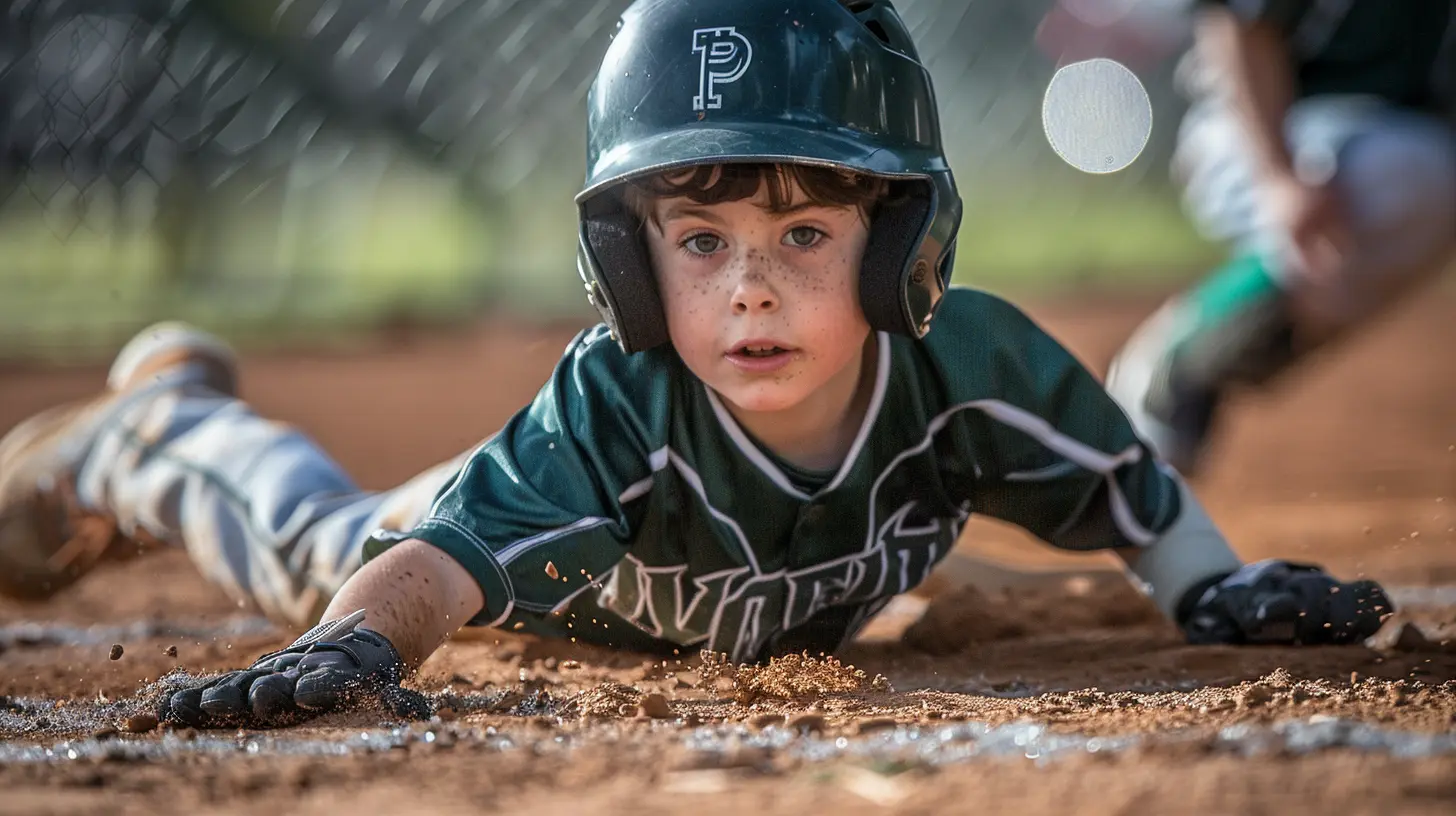
The Importance of Sportsmanship
Before we get into the nitty-gritty, let’s talk about why sportsmanship matters. Youth sports aren’t just about scoring goals, making baskets, or finishing first — they’re about building character, resilience, and teamwork. Whether a child wins or loses, the way they behave speaks volumes about their maturity and respect for the game.Being a good sport means:
- Respecting opponents, coaches, referees, and teammates
- Playing fair and following the rules
- Maintaining composure, win or lose
- Encouraging teammates instead of blaming them
- Learning from every game, no matter the outcome
Now, let's break down how to approach both winning and losing with grace.

Handling Victory the Right Way
Winning feels amazing! There’s no better feeling than seeing hard work pay off. But victory comes with responsibility. How an athlete carries themselves after a win can shape their reputation and influence how others treat them in the future.1. Stay Humble
Winning doesn’t mean rubbing it in. A simple handshake and a “good game” go a long way. Nobody likes a sore winner, and excessive bragging can create resentment among teammates and opponents.Encourage young athletes to let their performance speak for itself rather than boasting about it. A true champion knows that respect is earned by actions, not words.
2. Acknowledge the Opponent’s Effort
Remind kids that every game requires two teams, and without opponents, there would be no competition. Recognizing the effort of the opposing team shows class and respect.Something as simple as saying, “You guys played really well,” or, “That was a tough game,” fosters camaraderie and mutual respect.
3. Share Credit With the Team
No win happens because of just one player. Even in individual sports, athletes have coaches, supporters, and teammates who contribute to their success.Encourage kids to express gratitude to those who helped them — teammates, coaches, and even family members who support them along the way. It’s a great habit that keeps egos in check.
4. Act Like You’ve Been There Before
Ever seen a professional athlete score and act like they do it all the time? That’s the attitude young athletes should adopt. Celebrate, of course, but keep it respectful. Running around gloating like it’s a once-in-a-lifetime moment can come off as disrespectful.A simple fist bump, high-five, or quick celebration with teammates is all it takes to enjoy the win while staying classy.
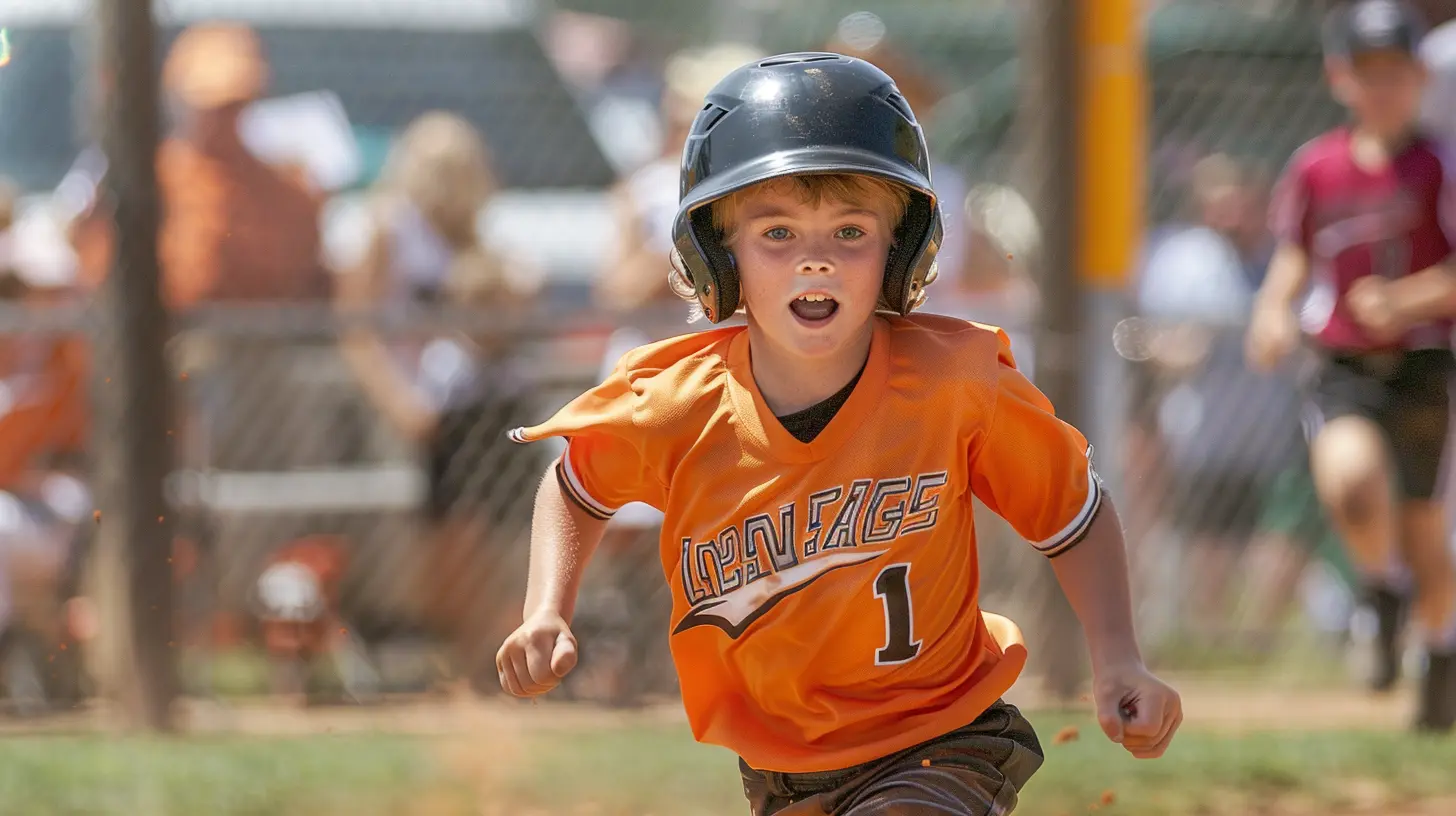
Handling Defeat with Grace
Losing stings. There’s no sugarcoating it. But learning how to cope with a loss is just as important as learning how to win. After all, failure is one of life’s greatest teachers. Here’s how young athletes can deal with losses the right way.1. Avoid Making Excuses
It’s easy to blame the referee, bad weather, or an unlucky bounce, but making excuses doesn’t help anyone grow. Instead of focusing on things out of their control, kids should reflect on what they can improve.Did they give their best effort? What could they do differently next time? These questions encourage a mindset of learning rather than complaining.
2. Congratulate the Winner
Encouraging young athletes to shake hands, fist-bump, or acknowledge the opposing team’s victory is a sign of true sportsmanship. It shows maturity and teaches respect.No one likes losing, but showing respect for the winner helps maintain sportsmanship and builds character.
3. Control Emotions
A loss can trigger frustration, disappointment, even tears — and that’s okay. What matters is how those emotions are handled.Instead of throwing a fit, young athletes should take a deep breath, walk it off, or talk it out with a coach or teammate. Managing emotions in tough moments is a skill that will help them in sports and life.
4. Focus on the Lessons
Every loss is an opportunity to grow. Instead of dwelling on disappointment, athletes should analyze what they can learn from the experience.Encourage kids to ask:
- What went well despite the loss?
- What could they have done differently?
- How can they prepare better next time?
By shifting focus from failure to improvement, young athletes become more resilient and motivated to work harder.
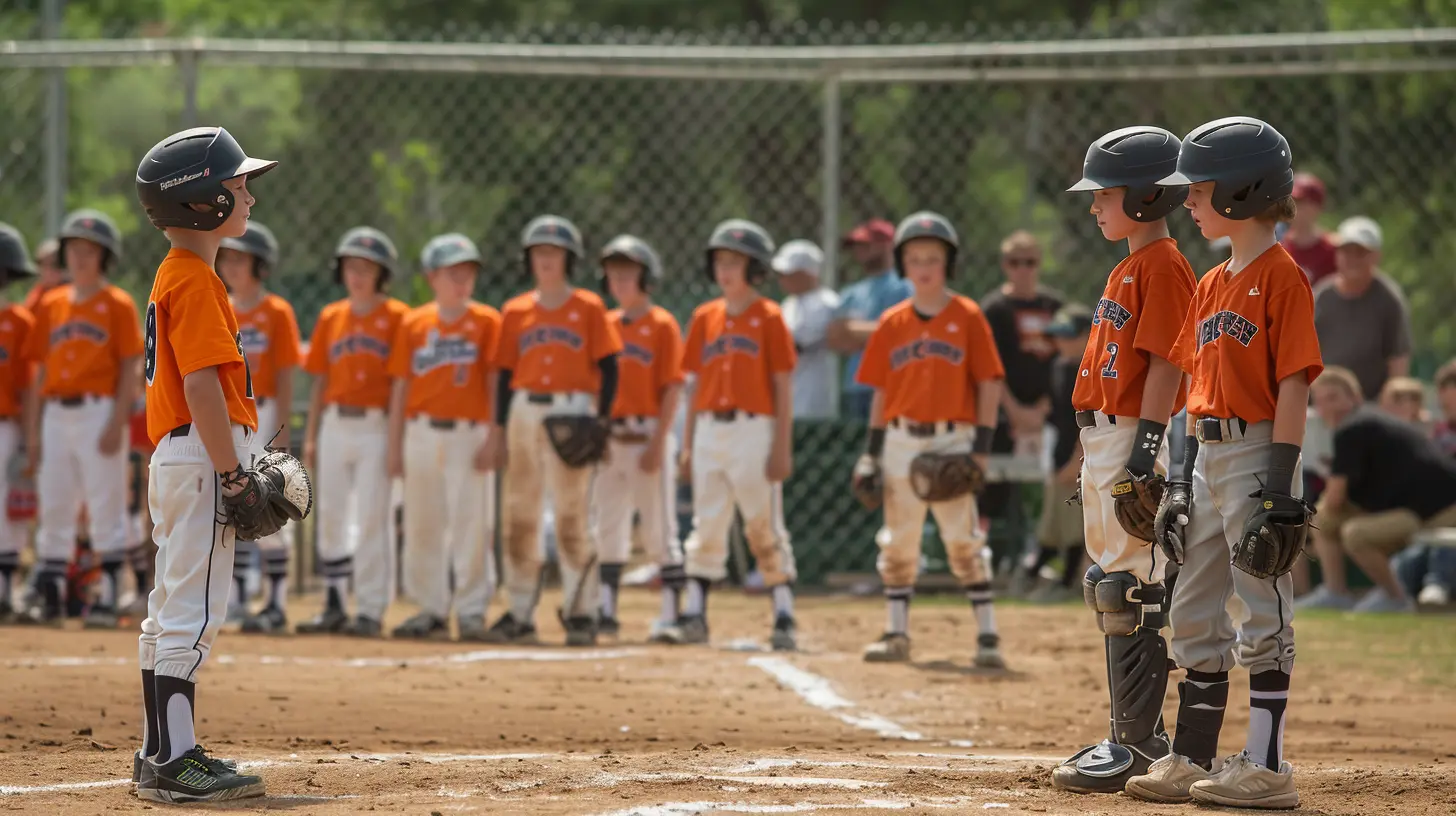
The Role of Parents and Coaches
Teaching kids to win and lose gracefully doesn’t happen overnight. It takes guidance from parents, coaches, and mentors. Here’s how adults can help:1. Lead by Example
Kids mimic what they see. If they see their coach yelling at referees or their parents complaining about bad calls, they’ll think it's okay to act the same way. Adults should model good sportsmanship, even when it’s tough.2. Encourage Effort Over Outcome
Winning is great, but effort matters more. Recognizing hard work, teamwork, and perseverance — rather than just victories — fosters a growth mindset.Instead of saying, “You should have won,” try, “I loved how hard you played today.” This shifts the focus from results to effort.
3. Keep It in Perspective
At the end of the day, youth sports are just that — youth sports. Whether they win or lose, remind kids that sports are meant to be fun, a learning experience, and just one part of life.4. Support, Don’t Pressure
Parents and coaches should be sources of encouragement, not stress. Overemphasizing winning can lead to burnout and anxiety. Instead, focus on building confidence and resilience.Final Thoughts
Winning and losing are two sides of the same coin. Teaching young athletes to handle both with grace prepares them for challenges beyond sports — in school, careers, and life.By staying humble in victory, learning from defeat, and practicing good sportsmanship, kids develop character traits that will serve them for years to come.
So next time your child steps onto the field, remind them: It’s not just about the scoreboard. It’s about how they play the game.
all images in this post were generated using AI tools
Category:
Youth SportsAuthor:

Uziel Franco