How to Help Your Child Overcome Performance Anxiety in Sports
19 May 2026
If you're a parent of a young athlete, chances are you've seen it — the sweaty palms, the tight chest, the nervous pacing before a big game. Yep, we’re talking about performance anxiety in sports. It’s more common than you might think, and trust me, it’s not your child's fault. In fact, most professional athletes have dealt with it at some point. So, take a deep breath — together, we’re going to unpack how to help your child face it head-on and come out stronger on the other side.
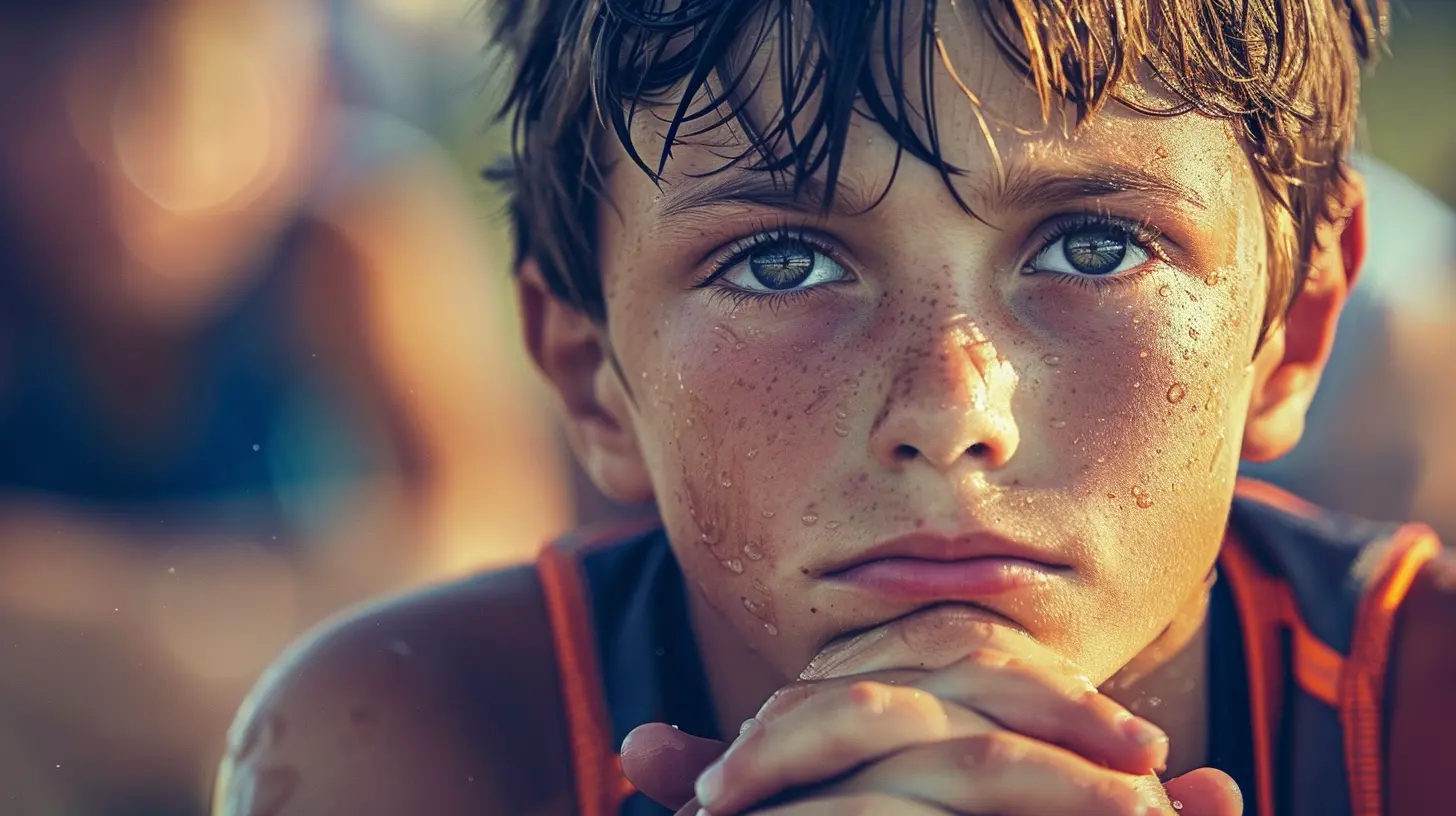
What Is Performance Anxiety in Young Athletes?
Before we talk solutions, let’s understand the beast we’re dealing with.Performance anxiety is that overwhelming nervousness and fear that creeps in before or during competition. Think of it as stage fright… but with a scoreboard. It’s more than just “butterflies.” It can mess with a child’s mindset, physical performance, and even dampen their love for the sport.
It might show up as:
- Avoiding practice or games
- Sudden headaches or stomachaches
- Negative self-talk (“I’m going to mess up.”)
- Freezing up mid-game
- Tearful meltdowns after a poor performance
Sound familiar? Don’t worry, you’re not alone — and neither is your kid.
Why Do Kids Get Performance Anxiety in Sports?
Let’s be honest — sports can be intense. With coaches yelling directions, parents screaming from the stands, and teammates relying on each other, it’s no surprise that kids feel the pressure.Here are a few common triggers:
- Fear of failure: No one wants to let the team down.
- Parental or coach pressure: Even well-meant encouragement can sometimes feel like a demand to "perform or else."
- Perfectionism: Some kids set sky-high standards for themselves.
- Comparison: Watching others succeed can make them doubt their own abilities.
Just like adults who get nervous before public speaking or big meetings, kids feel under the spotlight too. The difference? They’re still learning how to deal with those emotions.
How Do You Know If Your Child Is Struggling?
Sometimes, kids won’t come right out and say, “Hey, I’m anxious.” They might not even know exactly what’s going on. So, you’ll need to do a bit of detective work.Watch for:
- Mood swings before games or practices
- Changes in sleep or appetite
- Avoiding conversation about sports altogether
- Physical complaints on game day that mysteriously vanish afterward
If their passion for playing has turned into dread, that’s a huge red flag.
Your Role as a Parent: The Calm in the Chaos
Now for the good news — your support can make all the difference.Think of yourself as your child’s emotional anchor. When the waves of anxiety hit, your job isn’t to bail the water out of the boat — it’s to keep the ship steady.
Here’s how you can be that rock:
1. Keep the Focus on Effort, Not Outcome
Kids need to hear that it’s okay to lose — as long as they gave it their all. Celebrate hustle, teamwork, and improvement way more than points scored or trophies won.Try saying:
- “You worked really hard out there.”
- “I loved how you kept going after that tough play.”
Performance anxiety tends to chill out when the scoreboard isn’t the only thing that matters.
2. Ditch the Post-Game Interrogation
You’ve probably done it (we’ve all been there): The car ride home becomes a coaching session. “Why didn’t you take that shot? What happened on defense?”Instead, flip the script:
- “What was the best part of the game for you?”
- “How did you feel out there?”
Your child doesn’t need a critic — they need a cheerleader who lets them process their day on their own terms.
3. Help Them Reframe Mistakes
Kids often see mistakes as disasters. Help them see it as part of the learning curve.Approach it like this:
- “Everyone slips up — it means you’re trying something challenging.”
- “Messing up is how we get better, not a reason to quit.”
Think of mistakes like speed bumps, not roadblocks.
4. Teach Pre-Game Routines
Structure can be a secret weapon against anxiety. Encourage your child to develop a personal routine before games or practices. It could be listening to a favorite song, doing a funny handshake with a teammate, or saying a few positive affirmations.Make it fun — not a checklist.
5. Normalize the Nerves
Let your kid know they’re not weird for feeling nervous. Heck, even Olympic athletes talk about their pre-game jitters.Say things like:
- “Nerves mean you care.”
- “It’s totally okay to feel a little shaky before a big event.”
Once kids understand that nerves are just part of the game, they lose a lot of their power.
Tips to Build Confidence in Young Athletes
Confidence is the kryptonite of performance anxiety. So, how do we build it up, brick by brick?1. Set Achievable Mini-Goals
Instead of focusing on winning the whole game, try goals like:- “Stay aggressive even if you make a mistake.”
- “Keep your head up and watch your spacing.”
- “Encourage at least three teammates.”
These goals are within their control and help shift focus from fear to action.
2. Emphasize Practice Over Perfection
Remind them that greatness comes from repetition, not pressure.Say it often: “Practice is where mistakes belong. That’s how you get better.”
Let them see the grind is worth it — not something to dread.
3. Encourage Positive Self-Talk
You know that voice in our heads that can either lift us up or shrink us down? Kids have it too.Teach them to say:
- “I’ve trained for this.”
- “I can do hard things.”
- “One play at a time.”
If you hear them being hard on themselves, gently interrupt and help reframe the thought. It’s like rewiring their brain in real-time.
When to Step Back and Let Coaches Lead
As parents, it’s easy to slide into the coach role — especially if you know the sport yourself. But be careful. Sometimes too much “sideline coaching” can backfire.Let the coaches do their job. You picked them for a reason, right?
Your main job? Be the consistent, loving presence. That means fewer shouts during the game and more hugs after, no matter the score.
When Should You Seek Professional Help?
While most performance anxiety is manageable with support and patience, some cases go deeper.If your child:
- Is losing sleep or avoiding school because of sports
- Experiences panic attacks
- Has overwhelming fear before every event
…it might be time to talk to a sport psychologist or child counselor. And that’s okay! Mental health matters just as much as physical health, especially in youth sports.
Real Talk: What Not to Do (Even With the Best Intentions)
Sometimes, without meaning to, we accidentally make things worse. Here's a friendly nudge to be aware of these traps:- ❌ Don’t compare them to other kids (“Why can’t you play like Jordan?”)
- ❌ Don’t punish poor performance
- ❌ Don’t ignore their feelings
- ❌ Don’t make sports the most important thing in their world
You’re raising a person, not just a player.
Keep the Big Picture in Mind
Youth sports are about so much more than winning — they’re about growth, grit, and having fun. Your child is learning life lessons that will outlast their time on the field.Let’s raise kids who:
- Know their worth isn’t tied to a scoreboard
- Bounce back from failures
- Support others
- Show up, even when it’s tough
Now that’s what victory really looks like.
Final Thoughts
Helping your child overcome performance anxiety in sports isn't about eliminating nerves altogether. It's about giving them tools to manage those feelings and showing them it's safe to mess up, try again, and most importantly — enjoy the game.So next time you're lacing up their cleats or packing their gym bag, remind them (and yourself) why they started playing in the first place. Chances are, it wasn’t for the trophies. It was for the joy of the game — and that joy is still there, waiting to be rediscovered.
all images in this post were generated using AI tools
Category:
Youth SportsAuthor:

Uziel Franco
Discussion
rate this article
1 comments
Felicity Coleman
Understanding the root of your child's performance anxiety is crucial. Techniques like visualization and positive reinforcement can foster confidence, making sports a more enjoyable experience for them.
May 26, 2026 at 2:49 AM
Uziel Franco
Absolutely. Addressing the root causes and using techniques like visualization can truly boost their confidence and enjoyment in sports. Thanks for sharing!