How to Keep Youth Sports Fun and Competitive
20 February 2026
Let’s be real for a second—youth sports can sometimes walk a fine line between being a joyful experience and a pressure cooker. On the one hand, kids crave competition. They love to win, they love to score, and they love that adrenaline rush when the crowd goes wild. But on the other hand, if the stakes get too high or the fun disappears, they can start to burn out faster than a candle in a hurricane.
So, how do we strike the perfect balance between keeping things competitive but still making sure everyone’s actually having a good time? Glad you asked! Let’s break it down.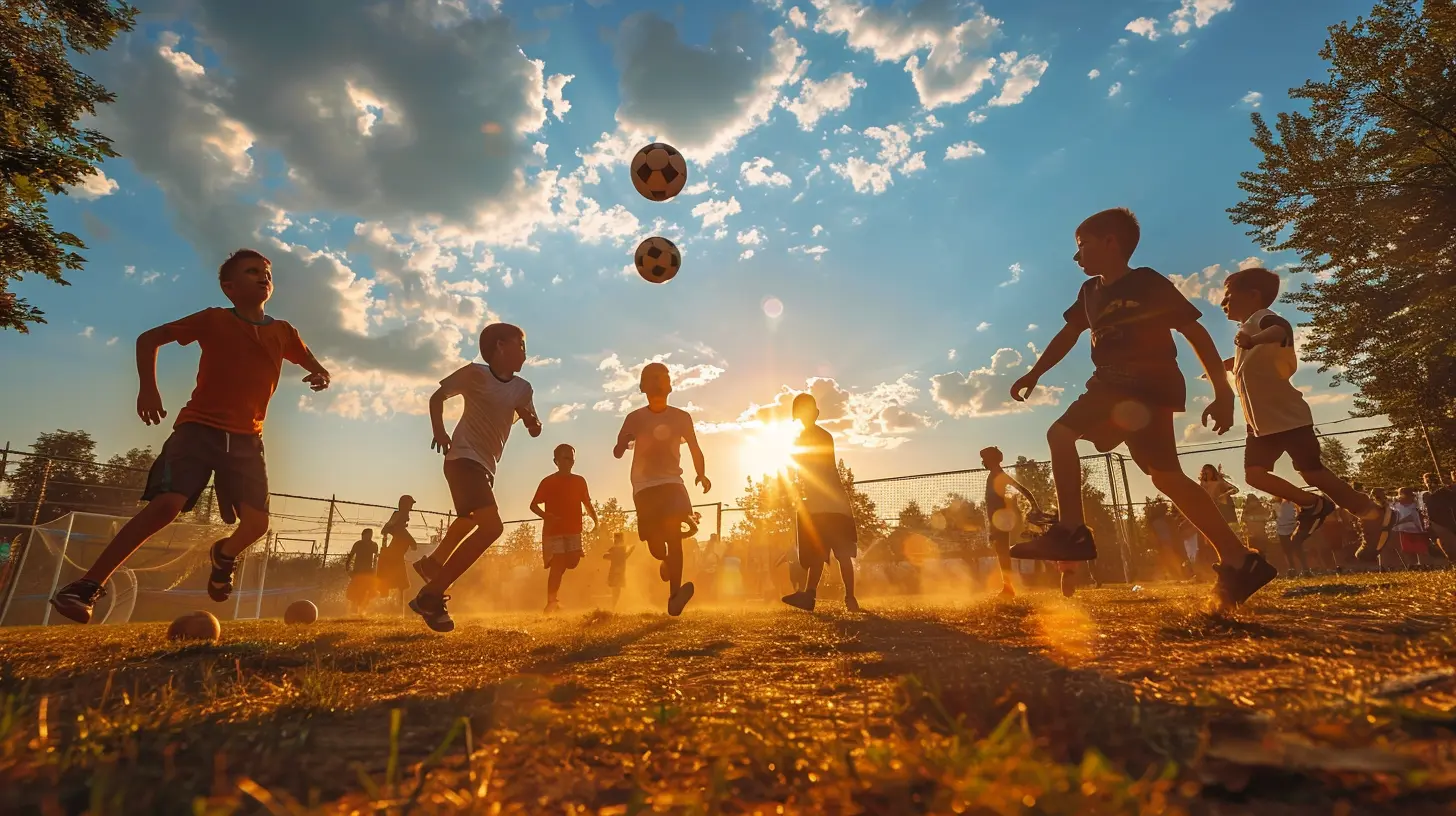
Why Youth Sports Matter More Than Just the Scoreboard
Before we jump into the nuts and bolts, it’s important to remember what youth sports are really about. Sure, winning feels great (who doesn’t love bringing home a trophy?), but it’s not the end-all, be-all.Youth sports teach life lessons—teamwork, discipline, time management, and bouncing back after a setback. It's a playground for learning how to deal with success and failure, both on and off the field.
But here's the twist: If it's not fun, kids won’t stick around long enough to learn.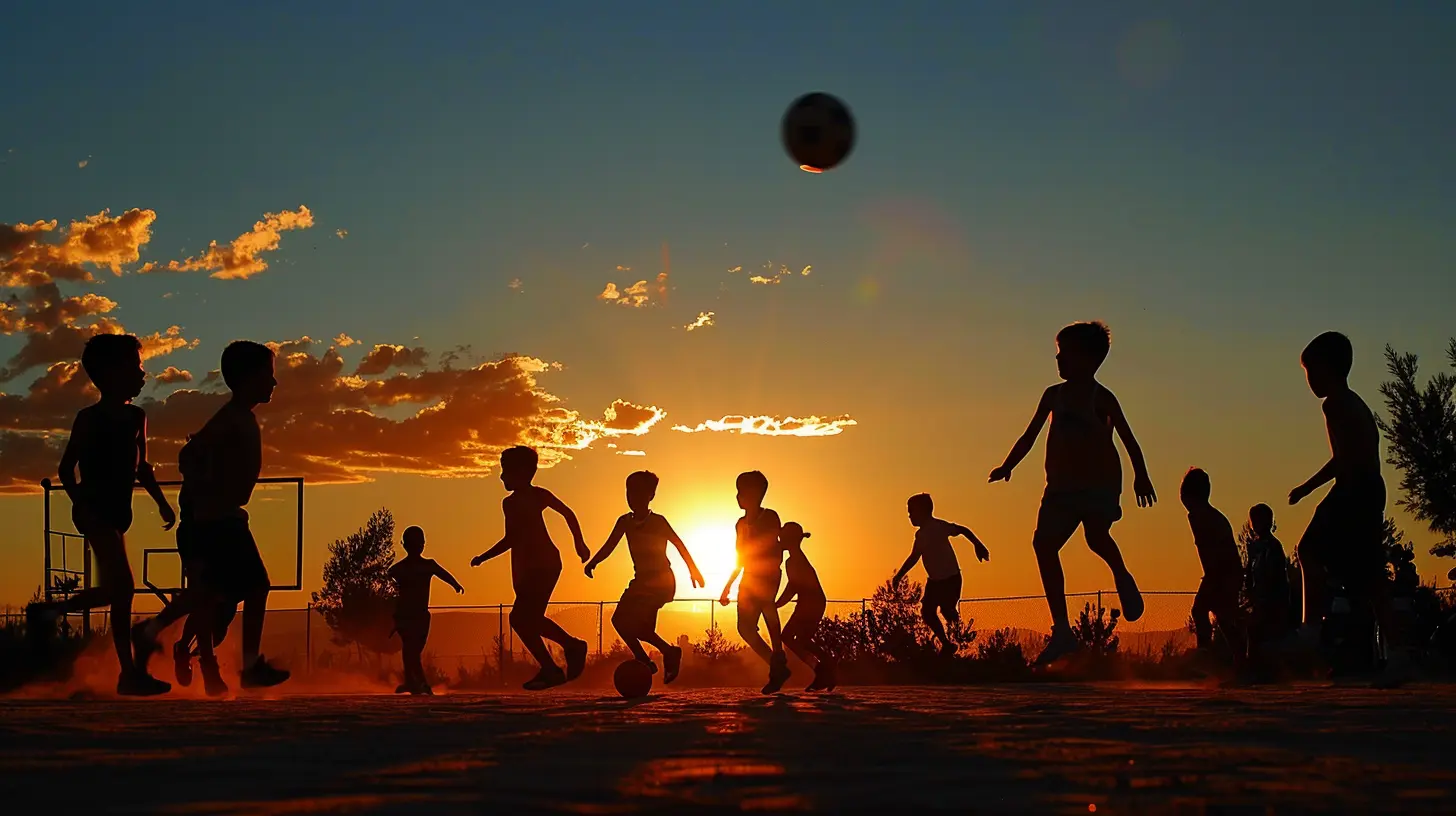
Let Kids Be Kids — Fun Comes First!
Let’s not forget the golden rule: kid sports should be… well, for kids! That means less shouting from the sidelines and more high-fives, goofy team chants, and celebratory dance moves—even if they just tied the game.🎉 Inject Enthusiasm in Every Practice
Coaches and parents, you’re the vibe-setters. If you come in every day with a serious, win-at-all-costs attitude, guess what the kids will absorb? Yep—stress and pressure.Instead, bring energy, praise efforts, and celebrate small wins. Did someone finally nail that tricky pass? Cheer wildly. Did your goalie block a shot with their face (ouch)? Maybe patch them up, then throw in some applause too.
😄 Emphasize Enjoyment Over Outcomes
A lot of kids drop out of sports before high school—often because it stops being fun. If we make every game feel like the World Cup final, we sap the joy out of it.Instead, shift the focus to growing and learning. Celebrate improvement. Reward hustle and heart, not just goals and stats.
Keep Competition Alive Without Crushing Spirits
Okay, we’re not saying scrap the scoreboards. Competition is healthy—it builds grit and teaches kids how to push themselves. But it needs to be age-appropriate, fair, and inclusive.🏆 Rethink Winning
Winning isn’t everything. (Yep, we said it.)Sure, competition can bring out the best in players. It pushes them to train harder, stay focused, and dream big. But if winning becomes the only goal, it creates pressure that can suck the soul out of the sport.
Instead, redefine winning to mean playing your best, improving every game, supporting your teammates, and showing good sportsmanship. Get kids to chase growth, not just trophies.
⚖️ Keep Teams Balanced
There’s nothing more frustrating for a young athlete than always being on the losing side—especially if it’s due to lopsided teams.Whenever possible, rotate players, mix abilities during scrimmages, and ensure everyone gets a chance to shine. Balanced competition builds confidence and gives every player a shot at glory.
🧠 Teach Healthy Rivalries
Rivalries can be exciting… when handled right. Encourage respect for opponents and avoid villainizing the “other team.” Playing hard doesn’t mean playing dirty. Teach kids that being competitive and being kind aren’t opposites—they’re teammates!
Coaching with Compassion: Be The Coach They Remember Forever
Think back to your youth sports days. Remember that one coach who made you feel like a superstar even when you messed up? Be that coach.👂 Listen Before You Lead
Kids will tell you what they need—if you’re listening. Some might be obsessed with competition. Others might just love playing with their friends. Tune into their motivations and coach accordingly.💬 Communicate Clearly and Positively
Forget the old-school “tough love only” model. Positive reinforcement works wonders. Instead of yelling what they did wrong, guide them on how to do it better. Build their confidence one nudge at a time.⏱️ Playtime = Development Time
If you’re coaching youth sports, everyone should get playing time. No bench warmers here! These years are development-focused, not Division I recruitment season. Rotate players, try them in different positions, and let them grow through experience.Parents in the Stands: Your Role is Bigger Than You Think
Parents, you’re the MVPs behind the scenes. Your support matters more than any fancy uniform or scoreboard.🙌 Keep it Supportive, Not Stressful
Cheer like crazy, but leave the coaching to the coaches. Kids need encouragement, not critiques on their drive home. Avoid the classic, “You should’ve done…” and try “I loved watching you play!” instead.🧘♂️ Watch Your Own Competitive Spirit
Sometimes, let’s admit it—we live a bit vicariously through our kids. If you find yourself getting heated during a peewee soccer match… take a breath. Remember, this is their journey.🗣️ Model Respectful Behavior
Kids are sponges. If they see parents arguing with refs or badmouthing other players, guess what behavior they’ll adopt? Be the example of respect, grace, and positivity—even if the call didn’t go your way.Make Practices More Engaging and Less Repetitive
Practices don’t have to be a drill sergeant’s boot camp. In fact, the more fun and creative your sessions are, the more kids will stay interested.🎮 Turn Drills into Games
Younger athletes (and, let’s face it, even teens) thrive on play. Take boring drills and turn them into mini games. Add a point system, compete in teams, or add a fun twist like silly challenges for losing teams (like crab-walking or singing the team chant).🎯 Set Mini Goals
Instead of vague goals like “get better,” help players set specific, manageable targets. “Make three solid passes in a row” or “take at least two shots on goal today.” These mini victories keep kids motivated and focused.Focus on Long-Term Love for the Game
We’re not raising the next batch of Olympians (okay, maybe a couple!)—we’re building future fans, weekend warriors, and happy human beings.🏃 Encourage Multi-Sport Play
Avoid the pressure to specialize too early. Let kids try different sports. It keeps them fresh, teaches new skills, and reduces burnout. Plus, cross-training can actually make them better athletes overall.❤️ Help Them Connect Emotionally
Talk about what they love about the sport. Is it the teamwork? The thrill of the game? The snacks after practice? (Hey, we’ve all been there!) Helping them articulate their “why” can reignite their motivation even after a bad game.Celebrate More Than Just Performance
When’s the last time we celebrated a great attitude? Or consistent attendance? Or a player who always cheers for teammates?🌈 Recognize Character-Based Achievements
Try awards like:- “Spirit of the Team”
- “Most Improved”
- “Best Team Player”
- “Hustle Award”
These encourage personal growth and team unity in ways statistics never will.
Keep Perspective in Check: The Bigger Picture
In the grand scheme of life, today's youth sports game is a chapter, not the whole story. The character built will last longer than any winning streak.Let’s foster environments where kids can fall in love with the sport, push themselves to be the best they can be, and—most importantly—have a blast doing it.
Because at the end of the day, if kids are smiling, sweating, and asking, “When do we play again?”... we’ve already won.
Final Thoughts
Balancing fun and competition in youth sports doesn’t have to be a tightrope walk. It’s about creating a culture where kids feel safe to try, fail, succeed, and most importantly—enjoy the game. Coaches, parents, and players all play a role. Together, we can keep youth sports exactly what they should be: a joyful, empowering, and unforgettable part of growing up.So tape up those cleats, pack the orange slices, and get ready to play. Not for the score—but for the smile.
all images in this post were generated using AI tools
Category:
Youth SportsAuthor:

Uziel Franco
Discussion
rate this article
2 comments
Iris McGuffey
Great article! Keeping youth sports fun and competitive is essential for fostering a love for the game. Encouraging teamwork, balancing competition with enjoyment, and celebrating small victories can make a world of difference for young athletes. Keep it up!
March 22, 2026 at 12:25 PM
Uziel Franco
Thank you! I completely agree—balancing fun and competition is key to nurturing a lifelong passion for sports. Your insights are spot on!
Amira Stevens
Great points! Balancing fun and competition is key to fostering lasting love for sports.
February 21, 2026 at 5:45 AM
Uziel Franco
Thanks for your thoughts! Striking that balance truly makes a difference.


![Underdog No More: The Meteoric Rise of [Player Name]](/pictures/blog/small/underdog-no-more-the-meteoric-rise-of-player-name_3.webp)