How to Mentally Prepare for High-Risk Sports
14 April 2026
High-risk sports aren’t for the faint of heart. We're talking about skydiving, motocross, BASE jumping, rock climbing, big wave surfing — the kind of sports that make your mom bite her nails and your heart skip a beat.
But here’s the thing — it’s not just about physical strength, skill, or stamina. Mental preparation is often the difference between performing at your best and completely unraveling under pressure. If your mind isn’t in the right place, your body won't follow.
So how do you get your head in the game when the stakes are sky-high and the risks are real? Buckle up, because we’re diving deep into how to mentally prepare for high-risk sports — and how to own it.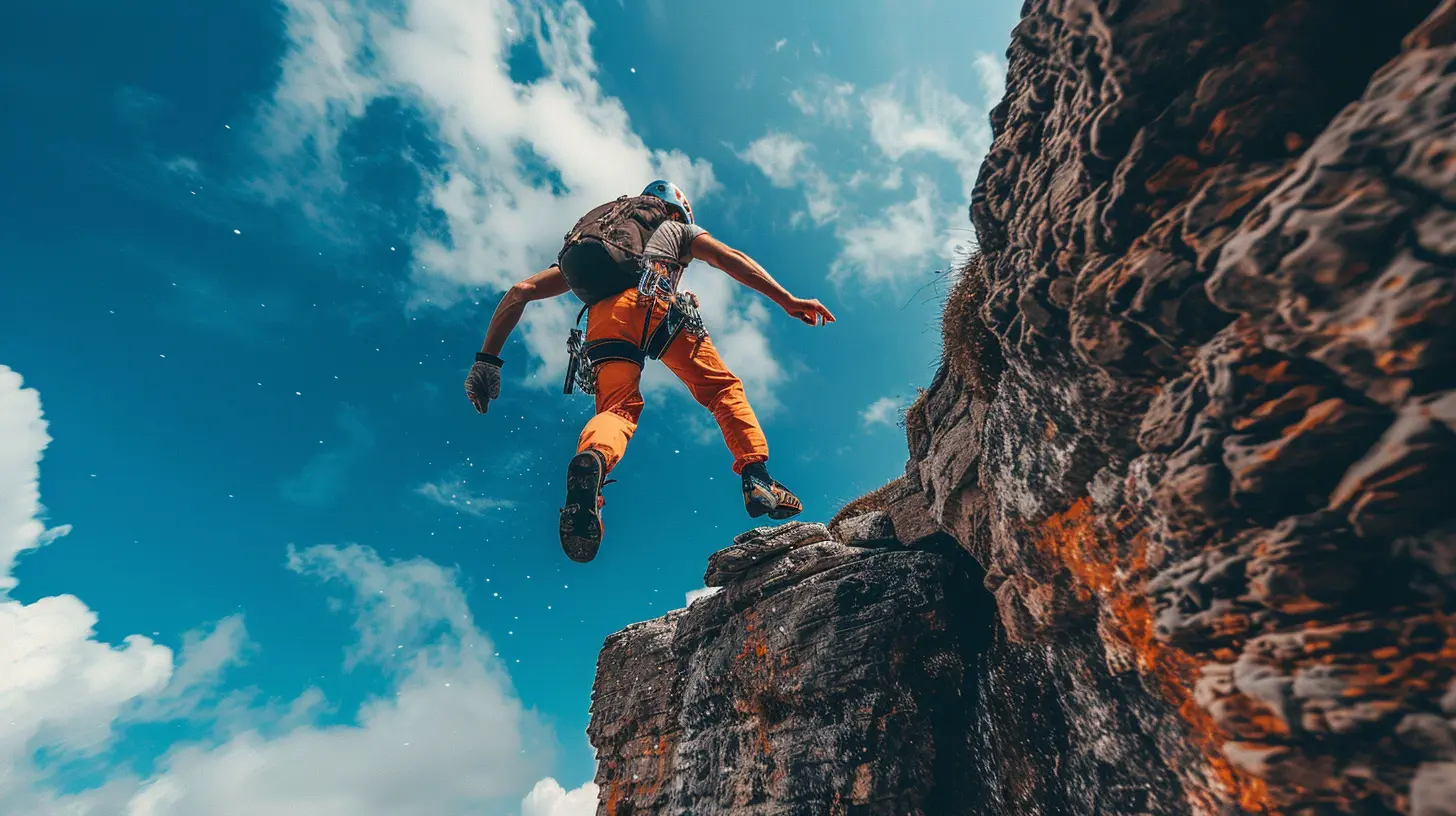
Why Mental Preparation is Everything in High-Risk Sports
Let’s be real: in extreme sports, fear is not just expected — it’s necessary. It keeps you alert, sharp, alive. But too much fear? That’s when things go sideways.Mental toughness, emotional regulation, and laser-sharp focus are your best friends out there. Whether you're dropping into a halfpipe or free soloing a mountain face, your decisions need to be clear, fast, and confident. Mental preparation builds a buffer between you and panic.
It’s Not Just About Confidence — It’s About Clarity
Confidence is great, but clarity under pressure? That’s gold. Athletes who crush high-risk sports know that being mentally prepared means controlling the chaos — within and around them.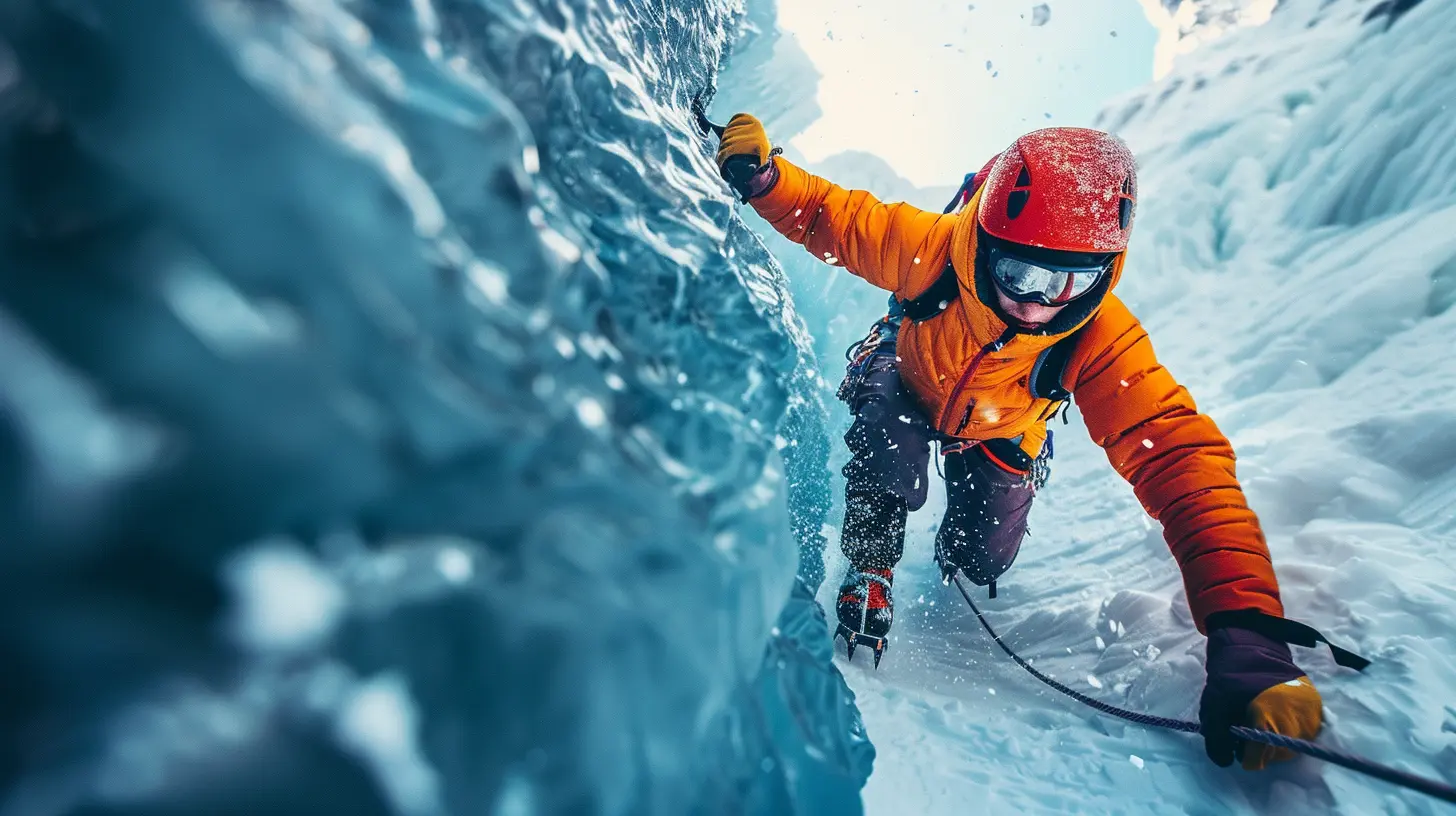
Step 1: Understand the Fear — Don’t Run From It
Yeah, fear is uncomfortable. But avoiding it only gives it more power. Mental prep starts by facing your fear head-on.Acknowledge the Risks
High-risk sports are, well... risky. Acknowledge that. Don’t sugarcoat it. It’s okay to say, “This could hurt,” or “I might fail.” You’re not being negative — you're being honest.When you acknowledge risk, you're not inviting failure — you're preparing for it. That’s how you move from anxiety to awareness.
Reframe the Fear
Fear = excitement with a bad reputation. Instead of letting fear paralyze you, flip the script. Think of fear as your mind’s way of saying, “Pay attention!” Channel that energy into focus and action.
Step 2: Visualize Like a Pro
Mental rehearsal is no woo-woo nonsense. Top-level athletes use visualization as a key tool in their training.Picture Every Detail
Close your eyes and go through your sport step-by-step. Picture the gear, the weather, your hands gripping the rope, the wind on your face, the drop beneath your skis. The more detailed the visualization, the better.Studies show your brain lights up like a Christmas tree when you visualize — almost as if you're physically doing the thing. So yeah, it’s like free training for your brain.
Visualize Adversity Too
Don’t just imagine everything going right. That’s fantasy. Mentally walk through scenarios where you slip, fall, or bail out. See yourself recovering, staying calm, bouncing back. That’s where confidence is built — in the recovery.
Step 3: Build a Mental Routine
Your body has a warm-up routine — your brain needs one too.Pre-Performance Rituals
Create a pre-performance routine that centers you. This could be a breathing exercise, a mantra, even a specific playlist that gets you in the zone.Why does this work? Because routines signal to your brain that it’s go-time. Rituals cut out the noise and prime your mental state for performance.
Keep It Consistent
Don’t overthink it. Keep your routine short, sweet, and consistent. The more you repeat the same mental cues before a performance, the more your brain associates them with flow state.Step 4: Train Like You Compete
One of the biggest mental mistakes? Saving your “real” effort for game day. That’s like showing up to a marathon without ever running more than a mile.Simulate the Stress
Put yourself in high-pressure situations during practice. Add time limits. Invite an audience. Use your full gear. Anything that replicates the stress of real competition builds mental resilience.This is about normalizing discomfort. The more familiar your brain is with pressure, the less it panics when it counts.
Step 5: Master the Breath
Your breath is the fastest way to control your mind. When adrenaline spikes, your heart races, and your limbs go shaky, breathing brings you back.Box Breathing
One of the best breathing techniques out there is box breathing — in for 4, hold for 4, out for 4, hold for 4. Simple, powerful, effective.Try it during your practice sessions, before a race, or mid-fall if needed. It slows your heartbeat, clears your mind, and keeps that fight-or-flight mode in check.
Step 6: Embrace the Process, Not Just the Outcome
Here’s a hard truth: sometimes, you’ll fail. You’ll crash. You’ll lose. That’s the game when you play at the edge.Rewire Your Goals
Instead of obsessing over outcomes, focus on execution. Think: “Did I follow my landing technique?” instead of “Did I win?”Process-based goals reduce fear of failure and boost confidence because they’re within your control. Wins will come as a byproduct.
Step 7: Build a Mental Toolbox
You can’t rely on just one mindset trick. Like any good athlete, you need a toolbox.Mantras
Create a phrase that centers you. Something like “Breathe and commit,” or “Strong, smart, safe.” Repeat it until it becomes second nature.Anchor Moments
Recall past wins — not just triumphs, but times you overcame struggles. These memories anchor your mind to confidence and remind you, “I’ve done hard things before. I’ll do it again.”Focus Points
When fear creeps in, the mind spirals. Pick a focus point — a sound, a sight, a physical cue — and return to it. This keeps your mind grounded in the present where performance lives.Step 8: Train Your Mind Daily — Yes, Daily
You don’t build biceps with one gym session. Same goes for your mental game.Journaling
Reflect on your training, your wins, your doubts. What worked? What freaked you out? What helped you bounce back? This creates self-awareness and momentum.Meditation
Even 10 minutes a day can increase your focus, reduce anxiety, and train your brain to be here, now. And in high-risk sports, "now" is everything.Step 9: Choose Who You Surround Yourself With
Your crew matters. Whether it's a coach, teammates, or training buddies — their energy, words, and mindset rub off on you.Go for Growth-Minded People
You want people who push you, support you, and call you out when you’re slacking. Avoid energy vampires who feed fear or doubt.Being surrounded by mentally tough people makes you tougher too. Iron sharpens iron, right?
Step 10: Know When to Rest
This one’s big. Mental burnout is real, and it’s deadly in high-risk sports.Listen to the Signals
If your motivation's gone, your sleep’s off, or you’re dreading getting back out there — press pause. You’re no good to anyone when you’re running on fumes.Rest isn’t a weakness. It’s a weapon. Strategic rest resets your mental game and helps you come back stronger.
Final Thoughts: Mental Strength is a Choice
Here’s the truth: everyone feels fear. Everyone faces doubt. What separates elite high-risk athletes from the rest isn’t that they don’t feel it — it’s that they’ve trained to move through it.Mental strength is a skill. It’s not given — it’s built. Day by day, thought by thought, breath by breath.
So the next time you’re staring down a cliff, a wave, a ramp, or a jump — you won’t just hope you’re ready. You’ll know you are.
all images in this post were generated using AI tools
Category:
Extreme SportsAuthor:

Uziel Franco
Discussion
rate this article
2 comments
Tracie McDaniel
This article provides valuable insights into mental preparation for high-risk sports. Emphasizing focus, visualization, and resilience is crucial for athletes aiming to enhance performance and manage risk effectively.
June 5, 2026 at 3:59 AM
Uziel Franco
Thanks for your feedback! I'm glad you found the insights on focus, visualization, and resilience useful for athletes.
Ramona West
Mental preparation for high-risk sports hinges on cultivating focus, resilience, and visualization techniques. Athletes must embrace uncertainty, harnessing mental discipline to enhance performance and navigate challenges while minimizing fear and maximizing confidence.
April 22, 2026 at 12:03 PM
Uziel Franco
I agree completely. Mental preparation is essential in high-risk sports. Building focus and resilience helps athletes tackle uncertainties and boosts their confidence when it matters most.

![From Rookie to Superstar: [Player Name]s Impact on the League](/pictures/blog/small/from-rookie-to-superstar-player-names-impact-on-the-league_3.webp)