Preventing Burnout in Youth Sports: Signs to Watch For
11 July 2026
Let’s face it—kids are busier than ever, and youth sports, while amazing for development, can turn from fun to flat-out exhausting if we’re not careful. What starts as a hobby can quickly feel like a high-pressure job. Sound familiar? That’s burnout knocking on the door.
Whether you're a parent, coach, or just someone who cares about the well-being of young athletes, spotting burnout early (and taking steps to prevent it) is absolutely crucial. Let's dive into the warning signs, what causes burnout in young athletes, and how we can help them keep their passion alive—without burning the candle at both ends.
What Exactly Is Burnout in Youth Sports?
Burnout in youth sports is more than just feeling tired after a long game. It’s a mix of physical exhaustion, emotional fatigue, loss of motivation, and in some cases, a complete withdrawal from the sport altogether.Imagine flames slowly dying out on what was once a roaring fire—that's burnout. It’s when the joy gets replaced by dread, and a once energetic child becomes unrecognizable in terms of enthusiasm and drive.
And here’s the trickiest part: it doesn’t happen overnight. It’s a slow build-up—and that's why recognizing the signs early is key.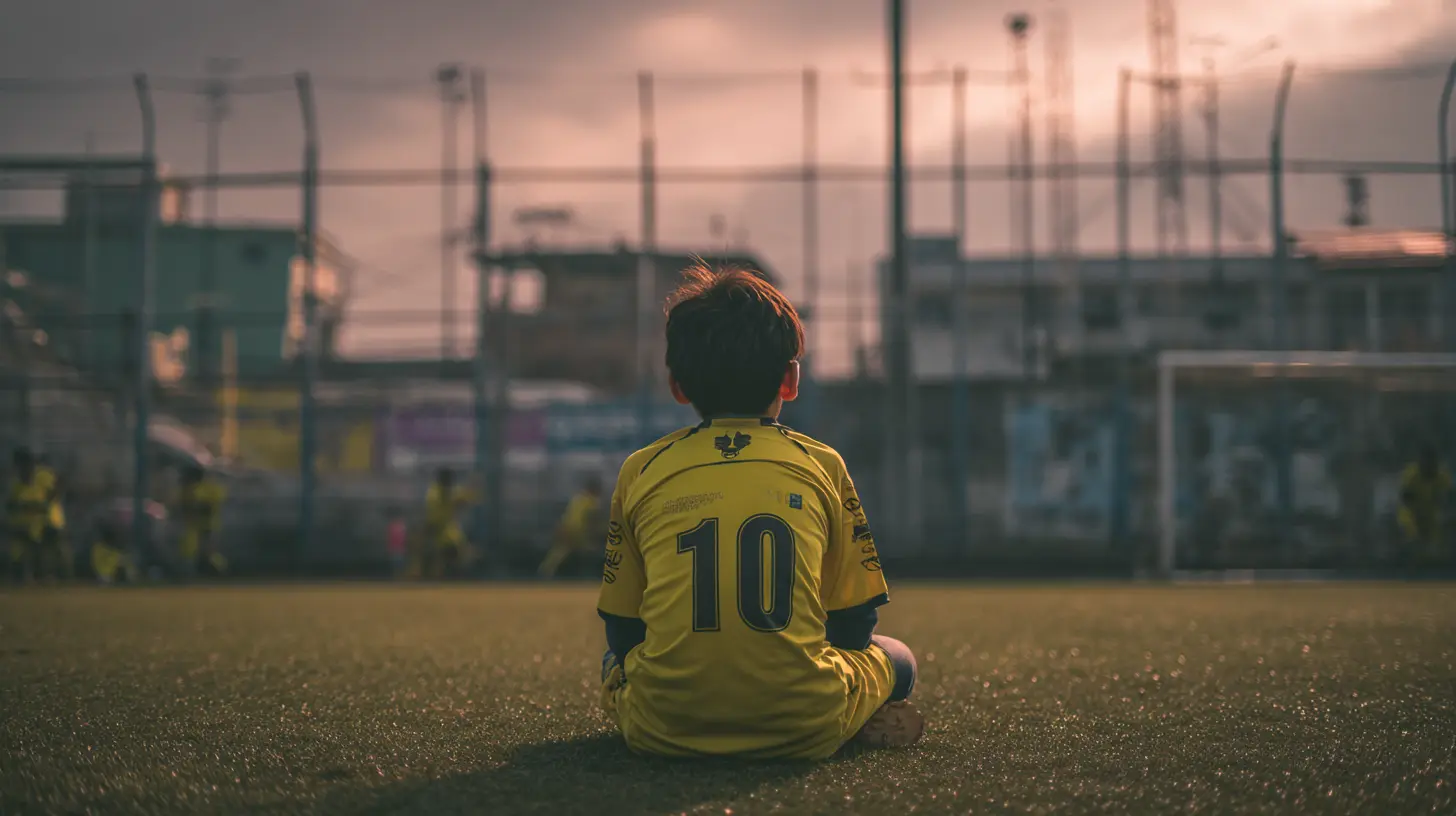
Why Are Kids Burning Out?
Let’s be real—today’s youth sports scene is intense. Specialized training. Year-round tournaments. Early morning practices. Private coaches. Pressure to earn scholarships. Social media highlight reels. It’s enough to wear out even a seasoned adult, let alone a 12-year-old.Here are a few reasons why burnout is becoming more common:
- Over-Scheduling: When kids are bouncing between school, practice, homework, and back-to-back games, there’s little time to just… be a kid.
- Pressure to Perform: Parents, coaches, recruiters—even peers—can unintentionally pile on the pressure.
- Lack of Variety: Many kids are forced (or nudged) into specializing in one sport way too early, leading to repetitive stress (physically and mentally).
- No Time Off: The body needs rest. The mind needs variety. But in competitive youth sports, breaks are often rare.
Ring a bell? Let’s break down the red flags you should watch for.
Red Flag #1: Loss of Interest
This is the big one. If your child used to light up before a game and now drags their feet to practices, that’s a major clue.Is your athlete suddenly saying things like:
- “I just don’t care anymore.”
- “Do I have to go?”
- “I wish I could quit.”
That’s not just a bad day—it might be burnout peeking through.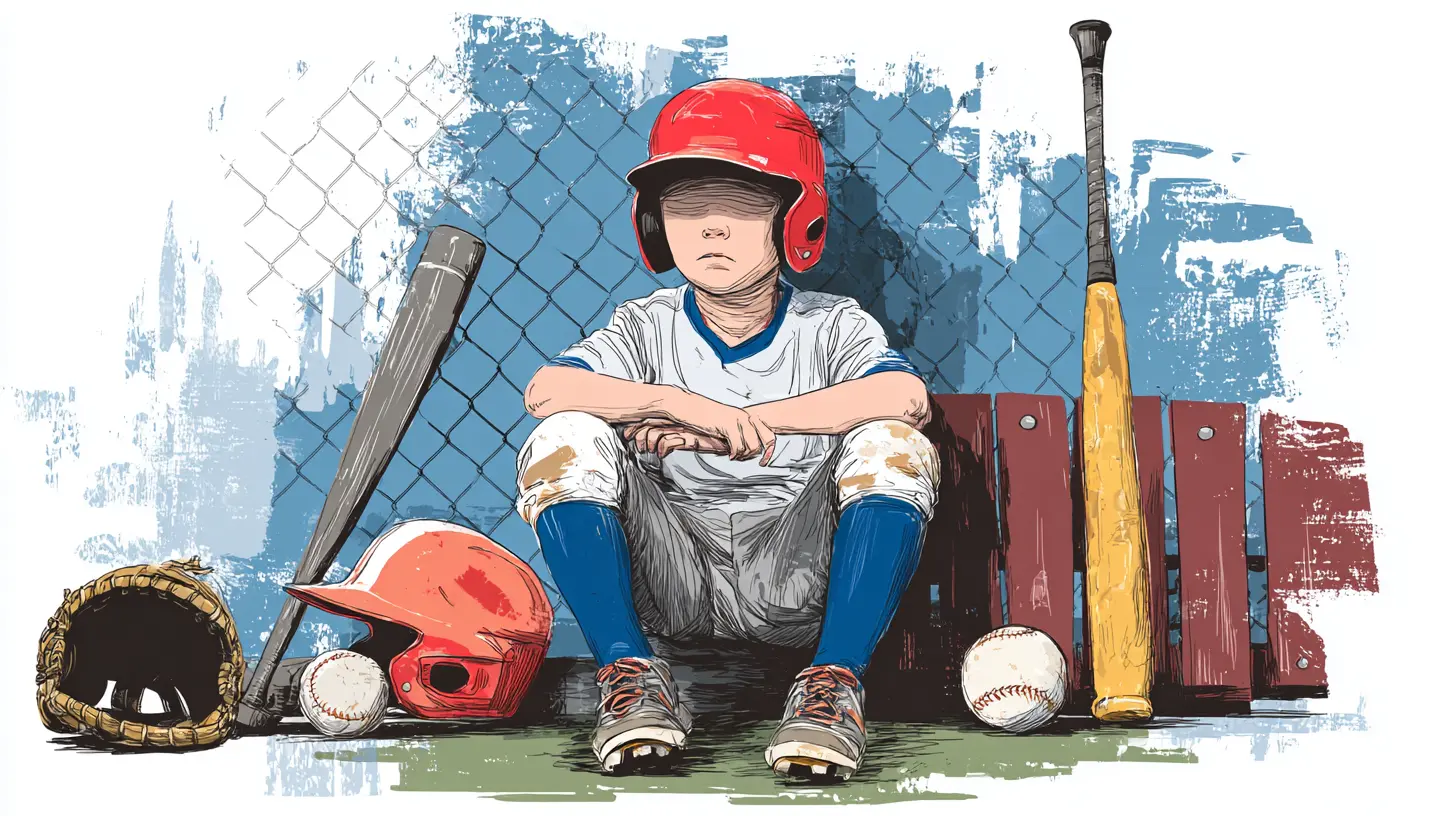
Red Flag #2: Mood Swings or Irritability
We all get moody sometimes (hello, growing pains), but if your child is constantly irritated, anxious, or uncharacteristically withdrawn, it could be more than hormones or a bad game.When mental energy gets zapped from constant stress, it affects emotions too. You might notice:
- Snapping at small things
- Losing patience quickly
- Increased anxiety around performance
Don’t brush it off as teen attitude—dig a little deeper.
Red Flag #3: Physical Complaints Without Clear Cause
Sure, sports involve bumps and bruises. But if your kid frequently complains about headaches, stomachaches, or is always “sore” without a recent injury, it might be stress manifesting physically.Burnout doesn’t just hit the brain—it hits the body too.
Red Flag #4: Decline in Performance
Burnout can sabotage concentration, reaction time, and motivation—all critical for athletic performance. So if your all-star suddenly isn’t performing like usual (and it's not just a slump), it could be a symptom of mental fatigue.Ask yourself:
- Are they still putting in the same effort?
- Do they seem distracted on the field?
- Are they second-guessing themselves more?
The answers might point toward burnout.
Red Flag #5: Isolation or Withdrawing from Teammates
Sports are social. When your child stops wanting to hang out with teammates or seems disconnected during team activities, that’s a subtle sign something’s off.Burned-out athletes often isolate themselves—not because they don’t like their friends, but because every part of the sport starts to feel draining, even the fun stuff.
Red Flag #6: Loss of Confidence
Confidence is tough to build and easy to lose—especially when anxiety and stress take center stage. A child who once scored goals with swagger might now hesitate or fear making mistakes.Burnout and self-doubt love to walk hand in hand. Don’t let your athlete’s identity become entangled only in their performance.
Red Flag #7: Trouble Sleeping
Sleep is essential for recovery. But when kids are overwhelmed, sleep can take a hit. They might:- Struggle to fall asleep
- Wake up frequently
- Feel exhausted even after a full night’s rest
Burnout messes with the body’s rhythm. If bedtime has turned into a nightly struggle, pay attention.
So, How Do We Actually Prevent Youth Sports Burnout?
Good question. And fortunately, there are real, actionable steps we can take to keep kids thriving—in sports and in life.1. Prioritize Rest and Recovery
Let’s normalize rest. It’s not a sign of weakness; it’s a performance enhancer.Encourage:
- At least one full day off per week
- Scheduled breaks between seasons
- Adequate sleep every night
Sleep isn't optional. It’s fuel.
2. Encourage Multi-Sport Participation
Playing multiple sports isn’t just fun—it promotes better overall athletic development and drastically reduces the mental fatigue of doing the same thing year-round.Think of it like cross-training for the brain and body.
3. Keep It Fun and Fresh
If it stops being fun, what’s the point?Mix up training. Use games during practice. Celebrate effort just as much as wins. And for the love of all things sweaty and competitive, let kids be kids.
4. Set Realistic Expectations
Not every kid is going pro—and that’s perfectly okay.Make sure expectations from parents, coaches, and kids themselves are grounded in reality. Focus on growth, teamwork, and life skills—not just stats and trophies.
5. Encourage Open Communication
Create an environment where your child feels safe to say, “I’m tired,” or “I’m not enjoying this right now.”Listen without judgment. Don’t jump to fix things right away. Sometimes, just being heard is powerful.
6. Monitor Signs Closely
Be proactive. Keep an eye on their mood, energy levels, and general vibe. A quick weekly “mental check-in” can go a long way in catching burnout before it snowballs.Ask open-ended questions like:
- “What was the best part of practice today?”
- “What are you looking forward to in the next game?”
- “Is there anything you'd change about your schedule?”
What to Do If Burnout Hits
Sometimes, despite our best efforts, burnout happens. And that’s okay. The key is how we respond.Here’s what to consider:
Take a Break
Time away from the sport—even just for a couple weeks—can work wonders. Mental reset? Yes, please.Reevaluate Goals
Talk with your child about what they want. Not what you, the coach, or anyone else wants—what they genuinely enjoy and need.Explore Other Interests
Let them dabble in music, arts, reading, or just hanging out with friends more. A well-rounded life leads to a well-balanced athlete.Consider Professional Support
If signs of stress, anxiety, or depression creep in, consider talking to a counselor or sports psychologist. Mental health matters just as much as physical conditioning.Final Thoughts
Youth sports can be one of the most rewarding, character-building experiences in a child's life. But only when it’s done right.Burnout isn’t a rite of passage. It’s a warning sign that something needs to shift.
Let’s commit to keeping sports joyful, pressure in check, and our young athletes thriving—not just as players, but as people.
Look out for the signs. Be their safe space. Celebrate the journey more than the scoreboard.
Because when kids love what they do, they’ll work harder, play longer, and most importantly, live healthier.
all images in this post were generated using AI tools
Category:
Youth SportsAuthor:

Uziel Franco