Running at Altitude: The Ultimate Guide for Endurance Athletes
9 February 2026
So, you're thinking about running at altitude? Maybe you're getting ready for a race in the mountains, or perhaps you're just curious about how higher elevations can impact your performance. Either way, you're in the right place.
Running at altitude isn't just about lacing up your shoes and hitting the trail a few thousand feet above sea level—it’s a whole different beast. It's like trying to breathe through a straw while doing hill sprints. Sounds fun, right? (Don’t worry—it’s more rewarding than painful if you prepare the right way.)
In this ultimate guide, we’ll break down everything you need to know about altitude training, how it affects your body, what to expect, how to adapt, and most importantly—how to harness its power to become a stronger, faster runner.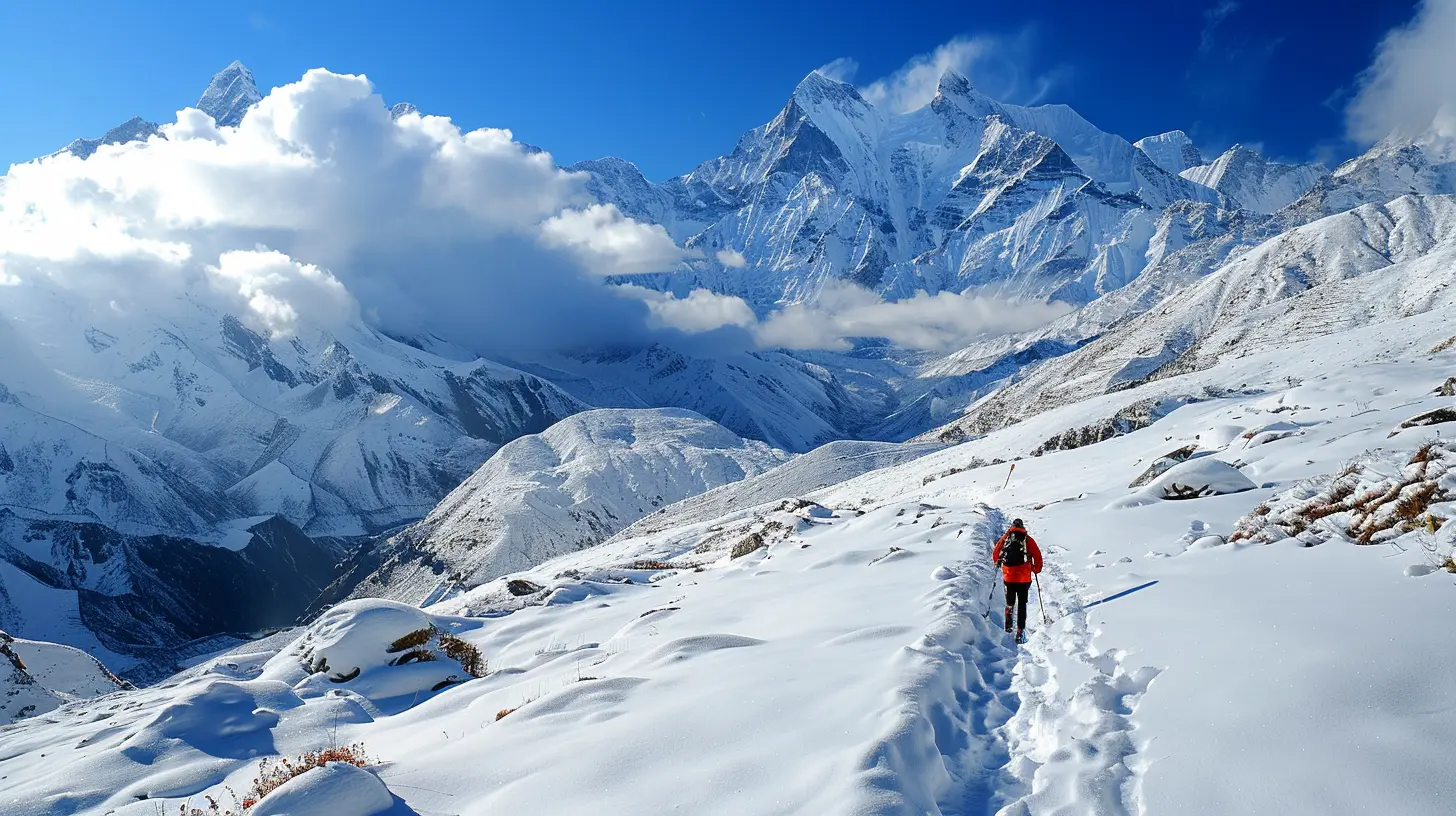
🏔️ What Exactly Is “Altitude” in Running?
Let's clear something up first. When we talk about "altitude" in endurance sports, we’re usually referring to elevations above 5,000 feet (1,500 meters). At these heights, the air is thinner, oxygen levels are lower, and your body has to work harder just to keep up.Here’s a quick breakdown:
- Sea Level to 4,000 feet: Minimal impact on performance.
- 4,000 to 8,000 feet: Moderate altitude, where most runners start feeling it.
- 8,000 to 12,000 feet: High altitude—you’ll definitely feel the burn.
- 12,000+ feet: Very high altitude. Handle with care and experience.
Altitude running is often done in places like Boulder, Colorado, or Flagstaff, Arizona—hotspots for elite runners. Why? Because training where oxygen is scarce leads to physiological improvements that make sea-level competition feel like a breeze.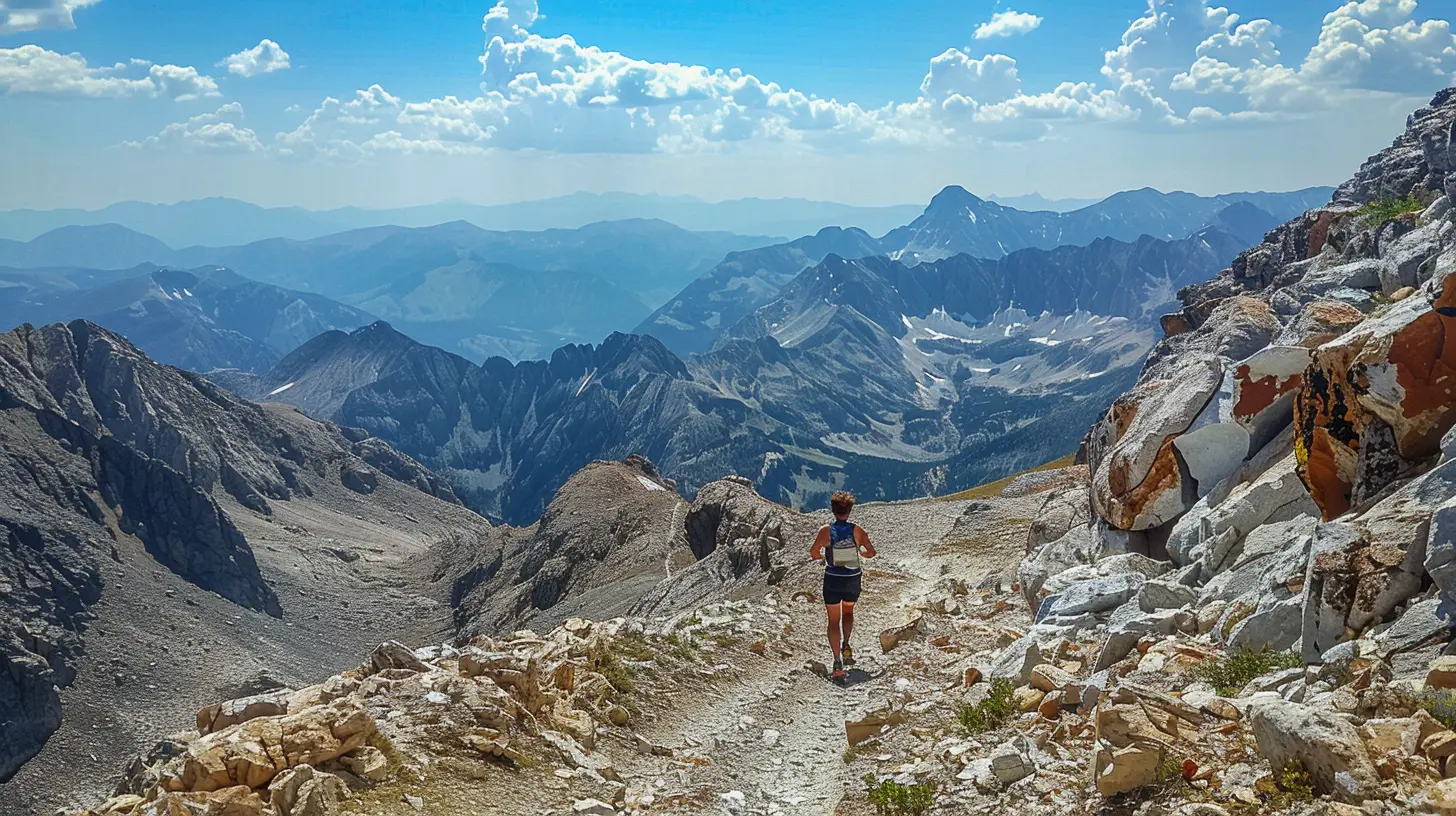
🫁 What Happens to Your Body at Altitude?
Okay, so why is altitude such a big deal for endurance athletes?Lower Oxygen = Higher Challenge
At altitude, the air pressure drops, meaning there's less oxygen in each breath you take. That sounds small, but for your working muscles, it's a game-changer. Your blood carries less oxygen, your heart beats faster, and your breathing becomes more shallow and rapid.Imagine driving a car up a mountain with less fuel in the tank—it’s going to struggle. That’s your body at altitude for the first few days (or weeks).
The Body’s Adaptive Superpowers
Here’s the cool part: your body doesn’t just suffer; it adapts.Over time—typically 2-3 weeks at altitude—your body starts producing more red blood cells to better transport oxygen. Your VO2 max may initially drop, but it rebounds stronger, and when you return to sea level, you often feel like a superhero.
This is why altitude training is so popular—it temporarily stresses your system to trigger long-term performance gains.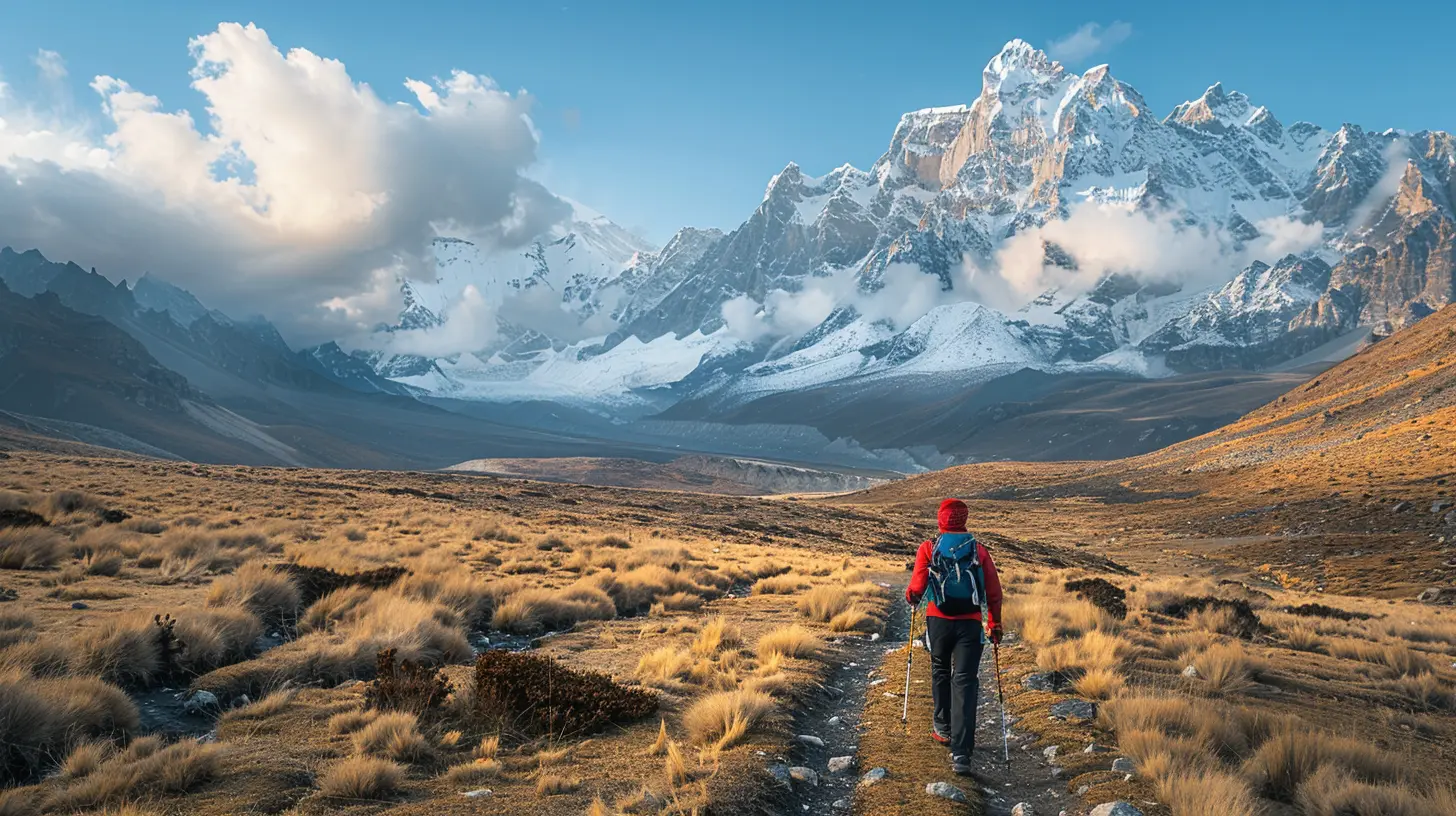
🧠 Mental Challenges You Shouldn’t Ignore
Running at altitude isn’t just a physical grind—it’s a mental one too. You might feel slower, more tired, or even a little discouraged, especially early on. That’s normal.You might ask yourself:
- "Why does a 9-minute mile feel like sprinting?"
- "Am I out of shape?"
- "Will I ever adjust?"
Trust me—you’re not alone. Your body is simply working overtime. Give yourself grace. Be patient. Hydration, sleep, and recovery are your best friends up there.
⏱️ How Long Does It Take to Adapt?
You’ll feel the altitude almost immediately, but true acclimatization takes time.Here’s a rough timeline:
- Days 1–3: You’ll likely feel sluggish. Expect elevated heart rate, possible headaches, shortness of breath, and poor sleep.
- Days 4–7: Your body starts producing more red blood cells and improving oxygen transport.
- Weeks 2–3: You begin to stabilize, and workouts feel more manageable.
- After 3+ weeks: Your altitude adaptations really kick in. You’re now genuinely altitude-acclimated.
Pro tip? Plan at least 2–3 weeks at altitude if you’re training for a big event. If that’s not possible, arriving just 1–2 days before race day may actually be better than 5–7 days—since the body tends to struggle most during that in-between phase.
🥤 Hydration and Nutrition at Altitude
You might think, “I drink enough water at sea level—I’m good, right?”Not quite.
At altitude, you lose more fluids through respiration, and your kidneys process more urine due to the increased diuresis (a fancy word for peeing more). This means dehydration creeps in fast, and it can make you feel more fatigued and sluggish.
Tips for Staying Hydrated:
- Drink small amounts frequently—don’t just chug a liter all at once.- Add electrolytes to help balance fluids and prevent cramping.
- Eat hydrating foods like fruits and veggies.
And don’t overlook iron-rich foods. Since altitude training ramps up red blood cell production, your body burns through iron faster. Incorporate things like spinach, lean meats, or even an iron supplement (after checking with a doc).
🏃♂️ How to Train at Altitude (Without Burning Out)
When you first get to altitude, slow down—even elite runners do.Start by cutting back your intensity and volume. Your body needs that runway to adjust. Think of it like easing into a cold pool—you don’t cannonball in.
Week 1 Suggestions:
- Stick to easy runs.- Limit pace-based workouts. Use perceived effort or heart rate instead.
- Prioritize recovery days.
Week 2 and Beyond:
- Gradually add in intervals or tempo work—but reduce reps or the intensity slightly.- Hill workouts are great—help build strength without needing speed.
- Keep long runs comfortable, and don’t obsess over pace.
You’ll likely still be slower than your sea-level times—and that’s okay. The goal is efficiency and adaptation.
📍 What If I Can’t Travel to Altitude?
Don’t worry—training at altitude isn’t off-limits just because you live at sea level.You’ve got a few tools in your belt:
Altitude Tents or Masks
Some athletes use hypoxic tents or masks to simulate high-altitude environments while sleeping or doing training sessions. These tools can help trigger similar red blood cell adaptation, although the science is still mixed on how effective they are compared to real altitude.“Live High, Train Low”
This is the gold standard if you're lucky enough to make it work—live at altitude, but train at lower elevations to maintain workout quality. Elite runners flock to places like Mammoth Lakes, where this combo is possible.🏁 Racing at Altitude: What to Expect
Running a race at altitude? Here’s the truth—it’s going to feel harder. But that doesn’t mean you can't crush it.Lower oxygen levels mean your VO2 max drops, and your muscles fatigue faster. So pacing becomes more crucial than ever.
Race Day Tips:
- Start slower than you think you should.- Hydrate well in the days before—especially if you’re coming straight from sea level.
- Expect slower finish times, but don’t let the ego ruin the day.
- Use effort-based strategies over pace-based ones.
If you’ve trained smart—or even just taken time to acclimate—you’ll stack the odds in your favor.
💪 Benefits of Altitude Training for Endurance Athletes
Now for the good stuff—why it's all worth it.1. Increased Red Blood Cell Count
This is the main goal. More red blood cells mean more oxygen-carrying power. You turn into an aerobic machine.2. Boosted VO2 Max and Aerobic Efficiency
After returning to sea level, many runners feel like they can go longer, stronger, and faster with less effort. It’s like your body’s upgraded its oxygen delivery system.3. Mental Toughness
Let’s be honest—training up high builds grit. You learn how to suffer smart, listen to your body, and keep showing up when it’s hard. That carries over into race day and everyday life.⚠️ Risks and Precautions
Altitude training isn’t all sunshine and PRs. There are some genuine risks if you push too hard, too soon.Watch for:
- Altitude sickness (headache, nausea, dizziness)- Overtraining (due to extra physical stress)
- Dehydration
- Insomnia (common early symptom)
Listen to your body. If something feels wrong, back off. No workout is worth wrecking your health.
❤️ Final Words: Embrace the Journey
Running at altitude isn’t just a training strategy—it’s a journey. It challenges you, slows you down, and then—if you stick with it—it builds you up stronger than ever.So if you’re standing at the base of a mountain, wondering if you’ve got what it takes, the answer is: yes. Just go slowly. Respect the process. Fuel your body. Hydrate like a camel. And when in doubt, let your breath be your guide.
Whether you’re an elite chasing a new PR or a weekend warrior looking for a new adventure, altitude can elevate not just your fitness—but your entire mindset.
Keep climbing. You’ve got this.
all images in this post were generated using AI tools
Category:
Endurance SportsAuthor:

Uziel Franco
Discussion
rate this article
2 comments
Brittany McGuffin
This article effectively highlights the physiological benefits and challenges of altitude training for endurance athletes. By understanding adaptations and carefully managing training loads, athletes can optimize performance, making it a crucial read for those seeking a competitive edge.
March 9, 2026 at 12:41 PM
Uziel Franco
Thank you for your thoughtful comment! I'm glad you found the article helpful in understanding the benefits and challenges of altitude training for endurance athletes.
Jaxon Mason
Great insights on overcoming altitude challenges! Essential read for serious endurance athletes.
February 11, 2026 at 5:24 AM
Uziel Franco
Thank you! I'm glad you found it insightful. Safe running!