Scuba Diving Into the Abyss: Exploring the Worlds Deepest Caves
18 March 2026
Ever wonder what lies in the deepest corners of our planet—those dark, flooded tunnels that time seems to have forgotten? Picture this: you're underwater, your breath echoing in your ears, lights flickering off ancient rock formations, and a palpable silence hanging in the water. You’re not just scuba diving anymore—you’re descending into the abyss.
This isn’t your sunny reef dive in crystal-clear Caribbean waters. No, diving into underwater caves is a whole different beast. It's like nature’s version of tightrope walking... underwater... in the dark. Yeah, it's not for the faint-hearted. But to those bold enough to explore the depths, the reward is out of this world.
Let’s dive headfirst into the mystery of the world’s deepest underwater caves, and why these submerged cathedrals capture the imagination (and nerves) of the bravest divers on the planet.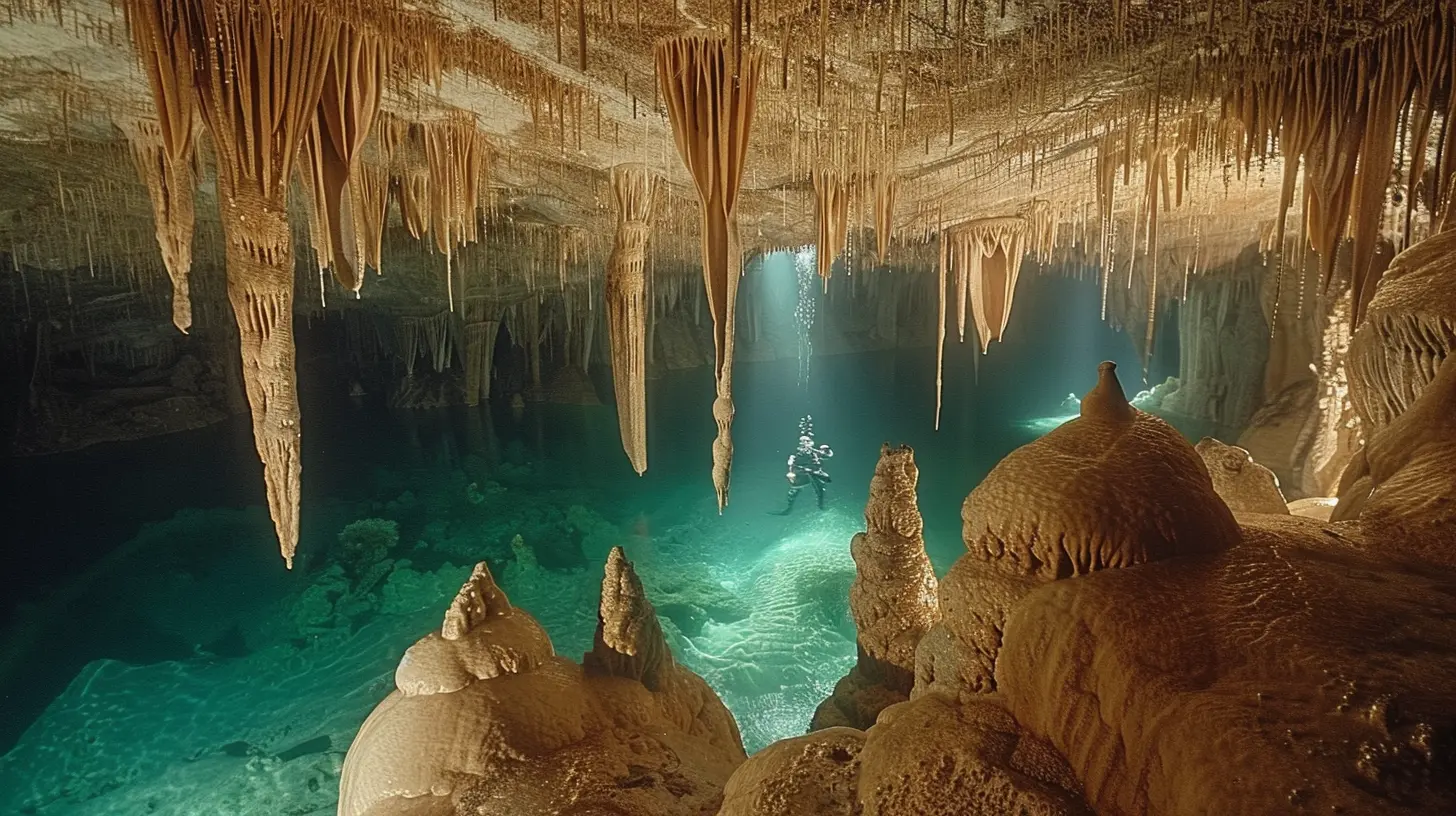
What Makes Cave Diving So Alluring?
So, why do people even cave dive? Isn’t open water sketchy enough?Well, cave diving is like space exploration—but underwater. There’s this magnetic pull toward the unknown. Humans are naturally curious, and caves—especially the watery ones—are some of the last truly unexplored frontiers on Earth.
These dives combine natural beauty, raw danger, and technical challenge. There's a haunting beauty in the silence, Isolation in every direction, and a meditative rhythm to your breath. I mean, how many places on Earth can you literally say no one has seen before?
Underwater caves also serve as time capsules, preserving fossils, bones, and geological features that date back millions of years. It's not just a thrill-seeking hobby—it's a journey into Earth’s ancient past.
A Quick Note: This Ain’t Your Average Dive
Before we start naming names, let me put this out there: cave diving is EXTREMELY dangerous. We're talking zero light, high pressure, disorientation risk, equipment failure, and no quick way to the surface. You literally CANNOT panic. That’s how serious it is.Only trained, certified cave divers with the right gear and experience should attempt these dives. This article? It's not a guide. It's a peek through the porthole into an alien world.
Good? Alright, brave soul. Let’s take the plunge.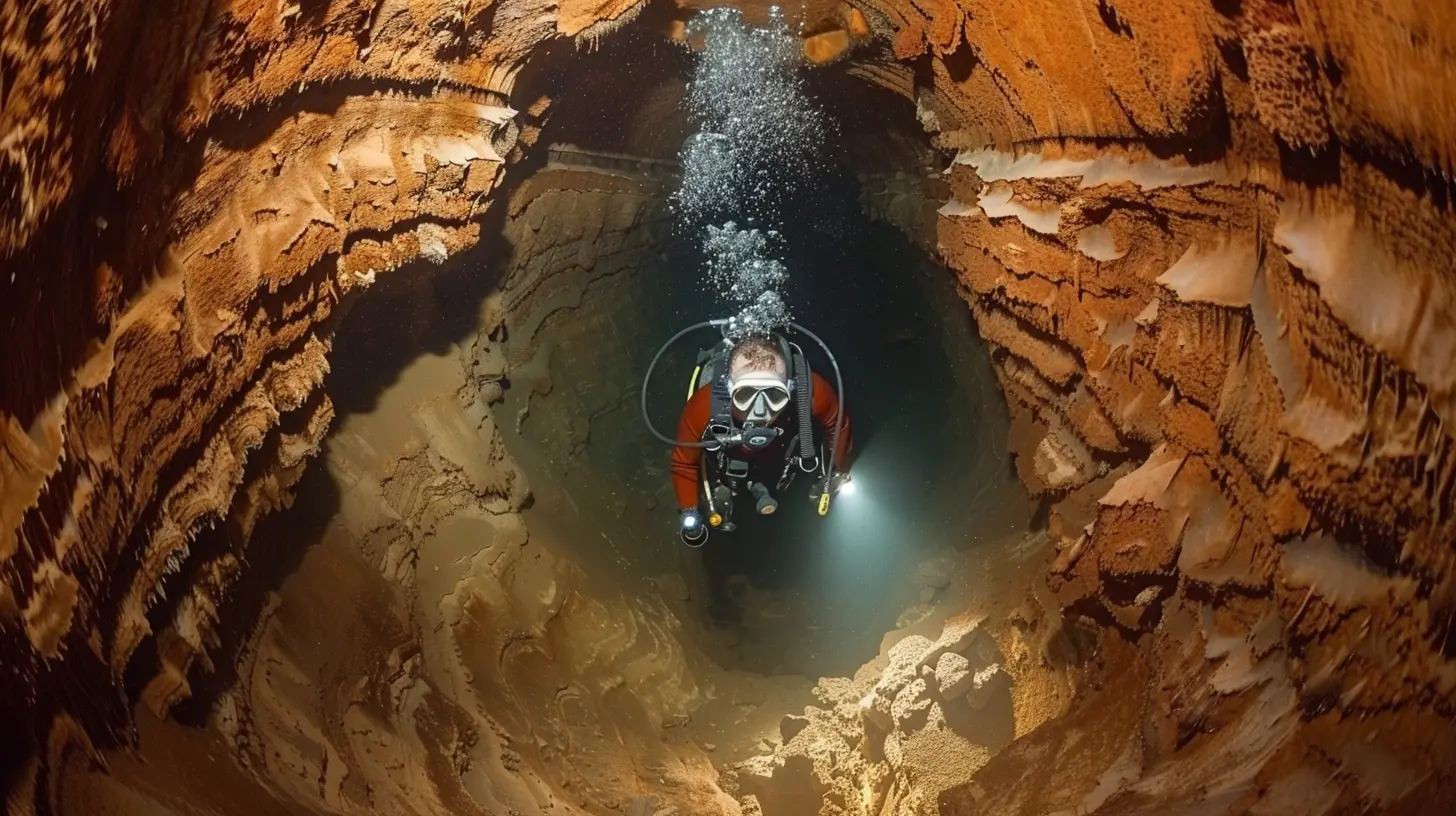
1. The Hranice Abyss – Czech Republic’s Bottomless Wonder
Let’s start with the big daddy of them all.The Hranice Abyss, located in the Czech Republic, currently holds the title of the deepest underwater cave known to man. And you know what’s really wild? We don’t even know how deep it truly is.
How Deep Are We Talking?
In 2016, a remotely operated underwater vehicle (ROV) reached a depth of 404 meters (1,325 feet). But even then, it didn’t hit bottom. That’s deeper than the Empire State Building is tall!This cave isn’t just deep—it’s mysterious. Scientists believe it was formed through a rare chemical process involving carbon dioxide-rich water dissolving limestone, creating deep vertical shafts rather than horizontal tunnels.
What’s It Like Inside?
Picture this: narrow corridors, a pitch-black environment, and layers upon layers of rock slicing into the Earth’s crust. Divers face intense thermal changes and need special gas mixes to survive the crushing pressure. It’s both a diver’s dream and a logistical nightmare.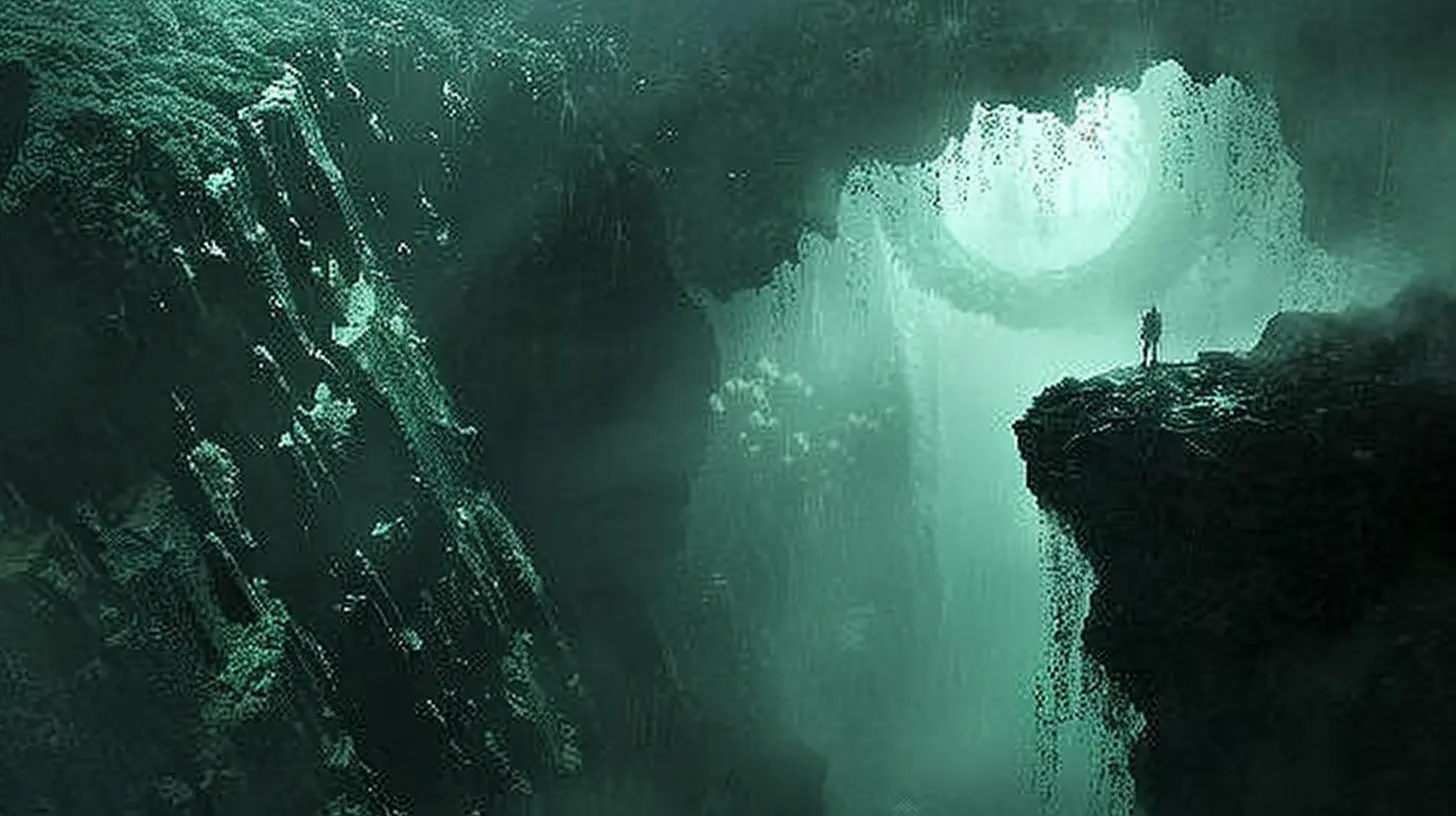
2. Pozzo del Merro – Italy’s Vertical Labyrinth
Tucked away in central Italy, the Pozzo del Merro might look like a calm pond from the surface. But underneath? It’s a vertical shaft plunging straight into the Earth like a natural elevator to another dimension.The Freaky Stats
It currently measures about 392 meters (1,286 feet) deep, making it one of the deepest sinkholes connected to an underwater cave system. Some folks believe it might even connect to a deeper network yet to be discovered.The Exploration Factor
Diving at Pozzo del Merro is tricky. The vertical nature of the cave means buoyancy control is absolutely critical. One slip in pressure or gas mix, and you’re in deep trouble—literally.Even ROVs struggle here. The walls are smooth and unbroken, and the way down seems endless. It’s like staring into the world's most intimidating well.
3. Boesmansgat – South Africa’s Grim Reaper of Caves
Nicknamed “Bushman’s Hole,” this South African freshwater cave is not only deep—it’s dark history is enough to send chills down any diver’s spine.A Dive With a History
Boesmansgat plunges over 280 meters (918 feet) below the Earth's surface. It became infamous in 2005 when legendary diver Dave Shaw tragically lost his life trying to retrieve the body of another diver, Deon Dreyer, who had perished a decade earlier.A Haunting Descent
The tragedy highlights just how dangerous these caves can be. Visibility is often poor, and the water is achingly cold. Divers enter a natural cathedral, with eerie stalactites and absolute darkness beyond the reach of flashlights. It’s the real-life version of diving into a horror movie.4. The Cenotes of the Yucatán – Mexico’s Underwater Maze
Now this one’s a bit different. The Cenotes in Mexico aren’t necessarily the deepest, but they make the list because—wow—there are HUNDREDS of them. And they’re all connected like some massive, submerged spiderweb.Not Just Holes in the Ground
Cenotes (pronounced “seh-no-tays”) are natural sinkholes formed by the collapse of limestone, revealing exquisite cave systems filled with crystal-clear freshwater. The most famous? Sistema Sac Actun and Sistema Ox Bel Ha—each extending well over 300 km (186 miles)!Mayan Myth Meets Modern Tech
These caves are sacred to the Mayans, believed to be entrances to the underworld. Today, advanced cave divers map and explore these twisting tunnels. The visibility’s ridiculously good, thanks to the freshwater, and the formations? Straight-up alien. Think underwater stalactites, hollow chambers, and hidden fossils encased in rock.5. Jacques’s Secret – The Mysterious Dives of France’s Font Estramar
Font Estramar is a relatively under-the-radar cave diving site nestled in southern France. But don’t let its modest reputation fool you—it’s a beast.A Tight Squeeze
Dives here have gone beyond 300 meters (984 feet), and divers report extremely tight passages with little room for error. There’s a mystery surrounding its full depth, and some believe it could rival the Hranice Abyss.What's So Strange?
Well, it’s incredibly difficult to navigate. Visibility can be decent one moment and then drop to zero the next. Plus, soft sediment layers make it easy to kick up a silt storm, blinding anyone in seconds. It's like trying to fly a plane blindfolded mid-flight.Why Divers Risk It All
So you’ve got crushing pressure, no light, and an environment that will NOT forgive mistakes. Still, divers sign up to go deeper, further, longer. Why?It’s simple, really.
The abyss holds secrets, and for some, that’s irresistible. These explorers aren’t just thrill-seekers—they’re scientists, adventurers, and sometimes, even philosophers. Every meter deeper is a step into the untouched, the unseen. It’s the kind of stuff humanity was made for.
And let’s be honest—there’s something incredibly poetic about plunging into water-filled chasms that could swallow skyscrapers whole.
The Gear That Makes It Possible
Let’s talk toys—err, tools.Rebreathers
These allow divers to recycle their own air, which is vital for long, deep dives. Less bubbling, more stealth.Trimix Gases
Regular air won’t cut it. Deep cave divers often use a mix of helium, oxygen, and nitrogen to avoid nitrogen narcosis and oxygen toxicity.DPVs (Diver Propulsion Vehicles)
Think underwater scooters capable of zipping you through long tunnels and saving energy (and air).Redundant Systems
Double everything—masks, tanks, lights. If one fails, your backup might be the only thing keeping you alive.Final Thoughts: The Deep Calls
Cave diving into these abyssal realms is like dancing with the edge of the world. Every descent is a handshake with death—and a high-five with wonder.It’s equal parts danger and discovery, science and soul-searching. The world’s deepest underwater caves remain some of the last genuinely mysterious places on Earth. There's no GPS, no cell service—just you, your breath, and the abyss staring back at you.
Would you dare to dive in?
all images in this post were generated using AI tools
Category:
Extreme SportsAuthor:

Uziel Franco
Discussion
rate this article
2 comments
Flint McLaurin
Diving into the abyss reveals more than just breathtaking underwater landscapes; it uncovers the profound depths of our curiosity and the resilience of nature.
April 7, 2026 at 12:08 PM
Uziel Franco
Absolutely, diving not only shows us stunning sights but also challenges us to confront our curiosity and respect the power of nature.
Hattie Pruitt
Truly inspiring, adventure awaits us!
March 21, 2026 at 3:49 AM
Uziel Franco
Thank you! Adventure indeed calls us to explore the depths!