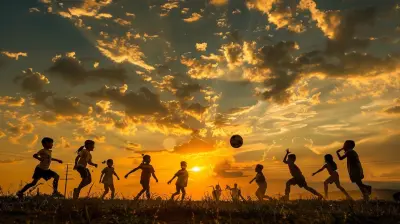
Sportsmanship: Teaching Kids to Respect the Game and Each Other
6 June 2026
Sports are more than just sweat, scoreboards, and trophies. They’re a powerful way to teach kids life lessons—like teamwork, discipline, and most importantly, sportsmanship. But let's be real—have you ever seen a young athlete have a complete meltdown after losing a game? Or a parent yelling from the sidelines like it’s Game 7 of the NBA Finals? Yeah, we’ve all been there. That’s exactly why teaching sportsmanship early on is so crucial.
In this article, we’ll break down what sportsmanship actually means, why it matters, and how we can help kids respect the game and each other—whether they’re on the court, the field, or even just playing tag at recess.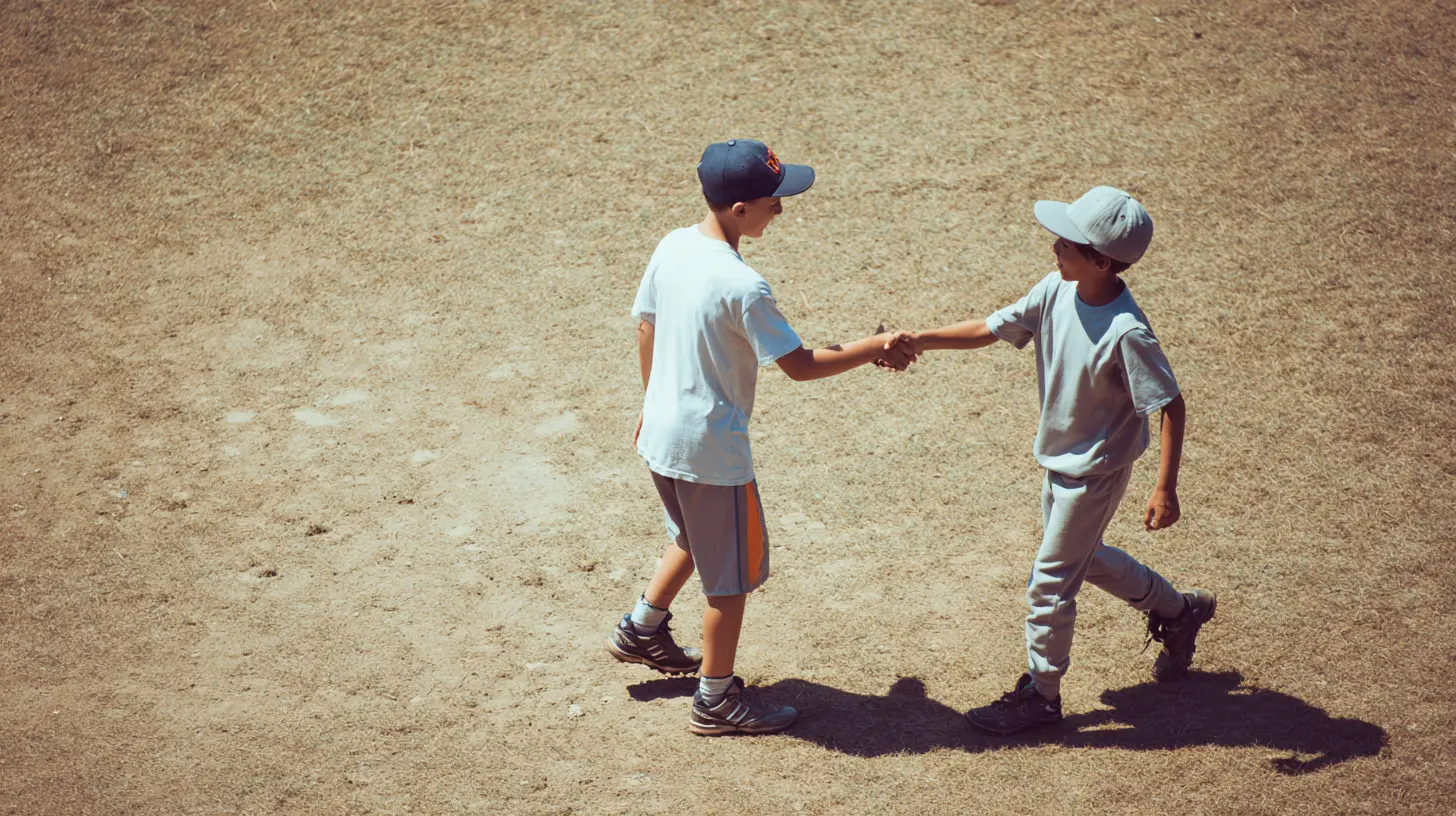
What Is Sportsmanship, Really?
At its core, sportsmanship is all about respect—respect for the game, the rules, teammates, opponents, coaches, and even referees (yes, even when they make a bad call).It’s playing fair, giving your best, and handling wins and losses with grace. Think of it like being a good friend, even when the stakes are high and emotions are running wild. It’s not just about being nice; it’s about doing the right thing, no matter what the scoreboard says.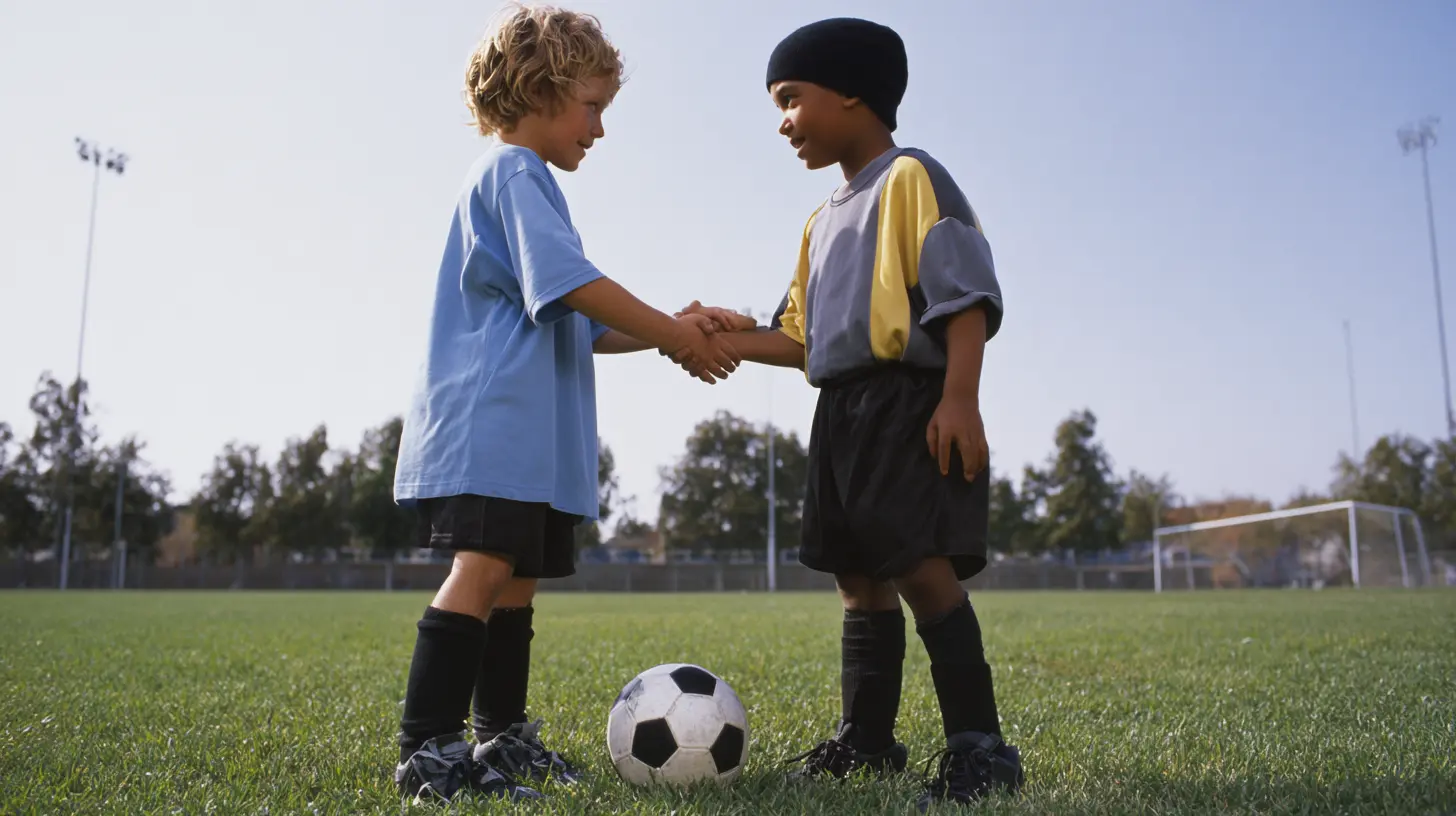
Why Teaching Sportsmanship to Kids Matters More Than Ever
In today’s ultra-competitive world of youth sports—where kids specialize in a single sport before they’ve hit double digits and travel teams are the norm—sportsmanship sometimes takes a backseat to performance. But here’s the reality:- Sports are temporary. Character lasts a lifetime.
- Winning is awesome, but knowing how to lose with dignity is even more powerful.
- Respect and empathy are life skills every kid needs—on and off the field.
If we want to raise kids who grow into respectful adults, teaching them sportsmanship is a no-brainer.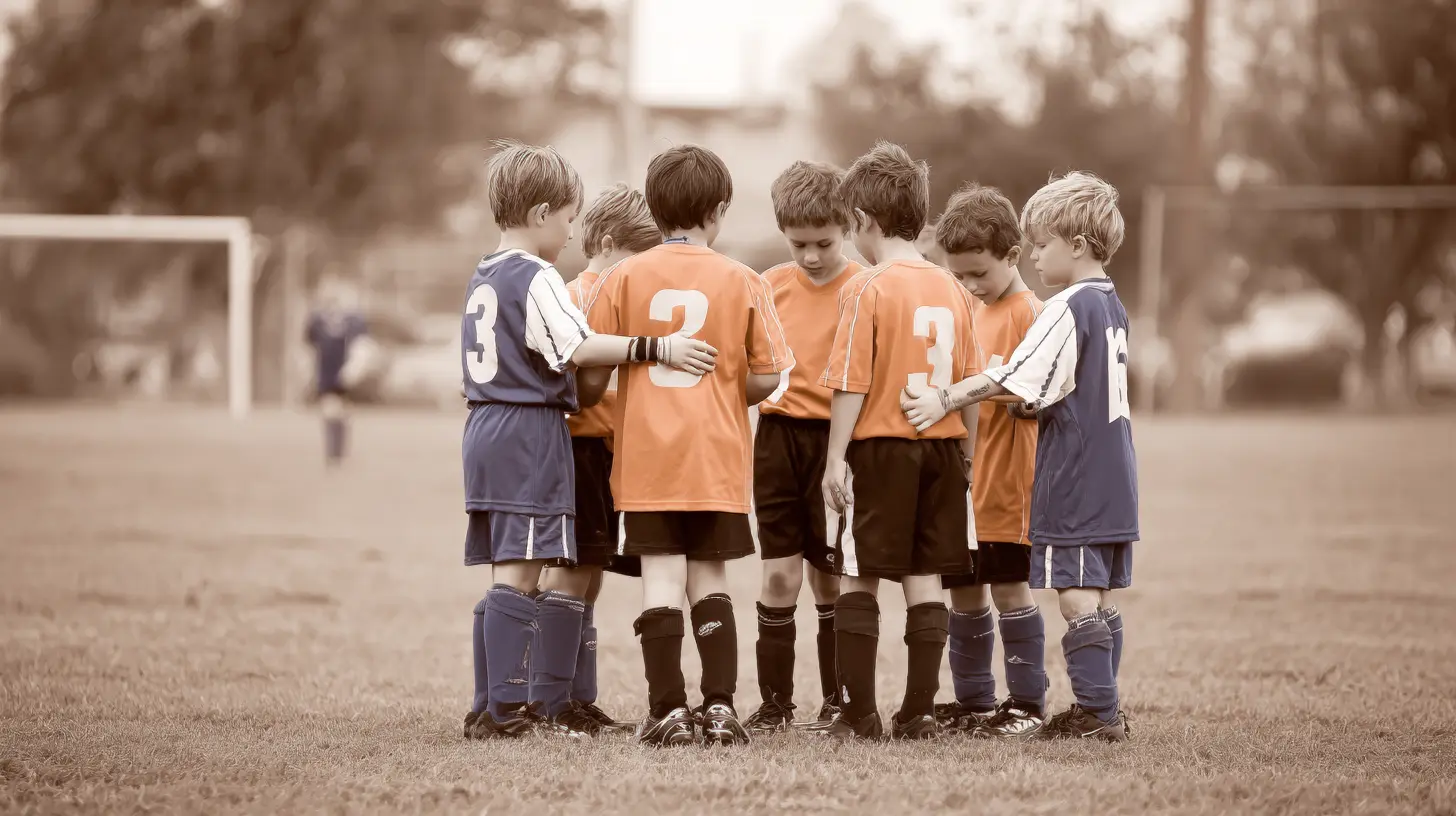
The Building Blocks of Good Sportsmanship
So how do we actually teach kids to be good sports? You can’t just tell them to “play nice” and expect magic to happen. It takes intention, consistency, and (let’s be honest) a whole lot of patience.Here are the key ingredients that shape true sportsmanship:
1. Respect for Everyone Involved
It starts with understanding that every player, coach, and official is part of the game. Kids should learn to:- Thank the referees—even if they missed that out-of-bounds call.
- Listen to their coaches—even when the feedback stings.
- Encourage their teammates, not put them down.
- Congratulate opponents—a fist-bump or handshake goes a long way.
Respect is a two-way street, and it builds bridges that last long after the final whistle.
2. Grace in Both Winning and Losing
Nobody likes to lose. And let’s be honest—winning feels awesome. But how you respond to both says a lot about your character.- If you win, celebrate with class. No trash-talking, no rubbing it in.
- If you lose, shake it off and congratulate the other team. Then reflect, learn, and grow.
Good sportsmanship means you don’t let the outcome define your attitude.
3. Playing by the Rules
Following the rules isn’t just about avoiding penalties—it’s about fairness, integrity, and trust.Teach kids that bending the rules to win isn’t actually winning. True champions earn their victories the right way.
4. Encouragement Over Criticism
When a teammate messes up, it’s easy to get frustrated. But the best players lift each other up. That means swapping blame for encouragement and turning “What were you thinking?!” into “You got the next one!”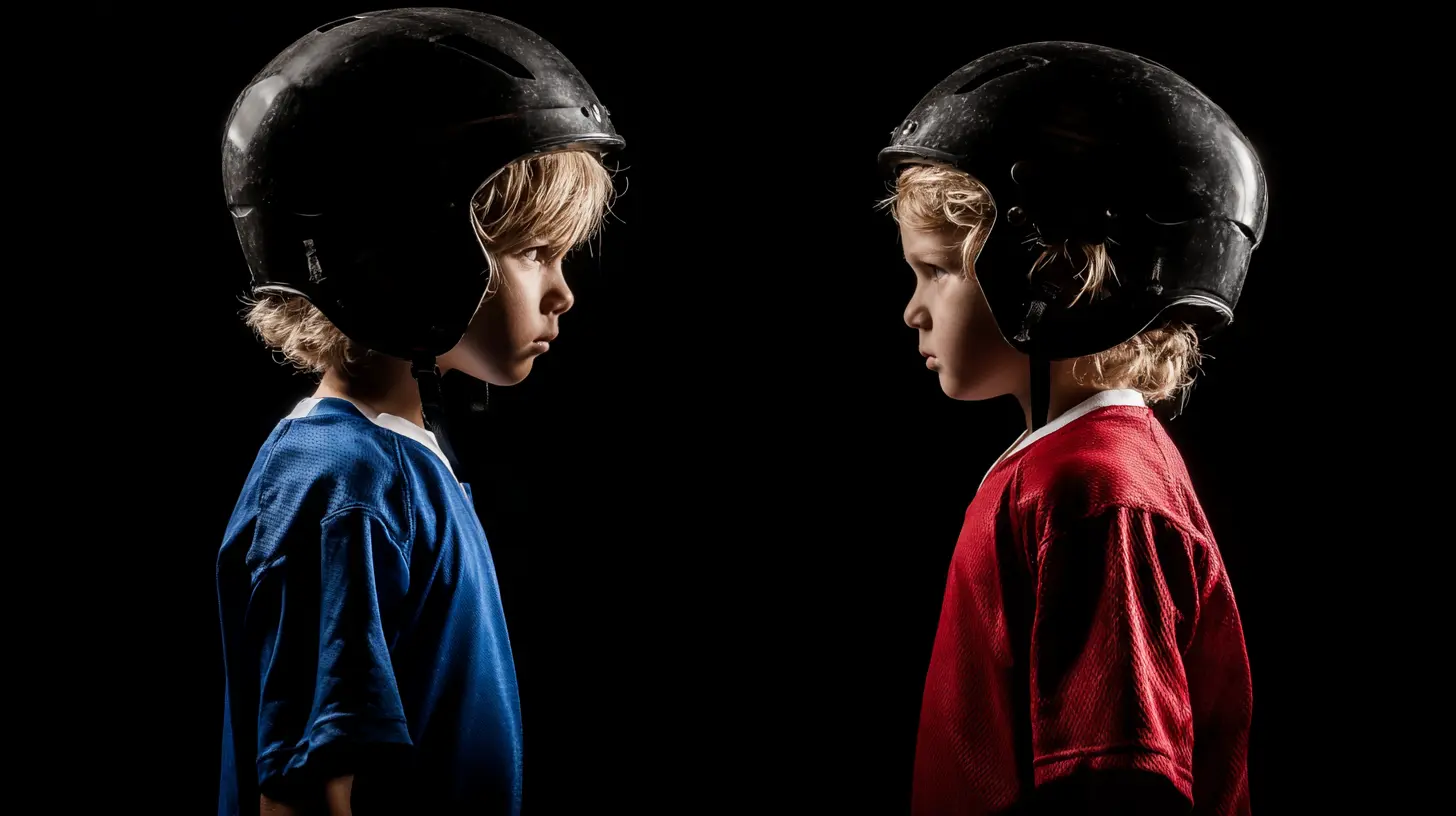
How Parents Can Lead the Way
Here’s the truth—kids watch everything we do. If we want them to act with sportsmanship, we’ve got to model it ourselves.Be the Calm in the Chaos
Game-day pressure can get to all of us, but yelling at refs or coaching from the stands sends the wrong message. Instead, keep your cool, support the team, and remember the big picture: This is their game, not yours.Celebrate the Effort, Not Just the Outcome
If your post-game pep talk is all about the score, you’re missing the point. Try praising the hustle, the teamwork, or how they bounced back from a mistake. That reinforces values that go far deeper than stats.Talk the Talk at Home
Use car rides and dinner conversations to reflect on not just what happened in the game, but how it happened. Ask:- “How did you feel about your sportsmanship today?”
- “What’s something awesome someone else did on the field?”
- “Did you notice any good or bad behavior?”
These chats help kids develop their internal compass.
Coaches: The Frontline Teachers of Sportsmanship
Coaches have a unique opportunity—and responsibility—to set the tone. Whether it’s Little League, youth soccer, or a middle school basketball team, here’s how coaches can instill sportsmanship:Set Expectations Early
At the season’s first practice, lay down the ground rules:- Respect everyone
- Play hard, play fair
- No blame, no excuses
Make it part of the team culture from day one.
Make It About More Than Winning
Sure, everyone plays to win. But coaches can balance competitiveness with compassion. When you reward effort, teamwork, and unselfish play just as much as goals or scores, kids start to value those things too.Address Bad Behavior Right Away
Whether it’s taunting, arguing, or poor body language, don’t let it slide. Correct it on the spot. Explain why it’s not okay, and how they can do better next time.Kids won’t always get it right, but that’s part of the process.
Teaching Sportsmanship at Every Age
Let’s be real—what works for a 6-year-old playing tee ball won’t work for a 15-year-old on a varsity team. Here's how to tailor your approach based on age:Ages 5–8: Keep It Simple and Fun
At this stage, kids are just learning the basics. Focus on:- Sharing
- Taking turns
- Cheering for everyone
- Saying "good game"
Use games and role-play to show what good sportsmanship looks like.
Ages 9–12: Talk More About Character
As kids grow, they start to understand deeper concepts. You can introduce:- Respect for opponents
- Dealing with disappointment
- Being accountable for actions
Let them experience natural consequences, like the impact of a bad attitude on the team.
Ages 13+: Build Leaders, Not Just Athletes
Teens can handle more complex discussions about ethics, pressure, and personal growth. Encourage them to:- Be role models for younger athletes
- Talk through the emotions of competition
- Set personal goals beyond winning
This is where sportsmanship evolves into leadership.
Using Sports to Build Life Skills
The cool thing about sportsmanship is that it doesn't stay on the field. When kids learn to be respectful competitors, they end up being:- Better friends
- Stronger teammates at school and work
- More resilient under pressure
- Empathetic leaders
Whether they go pro or hang up their cleats after high school, these are lessons they’ll carry forever.
Sportsmanship is like a muscle—the more kids flex it, the stronger it gets.
How to Encourage Sportsmanship Without Killing the Competitive Spirit
Worried that focusing on sportsmanship might make kids “soft”? Don’t be.True sportsmanship actually fuels competition. Why? Because it creates a level playing field, where everyone brings their best, plays by the rules, and earns their success. That’s real competition—not chaos.
Think of it like a heated game of chess. It’s intense, challenging, and deeply competitive—but it’s rooted in respect.
Fun Ways to Teach Sportsmanship
Want to sneak some lessons in without sounding preachy? Try these:- Highlight a “Sportsman of the Week” on the team.
- Watch pro sports together and talk about good (or bad) behavior.
- Create a team code of conduct that the kids help write.
- Use sports movies like Remember the Titans or The Sandlot as conversation starters.
- Play games with silly rules to teach adaptability and fair play.
Make it engaging, and the lessons will stick.
Final Thoughts
Sportsmanship isn’t about being perfect—it’s about growth, integrity, and respect. If we want to raise kids who love the game and value others, we’ve got to plant those seeds early and nurture them often.So next time your kid suits up for a game, remind them of this simple truth: How they play matters just as much as whether they win.
And honestly, in the grand scheme of things, sportsmanship is the real victory.
all images in this post were generated using AI tools
Category:
Youth SportsAuthor:

Uziel Franco
Discussion
rate this article
1 comments
Azura Lopez
This is a great reminder of how sportsmanship shapes character. Teaching respect builds not just athletes, but better people too.
June 16, 2026 at 10:46 AM
Uziel Franco
Thank you! Sportsmanship truly has the power to influence character and foster respect both on and off the field.