Surfing the Tidal Bore: Riding Nature’s Most Unpredictable Waves
10 April 2026
Ever dreamt of surfing a wave that flows the wrong way—up a river, against the current, like nature is playing a prank on physics? Welcome to the world of tidal bore surfing. It's wild, it's unpredictable, and it's definitely not your typical day at the beach.
In this article, we're diving deep (pun totally intended) into what makes tidal bore surfing not just a bucket list sport, but one of the most thrilling experiences a surfer can have. So grab your board (or at least your curiosity), and let’s ride this wave together.
What the Heck Is a Tidal Bore?
Alright, let’s break it down. A tidal bore is a natural phenomenon where the incoming tide forms a wave (sometimes several!) that travels upstream in a river. Yeah, you read that right—water going the wrong way. It happens in certain parts of the world where large tides meet narrow river mouths.Imagine you've been paddling all day, and just when you're about to call it quits, a sudden wave barrels toward you—only this wave isn’t crashing onto the shore. It’s headed upriver, past the trees, the grass, and stunned onlookers fishing off the embankment.
Mother Nature totally flexing.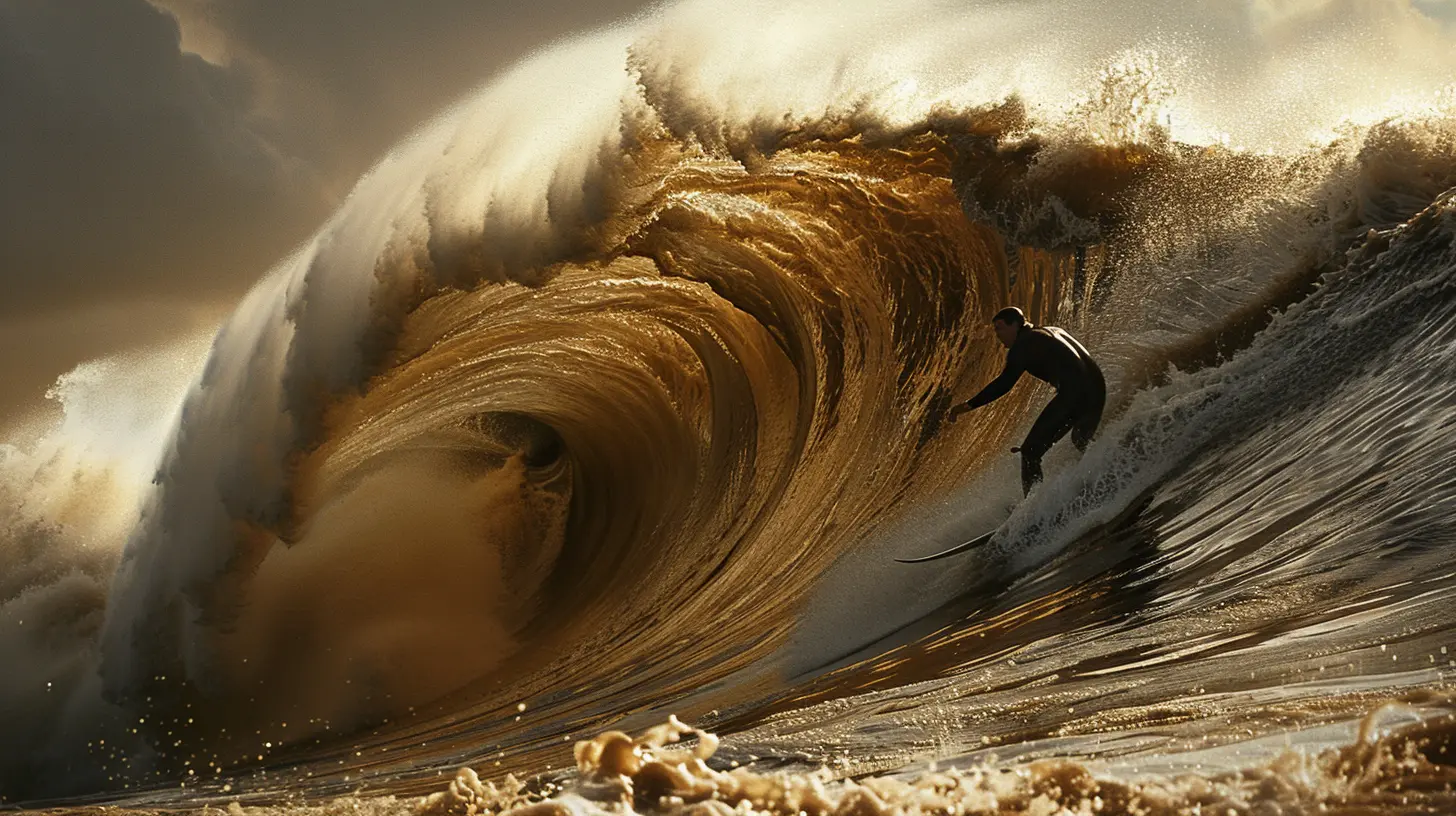
So...Where Do These Magical Backwards Waves Happen?
If you're thinking tidal bore surfing is something you can do just anywhere, think again. This isn’t your average Pacific swell.Here are a few famous places where tidal bores make their grand and splashy entrance:
- The Amazon River, Brazil ("Pororoca") – The granddaddy of all tidal bores. Waves can reach over 10 feet and last for miles.
- The Severn River, UK – A favorite among bore surfers, especially in spring and autumn.
- Qiantang River, China – Known for waves up to 30 feet (no kidding), it even has an international bore surfing competition.
- Bono River, Indonesia – A hidden gem that attracts thrill-seekers from around the world.
- Petite-Rivière-Saint-François, Canada – A lesser-known but surf-able bore in North America.
Each spot has its own personality—like friends at a party. Some are chill, others are absolute chaos.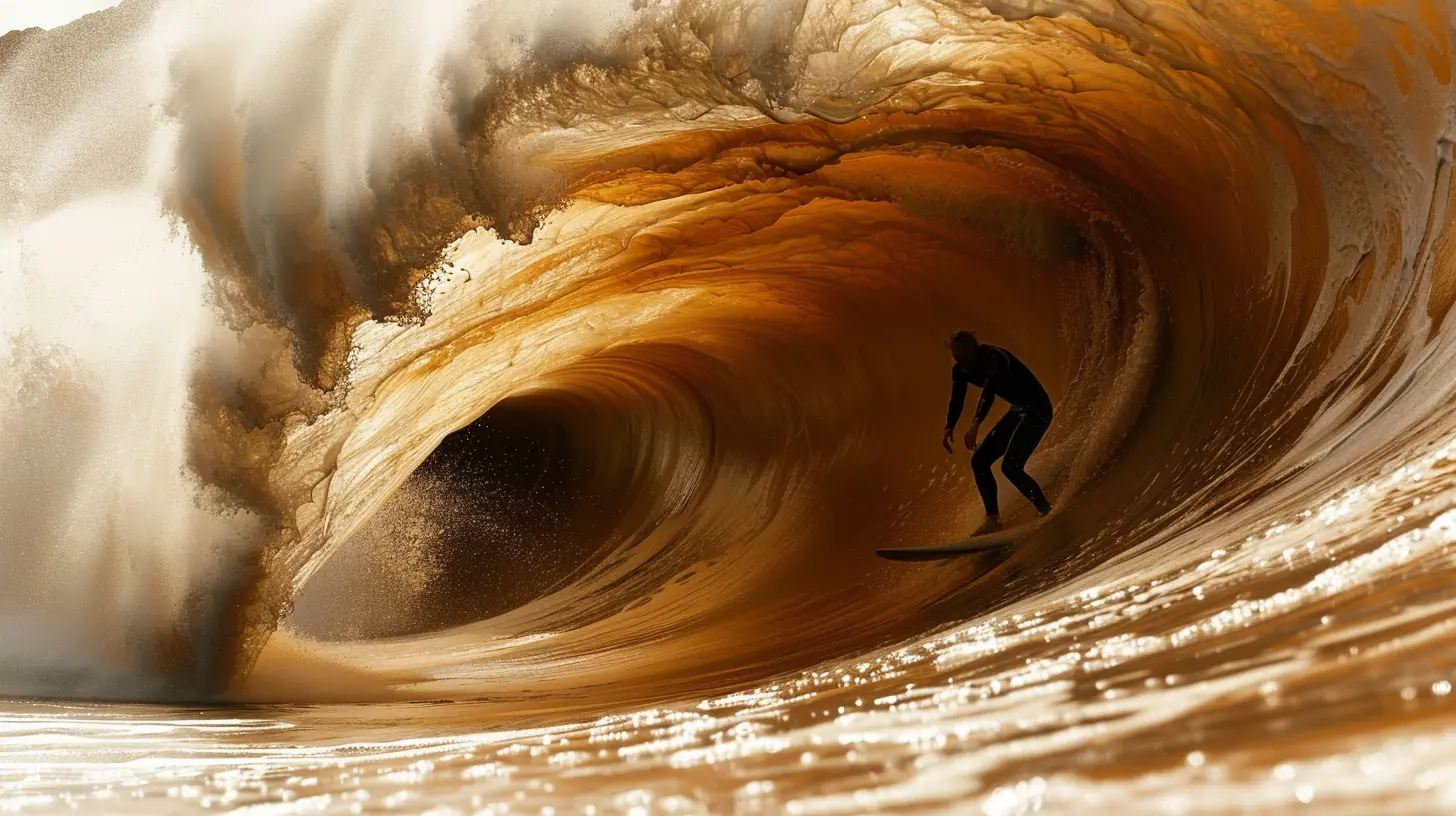
Why Tidal Bores Are the Unicorns of the Surf World
Let’s put it this way—regular ocean waves are like buses. Miss one? No biggie. Another will be along soon. Tidal bores? They’re more like a solar eclipse mixed with a surprise birthday party and a high-speed train.They only show up during certain moon phases, when tidal conditions are just right. And when they do, it’s ON. For real surfers, it’s like scoring a golden ticket to candy land—if the candy land were wet, muddy, and slightly terrifying.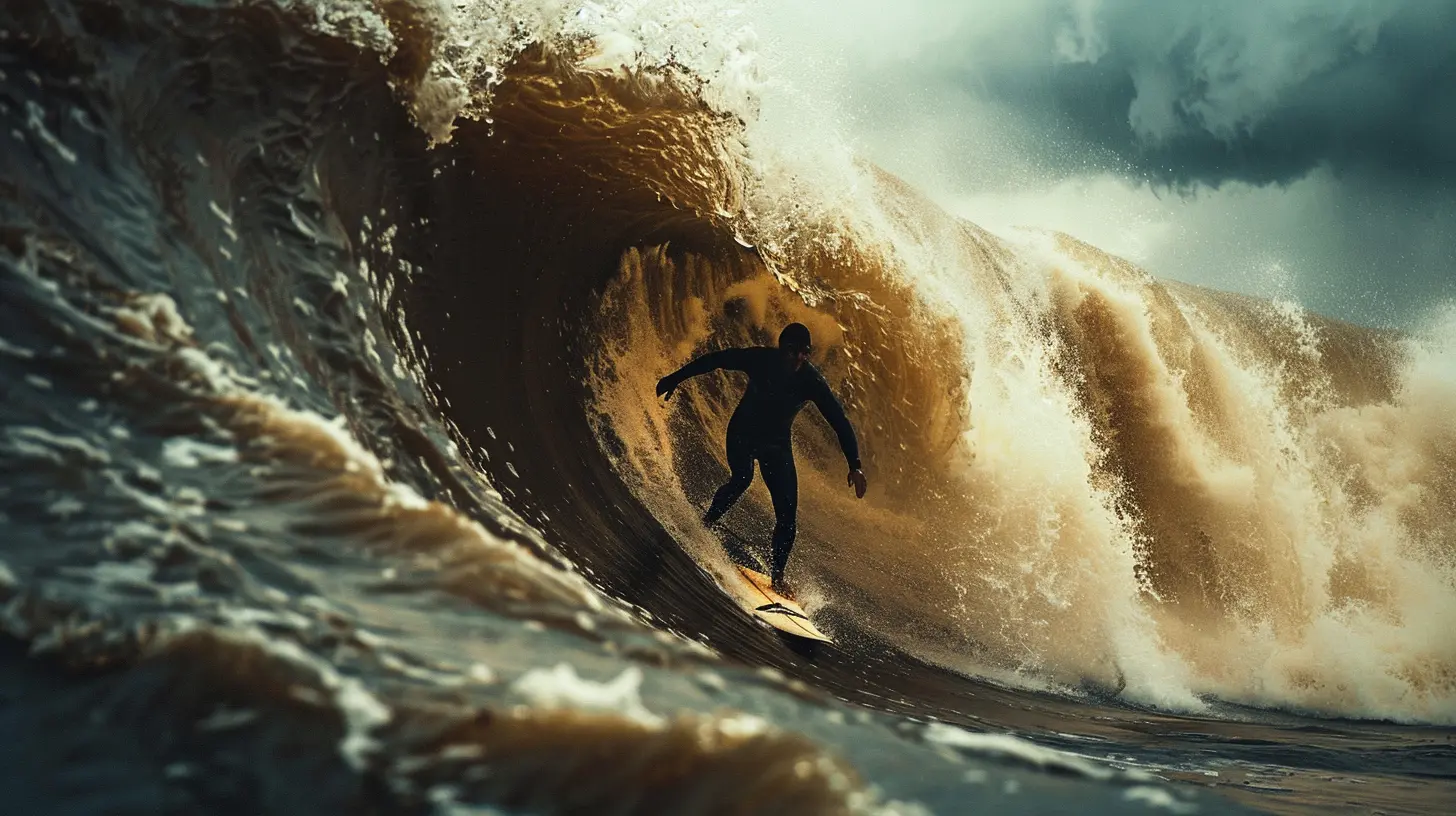
What Makes Surfing a Tidal Bore So Wild?
Now that we've set the scene, let’s talk about why riding a tidal bore is as bonkers (and brilliant) as it sounds.1. The Ride Can Last for MILES
In the ocean, even a great wave usually gives you what—30 seconds? Maybe more if you’re Kelly Slater. But on a tidal bore, if you’ve got the skill (and serious leg stamina), you could be up there for 30 minutes… or even over an hour. That’s not a ride—that’s a journey.2. You’re Surfing Against Nature’s Flow
Most of us are taught to go with the flow. Tidal bore surfers say, “Nah, I’ll go upstream instead.” Surfing against the river's natural current is like running up an escalator that’s moving down—except you're surrounded by water, a muddy bottom, and possibly the occasional startled cow.3. Unpredictability Is Part of the Fun
You think you’ve seen it all—then a tree floats past. Or a wave splits into three mini waves. Or a whirlpool opens right beside you like you’ve clicked into a fantasy novel. This is not your neighborhood surf break; it’s an ever-changing rodeo on water.How to Prepare for a Tidal Bore Surf Session
This ain’t your first surfing rodeo? Cool. But even seasoned surfers need to prep differently for tidal bore glory.📍 Do Your Homework, Sherlock
Tidal bores are sneaky. They don’t give you the same obvious swell forecasts as ocean waves. So it’s all about:- Lunar calendars
- Tide charts
- Local know-how
Trust me, local guides and bore experts are like gold. They’ll save you from wasting time—or worse, getting wiped out by a rogue log.
🏄 Pick the Right Board
River waves are trickier than ocean surf. You’ll want a longer board with good stability. Think longboards with a bit more forgiveness. Some riders swear by stand-up paddleboards (SUPs) for better positioning.💪 Train Like You Mean It
You’re going to be on your feet for a long time. That means endurance matters—big time. Strengthen your quads, improve your balance, and get comfy on a wobble board. Yoga doesn’t hurt either. Flexibility helps when Mother Nature decides to throw curveballs.The Mental Side of the Bore
We talk a lot about physical prep in surfing, but tidal bores mess with your head too.It’s You vs. the Unknown
There’s no comfort zone here. One moment you’re cruising upstream, and the next, you’re dodging debris or getting stared down by a duck that’s questioning your life choices.Fear Is Totally Normal
It might not be a 25-foot reef break, but the unpredictability makes people nervous. And that’s okay. Courage isn’t about NOT being afraid—it’s about paddling into that muddy mayhem anyway.Tidal Bore Surfing Stories That’ll Blow Your Mind
Need a little inspiration? These bore surfing legends didn’t just ride the wave—they owned it.🌊 Picuruta Salazar in the Amazon
Brazilian surfing champ Picuruta Salazar once rode the Amazon’s Pororoca for over 12km in 2003. That’s basically the surfing equivalent of running a marathon while balancing on a rolling log. Talk about legendary.🌊 The Severn Boaters
Every year in the UK, a bunch of die-hard surfers gather in Gloucestershire to chase the Severn Bore. These aren’t tropical-destination wave chasers—these are hardcore, wetsuit-wearing, early-rising, river-surfing badasses.Wait… Is It Safe Though?
Good question. In short: It can be, but respect is non-negotiable.Watch out for:
- Hidden debris (sticks, trash, occasional wildlife)
- Sudden depth changes
- Strong currents
- Boats, logs, or both combined. (Yikes.)
Wearing helmets and impact vests isn’t overkill—it’s just smart. And always, always surf with a buddy or professional guide if it’s your first time out.
Tips to Catch Your First Bore Wave Like a Pro
Ready to try this madness out for yourself? Here’s the cheat sheet:1. Get Local Intel – Locals know all the secrets. Buy them a coffee and soak up the wisdom.
2. Time It Perfectly – Watch the tide schedule like it’s Super Bowl Sunday.
3. Paddle Early, Paddle Fast – The wave will NOT wait for you. Be ready BEFORE it arrives.
4. Stay High on the Riverbank Before Dropping In – That higher positioning gives you a better chance to catch the wave’s momentum.
5. Expect Weirdness – Water might boil, split, or swirl—just roll with it. Literally.
6. Smile Through the Mud – You’ll get dirty. Embrace it. Mud = glory.
Why More Surfers Are Getting Hooked on Bore Waves
Tidal bore surfing is growing in popularity, and it’s easy to see why. It’s not just about the stoke—it’s about adventure, storytelling, and doing something so rare that only a handful of people can say, “Yeah, I surfed that.”It’s not polished. It’s raw, gritty, and humbling. And in a world of Instagram-model waves and crowded breaks, there’s something seriously refreshing about that.
Final Thoughts: Catch the Bore, Catch the Magic
Look, tidal bore surfing isn’t for everyone. But if you’ve got the hunger for new challenges and the patience to wait for fleeting moments of magic, there’s nothing like it.You won’t just ride a wave; you’ll ride a piece of time—a once-in-a-month miracle that might be muddy, messy, and downright weird… but unforgettable.
So go on—chase the bore. Your story’s waiting upstream.
all images in this post were generated using AI tools
Category:
Extreme SportsAuthor:

Uziel Franco
Discussion
rate this article
2 comments
Desiree McCray
Forget the sea, the tidal bore is where the real thrill junkies ride. Bring it on!
June 5, 2026 at 12:41 PM
Jillian Miller
Surfing the tidal bore is an exhilarating challenge that showcases the raw power of nature. The unpredictability of these waves tests both skill and courage, making each ride a unique adventure for thrill-seekers and surf enthusiasts alike!
April 15, 2026 at 4:51 AM
Uziel Franco
Absolutely! Surfing the tidal bore truly offers a one-of-a-kind experience, blending skill with the untamed force of nature. It's a test that every surfer should embrace.