The Evolution of Esports Streaming Platforms
3 March 2026
Esports has taken the world by storm, with millions tuning in to watch their favorite gamers compete at the highest level. But have you ever stopped to think about how we got here? How did we go from grainy, low-quality streams to polished, high-definition broadcasts with millions of simultaneous viewers?
The rise of esports streaming platforms has played a massive role in shaping the industry as we know it today. Let’s take a deep dive into their evolution and see how they became the powerhouse platforms they are today.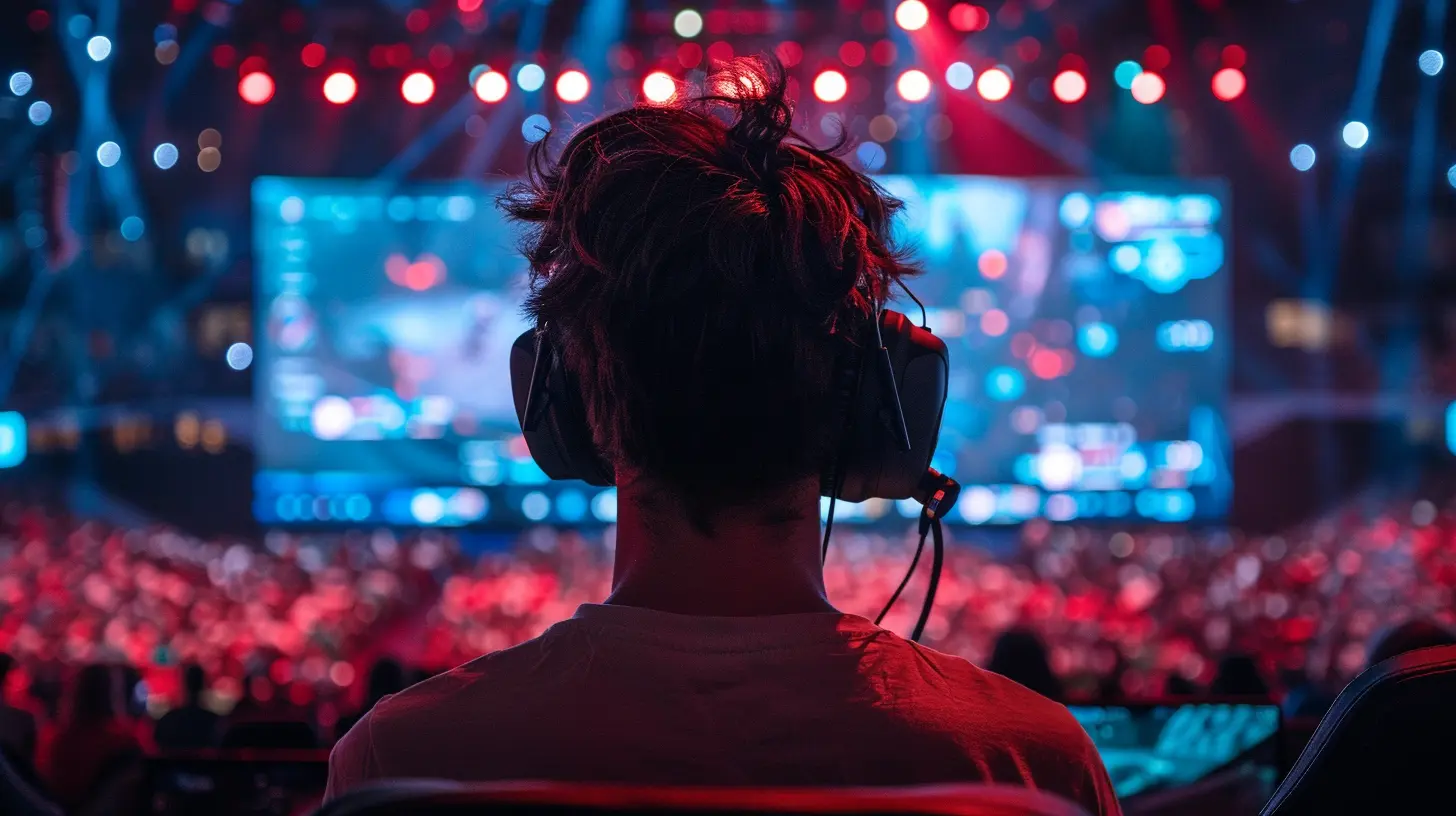
The Early Days: From Forums to Low-Quality Streams
Long before Twitch and YouTube Gaming dominated the scene, gaming communities relied on forums, blogs, and early streaming services to share their gameplay. Platforms like Xfire and Justin.tv (Twitch’s predecessor) were among the first to offer rudimentary live streaming options.The Birth of Gaming Streams
In the early 2000s, if you wanted to watch someone play a game, you either had to be in the same room or download gameplay footage from obscure websites. Streaming was clunky, unreliable, and expensive due to bandwidth limitations.Then came Justin.tv, launched in 2007. It started as a platform where anyone could live-stream almost anything—from casual chats to video games. Gamers quickly realized its potential, and in 2011, Justin.tv pivoted to focus solely on gaming content, rebranding itself as Twitch.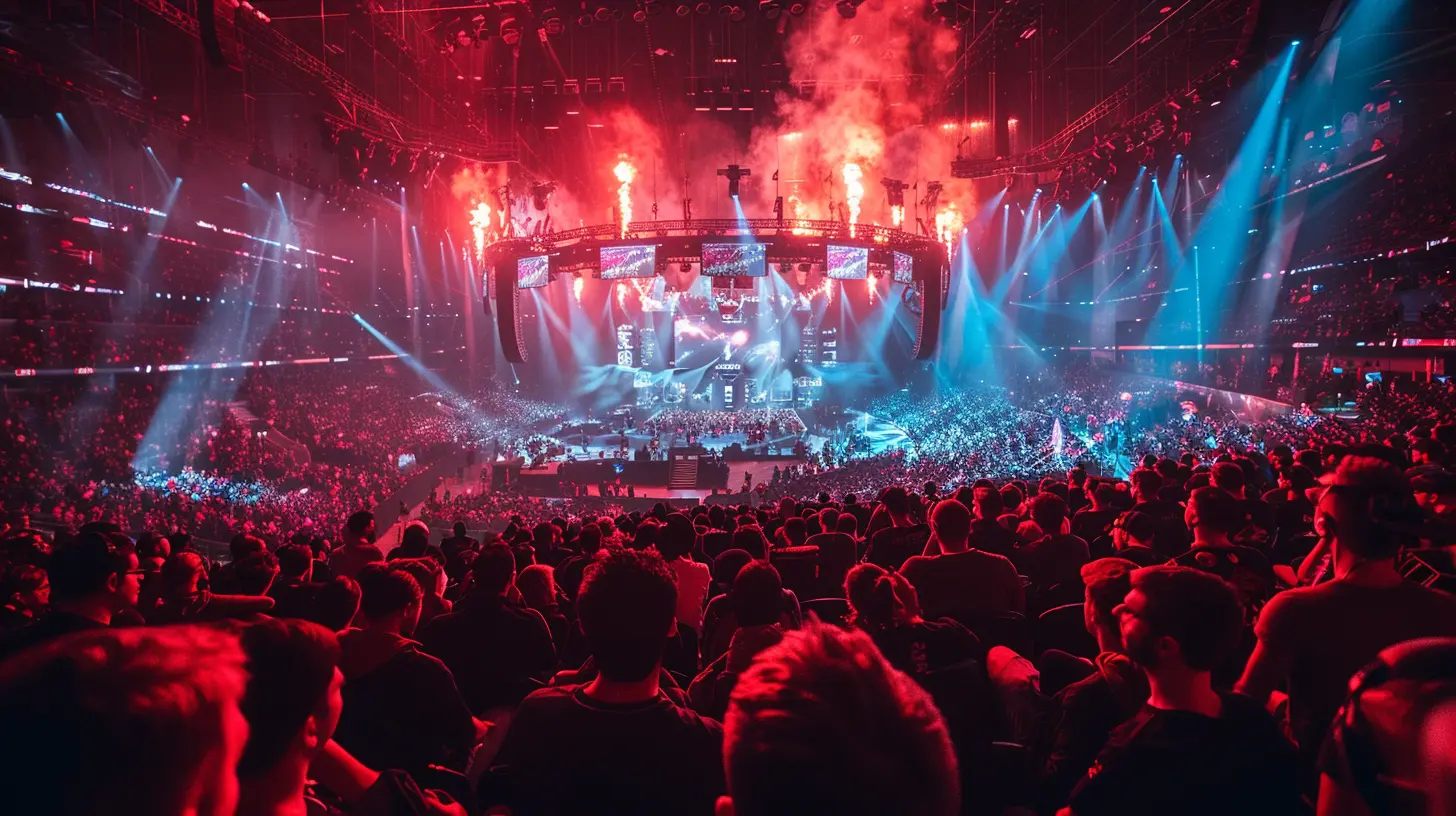
Twitch: The Game-Changer of Esports Streaming
Twitch’s launch in 2011 was a massive turning point. It provided a dedicated space for gamers to live-stream their gameplay, interact with audiences in real-time, and even make a living from their passion.Why Twitch Took Off
Several factors contributed to Twitch’s rapid growth:- Dedicated Focus on Gaming – Unlike previous platforms, Twitch was built for gamers, by gamers.
- Live Chat & Community Engagement – Viewers could interact with streamers instantly, creating a sense of community.
- Monetization Options – Streamers could earn revenue through ads, subscriptions, and donations, making content creation a viable career.
- Esports Partnerships – Major tournaments like The International (Dota 2) and LoL Worlds streamed exclusively on Twitch, solidifying its dominance.
By 2014, Twitch had grown so much that Amazon acquired it for nearly $1 billion, recognizing the immense potential of esports streaming.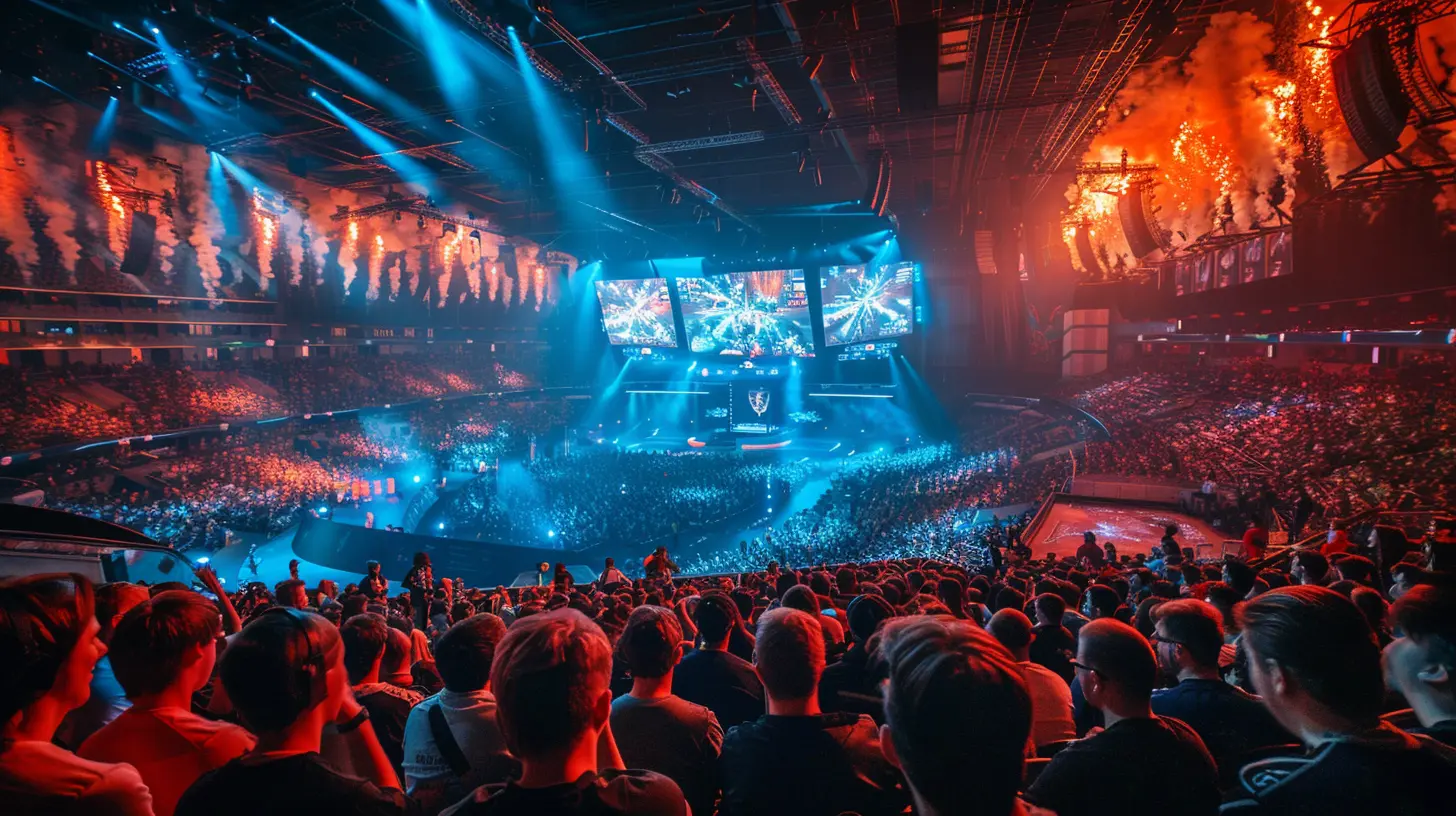
The Rise of Competitors: YouTube Gaming & Facebook Gaming
As Twitch gained traction, other tech giants wanted a piece of the pie. That’s when YouTube Gaming and Facebook Gaming entered the scene.YouTube Gaming: The Video Giant’s Response
YouTube already ruled the world of pre-recorded gaming content, but live streaming was another beast. Launched in 2015, YouTube Gaming aimed to rival Twitch by offering live streaming capabilities alongside its massive video library.What worked for YouTube:
- Massive existing user base – Millions of gamers were already using YouTube to watch gaming content.
- High video quality – Compared to Twitch, YouTube generally offered higher-quality video streams.
- Integration with YouTube’s Algorithm – Gamers could leverage YouTube’s recommendation system for better visibility.
Despite its advantages, YouTube Gaming initially struggled to compete with Twitch’s deeply ingrained gaming community. After a few years, YouTube folded its gaming arm back into the main YouTube platform, allowing gaming content to exist organically within the broader ecosystem.
Facebook Gaming: The Social Media Approach
Realizing the potential of esports and live streaming, Facebook launched Facebook Gaming in 2018. It took a different approach by integrating live streaming directly into its social media platform.Key Advantages:
- Built-in Audiences – Gamers could stream directly to their friends and followers.
- Exclusive Partnerships – Facebook Gaming signed deals with some big-name streamers and esports leagues.
- Mobile-Friendly Experience – With mobile gaming on the rise, Facebook capitalized on its already mobile-heavy user base.
However, Facebook Gaming never quite reached Twitch or YouTube’s level, and in 2022, Meta announced that it would be shutting down the Facebook Gaming app.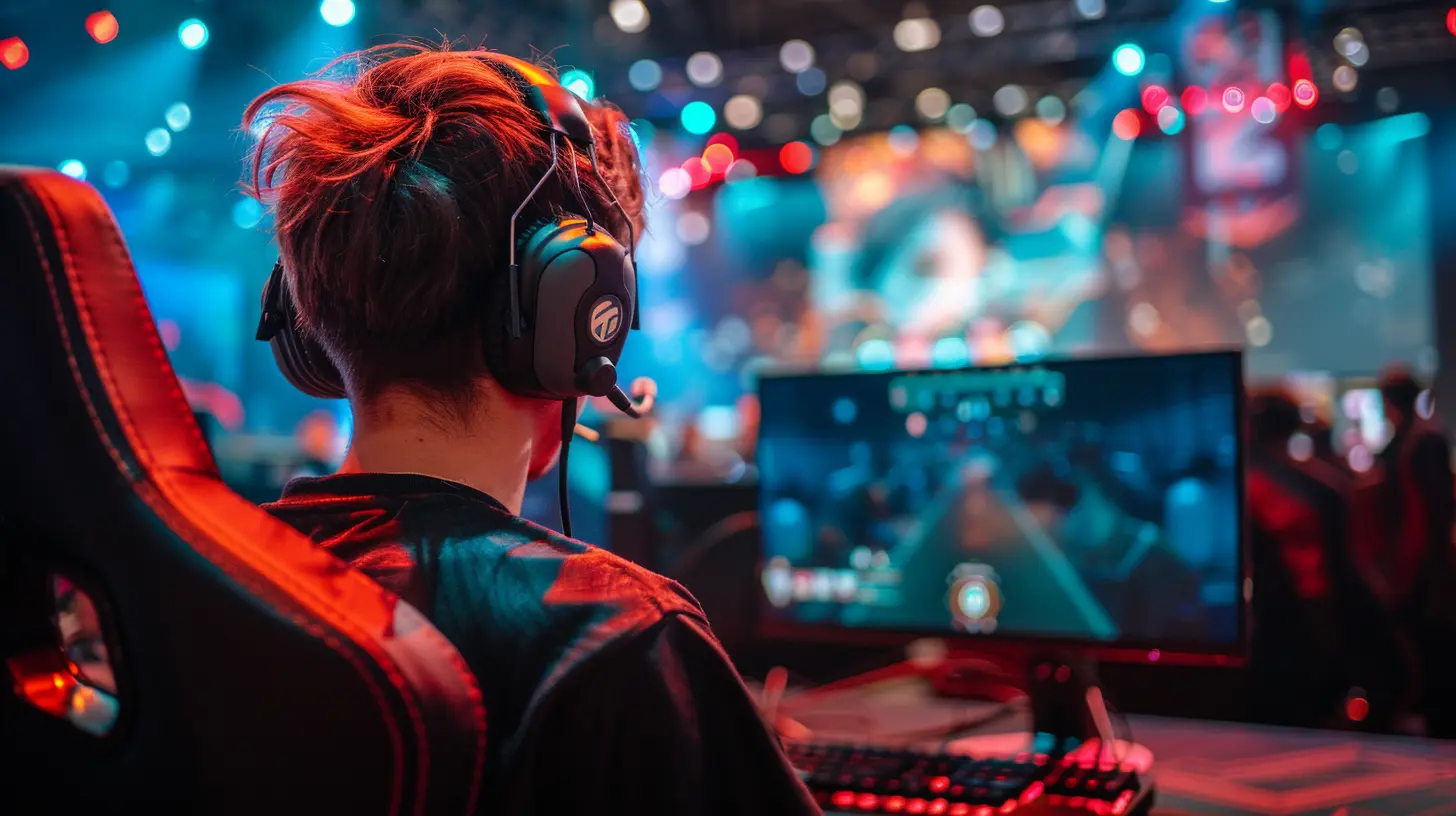
The Mixer Experiment: A Microsoft Misstep
While Twitch, YouTube, and Facebook were fighting for dominance, Microsoft tried to shake things up with Mixer (formerly Beam). Launched in 2016, Mixer had some unique innovations:- Faster-than-Light (FTL) Streaming – Providing near-zero latency streaming for better real-time engagement.
- Major Streamer Acquisitions – Mixer signed Ninja and Shroud, two of the biggest gaming streamers, in exclusive deals.
Despite these bold moves, Mixer struggled to attract viewers. The platform shut down in 2020, with Microsoft redirecting users toward Facebook Gaming.
The Emergence of New Platforms: Kick & Trovo
With competition heating up, new platforms have emerged to challenge the major players.Kick: The New Challenger
With Twitch tightening its monetization policies, Kick entered the scene in 2022, promising better revenue splits for streamers. It quickly gained traction with high-profile streamers jumping ship.Kick’s standout features:
- 95/5 revenue split – A game-changing move that gives streamers the lion’s share of earnings.
- Less stringent content moderation – A double-edged sword, attracting some but pushing others away.
Trovo: Tencent’s Entry
Developed by Tencent, Trovo has been slowly growing, particularly in Asia. With mobile gaming exploding, Trovo has found a niche among mobile esports fans.Key Features:
- Strong Mobile Integration – Optimized for mobile-first esports audiences.
- Tencent Backing – With Tencent’s gaming empire, Trovo has the resources to compete.
The Future of Esports Streaming Platforms
Where does esports streaming go from here? With technology evolving, we’re likely to see even more immersive and interactive experiences.Potential Trends on the Horizon
- Virtual Reality (VR) and Augmented Reality (AR) Streaming – Imagine watching an esports match in VR as if you were in a stadium!- Blockchain & NFTs in Streaming – Potential for decentralized content ownership and rewards for viewers.
- AI-Powered Personalization – Streaming platforms could use AI to recommend content based on your behavior and preferences.
One thing is clear: esports streaming isn't going anywhere. If anything, it's still in its early days, with endless possibilities ahead.
Conclusion: A New Era for Esports Streaming
Esports streaming platforms have come a long way—from clunky, unreliable streams to multi-million-dollar platforms shaping the gaming industry. Twitch might still be king, but competition is fiercer than ever, with YouTube Gaming, Kick, and others attempting to carve out their space.As viewers, we’re in an exciting time where technology continues to refine how we enjoy esports. Who knows? In a few years, we might be watching our favorite esports matches inside the game itself through VR.
The future of esports streaming is as unpredictable as a last-minute clutch in a competitive match—and that’s exactly what makes it so thrilling.
all images in this post were generated using AI tools
Category:
EsportsAuthor:

Uziel Franco
Discussion
rate this article
2 comments
Carmel Stevens
Exciting insights on how streaming shapes the esports landscape!
March 31, 2026 at 10:24 AM
Uziel Franco
Glad you found it insightful! Streaming really is transforming the esports scene in incredible ways.
Kate McMaster
The growth of esports streaming platforms has transformed the gaming landscape, providing unprecedented access for fans and gamers alike. Enhanced interactivity, diverse content offerings, and strategic partnerships have solidified their influence, making them integral to the overall esports ecosystem and its future development.
March 3, 2026 at 4:29 AM
Uziel Franco
Thank you for your insightful comment! Indeed, the rapid growth of esports streaming platforms has reshaped the gaming landscape, fostering greater engagement and accessibility for both fans and players.