The Future of Sponsorships in Esports and Virtual Competitions
23 March 2026
Esports isn’t just a trend anymore—it’s a full-blown global powerhouse. What started as casual online gaming in dorm rooms and basements has exploded into massive competitions filling out stadiums, raking in millions of viewers, and attracting the attention of the world’s biggest brands. As this momentum grows, so does the future of sponsorships in esports and virtual competitions, and wow, is it exciting.
Let’s dive into what’s really happening behind the scenes, where big money meets pixel-powered showdowns.
Why Esports Sponsorships Are Exploding
First off, let’s talk numbers (don't worry, we’ll keep it painless). Esports is projected to become a multi-billion-dollar industry, with global viewership rivaling traditional sports. We're talking Super Bowl-level audiences tuning in to watch digital battles across games like League of Legends, Valorant, and Fortnite.Now, where there are eyeballs, there are brands—hungry to grab attention and loyalty. But esports isn’t your standard ball-and-bat scene. It's tech-savvy and youth-driven, making it perfect for brands trying to get in front of that elusive Gen Z and young millennial crowd.
And here’s the kicker: these younger fans are incredibly brand loyal—especially to brands that speak their language.
What Makes Esports Sponsorships Unique?
Unlike traditional sports, where you slap a logo on a jersey or a banner in the stadium, esports offers a wild new world of opportunities.Here’s the magic sauce:
- Digital Integration: Brands can be embedded directly into games (like having a Red Bull ad on a virtual billboard in Rocket League).
- Livestream Shoutouts: Streamers often give casual or even scripted promos during live games. It's like product placement but in real-time.
- Influencer Power: Pro gamers and streamers are influencers in their own right. A single shoutout can generate more buzz than a traditional ad slot.
- Interactivity: Fans don’t just watch—they chat, vote, and interact. Sponsorships can involve viewers directly, like polls, giveaways, or in-game rewards.
In a way, sponsoring esports is like riding a high-speed rollercoaster where you’re also designing the track. Pretty thrilling, right?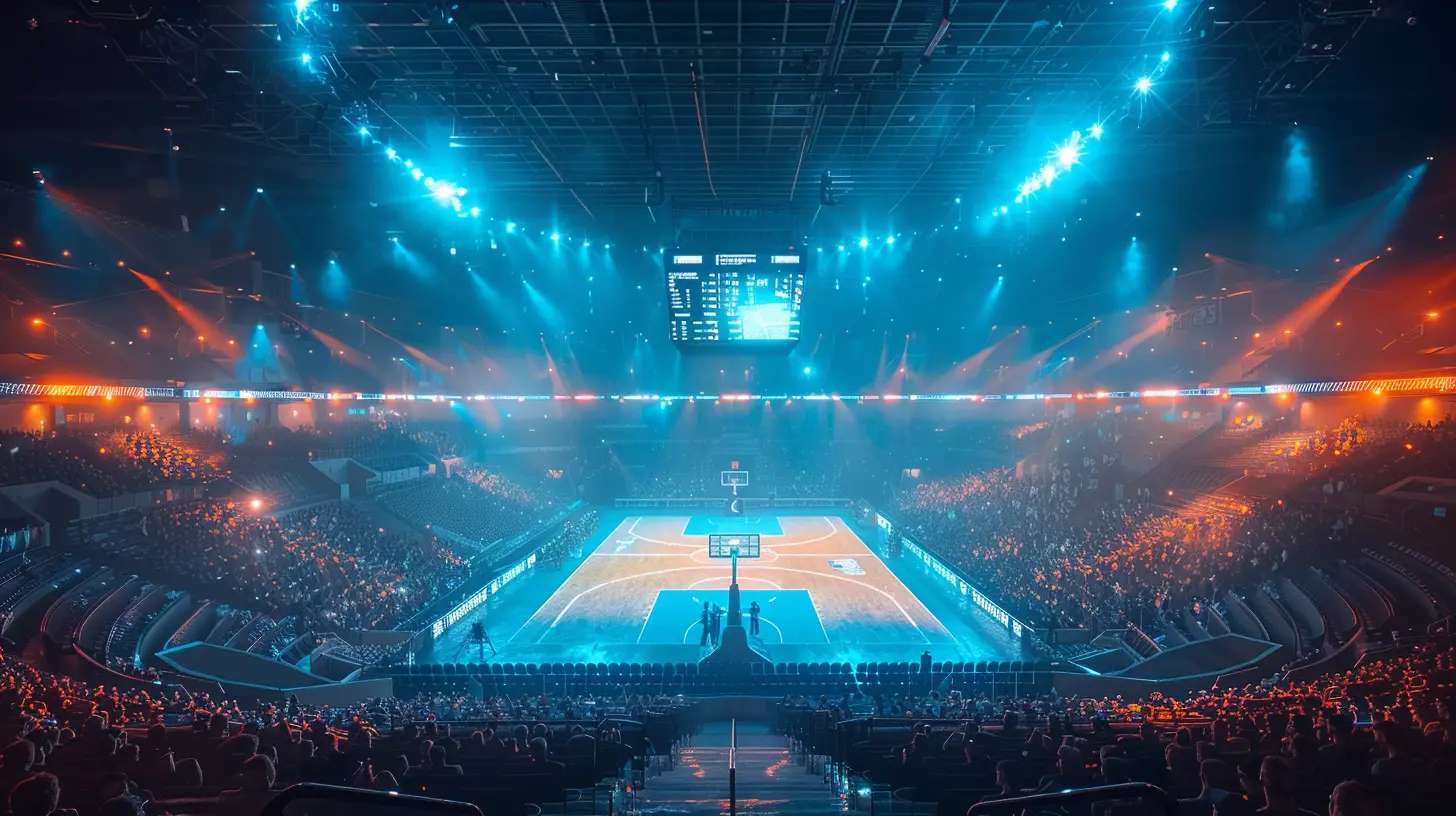
The New Face of Sponsors: Not Just G-Fuel and Headsets
In the early days of esports, sponsors were mostly gaming-related companies—headset and controller brands, energy drinks, and PC hardware names. Makes sense, right?But now? The sponsor list reads like a who’s who of Fortune 500. We’re seeing:
- Finance companies like Mastercard and PayPal.
- Auto giants like BMW and Mercedes-Benz.
- Luxury fashion brands like Louis Vuitton collaborating with League of Legends.
- Food and beverage icons like Coke and KFC.
Why the flood of new players? These brands know that traditional advertising isn’t cutting it anymore. Esports gives them a direct connection to digital-first, ad-block-using, meme-loving audiences who don’t watch cable TV and probably have five YouTube tabs open right now.
How Virtual Competitions Are Expanding the Sponsorship Game
Hold up—there’s more than just esports teams and leagues. Virtual competitions, like online racing simulators (think F1 Esports), fitness games, and even chess tournaments, are all grabbing the spotlight.Why are sponsors lining up for these too?
Imagine this: a virtual cycling race that mimics the Tour de France, streamed to thousands online, with branded virtual gear, hydration breaks sponsored by a real-world beverage brand, and clickable links during the stream to buy the same gear the avatars are wearing.
That’s next-level product placement—and it works.
Virtual competitions expand the playing field massively. They’re cheaper to run, easy to access, and wrapped in data-rich, brand-friendly formats.
The Rise of Micro-Sponsorships and Niche Engagement
Not every brand needs to splash millions for a stadium-sized campaign. Here’s where it gets cool for smaller players: micro-sponsorships.Smaller brands are teaming up with rising streamers, niche teams, or even single-event organizers. This grassroots approach leads to authentic engagement and often better ROI.
It’s kind of like choosing a cozy coffee shop gig over a massive stadium concert—you don’t need a gigantic crowd if your audience is seriously vibing with your message.
And fans notice the authenticity. Nobody likes a brand that’s just there for the clicks. Micro-sponsorships let brands become part of the culture, not just the conversation.
Data, Data Everywhere – And It’s Changing the Game
One of the biggest advantages esports has over traditional sponsorships? Data. So. Much. Data.Esports platforms give sponsors insights like:
- Viewer demographics
- Engagement stats
- Watch time and click-through rates
- In-game behavior
- Even sentiment analysis (how people feel about the brand during streams)
This goldmine of information lets brands fine-tune their strategies and prove ROI with pinpoint accuracy. In the past, that kind of clarity was nearly impossible.
With AI and machine learning stepping in, the future promises even more sophisticated sponsorship models—think real-time ad switches based on viewer behavior. Creepy? Maybe. Effective? You bet.
Challenges Brands Need to Watch Out For
It’s not all sunshine and sponsorships. The esports world comes with a few plot twists.- Toxicity in Gaming Communities: Some brands hesitate because of the reputation around online gaming behavior. If a streamer says something controversial, sponsors can get caught in the backlash.
- Over-commercialization: Gamers are sharp. They can sniff out inauthenticity in seconds. If a brand doesn’t genuinely fit the vibe, it could do more harm than good.
- Fragmentation: Unlike traditional sports (where you have the NFL, NBA, etc.), esports is highly fragmented. Multiple games, platforms, teams, leagues—it’s a lot to navigate.
- IP and Licensing: Games are owned by publishers, and they hold tight control over what can and can’t be used in sponsorships. That creates a legal maze at times.
So yeah, brands need to come prepared, do their homework, and invest smart—not just throw money and hope for magic.
What the Next 5 Years Will Look Like
Okay, let’s whip out the crystal ball. Here's what we see shaping the next chapter of esports sponsorships:1. Virtual-Only Sponsorships: More brands will create entirely digital campaigns—branded skins, in-game events, digital billboards in Metaverse-style environments.
2. Direct-to-Avatar Marketing: Yup, you read that right. Brands will market not just to players but to their avatars. Expect to see virtual sneakers, haircuts, and jerseys from real-world brands.
3. Subscription-based Perks: Teams and streamers might offer brand-sponsored exclusive content or rewards for fans who subscribe or level up their membership.
4. Sponsorships Powered by NFTs and Blockchain: Collectibles, rewards, and brand loyalty programs embedded into the blockchain. Think tokenized fan experiences.
5. Hybrid Events: Expect more events that blend physical and digital, like fans in an offline venue watching a virtual competition with real-world sponsor booths and digital merch giveaways.
6. AI-Driven Personalization: Real-time, personalized sponsor messages during streams based on the viewer’s game history or preferences? Yeah, it’s coming.
The future is part sci-fi, part marketing wizardry—and it’s already starting to unveil itself.
How Brands Can Stay Ahead of the Game
If there’s one thing we know for sure, it’s that esports isn’t slowing down. So, if brands want to ride this rocket, they need to:- Know the audience: Don’t just show up—show up the right way. Understand the culture, language, and humor.
- Be authentic: Gamers have a built-in BS detector. If your sponsorship feels fake, it’ll flop.
- Partner wisely: Choose the right teams, creators, and platforms. It’s like dating—you want good chemistry.
- Invest in long-term relationships: One-off ads don’t cut it anymore. Longevity builds trust.
- Stay agile: Trends change fast here. What worked last year might feel ancient today. Stay flexible and creative.
Esports isn't just another marketing trend. It’s a shift in how we entertain, engage, and build digital communities—and sponsorships are smack in the center of it all.
Final Thoughts
The future of sponsorships in esports and virtual competitions isn’t just bright—it’s practically glowing in RGB.With virtual competitions creating new formats, brands turning to digital-first strategies, and fans craving deeper engagement, it’s a whole new game. Literally.
Whether you’re a brand looking to get your name out there or a fan watching the landscape grow, one thing’s for sure—this high-score chase is just getting started.
Grab your controller. It’s game on.
all images in this post were generated using AI tools
Category:
Sponsorship DealsAuthor:

Uziel Franco
Discussion
rate this article
2 comments
Marigold McLoughlin
Exciting potential, but challenges ahead.
April 19, 2026 at 4:44 AM
Aisha McKellar
Exciting potential for growth ahead!
March 29, 2026 at 4:00 AM
Uziel Franco
Absolutely! The landscape is evolving, and there's so much room for innovation and engagement. Exciting times ahead!