The Impact of 5G on the Future of Esports
1 February 2026
Let’s be honest—esports has taken the world by storm. From packed stadiums to tens of millions of viewers watching online, it’s clear that competitive gaming isn’t just a trend—it’s a full-blown global phenomenon. But have you ever wondered what’s next for this rapidly growing industry?
Well, here comes 5G, the next-generation wireless technology promising lightning-fast speeds, ultra-low latency, and seamless connectivity. If you think esports is big now, just wait until 5G becomes the norm. It’s not an exaggeration to say that 5G might completely redefine the way we experience and participate in esports—whether we’re playing casually or professionally.
So, buckle up. Let's dive into how 5G is shaking things up for the future of esports.
What is 5G, and Why Should Gamers Care?
First things first—what even is 5G? Think of 5G as the superhero of mobile networks. It's the fifth generation of mobile communication that offers faster data transfer, higher bandwidth, and significantly reduced lag.For gamers, that's a game-changer (pun totally intended). Imagine being able to compete in a high-stakes online tournament using just your smartphone without worrying about frame drops, lag spikes, or sudden disconnects. That’s the dream, right?
Here’s a quick comparison to help paint the picture:
| Feature | 4G | 5G |
|--------|----|----|
| Average Speeds | 20-100 Mbps | 300 Mbps – 10 Gbps |
| Latency | ~50 ms | ~1 ms |
| Devices per km² | ~100,000 | ~1 million |
In other words, 5G doesn’t just level the playing field—it builds a whole new one.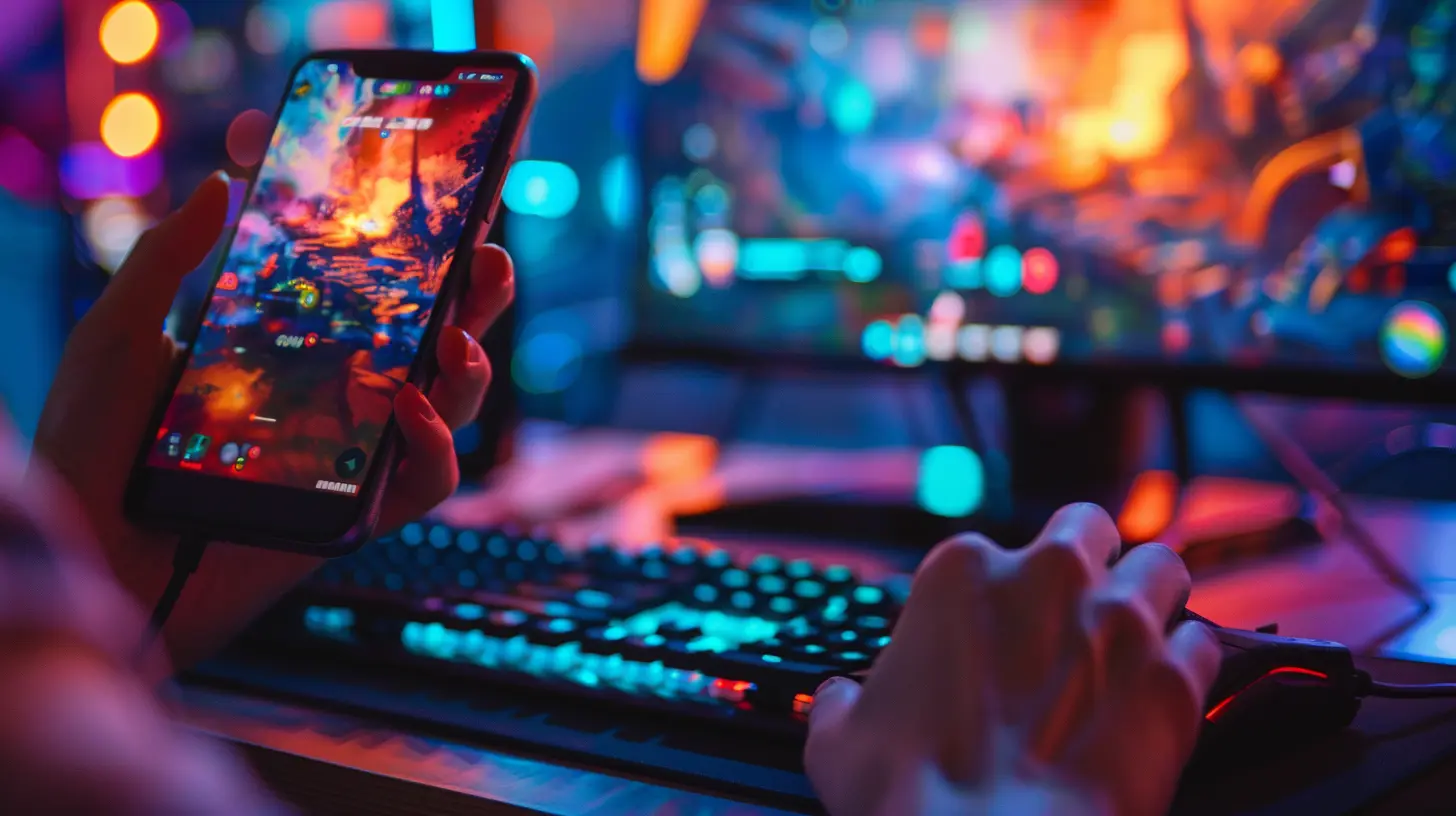
Reduced Latency: The Real MVP in Esports
If you’ve ever lost a match because of a lag spike, you know the pain and frustration it brings. In esports, where every millisecond counts, latency is a huge deal.5G’s ultra-low latency means actions you take in the game will register almost instantly. We’re talking about 1 millisecond delay or less. To put it into perspective, that’s faster than the blink of an eye. This doesn’t just make gameplay smoother; it gives online players a fighting chance against competitors in LAN tournaments.
Think about how big that is. No more “online disadvantage” when playing against someone in a different country. It’s like teleporting to the global stage without leaving your room.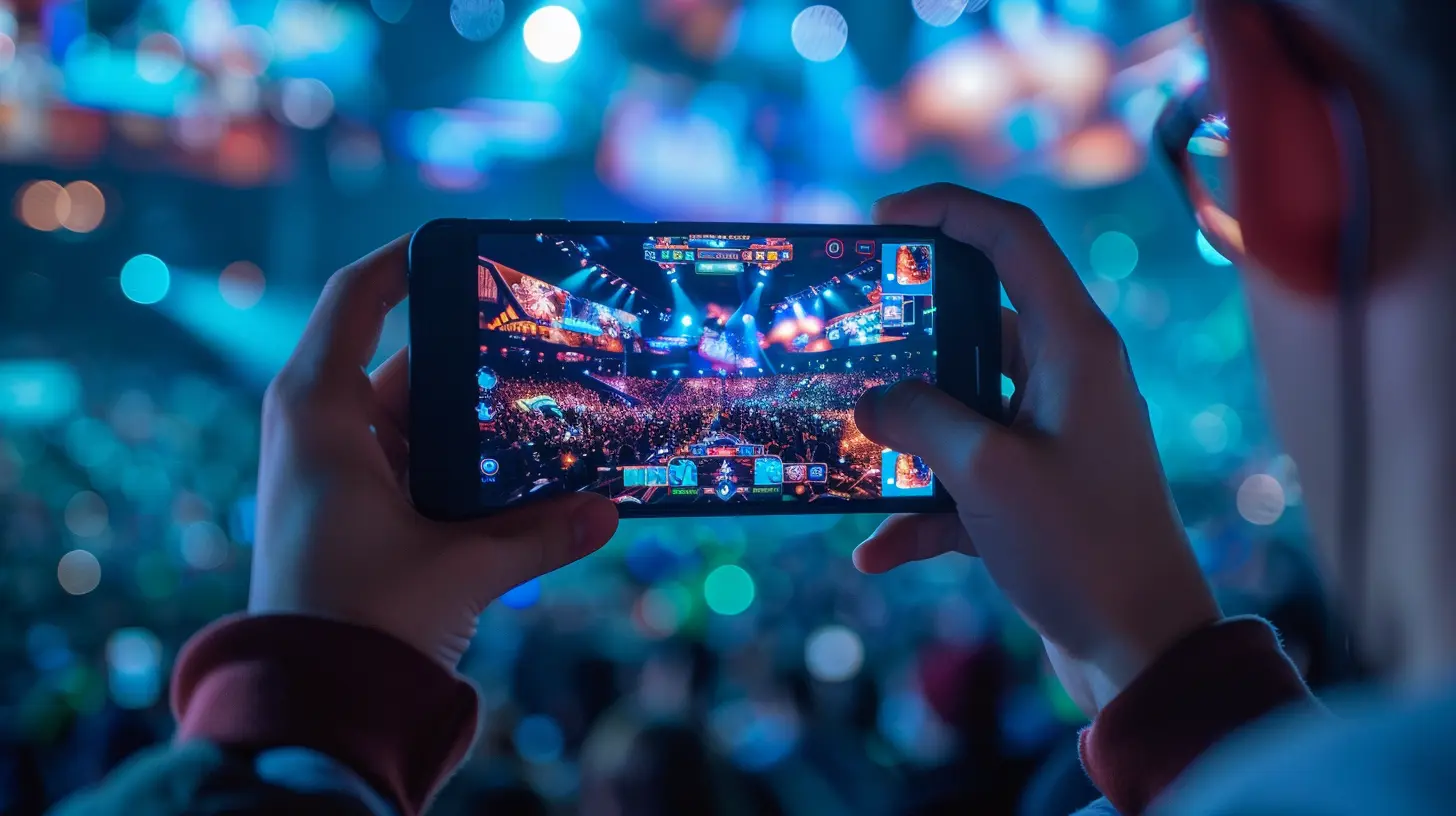
Mobile Esports: The Sleeping Giant Wakes Up
Right now, most top-tier esports are still dominated by PC and console games. But mobile gaming has been quietly growing behind the scenes—and 5G might be its ticket to the spotlight.Titles like PUBG Mobile, Call of Duty Mobile, and Mobile Legends are already pulling millions of players. With 5G’s ability to provide high-speed, stable connections even on the go, mobile esports tournaments can now happen literally anywhere—from a subway ride to a beachside LAN event.
Suddenly, the limitations of traditional hardware or fixed locations vanish. Everyone with a decent smartphone becomes a potential pro.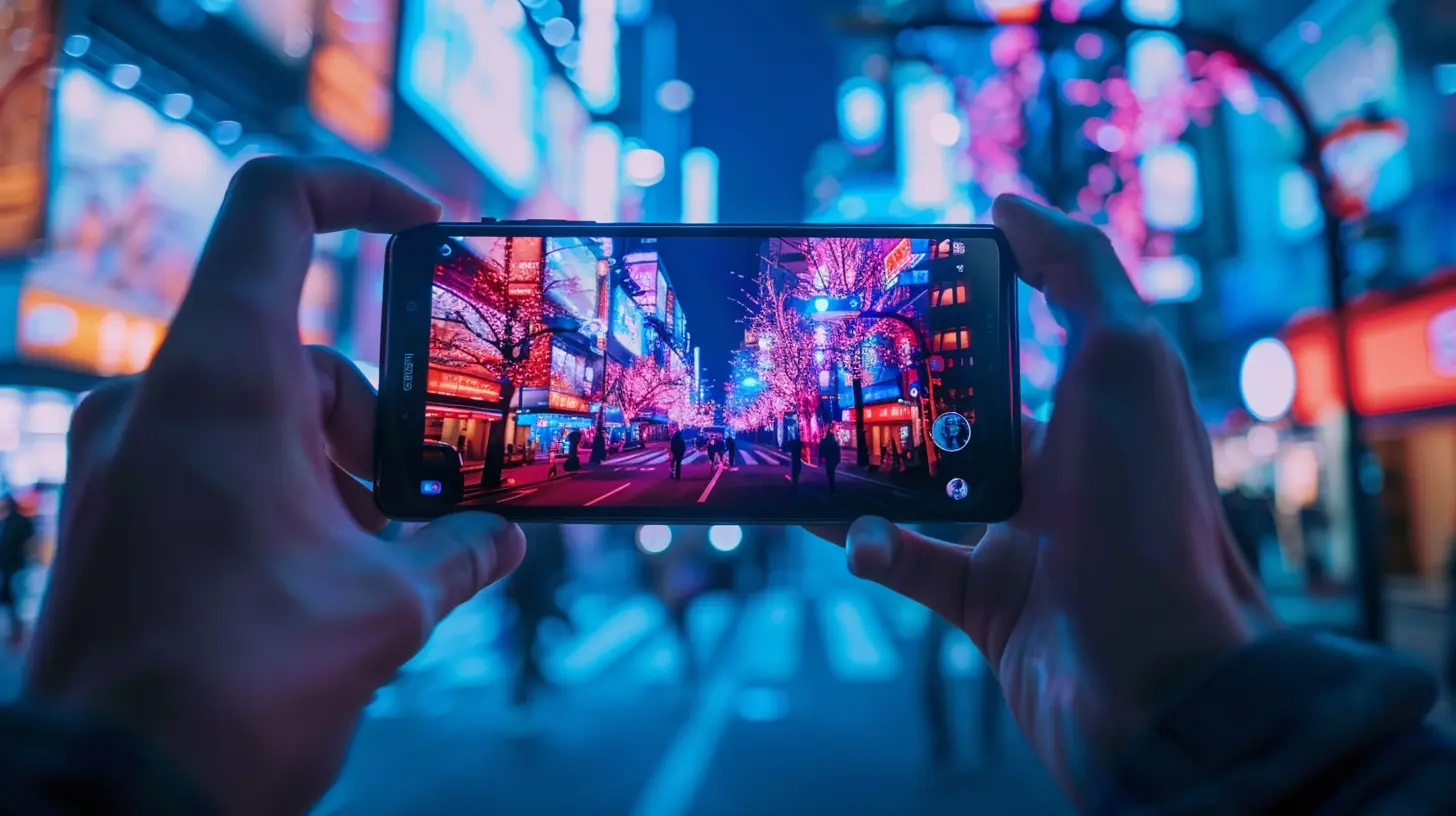
Cloud Gaming and Streaming: Perfected by 5G
Cloud gaming is another area getting turbocharged by 5G. Services like NVIDIA GeForce Now, Xbox Cloud Gaming, and Google Stadia aim to let players stream graphically intense titles directly to their devices—no PC or console required.The only thing holding them back? Lag and connectivity issues. This is where 5G steps in like a knight in shining armor.
With better speeds and near-zero latency, 5G makes cloud gaming not just viable but potentially the norm. Imagine playing League of Legends or Valorant on your tablet at lunch. Or streaming your gameplay in full HD straight from your phone without dropping frames.
It’s like Netflix for gaming—but with you holding the controller.
Accessibility and Inclusion in Esports
Let’s talk inclusivity for a second. One of the biggest hurdles in esports is access—good gear, dedicated internet, and a stable setup aren’t always available to everyone.But 5G has the potential to change that. With fewer hardware requirements (thanks to cloud gaming) and more reliable mobile connections, more players from underrepresented regions can finally jump into the action.
Suddenly, the esports talent pool isn’t limited to those with the best tech. It opens the gates for passionate gamers everywhere—from rural towns to urban centers—to shine on a global stage.
The Rise of Augmented and Virtual Reality Titles
Ever wondered what it’d be like to walk in your character’s shoes—literally? 5G could make that possible with AR (augmented reality) and VR (virtual reality) titles gaining traction in competitive scenes.AR and VR games usually require insane processing speeds and quick input response. The ultra-low latency and powerful bandwidth of 5G makes VR esports a very real possibility.
Think full-body movements, real-time interactions, and immersive environments—all in multiplayer formats. It's like stepping inside the game rather than just controlling it. We’re talking Ready Player One levels of immersion.
If that doesn’t excite you, you may need to check your pulse.
Multi-Device Gameplay and Spectator Experience
Esports isn't just about the players; it’s also a massive spectator sport. Streaming platforms like Twitch and YouTube are filled with millions of fans watching others dominate (or get dominated).5G improves the experience here too. How? It allows multiple devices to effortlessly stream the same event in ultra HD with no delay. Fans can follow their favorite teams live without buffering, even in packed stadiums or on congested networks.
It also makes possible the kind of interactive viewing experience we’ve only dreamed of. Picture this: You’re watching a live match on your phone, but with AR glasses, you get real-time stats, 3D replays, and clickable character breakdowns right in front of your eyes.
Now that’s one way to flex during a watch party.
5G and the Business of Esports
It’s not just gamers who benefit—sponsors, teams, and tournament organizers are all getting a piece of the 5G pie.Think fewer technical interruptions, wider audiences, and the chance to host tournaments in previously unreachable locations. It's an economic booster for the entire ecosystem.
Brands can run smoother events, advertisers can target better, and teams can scout talent globally without logistical nightmares. Everyone wins—especially the fans.
Potential Challenges to Watch Out For
Okay, let’s not get too starry-eyed. Like any tech revolution, 5G comes with its own set of challenges.- Infrastructure Costs: Setting up 5G networks isn't cheap. It’ll take time to roll it out everywhere.
- Device Compatibility: Not all gaming devices are 5G-ready just yet.
- Data Caps: Super-fast connections can burn through data like wildfire. Carriers need to catch up with reasonable plans.
But here’s the thing: every big leap comes with growing pains. The internet we rely on today had its dial-up days too. Remember those?
What the Future Might Look Like
Let’s try to paint a picture of where we're headed.It’s 2030. You’re playing a fully immersive VR MOBA game from your living room. Your teammate is on a beach halfway around the world using AR glasses. Your coach is analyzing your real-time stats from a tablet, and your mom is watching the match live in 4K on her smart fridge.
Silly? Maybe. But with 5G—totally possible.
Esports is about to become more connected, accessible, and immersive than ever before. Whether you’re grinding ranked matches or just vibing with friends, 5G is set to elevate the entire gaming experience.
Final Thoughts
The impact of 5G on the future of esports? Massive. It’s not just about better ping or smoother graphics. It’s about breaking barriers—geographic, economic, and technological.We’re at the start of something big, and if you’re a gamer, streamer, developer, or just a fan, the 5G era is one you’ll want to be part of. It’s fast, it’s powerful, and it’s coming for the throne.
So grab your controller, headset, or mobile and join the ride. The future is now—and it’s running on 5G.
all images in this post were generated using AI tools
Category:
EsportsAuthor:

Uziel Franco
Discussion
rate this article
2 comments
Faye Hernandez
5G will revolutionize esports with faster connections, reducing lag and enhancing the overall gaming experience.
March 3, 2026 at 4:29 AM
Uziel Franco
Absolutely! 5G's speed and low latency will significantly enhance gameplay and stream quality, making esports even more immersive and competitive.
Stella Hamilton
5G will revolutionize esports by enhancing connectivity, reducing latency, and enabling more immersive experiences. However, its true impact depends on accessibility and infrastructure development worldwide.
February 2, 2026 at 12:11 PM
Uziel Franco
Absolutely, 5G holds great promise for esports, but its success hinges on global accessibility and robust infrastructure.

![What Makes [Player Name] Unstoppable: A Look at Their Key Strengths](/pictures/blog/small/what-makes-player-name-unstoppable-a-look-at-their-key-strengths_3.webp)