The Impact of Early Specialization in Youth Sports
25 May 2026
When we talk about kids and sports, most of us dream about future Olympians, the next LeBron James, or maybe the next Serena Williams. It’s exciting! But there’s a growing concern among parents, coaches, and even athletes themselves about early specialization in youth sports. The big question is: Is it really worth it for young athletes to focus on just one sport from an early age?
In this article, we’re going to dig deep into the impact of early specialization in youth sports. We’ll explore the benefits and risks, and by the end, you’ll have a better idea of whether it’s the right path for your child or the young athletes you’re coaching.
What is Early Specialization?
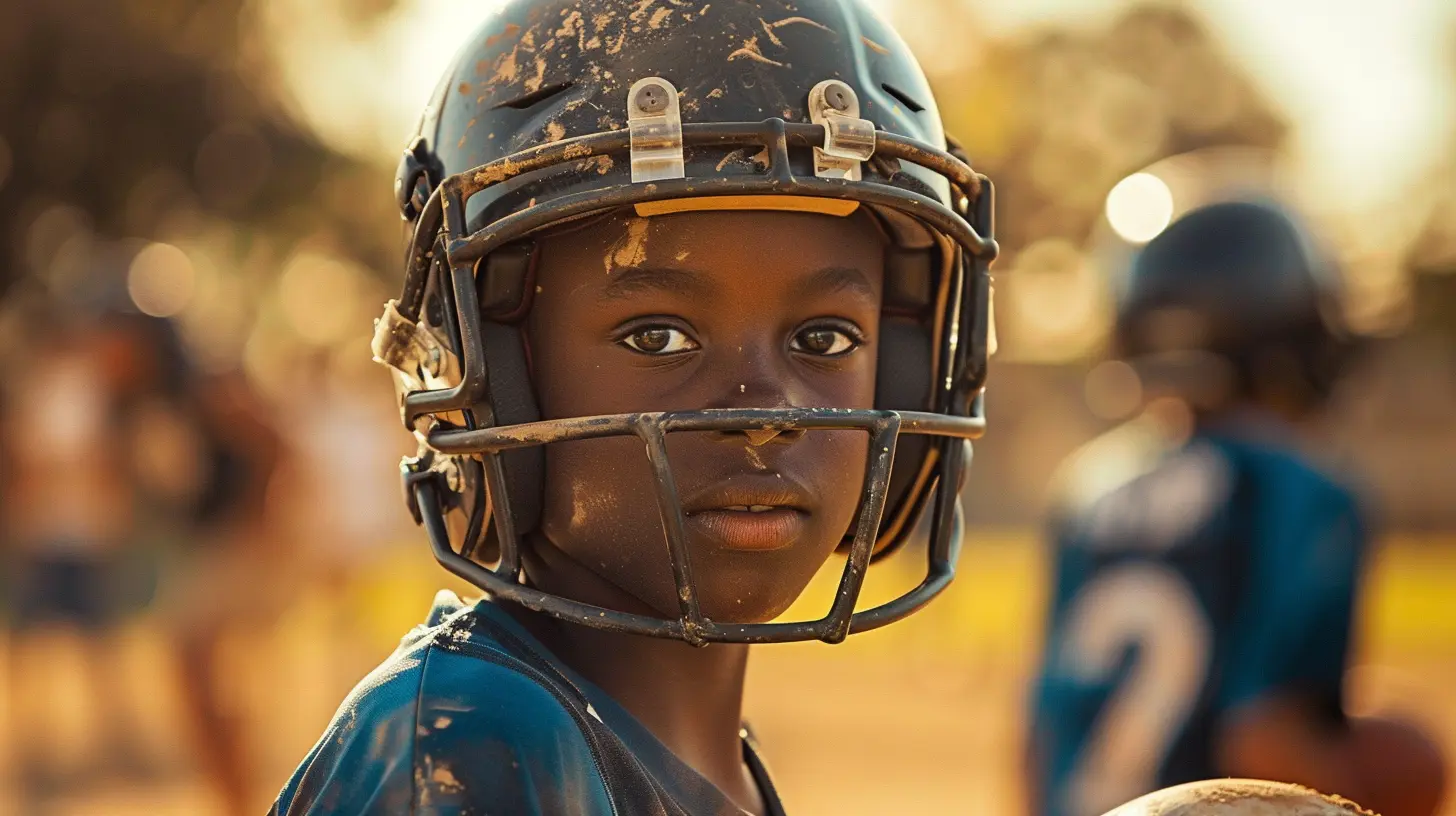
Before we get too far ahead, let’s make sure we’re on the same page. Early specialization refers to having kids focus on one sport, often before the age of 12. That might mean year-round training and competition in a single sport, with little to no involvement in other activities.Think about a young soccer player who plays on multiple leagues, attends specialized camps, and spends every weekend at tournaments. They’ve chosen their sport, and they’re sticking to it. Sounds impressive, right? But is it the best path for long-term success?
The Allure of Early Specialization
A Shot at Greatness
For many parents and coaches, early specialization can seem like the golden ticket. If a child focuses on one sport, they can dedicate all their time and energy to becoming the best. After all, practice makes perfect, right? The idea is that by putting in more hours, kids can gain an edge over their peers, refine their skills, and one day, maybe become a pro.Names like Tiger Woods, who started golfing before he could walk, or Venus and Serena Williams, who dedicated their childhood to tennis, are often cited as examples of how specialization can lead to greatness. These athletes were laser-focused on their sport from a young age, and it clearly paid off.
The Path to Scholarships
Another reason parents push for early specialization is the potential for college scholarships. With the rising cost of higher education, the prospect of a sports scholarship can be tantalizing. If a child becomes exceptional in their sport, the thinking goes, they’ll have a better chance of securing financial support for college.The Competitive Nature of Youth Sports
Let’s face it: Youth sports are more competitive now than ever before. Kids are playing in national tournaments, getting private coaching, and even traveling internationally. With so much pressure to perform, it’s easy to see why parents and coaches might feel that early specialization is the only way to keep up.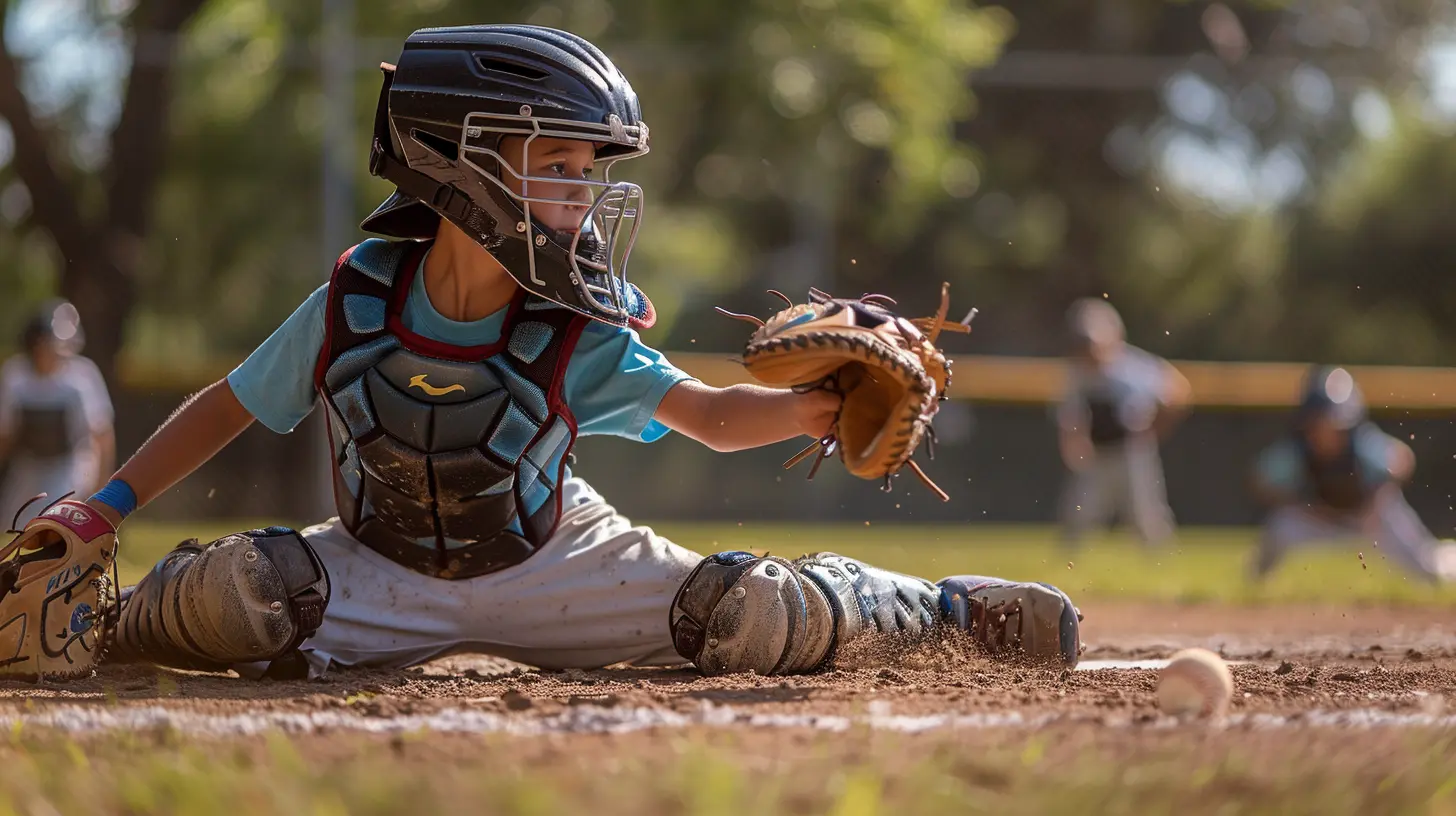
The Risks of Early Specialization
But here’s the thing: While early specialization can offer some benefits, it’s important to weigh the risks. And unfortunately, the risks can be pretty significant.Increased Risk of Injuries
One of the biggest concerns with early specialization is the increased risk of injuries. Think about it: When kids are constantly playing the same sport, they’re using the same muscles, joints, and movements over and over again. This repetitive motion can lead to overuse injuries.For example, young baseball pitchers often deal with shoulder and elbow injuries due to the repetitive nature of throwing. Soccer players might experience knee problems because of the constant running and cutting. These injuries can be serious and, in some cases, lead to long-term damage.
In fact, research shows that kids who specialize in one sport are more likely to experience overuse injuries compared to those who play multiple sports. The body needs time to rest, recover, and develop evenly, which is hard to achieve when you’re focused on just one activity.
Burnout: When Fun Turns into a Chore
Remember when playing sports was just about having fun? For many kids, early specialization can take the joy out of the game. When a sport becomes an obligation rather than something they enjoy, kids can start to experience burnout.Burnout is more than just feeling tired. It’s an emotional and physical exhaustion that can lead to a loss of interest in the sport altogether. Kids who are burned out might feel pressured to perform, stressed out by expectations, or simply bored from doing the same thing day in and day out. When this happens, they’re more likely to quit the sport altogether by the time they hit their teenage years.
Limited Athletic Development
Another risk of early specialization is that it can limit a child’s overall athletic development. When kids play multiple sports, they’re exposed to a variety of movements, skills, and experiences. They’re running, jumping, throwing, catching, and developing coordination in all sorts of ways.On the other hand, when kids specialize too early, they’re only developing the skills needed for that one sport. As a result, they may miss out on the chance to become well-rounded athletes. Ironically, this can actually hurt their performance in their chosen sport in the long run.
For example, basketball players who also play soccer might develop better footwork and agility, which can help them on the court. Football players who run track might build stamina and sprinting speed. The more diverse the athletic experience, the better!
The Pressure to Succeed
Let’s not forget the mental and emotional toll early specialization can take. Kids are under enough pressure as it is, and when they focus on one sport, that pressure can intensify. They might feel like their entire identity is tied to their performance in that sport, which can lead to anxiety, stress, and a fear of failure.When we push young athletes to specialize too early, we risk placing too much emphasis on winning, scholarships, and future success. This can rob them of the joy of playing for the love of the game.
The Benefits of Multi-Sport Participation
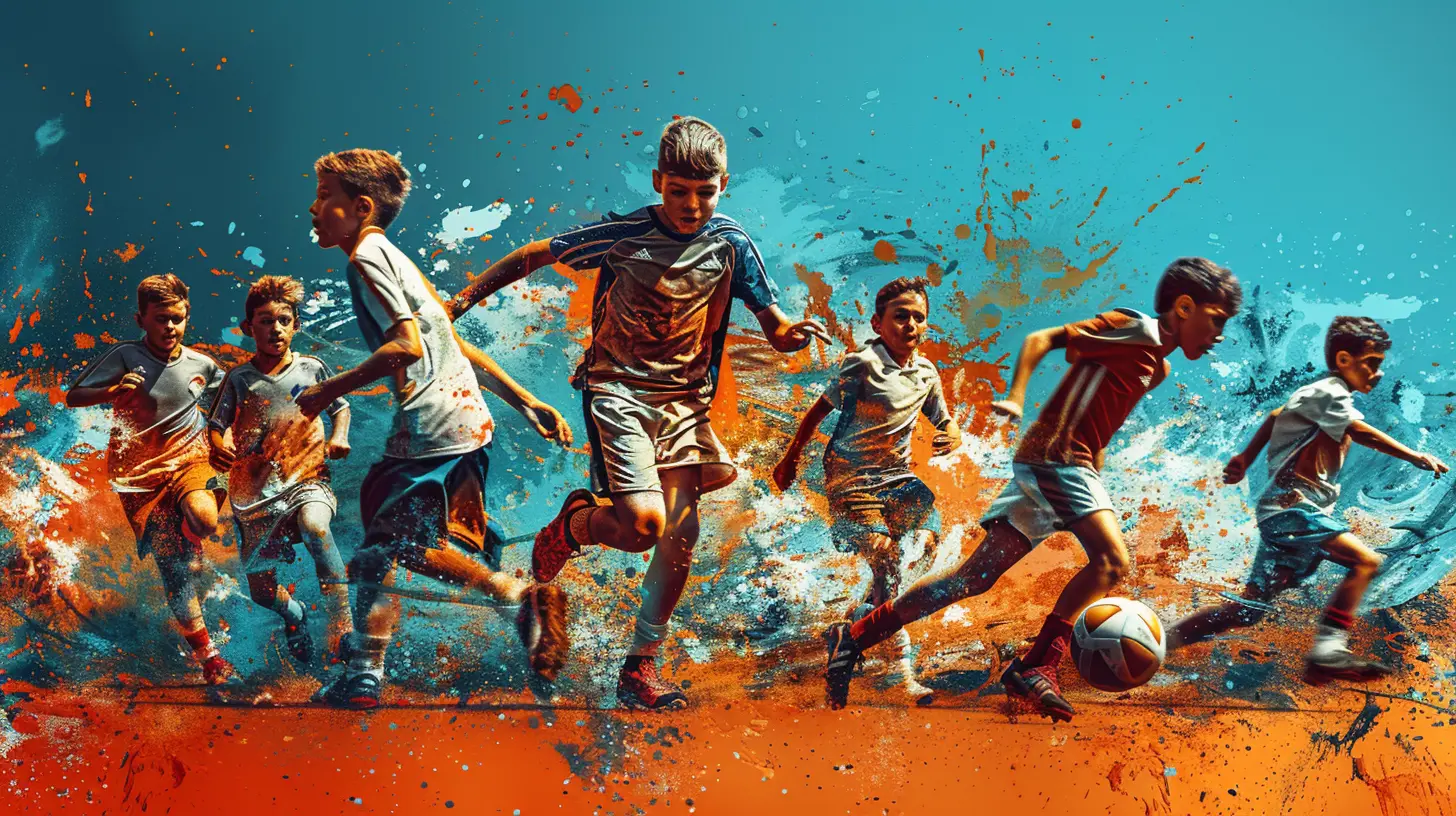
So, what’s the alternative? Instead of pushing kids to specialize, many experts recommend encouraging multi-sport participation, especially during the early years. This approach allows kids to explore different activities, develop a wide range of skills, and discover what they truly enjoy.Better Overall Athletic Development
When kids play multiple sports, they engage in a variety of movements and skills. This can help them develop better coordination, balance, agility, and strength. Plus, they’re less likely to experience overuse injuries because they’re not constantly using the same muscles and joints.In fact, many professional athletes credit their multi-sport backgrounds for their success. For example, NFL quarterback Patrick Mahomes played baseball and basketball in addition to football, and NBA star Steve Nash played soccer growing up. These experiences helped them become the well-rounded athletes they are today.
Reduced Risk of Injury
As we mentioned earlier, specializing in one sport increases the risk of overuse injuries. By playing multiple sports, kids give their bodies a chance to rest and recover, reducing the likelihood of injury. Plus, the diverse movements required in different sports can help strengthen a variety of muscles and joints, making them more resilient.Mental and Emotional Benefits
Playing multiple sports can also benefit kids mentally and emotionally. When kids are exposed to different sports, they experience a variety of challenges and successes. This can help build resilience, confidence, and a love for physical activity.Additionally, playing different sports can reduce the pressure to succeed in any one area. Instead of feeling like their entire identity is tied to one sport, kids can explore a range of interests and talents.
Delayed Specialization: A Better Approach?
So, if early specialization isn’t the answer, what is? Many experts recommend delayed specialization. This approach encourages kids to try multiple sports when they’re young and only specialize in one sport later on, usually around the age of 15 or 16.Delayed specialization allows kids to develop a broad base of athletic skills, reduce the risk of injury, and avoid burnout. It also gives them time to figure out which sport they truly love and want to pursue at a higher level.
A Balanced Perspective
So, what’s the verdict on early specialization in youth sports? Like most things in life, it’s all about balance. While early specialization might work for a select few athletes, it’s not the best path for everyone. For most kids, playing multiple sports during their early years can lead to better overall athletic development, reduced risk of injury, and a more enjoyable experience.As parents, coaches, and athletes, it’s important to keep the long-term picture in mind. Sports should be fun, and kids should have the chance to explore different activities without feeling pressured to specialize too soon. After all, the ultimate goal isn’t just to raise great athletes—it’s to raise happy, healthy, and well-rounded individuals.
Final Thoughts
In the end, early specialization in youth sports is a double-edged sword. While it might offer some immediate benefits, the risks often outweigh the rewards. Encouraging kids to play multiple sports can help them develop into well-rounded athletes and, most importantly, ensure that they enjoy the journey along the way.So, whether you’re a parent, coach, or an aspiring athlete, remember this: It’s not just about the destination—it’s about the ride. And the best rides are the ones filled with variety, fun, and a little bit of everything.
all images in this post were generated using AI tools
Category:
Youth SportsAuthor:

Uziel Franco
Discussion
rate this article
1 comments
Reese Banks
Ah yes, let's train kids to be mini pros by age six. Because who needs a childhood full of fun when you can have burnout instead?
June 4, 2026 at 10:49 AM
![From Rookie to Superstar: [Player Name]s Impact on the League](/pictures/blog/small/from-rookie-to-superstar-player-names-impact-on-the-league_1.webp)