The Importance of Authenticity in Athlete-Brand Partnerships
7 April 2026
In today's hyper-connected digital world, we are bombarded with advertisements, sponsorships, and endorsements at every turn. From scrolling through social media to watching your favorite sports event, it's hard to escape the constant barrage of brands vying for your attention. But here's the thing: not all endorsements are created equal. As consumers become more discerning, they crave something real. They want authenticity, especially when it comes to athlete-brand partnerships.
This begs the question: what does authenticity really mean in the world of endorsements? And why is it so critical for athletes and brands to prioritize it? Let’s break it down.

What Does Authenticity Mean in Athlete-Brand Partnerships?
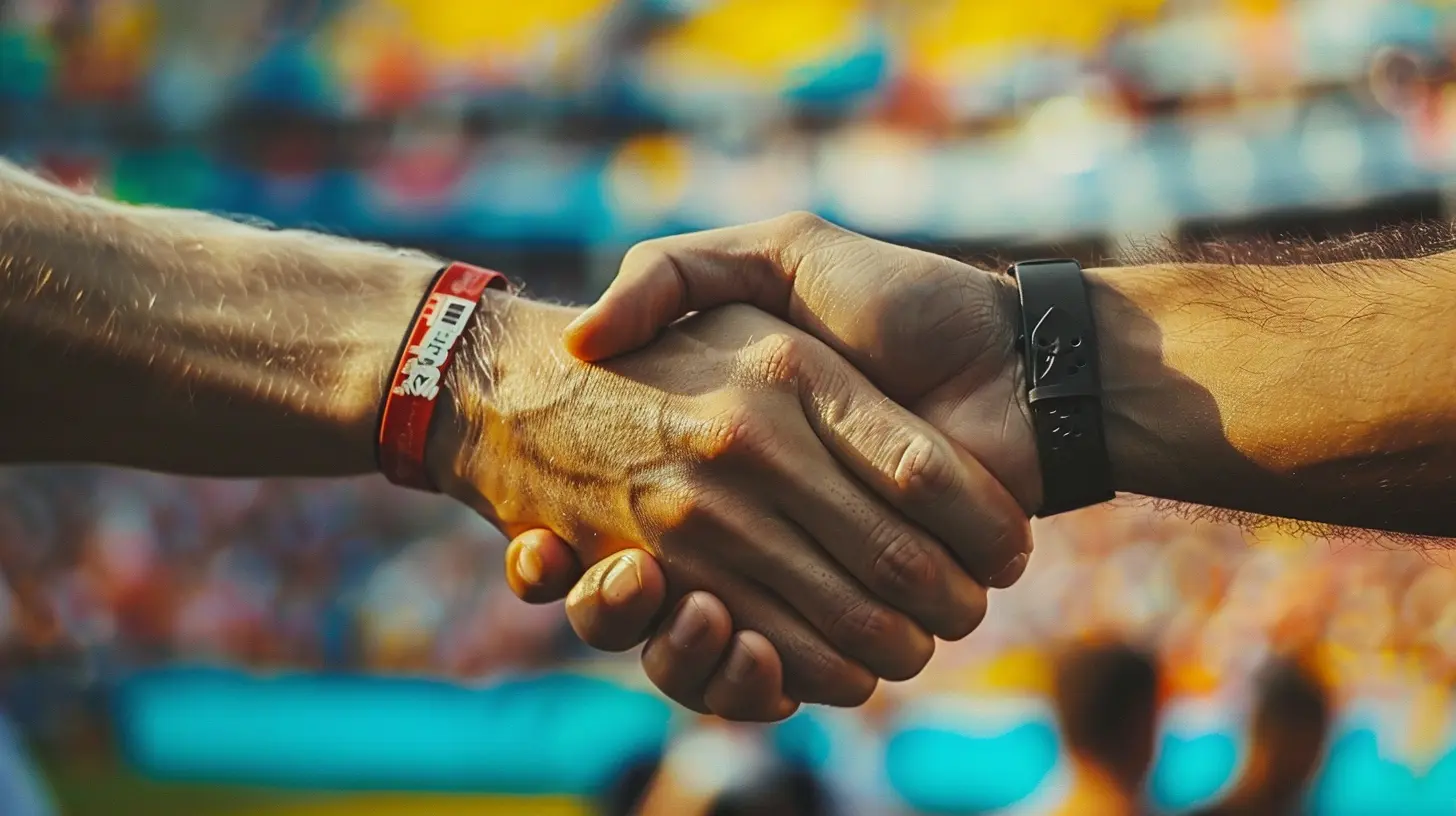
Before we dive into why authenticity is so important, let’s clarify what we mean by it. Authenticity, in its simplest form, is about being genuine, trustworthy, and true to oneself. In the context of athlete-brand partnerships, authenticity means that the athlete genuinely believes in the brand they're representing and that the partnership feels natural and sincere.Think about it: if a vegan athlete suddenly starts promoting a fast-food burger chain, it feels off, right? It lacks that essential element of authenticity because there’s a clear disconnect between the athlete’s personal values and the brand they’re endorsing.
Authenticity is about alignment. It's when the athlete’s values, beliefs, and lifestyle align with the brand’s message, products, or services. This kind of synergy creates a partnership that feels organic and believable—one that fans and consumers can get behind.
Why is Authenticity Important?
1. Trust is the Foundation of Every Relationship
At the heart of every successful athlete-brand partnership is trust. Fans look up to athletes not just for their physical prowess but also for their character. The moment an athlete endorses a product that doesn’t resonate with their personal brand, they risk losing the trust of their fans. And let’s be honest, trust is hard to earn but incredibly easy to lose.In the digital age, where transparency is everything, consumers are quick to sniff out inauthentic partnerships. If it feels like an athlete is simply doing it for the paycheck, rather than genuinely believing in the product, people will notice. And once trust is broken, it’s tough to regain.
Brands that partner with athletes who genuinely believe in their products not only build trust, but they create long-lasting relationships with consumers. In essence, authenticity breeds trust, and trust is the currency that fuels successful partnerships.
2. Authenticity Drives Engagement
Let’s face it—people don’t want to be sold to all the time. They want to feel connected, inspired, and understood. When athletes genuinely believe in the brands they promote, it shows. This kind of authenticity leads to higher levels of engagement.Take social media, for example. When an athlete posts about a product they actually use and believe in, their followers are more likely to engage with the post. Why? Because it feels real. Fans can sense when an athlete is passionate about a product, and they’re more likely to pay attention, comment, share, or even make a purchase as a result.
In contrast, inauthentic partnerships often fall flat. If it’s clear that the athlete is simply pushing a product for the sake of an endorsement deal, followers are less likely to engage. They might even tune out entirely, leading to diminished returns for both the athlete and the brand.
3. Longevity Over Quick Wins
In the world of athlete-brand partnerships, it’s easy to go for the quick win—a lucrative endorsement deal that may not necessarily align with the athlete’s values. But here’s the catch: quick wins don’t last.Authenticity, on the other hand, fosters longevity. When an athlete and a brand are aligned in their values and goals, the partnership can evolve and grow over time. Think of it like planting a tree—authenticity is the root system. The deeper and stronger the roots, the longer the tree will thrive.
A long-term partnership built on authenticity benefits both parties. The athlete enjoys a steady stream of income and brand alignment, while the brand enjoys consistent, genuine promotion that resonates with consumers. Everybody wins.
4. It Strengthens the Athlete’s Personal Brand
Athletes are more than just their performance on the field, court, or track. They are public figures with personal brands that extend far beyond their sport. Authenticity plays a massive role in shaping and strengthening that personal brand.When an athlete consistently partners with brands that align with their values, they reinforce their personal brand. Fans begin to associate the athlete with certain qualities—whether it’s sustainability, health, luxury, or even innovation. This consistent messaging strengthens the athlete's overall image and reputation.
On the flip side, when athletes engage in inauthentic partnerships, it can damage their personal brand. A few misaligned endorsements could leave fans questioning the athlete’s integrity, which can have long-lasting consequences on their career and marketability.
5. Consumers Are Smarter Than Ever
Let’s not underestimate the modern consumer. People today are smarter, savvier, and more skeptical than ever before. They can spot a disingenuous endorsement from a mile away.According to a 2022 survey by Edelman, 81% of consumers say they need to be able to trust a brand to buy from them. And trust isn’t built through flashy ads or big-name endorsements—it’s built through authenticity. Consumers want to know that the athlete genuinely believes in the product they're promoting.
Moreover, with social media providing behind-the-scenes access to athletes’ lives, it's easier than ever for fans to see what an athlete really cares about. If there’s a disconnect between what the athlete stands for and the products they promote, it’s only a matter of time before consumers catch on.
6. The Rise of Social Causes and Ethical Brands
In recent years, we’ve seen a massive shift in consumer behavior towards brands that champion social causes, sustainability, and ethical practices. As a result, athletes who are passionate about these causes are more likely to partner with brands that align with their values.Athletes like Serena Williams, who has been a vocal advocate for gender equality and social justice, naturally gravitates towards brands that reflect those values. Her partnerships with companies like Nike, which has made strides in promoting women’s sports and social justice causes, feel authentic and meaningful.
Brands that align with an athlete's values not only benefit from the athlete's endorsement but also from the positive association with important social causes. This creates a powerful, authentic partnership that resonates with consumers on a deeper level.

How to Achieve Authenticity in Athlete-Brand Partnerships
Now that we’ve covered why authenticity is so important, let’s talk about how to achieve it. Here are some key strategies for creating authentic partnerships between athletes and brands:1. Align Values and Beliefs
The most successful athlete-brand partnerships are those where the athlete’s values and beliefs align with the brand’s message. Before entering into a partnership, both the athlete and the brand should evaluate whether they share common goals and values.2. Be Transparent
Transparency is key to building trust. Athletes should be upfront about their involvement with a brand, explaining why they chose to partner with the company and how it aligns with their personal values. This level of transparency helps to reinforce the authenticity of the partnership.3. Focus on Long-Term Collaborations
Rather than opting for one-off endorsement deals, athletes and brands should aim for long-term collaborations. A long-term partnership allows the athlete to genuinely integrate the brand into their life, making the promotion feel more organic and authentic.4. Stay True to the Athlete’s Personal Brand
Athletes should avoid partnerships that conflict with their personal values or image. Just because a brand offers a lucrative deal doesn’t mean it’s the right fit. Staying true to their personal brand will ensure that athletes maintain their integrity and continue to resonate with their audience.
Conclusion
Athlete-brand partnerships are more than just business deals—they’re relationships built on trust, alignment, and shared values. In a world where consumers are more skeptical than ever, authenticity is the key to success. When athletes genuinely believe in the brands they endorse and when those brands align with the athlete's values, the partnership feels real, and fans take notice.While it may be tempting to chase lucrative endorsement deals, it’s the authentic partnerships that stand the test of time. Athletes and brands alike would do well to focus on building genuine, long-lasting relationships that are rooted in authenticity, trust, and shared values.
At the end of the day, a partnership that feels true will always resonate more with consumers than one that’s purely transactional.
all images in this post were generated using AI tools
Category:
Sponsorship DealsAuthor:

Uziel Franco
Discussion
rate this article
2 comments
Luna Lane
Stay true, build trust.
May 17, 2026 at 2:51 AM
Uziel Franco
Absolutely, authenticity fosters genuine connections and trust is key in any partnership.
Corinne McFadden
What a fantastic read! Authenticity truly shines in athlete-brand partnerships, bringing genuine connections to fans. It’s inspiring to see how athletes can stay true to themselves while making a positive impact. Keep shining, everyone! 🌟
April 7, 2026 at 2:46 AM
Uziel Franco
Thanks for the kind words! I'm glad you found it inspiring. Authenticity really does make a difference in these partnerships.