The Importance of Goal Setting for Young Athletes
20 December 2025
When it comes to sports, talent is just the starting point. What really separates the good from the great is mindset—and a big part of that mindset is goal setting. Now, if you're a young athlete (or the parent or coach of one), knowing how to set the right goals can be an absolute game-changer. Seriously, without goals, you're basically driving with no map, no destination, and maybe not even a full tank of gas.
So, let’s dive deep into why goal setting matters so much for young athletes, and how it can shape performance, character, and even life beyond the field.
Why Goal Setting is a Game-Changer
Gives Purpose and Direction
Ever tried throwing darts in the dark? That’s what it’s like training without goals. You can be practicing day in and day out, but if you don’t know what you're aiming for, you're just going through the motions.Goals give young athletes clarity. Whether it's making the starting lineup, running a faster mile, or nailing that free throw shot—goals turn vague hopes into clear targets.
Boosts Motivation
Let’s be honest. Training can be grueling. Early mornings, sore muscles, burned out weekends... it’s a grind. So why do some kids stick it out while others quit?Goals. When there's something to chase—a personal best, a championship, a comeback—it lights a fire. Every practice suddenly feels like a step toward something big. That kind of motivation can’t be underestimated.
Types of Goals Young Athletes Should Set
There’s no “one-size-fits-all” when it comes to goal setting. It’s more like building a toolbox. Different situations need different tools. Here are a few types of goals every young athlete should know:1. Short-Term Goals
Think of these like stepping stones. They’re the “right now” goals—something achievable in a few days or weeks. Maybe it’s increasing reps at the gym, improving focus during drills, or showing up on time to every practice for a month.Why are these important? Because they create quick wins. And quick wins build confidence.
2. Long-Term Goals
These are the big ones. Long-term goals are the dreams: making varsity, earning a scholarship, becoming team captain. They take time, patience, and consistent effort.The trick is to chunk these big goals into bite-sized pieces—mini-goals that act like checkpoints on your road to success. That way, even if you're chasing something huge, you don’t get lost or overwhelmed.
3. Performance Goals vs. Outcome Goals
Let’s break this down:- Performance goals focus on how you play: improve shooting accuracy by 10%, increase vertical jump by 5 inches, etc.
- Outcome goals are all about the results: winning the game, placing first in a race, getting selected for the team.
While outcome goals are exciting (who doesn’t love a win?), performance goals are often the smarter route. Why? Because they're within your control. You can’t control how your opponent plays or how the ref calls the game—but you can control how hard you train, how focused you are, and how you perform.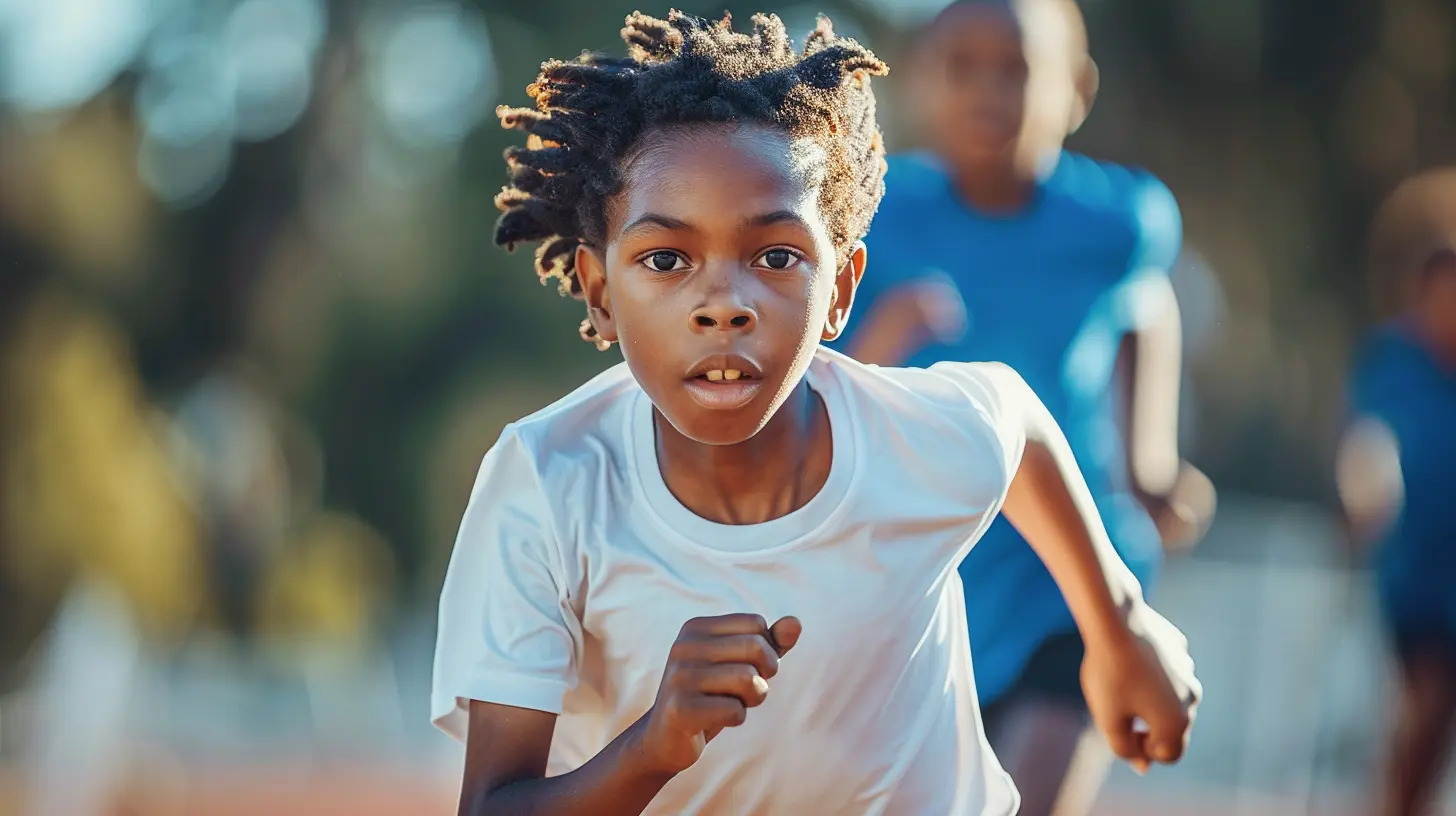
How to Set Goals That Actually Stick
Okay, we’ve talked about the types of goals—but how do you make them effective? Here's a framework that’s practically foolproof:Use the SMART Method
You’ve probably heard this before, but it’s popular for a reason. SMART stands for:- Specific: Don’t just say “get better at tennis.” Say “improve my backhand return.”
- Measurable: Add numbers—“increase backhand accuracy to 80%.”
- Achievable: Be realistic. Goals should challenge you, not crush you.
- Relevant: Make sure the goal lines up with your athletic ambitions.
- Time-Bound: Set a deadline! Open-ended goals end up floating into the abyss.
A SMART goal could look like this: “I want to improve my 100-meter sprint time from 13.5 seconds to 12.9 seconds in the next 8 weeks.”
Boom. That sticks.
The Psychology Behind Goal Setting
We’re not just talking drills and routines here—goal setting taps into the mind as much as the muscles. Here’s how it affects an athlete psychologically:Confidence Goes Up
Ever notice how setting and reaching a goal—even a small one—makes you feel like a rockstar? Every time a young athlete hits a milestone, it reinforces a powerful message: “I can do hard things.”That self-belief can carry them through the toughest training sessions and the most intense competition days.
Builds Resilience
Guess what? Not every goal will be met. And that’s okay. Failing to hit a target teaches young athletes how to bounce back. It shows them that setbacks aren’t stop signs—they're just speed bumps.It also teaches a super valuable life skill: perseverance. And honestly, isn’t that the ultimate lesson in sports?
Instills Accountability
Goals demand ownership. When a young athlete sets a goal, they're taking responsibility for their progress (or lack of it). That means no more blaming the coach, the weather, or the schedule.Suddenly, every action becomes intentional. Every skipped warm-up or half-hearted drill feels like falling behind. That kind of accountability builds character and discipline—on and off the field.
Common Mistakes in Goal Setting (and How to Avoid Them)
Let’s be real, goal setting isn’t always sunshine and game-day wins. Here are a few common traps athletes fall into:1. Setting Vague Goals
If your goal is just “get better,” you’re setting yourself up to fail. With no target, how do you even know if you’ve improved? Specificity is your best friend.2. Comparing With Others
It’s easy to fall into the comparison trap—especially in sports. But remember: your goals are about your journey. Not your teammate’s. Not your rival’s.Set goals based on where you are and where you want to be. Period.
3. Overloading With Too Many Goals
You don’t need a laundry list. Focus on a few key priorities. Trying to improve everything at once is a surefire way to spread yourself too thin.4. Ignoring the Mental Side
Mental toughness, focus, and emotional control should absolutely be part of your goals. Don’t treat physical skills like they’re the only thing that matters.A Coach’s Role in the Goal Game
Coaches aren’t just there to teach plays and blow whistles. They play a huge part in helping athletes set, monitor, and adjust their goals.A good coach:
- Encourages goal setting during team meetings or one-on-ones.
- Helps athletes break down big goals into manageable steps.
- Provides feedback and celebrates progress.
- Supports athletes through goal-related challenges and resets.
Athletes and coaches make a killer combo when they're aligned on purpose and progress.
Parents, You’ve Got a Role Too
Behind every young athlete is a support system—usually full of rides to practice, packed lunches, and pep talks. But when it comes to goal setting, parents can either be a spark or a stress.Want to be the spark? Here’s how:
- Listen: Ask about their goals, dreams, and what’s driving them.
- Support: Help them plan but don’t plan for them.
- Encourage effort over results: Celebrate progress, not just wins.
- Avoid pressure: Remember, these are their goals, not yours.
Goal Setting Off the Field
Believe it or not, the lessons from athletic goal setting spill over into real-life success.Young athletes who learn how to set and pursue goals tend to become adults who:
- Succeed in school and careers
- Crush job interviews
- Lead teams and manage projects
- Bounce back from failure with grit and grace
So yeah, goal setting in sports? It’s really goal setting for life.
Final Thoughts: Goals Are the Real MVP
At the end of the day, it’s not just about trophies, medals, or stat sheets. It’s about becoming the best version of yourself. And goal setting is the engine that drives that transformation.So whether you’re sprinting down the track, lacing up for basketball, diving into a pool, or swinging a bat—set your goals, keep your eyes on the prize, and don’t stop until you cross that finish line.
Because let’s face it… every champion once started with a dream. And that dream? It began with a goal.
all images in this post were generated using AI tools
Category:
Youth SportsAuthor:

Uziel Franco
Discussion
rate this article
2 comments
Issac Murphy
Goal setting empowers young athletes by providing direction and motivation, fostering resilience, and teaching valuable life skills that extend beyond sports.
January 26, 2026 at 5:36 AM
Uziel Franco
Thank you for your insightful comment! I completely agree—goal setting truly enhances not only athletic performance but also personal development in young athletes.
Mariana McMahon
Goals: The ultimate cheat code!
December 26, 2025 at 5:02 AM
Uziel Franco
Absolutely! Goals provide direction and motivation, helping young athletes unlock their full potential and achieve success.