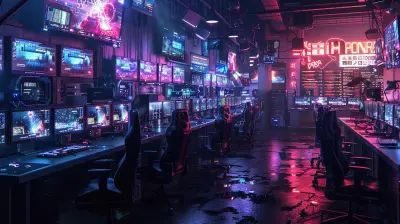
The Importance of Mental Health in Esports
5 June 2026
Esports has exploded in popularity over the last decade, hasn't it? What started out as small LAN parties in basements has morphed into massive stadium events with prize pools that rival traditional sports. With millions of fans tuning in and players becoming celebrities almost overnight, it's safe to say competitive gaming has gone mainstream.
But with all this attention on kill-to-death ratios, mechanical skill, and gameplay strategies, there's one area that’s often overshadowed in the hype: mental health.
And let’s be real—if esports athletes are expected to perform at their peak, game after game, day after day, their mental well-being can't be an afterthought. In fact, it should be front and center.
Welcome to the side of esports that doesn't get the spotlight it deserves—yet is more vital than ever.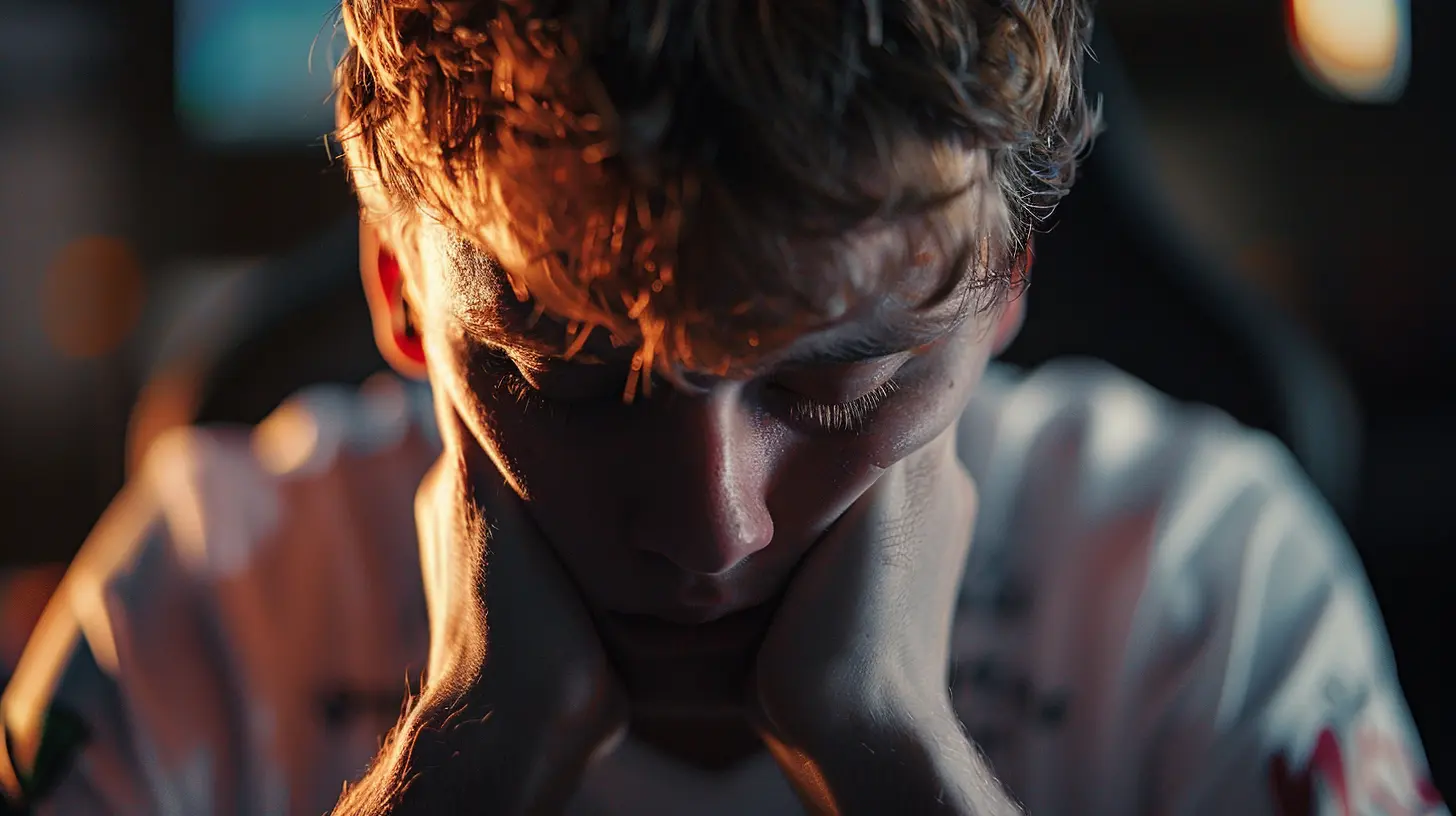
The Pressure Behind the Screen
At first glance, it might seem like a dream job: play video games for a living, travel the world, pull in sponsorships, and build a fan base. Sounds like a sweet gig, right?But imagine being under constant pressure to perform at the highest level. Millions of fans are watching. You have to practice for 10 to 12 hours a day. You barely get time to rest between tournaments. And don’t even get started on the online trolls.
That kind of stress doesn’t just vanish when you log off.
Burnout is Real—and It Happens Fast
One of the most common mental health concerns in esports is burnout. It creeps up quickly and hits hard. With such intense schedules and an always-on culture, pro gamers often find themselves physically exhausted, emotionally drained, and mentally checked out.Think about it—traditional athletes usually have off-seasons to rest and reset. In esports? Not so much. The competitive calendar is relentless, and the grind doesn’t stop unless players choose to step away, which can mean risking their career.
Anxiety and Depression in the Digital Arena
Anxiety and depression also run rampant in the esports world. The pressure to win, fear of underperforming, harsh criticism from fans, uncertainty about career longevity—these aren't small things.Many players silently struggle because the culture has long glorified the “grind.” But being mentally unwell while pushing through daily scrims and matches doesn't end well. It leads to breakdowns, dropped performances, and worse, players leaving the scene entirely.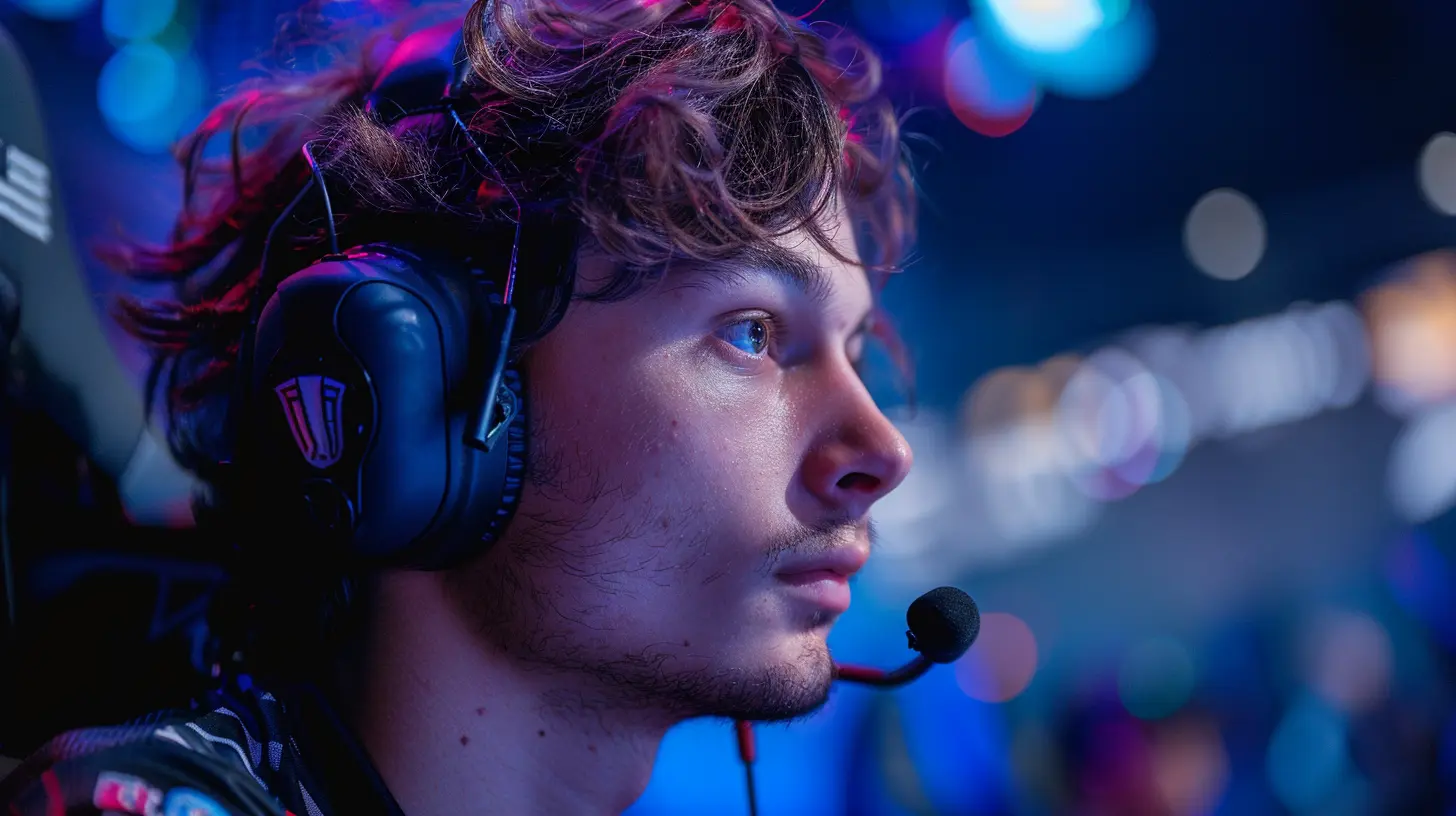
Why Mental Health Must Be a Priority in Esports
Just like physical injuries can bench a football player, poor mental health can destroy an esports career. Mental resilience isn't a luxury—it's a necessity.Performance Depends on It
Want to keep your reflexes sharp? Need to make quick in-game decisions? Have to coordinate with teammates under pressure?All of that hinges on a healthy mental state.
Stress messes with your focus, anxiety clouds your judgement, and burnout kills your motivation. You can have the fastest aim in the world, but if your mind isn't right, you're not going to win.
Mental health directly affects:
- Reaction time
- Decision-making
- Communication
- Emotional control
- Motivation
So yeah, it's a big deal.
Teams and Orgs Are Starting to Catch On
The good news? The esports industry is slowly starting to wake up.More teams are hiring sports psychologists, wellness coaches, and mental performance experts. Some are even introducing mandatory rest days and enforcing boundaries between practice and personal time.
Organizations are realizing that sustainable success isn't just about stats—it's about stability, and that includes mental stability.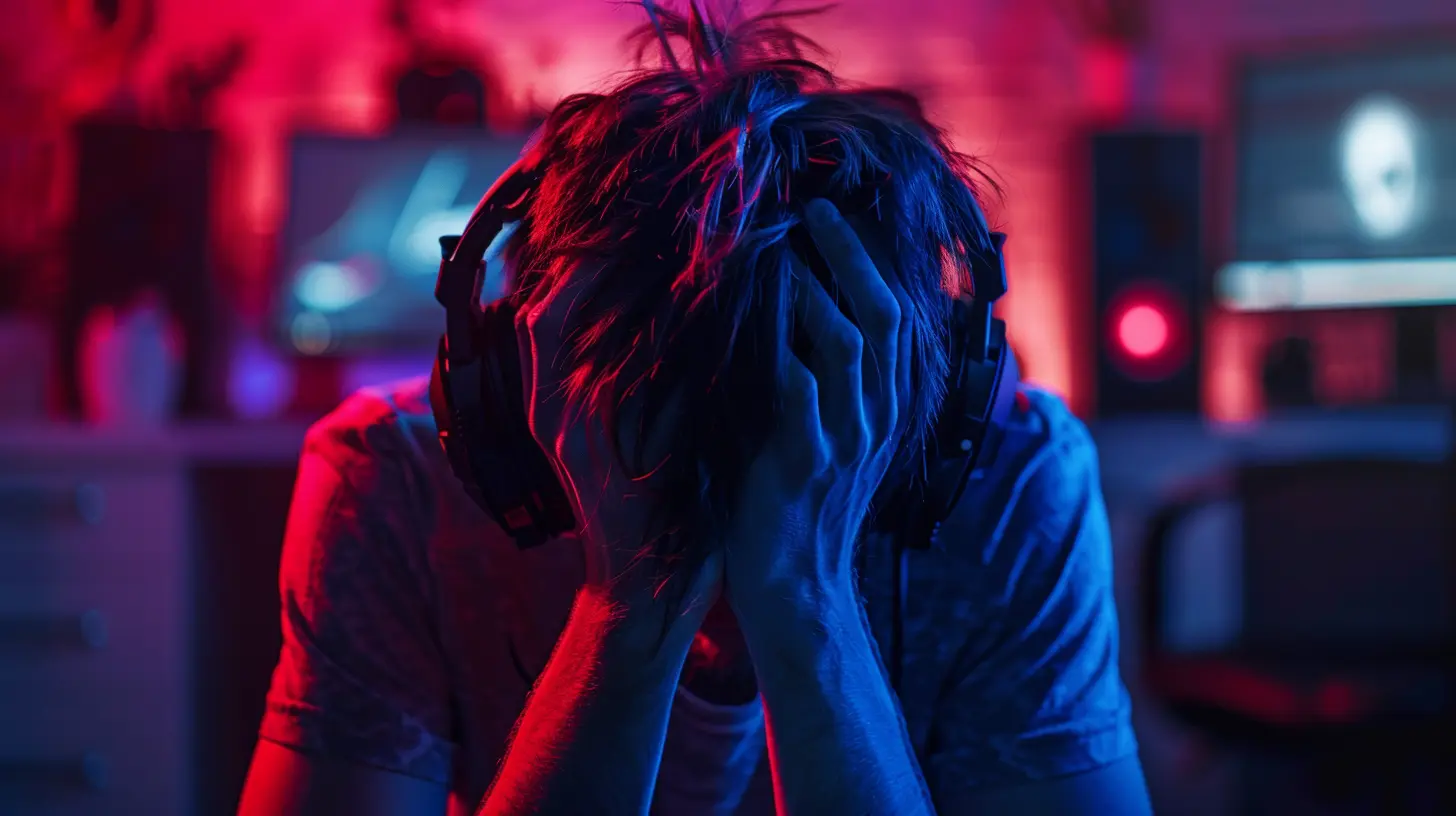
Common Mental Health Challenges in Esports
Let’s break down what pro players (and even aspiring ones) are really up against:1. Overtraining and Lack of Work-Life Balance
Practicing 10+ hours a day may seem like dedication, but it’s actually a fast track to burnout. Without proper breaks and downtime, the line between work and life blurs—and that’s a dangerous space to live in.Sleeping poorly, skipping meals, and losing interest in hobbies? Those are red flags every gamer should watch out for.
2. Online Harassment and Toxicity
The dark side of online fame? Anonymity breeds cruelty.Toxic comments, hate raids, and cyberbullying aren’t uncommon for esports players and streamers. Being under that much scrutiny 24/7 takes a toll on anyone’s self-esteem.
And let’s not forget, most pro players are still in their late teens or early 20s. They’re figuring life out while the internet puts them under a magnifying glass.
3. Isolation and Loneliness
You’d think being on a team means being surrounded by people constantly. But the truth is, many players report feeling alone—especially when they’re living far from home or grinding solo for hours.Add in the pandemic’s impact on in-person events and teamhouses, and the isolation gets even worse.
4. Career Uncertainty
Let’s be honest: esports careers are short.The physical peak for most competitors is in their early twenties. After that, reflexes start slowing down, and younger prodigies take the spotlight.
Without solid backup plans, many players wind up facing serious identity crises and stress about what comes next.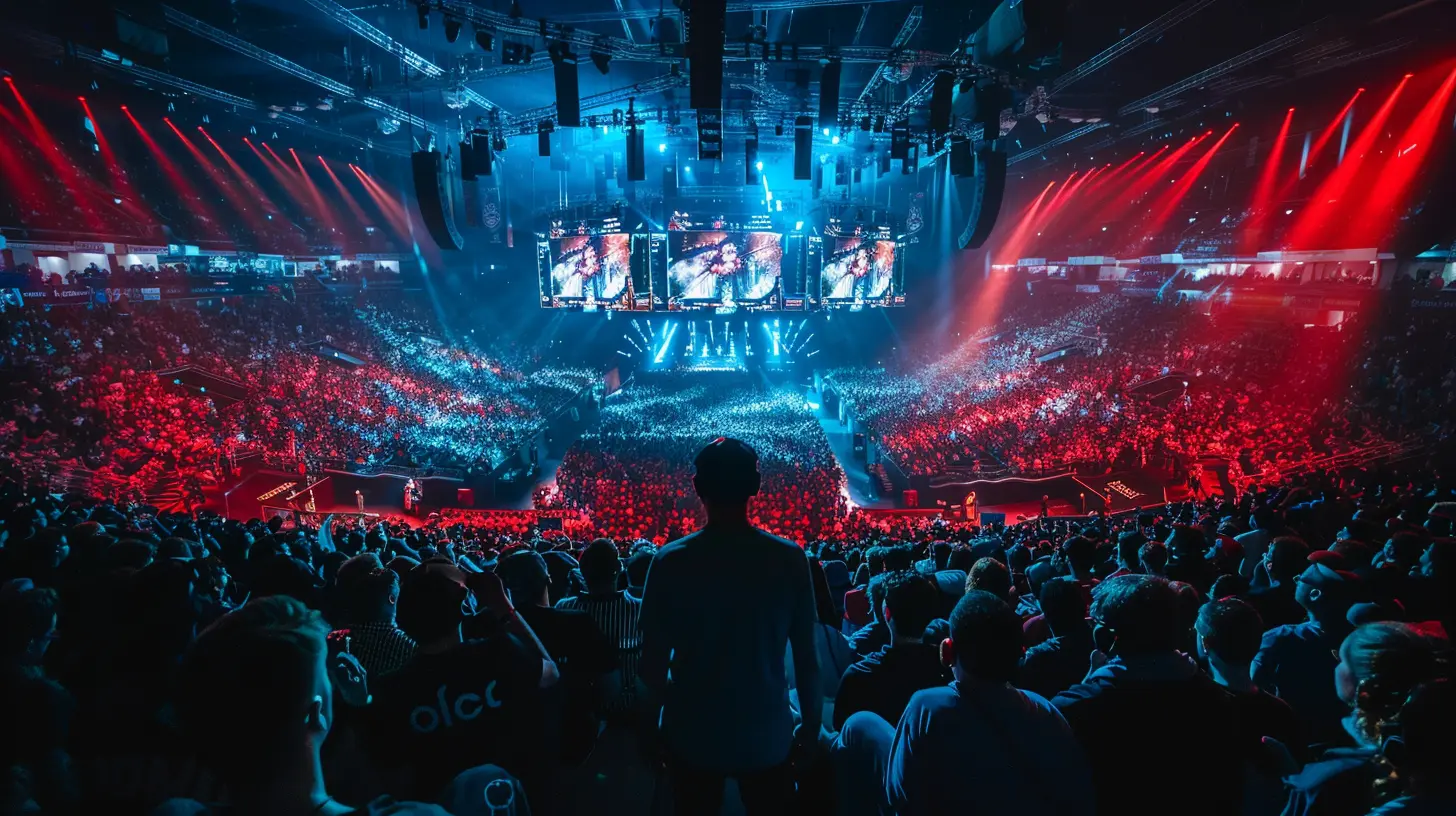
Tips for Supporting Mental Health in Esports
Alright, so we know mental health is crucial. Now what?Here are some practical, real-world tips that can help players, coaches, and fans support mental wellness in esports.
1. Build a Healthy Routine
Sleep, meals, exercise, social time—these basics matter more than you think.Creating structure around your day (and sticking to it) can help you stay grounded, reduce stress, and boost your overall energy levels. Even short breaks can work wonders.
2. Normalize Seeking Help
Therapy isn’t a weakness—it's maintenance.Encouraging open conversations about mental struggles can help break the stigma. Teams should offer access to counselors or sports psychologists and make it clear that asking for help is encouraged, not frowned upon.
3. Use Mental Skills Training
You train your aim—why not train your brain?Techniques like mindfulness, visualization, and breathing exercises can help esports athletes stay calm under pressure and bounce back from losses faster.
Mental reps are just as important as mechanical ones.
4. Set Boundaries Between Gaming and Life
Just because your job is gaming doesn’t mean it should take over your entire identity.Create clear lines between “game time” and personal time. Pick up hobbies that don’t involve a screen. Spend time with friends and family. These things feed your soul—and that’s essential for staying mentally fit.
5. Address Toxicity in the Community
Let's be real: fans play a big role here too.Supporting your favorite team doesn't mean tearing down others. Words matter. A little kindness in chat goes a long way for someone who might be struggling behind the scenes.
Organizations and platforms can step in too, with better moderation tools and anti-harassment policies to keep the space safe.
Mental Health for Aspiring Gamers and Casual Players
You don’t have to be a pro to feel the mental strain of gaming culture. Whether you're grinding ranked in Valorant or streaming on Twitch every evening, the pressure is real.Feeling like you’re "not good enough," comparing yourself to others, or obsessing over performance can be draining—even if it’s just a hobby.
So here’s your gentle reminder: it's okay to log off. It’s okay to not be okay. And it’s perfectly okay to treat your mental health as a priority—even if you’re just playing for fun.
Esports Needs to Evolve—And That's a Good Thing
The days of glorifying the “no sleep, all grind” mentality need to go. Esports has matured, and with that maturity comes responsibility.We’re talking about real people behind those headsets. People with emotions, fears, dreams, and mental health needs. The more we acknowledge and care for that side of the equation, the better the industry will be—for everyone involved.
Just like teamwork and strategy win games, so does supporting mental well-being. And hey, maybe that’s the ultimate GG.
Final Thoughts
Mental health isn’t just a nice-to-have in esports—it's non-negotiable. The industry thrives when its players do. By fostering a culture that values wellness, balance, and honest conversation, esports can grow into something more sustainable, more humane, and way more awesome.So whether you’re a pro player, a coach, a fan, or just someone who loves the game—remember this: taking care of your mind is the real power play.
all images in this post were generated using AI tools
Category:
EsportsAuthor:

Uziel Franco
Discussion
rate this article
1 comments
Abigail Velez
Who knew that clicking buttons fast could lead to deep thoughts? Esports players juggle intense competition and mental wellness like a circus act. Maybe the next big power-up should be a cozy chair and a therapist in the corner... just saying!
June 5, 2026 at 12:41 PM
Uziel Franco
It's true! Balancing competition with mental health is crucial. A cozy chair and therapy could make a big difference in performance and well-being. Great idea!