The Importance of Nutrition for Young Athletes
17 January 2026
When it comes to youth sports, you might first think about practice, drills, strength, and agility. But there’s one essential piece of the puzzle that often gets overlooked—nutrition. And no, I’m not talking about just having a banana before a game! Think of nutrition as the fuel that powers the engine. Without the right fuel, even the best athletes can’t perform at their peak.
Whether your child is kicking a soccer ball, swimming laps, or sprinting down the track, proper nutrition plays a crucial role in helping them perform, recover, and grow. In fact, what they eat before and after practices or games might be just as important as the practice itself. Let’s break down why nutrition is so important for young athletes and how it can make or break their performance.

Why Nutrition Matters for Young Athletes
Young athletes are not just mini versions of adult athletes. They have different nutritional needs because they are still growing. Their muscles are developing, bones are getting stronger, and their bodies are constantly adapting to the physical demands of their chosen sport.Imagine trying to build a house without the right materials. You wouldn't get very far, right? The same goes for young athletes. Without the proper nutrients, their bodies can’t build muscle, recover from workouts, or even grow properly. Nutrition isn't just about energy; it's the building blocks for their entire athletic journey.
Energy for Optimal Performance
Let’s face it—sports can be exhausting, especially for kids and teens who are still in the growth phase. Their bodies require more energy than the average kid who isn't as active. That’s where carbohydrates come in.Carbs are the primary source of energy for athletes. They’re like the gasoline in a car. Without enough carbohydrates, athletes can feel sluggish, tired, and unable to perform at their best. Young athletes need a well-balanced diet that is rich in complex carbs such as whole grains, fruits, and vegetables. This will provide them with the sustained energy they need to keep up with the demands of their sport.
Protein for Muscle Repair and Growth
Now, let’s talk about protein. If carbohydrates are the fuel, protein is like the repair crew that comes in after a long day of hard work. Every time young athletes train or compete, tiny tears occur in their muscles. Protein is essential for repairing these tears, which is how muscles grow stronger.But it’s not just about muscle growth. Protein also helps with recovery. After a tough game or practice, the body needs to repair itself, and protein-rich foods like lean meats, eggs, dairy, and plant-based options can speed up this process.
Hydration—The Often Overlooked Key
We’ve all seen it: a young athlete pushing through a game, drenched in sweat, barely taking a sip of water. Hydration is often neglected, but it’s one of the most important aspects of nutrition for young athletes.When kids sweat during exercise, they lose water and electrolytes. If they don’t replace those lost fluids, they can become dehydrated, which can lead to fatigue, cramping, and in severe cases, heat exhaustion. Water is the best option for hydration, but in some cases, especially during long, intense workouts, sports drinks can help replenish lost electrolytes.
The Role of Fats in an Athlete’s Diet
Fats tend to get a bad rep, but they’re actually an important part of any athlete’s diet. Fats are a secondary source of energy when carbs run low, and they help absorb essential vitamins like A, D, E, and K. Healthy fats from sources like avocados, nuts, seeds, and olive oil should be included in a young athlete’s diet to support long-term energy and overall health.However, it’s important to focus on healthy fats, not the kind you find in junk food. Processed and fried foods may taste good, but they don’t provide the nutrients an athlete’s body needs to perform well.

Timing is Everything: When to Eat
It’s not just what young athletes eat; it’s also when they eat. Timing meals and snacks around practices and games can make a huge difference in performance. Eating too soon before activity can cause discomfort, while waiting too long can leave them feeling sluggish and weak.Pre-Game Nutrition
A meal eaten 2-3 hours before a game should include complex carbohydrates, some protein, and a bit of fat. Think of options like a turkey sandwich on whole grain bread, a bowl of pasta with marinara sauce, or grilled chicken with brown rice and veggies. These meals provide sustained energy and keep hunger at bay without feeling too heavy.If they need a snack closer to game time (30-60 minutes before), something light and easy to digest works best. A banana, an energy bar, or a piece of toast with peanut butter can provide a quick energy boost.
Post-Game Recovery
After the game, recovery nutrition is just as important. Within 30 minutes to an hour of finishing, athletes should refuel with a combination of carbs and protein to replenish glycogen stores and repair muscles. A smoothie with fruit and yogurt, a turkey wrap, or even chocolate milk can do the trick.
The Importance of Micronutrients
While macronutrients like carbs, proteins, and fats often steal the spotlight, let’s not forget about the little guys—micronutrients. These include vitamins and minerals that are crucial for overall health and performance.Calcium and Vitamin D
You’ve probably heard that calcium is important for growing kids, but it’s especially crucial for young athletes. Calcium helps build strong bones, which is essential for avoiding fractures and injuries, particularly in high-impact sports like basketball or gymnastics. Vitamin D helps the body absorb calcium, so foods like dairy products, leafy greens, and fortified cereals should be a staple in any young athlete’s diet.Iron for Oxygen Transport
Iron is another key nutrient, especially for endurance athletes like runners and swimmers. Iron helps carry oxygen to the muscles, and without enough, athletes can feel tired and weak. Foods like lean meats, beans, and spinach are great sources of iron.Antioxidants for Recovery
After a tough workout, the body experiences oxidative stress—basically, a fancy way of saying the body needs help recovering. Antioxidants from foods like berries, nuts, and leafy greens can help combat this stress and speed up recovery, allowing young athletes to bounce back quicker.
Avoiding Junk Food and Empty Calories
It’s no secret that kids love junk food. Sugary snacks, chips, and fast food might taste good, but they offer little in terms of nutrition. These foods are often loaded with empty calories that don’t provide the energy or nutrients young athletes need.Eating too much junk food can lead to weight gain, sluggishness, and even poor performance on the field. It’s okay to treat yourself every now and then, but most of the time, young athletes should focus on whole, nutrient-dense foods that will help them perform and feel their best.
Common Nutrition Mistakes Young Athletes Make
Even with the best intentions, young athletes (and their parents) can make some common nutrition mistakes. Here are a few to watch out for:Not Eating Enough
Young athletes have high energy demands, and sometimes they don’t eat enough to keep up. Skipping meals or not eating enough can lead to fatigue, poor performance, and even injuries. It’s important to fuel up regularly throughout the day.Relying Too Much on Supplements
While supplements can be helpful in some cases, they’re not a substitute for a healthy diet. Protein powders, energy drinks, and other supplements are often marketed to young athletes, but they should only be used under the guidance of a healthcare professional. Whole foods are always the best option.Overloading on Protein
Yes, protein is important, but more isn’t always better. Some young athletes think they need to load up on protein to build muscle, but consuming too much can strain the kidneys and lead to other health issues. Balance is key.
Encouraging Healthy Eating Habits Early
The habits kids develop in their youth often stick with them for life. By encouraging healthy eating habits early on, you’re setting young athletes up for long-term success—not just in sports, but in life.Make nutrition a team effort. Get involved in meal planning, encourage them to try new foods, and teach them about the importance of balance. And remember, it’s not about being perfect. Even the best athletes enjoy a slice of pizza or a scoop of ice cream every now and then. The goal is to make healthy choices most of the time.
Final Thoughts: Nutrition as a Competitive Edge
At the end of the day, proper nutrition can be a game-changer for young athletes. It’s not just about playing harder or training longer—it’s about fueling the body in a way that supports performance, growth, and recovery. Think of nutrition as the secret weapon that every young athlete should have in their arsenal.So, next time your young athlete laces up their sneakers or steps onto the field, remember that what they eat before and after the game could make all the difference. Give them the fuel they need to perform their best and watch them reach new heights in their sport.
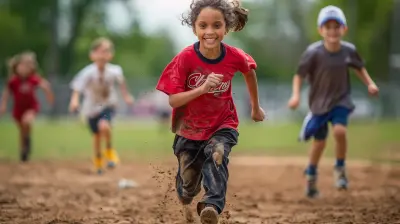
all images in this post were generated using AI tools
Category:
Youth SportsAuthor:

Uziel Franco
Discussion
rate this article
2 comments
Zevonis Reynolds
This article highlights a crucial aspect of athletic development. Proper nutrition is essential for young athletes, enhancing performance and promoting recovery. While talent and training are vital, a balanced diet can significantly influence long-term success and overall health. Parents and coaches should prioritize nutrition education for their athletes.
February 16, 2026 at 12:16 PM
Uziel Franco
Thank you for your insightful comment! I completely agree that nutrition plays a pivotal role in the development and success of young athletes. Prioritizing nutrition education is essential for optimal performance and health.
Skyler Scott
Strong nutrition fuels young athletes' growth and performance.
January 17, 2026 at 1:02 PM
Uziel Franco
Absolutely! Proper nutrition is crucial for optimizing growth, performance, and overall health in young athletes.