The Importance of Properly Fitting Ski Boots
11 December 2025
Skiing isn’t just about bombing down the mountain or carving perfect turns. It’s also about comfort, control, and confidence. And honestly, none of that is happening if your ski boots don’t fit right. Let’s face it—your boots are the most important part of your ski gear. Yep, more important than the skis themselves.
If you’ve ever spent a day on the slopes with boots that pinched, rubbed, or left your toes feeling like frozen chicken nuggets, you already know what we’re talking about. But it's not just about avoiding discomfort. There’s a lot more riding on your boots than you might think.
So, buckle up (pun intended!)—we're diving deep into why properly fitting ski boots make all the difference.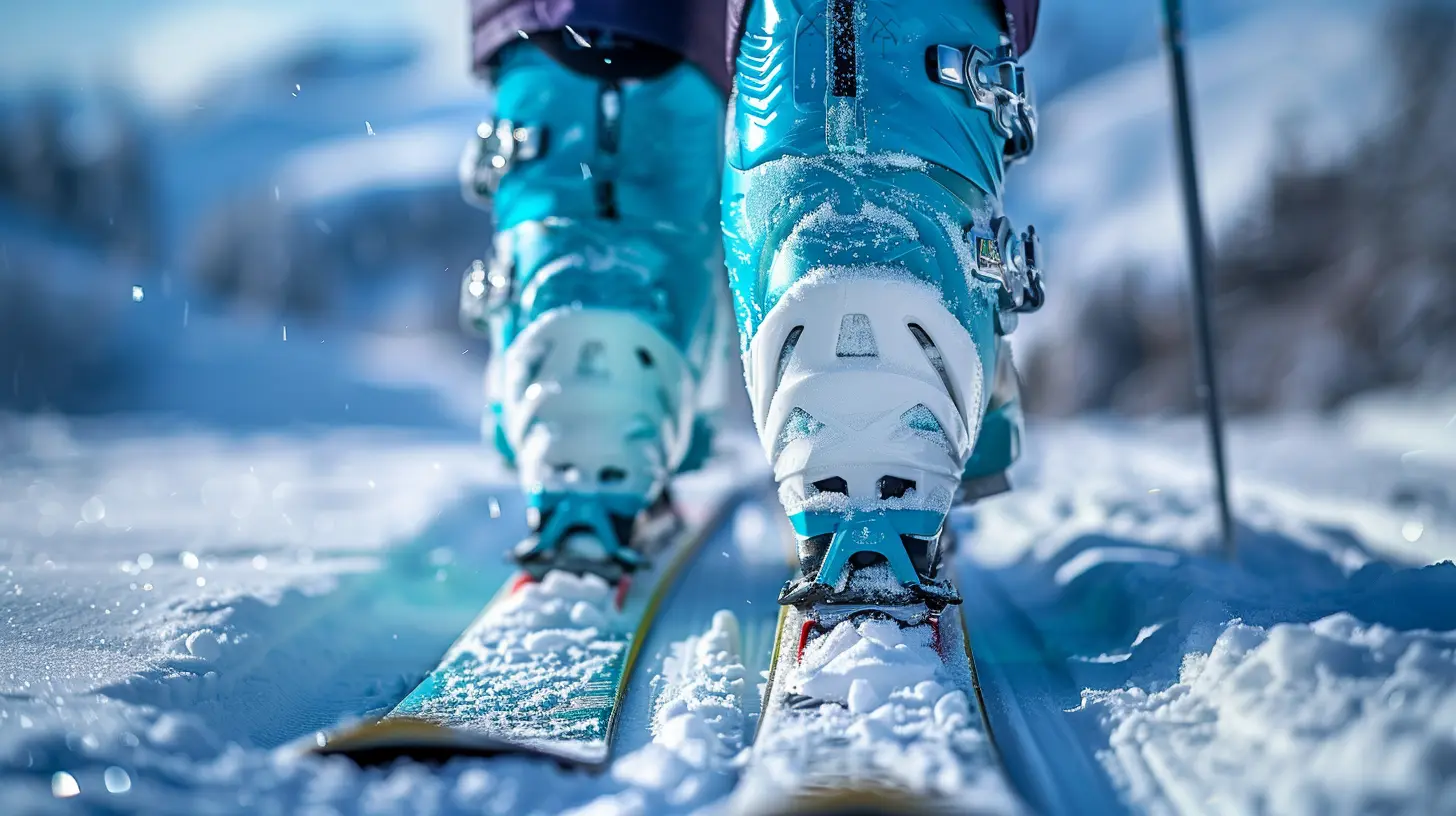
Why the Right Fit Matters More Than You Think
Let’s start with the obvious: properly fitting ski boots are about comfort. But it’s also about safety, performance, and even longevity on the slopes.Think of your boots as the steering wheel of your skis. If there’s too much slop in that steering wheel—aka a loose boot—you’re not going to get precise control. Turn delays, wobbles, or overcorrections happen, and suddenly that beginner run starts feeling like a black diamond.
On the flip side, if your boots are too tight? It’s like driving a car with a seat belt cutting into your chest and the seat shoved forward until your knees hit the dash. No thanks.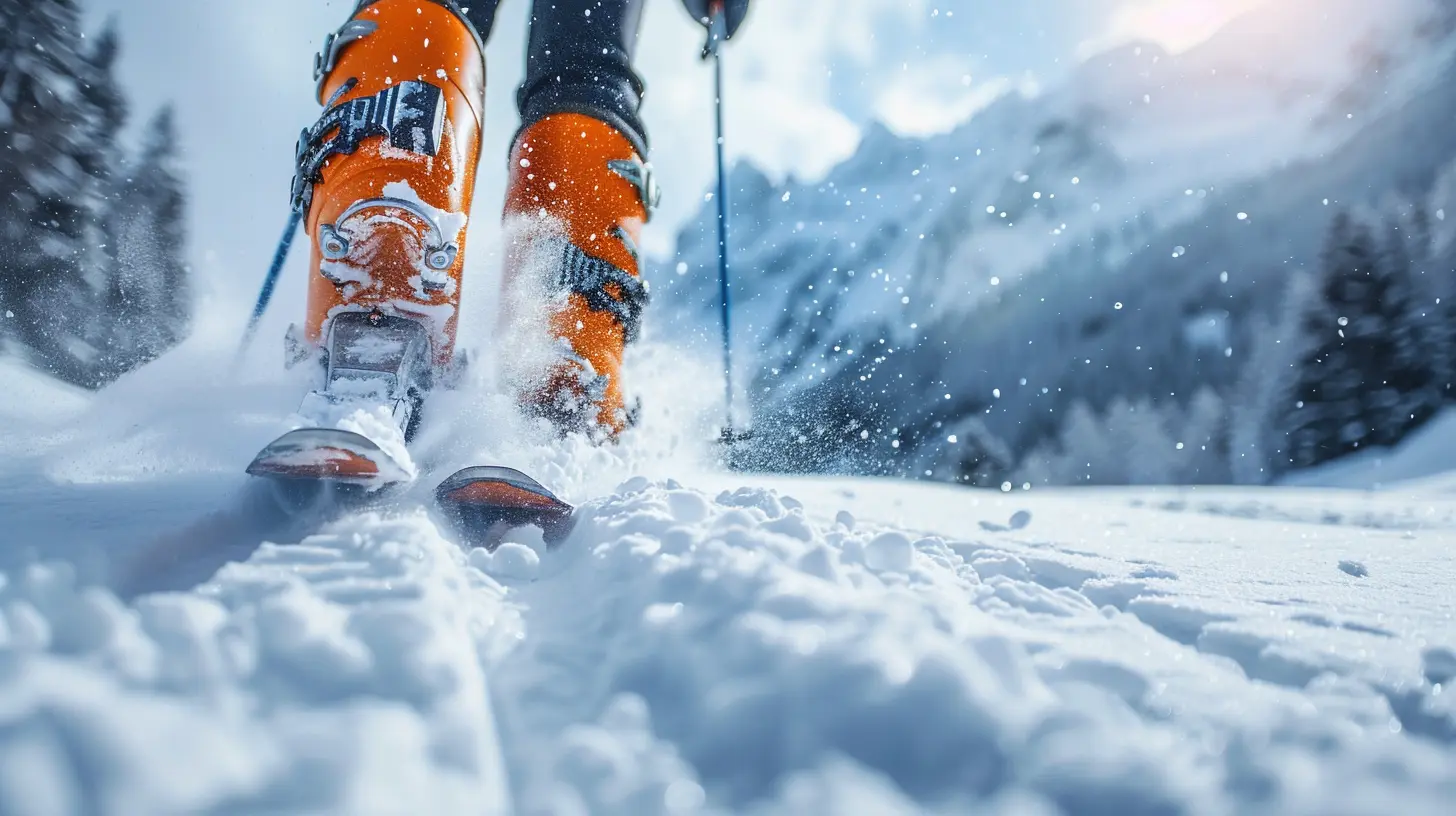
Performance: Precision Starts From the Feet Up
Your feet are your connection to the mountain. Every movement—from shifting your weight to initiating a turn—travels through your boots. If those boots aren’t snug and responsive, your skis won’t do what you want them to.Control and Responsiveness
When your boots fit like a glove (okay, like a foot glove), the tiniest ankle flex transfers directly to your ski edges. That means:- Faster reaction times
- Sharper turns
- Smoother carves
It’s like upgrading from a clunky minivan to a race-tuned sports car. Everything just feels more dialed in.
Energy Efficiency
Poorly fitting boots waste energy. You’re constantly compensating—either trying to hold your foot in place or dealing with pain. That’s tiring. A snug, supportive fit conserves energy, giving you more laps on the mountain and less fatigue.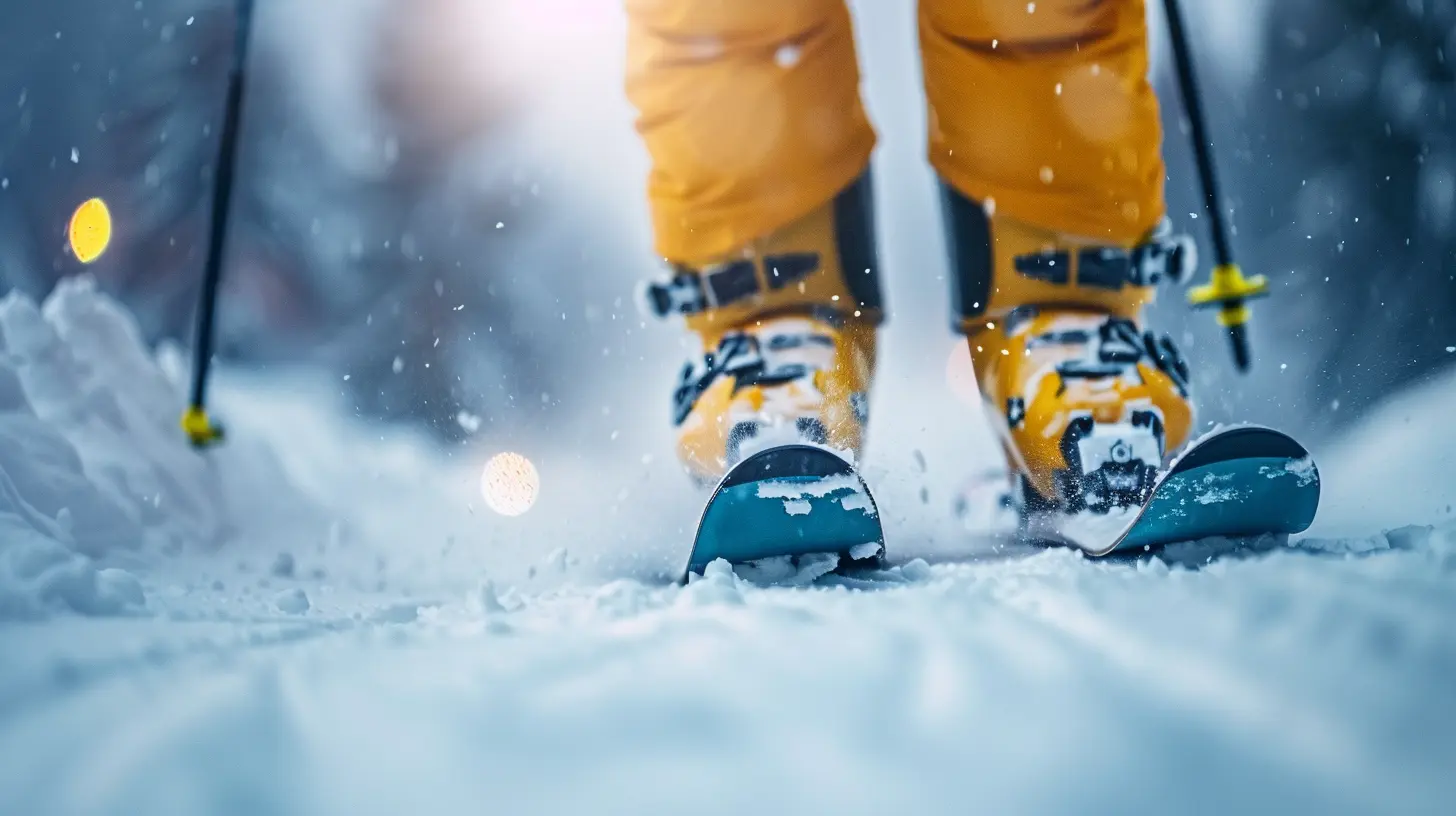
Safety: Avoid Injury With the Right Fit
This one’s huge. Ill-fitting boots don’t just annoy you—they can actually increase your chances of injury.What Could Go Wrong?
- Loose heels can cause heel-lift, which throws off your balance during turns.- Toes jammed against the front can cause black toenails or bruising.
- Too much volume inside the boot allows your foot to shift, leading to knee or ankle strain.
- Too tight? That cuts off circulation, which can lead to numb feet or even frostbite in extreme cold.
A boot that’s too floppy or too tight means your skiing becomes unpredictable. And skiing + unpredictability = potential wipeouts.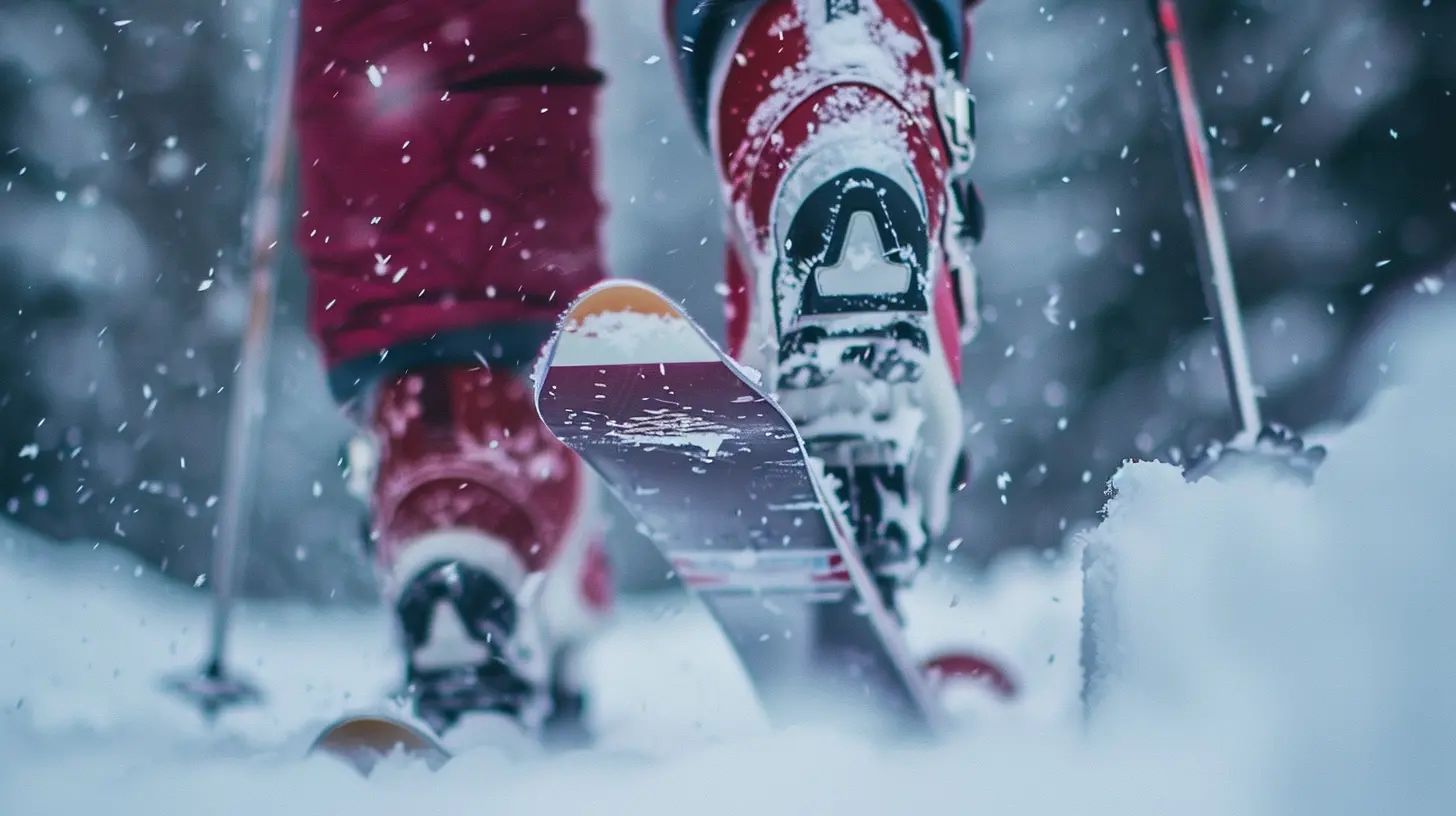
Comfort: All Day, Every Day
Let’s keep it real—if your boots aren't comfy, skiing stops being fun. You start watching the clock, waiting for the next lodge break. Or worse, you pack it in early because your feet feel like they’ve been through a medieval torture device.The “Hot Spot” Horror Show
Blisters, pressure points, and hotspots are usually caused by boots that don’t match the shape of your foot. That’s where proper fitting and customization come in. A good boot fitter can heat mold or punch out trouble spots, creating a custom fit without the custom price tag.The Fit Process: What to Look For
So you’re ready to upgrade or maybe just want to double-check your current boots. Here’s what a good boot fit should look and feel like:Length and Width
Your toes should barely touch the end when you’re standing upright but should pull away slightly when you flex your knees into a skiing stance. You want a snug fit without cramming.Width-wise, boots come in various lasts (the width measurement). Know if you have narrow, average, or wide feet before buying.
Heel Hold
This one’s crucial. Your heel should stay locked in place when you flex forward. Any lift, and you lose control.Flex Rating
Not everyone needs a stiff, aggressive boot. Beginners might start with a softer flex (60–80), while advanced skiers might rock something in the 100+ range. But that’s just part of the equation—the right flex also depends on your weight, skiing style, and personal comfort.Customization is Key
Even the best off-the-shelf boot often needs a little customizing to be just right. And no, that doesn’t mean breaking them in by suffering for 10 days on the slopes.Heat-Molding Liners
Many modern boots come with heat-moldable liners. A boot fitter can warm them up and shape them precisely to your foot. It’s like memory foam, but better.Boot Punching and Grinding
Got a bone spur or a bunion? A skilled technician can punch out the shell in that specific area to relieve pressure. Think of it as tailoring for your boots.Custom Footbeds
Your feet weren’t meant to lie flat. Custom footbeds or insoles support your arches, align your knees, and distribute pressure evenly. Bonus: they help with balance and fatigue too.Common Fitting Mistakes to Avoid
Let’s go over some “don’ts” real quick:1. Buying Bigger for Comfort
It’s tempting, especially if you’re used to rental gear. But that extra space turns into sloppy control. Your boots should feel tight out of the box. Most liners pack out (compress) after a few days, giving you more space naturally.2. Ignoring Your Foot Shape
Flat-footed? High arches? Wide forefoot? Don’t just grab the flashiest boot on sale. Your foot shape has everything to do with finding the right model.3. Skipping the Boot Fitter
Yes, buying online might save a few bucks. But a trained boot fitter can dial in the fit, catch issues before they become problems, and turn a “good” boot into a great one.Renting vs Buying: The Fit Dilemma
If you only ski once or twice a year, renting might make sense. But rental boots are built for the masses, not for your particular foot shape. They’re usually more generous in fit, meaning you sacrifice performance and comfort just to get a boot on your foot.If you’re skiing more than a couple of times per season, investing in your own pair of boots (with a proper boot fit) is so worth it.
Kids' Boots—Yes, Fit Matters Here Too
Parents, we get it—kids grow fast. Buying new boots every season can feel like burning money. But poor-fitting boots can hinder their learning and make skiing a miserable experience.Look for adjustable boots or consider leasing programs that let you trade in as your child grows. And yes, even kids benefit from a quick sizing session at the shop.
Long-Term Benefits of a Perfect Fit
Getting the right fit isn’t just a one-time win. It pays dividends every single run. Here’s what you’re getting:- Better performance: You’ll ski smoother, faster, and with greater control.
- Increased comfort: Say goodbye to blisters and bruised toes.
- Improved stamina: No more wasting energy compensating for bad fit.
- Enhanced safety: A solid fit reduces your risk of injury.
It’s one of the best upgrades you can make to your skiing experience, hands down.
Final Thoughts: Stop Settling for Mediocre
Look, we’ve all made the mistake of enduring bad boots out of hope, habit, or haste. But skiing shouldn’t be a game of pain management. When your boots fit perfectly, it’s like your whole skiing world just clicks. Better control, more fun, and fewer breaks whining about your feet.So whether you're a weekend warrior or chasing powder days like it’s your job, take the time to get those boots dialed in. Your feet—and your skiing—will thank you.
all images in this post were generated using AI tools
Category:
Sports EquipmentAuthor:

Uziel Franco
Discussion
rate this article
2 comments
Zariah McQuade
Ski boots aren’t just gear; they’re your lifeline on the slopes. A proper fit translates to better control, less fatigue, and a more enjoyable ride. Don’t skimp on this crucial investment—your performance and safety depend on it. Make every turn count!
December 27, 2025 at 3:31 AM
Uziel Franco
Absolutely! Properly fitting ski boots are essential for safety, control, and comfort on the slopes. Investing in the right fit makes all the difference in your skiing experience. Thanks for highlighting this!
Roxanne Powell
Properly fitting ski boots are crucial for both performance and safety on the slopes. They enhance control, reduce fatigue, and minimize injury risks, allowing skiers to fully enjoy their experience. Investing time in a fitting ensures optimal comfort, efficiency, and overall enjoyment during skiing adventures.
December 12, 2025 at 4:40 AM
Uziel Franco
Absolutely! Properly fitting ski boots are essential for maximizing performance, comfort, and safety on the slopes. Investing in a good fit truly enhances the skiing experience.