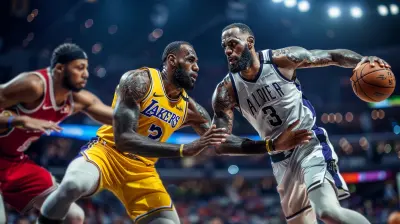
The Importance of Sleep for Endurance Athletes
8 January 2026
When we talk about what gives endurance athletes their edge, we often think of grueling training schedules, meticulous nutrition plans, and sophisticated gear. But there’s one simple, incredibly powerful weapon that often gets overlooked—sleep. Yep, good ol’ shut-eye. It’s the unsung hero behind those long runs, epic bike rides, and high-intensity workouts.
So, if you're an endurance athlete—or even someone who wants to be—you might want to tuck in early tonight. Let’s dive into why sleep is not just a luxury, but a performance-boosting, recovery-enhancing, game-changing necessity.
Why Sleep Matters—Especially for Endurance Athletes
Think about it: you spend hours training to improve your endurance, strength, agility, and focus. But without quality sleep, your body can't fully cash in on all that hard work.Sleep isn’t just about feeling rested. It's when your body does the heavy lifting on repair, recovery, muscle growth, and even mind sharpening. Trust me, sleep is where the real transformation happens.
Here’s what’s going on while you’re snoozing:
- Muscles rebuild and grow
- Hormones reset and balance out
- Your brain processes information and stores memories
- Inflammation lowers
- Energy stores (like glycogen) get replenished
That’s basically everything an endurance athlete needs to perform better tomorrow than they did today.
Sleep and Recovery: Your Secret Weapon
Ever wonder why your legs still feel like cement blocks even after a rest day? Or why you're dragging halfway through your long run? You might be missing out on deeper recovery... which means you're probably skimping on quality sleep.1. Muscle Repair & Growth
After a tough workout, your muscles are begging for some TLC. And during deep sleep, your body’s production of growth hormone skyrockets. This hormone is like your internal handyman—fixing microscopic tears in your muscles and helping them grow stronger.So, the more intense your training, the more important it becomes to get quality sleep at night. It’s like giving your muscles a VIP backstage pass to healing.
2. Inflammation Control
Training hard day after day puts stress on your body. While that’s a normal part of improving endurance, too much inflammation can lead to injury and burnout. Sleep helps bring down inflammation, calming your system and keeping you on track.3. Hormonal Balance
Cortisol, the infamous stress hormone, rises when you don’t sleep enough. And high levels of cortisol over time? Bad news. It can mess with your recovery, lower your immunity, and even cause you to store more fat. Not exactly a PB-friendly combo, right?
How Sleep Impacts Performance
Let’s face it—nobody wakes up after four hours of sleep and says, “I feel amazing and ready to crush this race!” Sleep deprivation messes with your body and brain in ways that directly affect your athletic performance.1. Reaction Time and Focus
Endurance sports aren't just about physical stamina; they’re a mental game, too. Whether you’re navigating tricky terrain, checking your pacing, or trying not to zone out in mile 18, your brain needs to be sharp.Sleep deprivation slows your reaction time and blurs your concentration. You’ll make more mistakes and have less ability to push yourself when it really matters.
2. Energy and Endurance
Fatigue hits harder—and earlier—when you're sleep-deprived. Your VO2 max (a measure of your aerobic capacity) can take a noticeable hit, and your perceived effort increases. That means everything feels harder than it should. Climbing that hill? Feels like Everest. Holding your pace? Like running in quicksand.Not getting enough sleep is like going into battle half-armored. You just aren’t at your best.
Sleep Quality vs. Sleep Quantity: What Matters More?
You’ve probably heard that 7–9 hours is the magic sleep range for adults. And yes, getting enough hours is important. But if that sleep is riddled with tossing, turning, and 3 a.m. Instagram scrolls, you’re not getting the full benefits.Deep Sleep and REM: The Power Phases
Sleep isn’t just one long snooze—it’s made up of different stages:- Light Sleep: Helps the body prepare for deeper stages.
- Deep Sleep: Physical recovery happens here—muscle repair, immune boosting, blood pressure regulation.
- REM Sleep: This is when your brain files memories, processes emotions, and learns new skills.
Endurance athletes need sufficient amounts of both deep and REM sleep. Skimp on either, and you’re not recovering like you should.
Real Talk: What Happens When Athletes Don’t Sleep Enough?
Sleep debt isn’t just a funny phrase. It’s real—and it adds up fast. Let’s break down what chronic sleep deprivation can do to someone training hard:- Slower recovery time
- Increased risk of injuries
- Higher stress levels
- Weaker immune system
- Mood swings and irritability (ask your training buddy!)
- Decreased motivation and energy
Sleep isn’t the “nice to have” on your workout plan. It’s right up there with hydration, nutrition, and training load. Think of your sleep like the glue that holds all your efforts together.
Tips for Better Sleep as an Endurance Athlete
Alright, we’ve sold you on the importance of sleep—but how do you actually get quality Zzzs? Let’s go over some easy hacks to level up your sleep game.1. Set a Bedtime Routine
Just like you have a warm-up routine before a run, your body needs a wind-down routine at night. Try dimming the lights, stretching lightly, reading a book (preferably not on your phone), or meditating. Give your body the signal that it’s time to power down.2. Stick to a Sleep Schedule
Your internal clock (aka your circadian rhythm) loves consistency. Aim to go to bed and wake up at the same time every day—even on weekends. Yes, even if there’s a big group ride planned Sunday morning.3. Keep It Cool and Dark
Your bedroom should be your cave. Cool (around 60–67°F), dark, and quiet. Blackout curtains and white noise machines can be game-changers.4. Watch What You Eat and Drink
Caffeine, alcohol, and heavy meals too close to bedtime? Not your sleep’s best friends. Try to finish eating at least 2-3 hours before bed and cut off caffeine after lunch.5. Nap Smart
Naps can be awesome, especially around big training blocks. But keep them short (20-30 minutes) and not too late in the day—or you’ll mess with your nighttime sleep.What About Sleep Tracking?
If you’re a numbers person, sleep trackers can actually be super helpful. Devices like smartwatches, rings, or even apps can give you insight into how long you’re sleeping, your sleep quality, and which stages you’re spending the most time in.Just remember not to obsess. Data is great, but how you feel matters more. Use it as a guide, not gospel.
Elite Athletes and Their Sleep Habits
Still not convinced sleep is a big deal? Let’s look at some world-class athletes. Many top endurance athletes have made sleep a central part of their training routine.- LeBron James reportedly aims for 12 hours of sleep per day (including naps).
- Roger Federer gets around 10-12 hours a day.
- Meb Keflezighi, an Olympian marathoner, emphasized sleep as something he treats like “a workout for the body.”
These athletes don’t consider sleep optional—they treat it like a performance-enhancing tool. And guess what? It works.
Wrapping It Up: Sleep Like Your Race Depends on It (Because It Does)
Here’s the deal: you can have the perfect training plan, the best nutrition strategy, and the priciest running shoes on the planet—but if you’re not sleeping well, you’re leaving gains on the table.Endurance athletes ask a lot from their bodies. Without adequate sleep, you’re not just running tired—you’re running slower, healing slower, and likely sidelined sooner.
So, go ahead. Hit the pillow guilt-free. Make sleep your superpower. Because when it comes to endurance... rest is not weakness. It’s your greatest strength.
all images in this post were generated using AI tools
Category:
Endurance SportsAuthor:

Uziel Franco
Discussion
rate this article
2 comments
Martha Kim
This article highlights the crucial role of sleep in enhancing endurance performance. Adequate rest promotes recovery, hormone regulation, and mental focus, ultimately leading to improved training outcomes. Athletes must prioritize sleep to optimize their performance and sustain long-term success.
February 13, 2026 at 5:40 AM
Uziel Franco
Thank you for your insightful comment! Sleep indeed plays a vital role in recovery and performance for endurance athletes. Prioritizing rest is essential for achieving peak results.
Quincy McNeely
Great article! Sleep is often an overlooked aspect of training, yet it's crucial for recovery and performance. Athletes should prioritize rest to enhance their endurance and overall well-being. Thank you for highlighting this important topic!
January 13, 2026 at 4:00 AM
Uziel Franco
Thank you for your thoughtful comment! I'm glad you found the article valuable. Sleep truly is key to optimizing performance and recovery for athletes.