The Importance of Sleep for Growing Athletes
16 July 2026
When we're thinking about what it takes for young athletes to perform at their peak—practice, training, nutrition—sleep often doesn’t get as much spotlight. But here’s the truth: sleep isn’t just rest. It’s a vital part of the performance puzzle, especially for growing athletes. It's not a luxury; it’s a secret weapon.
Whether you're a parent of a young athlete, a coach, or an athlete yourself, understanding the role of sleep in growth and athletic performance can completely shift how you approach training and recovery.
Let’s break it all down and see why getting those Zzz’s is just as important as those drills and sprints.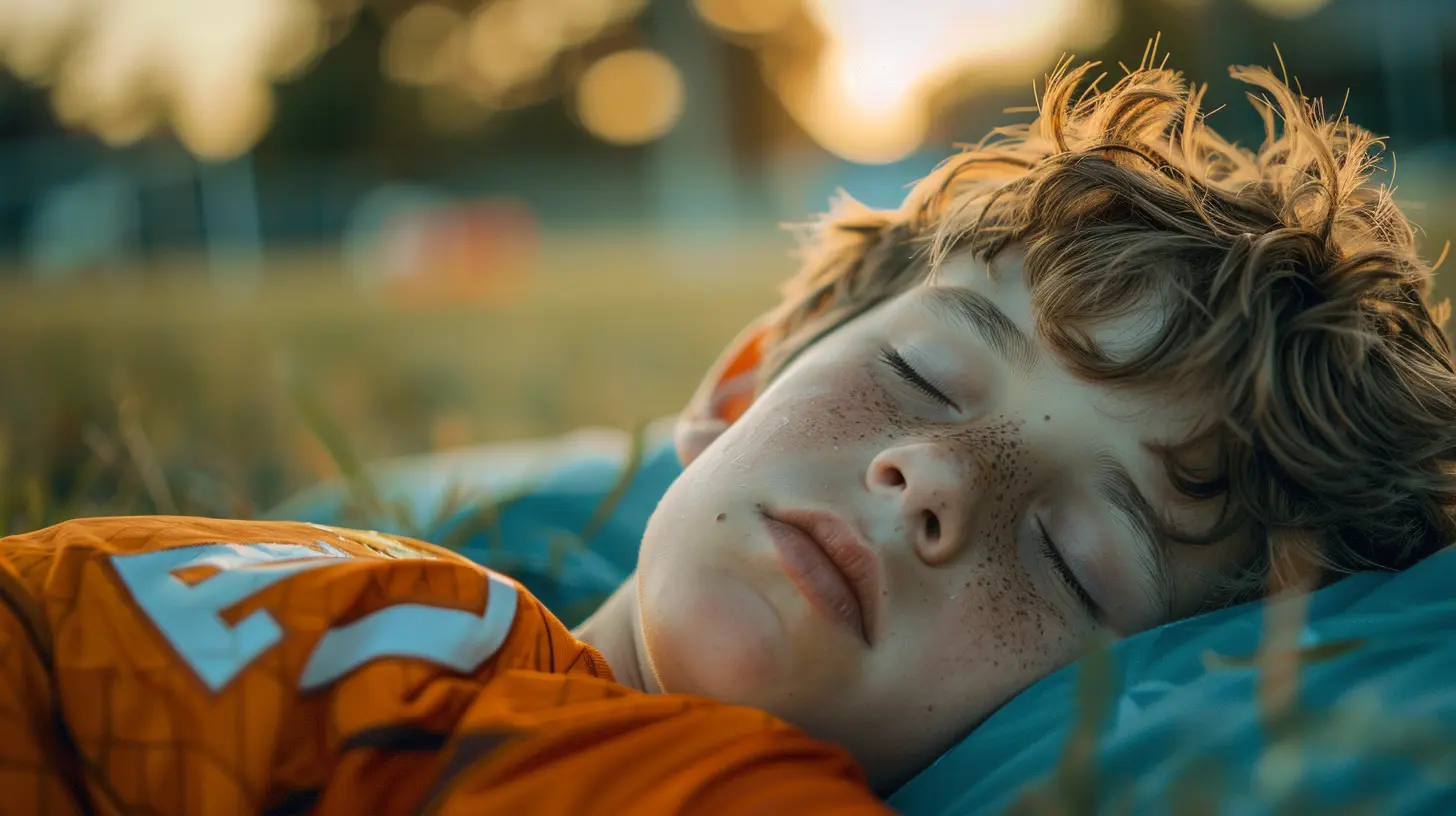
Why Sleep Is Non-Negotiable for Young Athletes
Okay, let’s be real—kids and teens are in their prime growth years. Their bodies are constantly changing, expanding, and adapting. Now, layer on top of that the physical demands of sports. It’s a lot.Sleep isn't just when the body shuts down and takes a timeout. It’s actually go-time for growth and recovery. During deep sleep stages, the body releases growth hormone—a key player in helping muscles recover, bones grow, and tissues repair. That’s pure gold for an athlete.
Growth Hormone: Your Body's Natural Steroid
You’ve probably heard of steroids boosting performance (not the illegal kind, we’re staying clean here). Well, the body produces its own version—growth hormone (GH). And guess when the bulk of it gets released? Yep, during deep sleep.When young athletes skimp on sleep, they’re literally choking their own growth potential. Less GH means slower muscle recovery, stunted growth, and reduced power and strength gains. It’s like training with one shoe on. Possible, but far from optimal.
Sleep and Performance: The Connection Is Real
Ever tried running a 5K after pulling an all-nighter? Or hit the gym with just 4 hours of sleep? You know how brutal that feels.Sleep directly affects reaction time, decision-making, coordination, accuracy, and even motivation. It’s not just about being physically ready—it’s about being mentally sharp, too.
Reaction Time and Coordination
Sports are full of snapshots—split-second moments that can make or break a performance. A slower reaction time can be the difference between saving a goal and letting one in. Sleep deprivation slows your brain’s processing speed. That millisecond delay can translate to missed opportunities or injuries on the field.Decision-Making
Every sport relies on smart choices—when to pass, when to shoot, when to hold back. With less sleep, the brain struggles to evaluate options quickly and accurately. Decision-making becomes sluggish, leading to mistakes that could cost the game.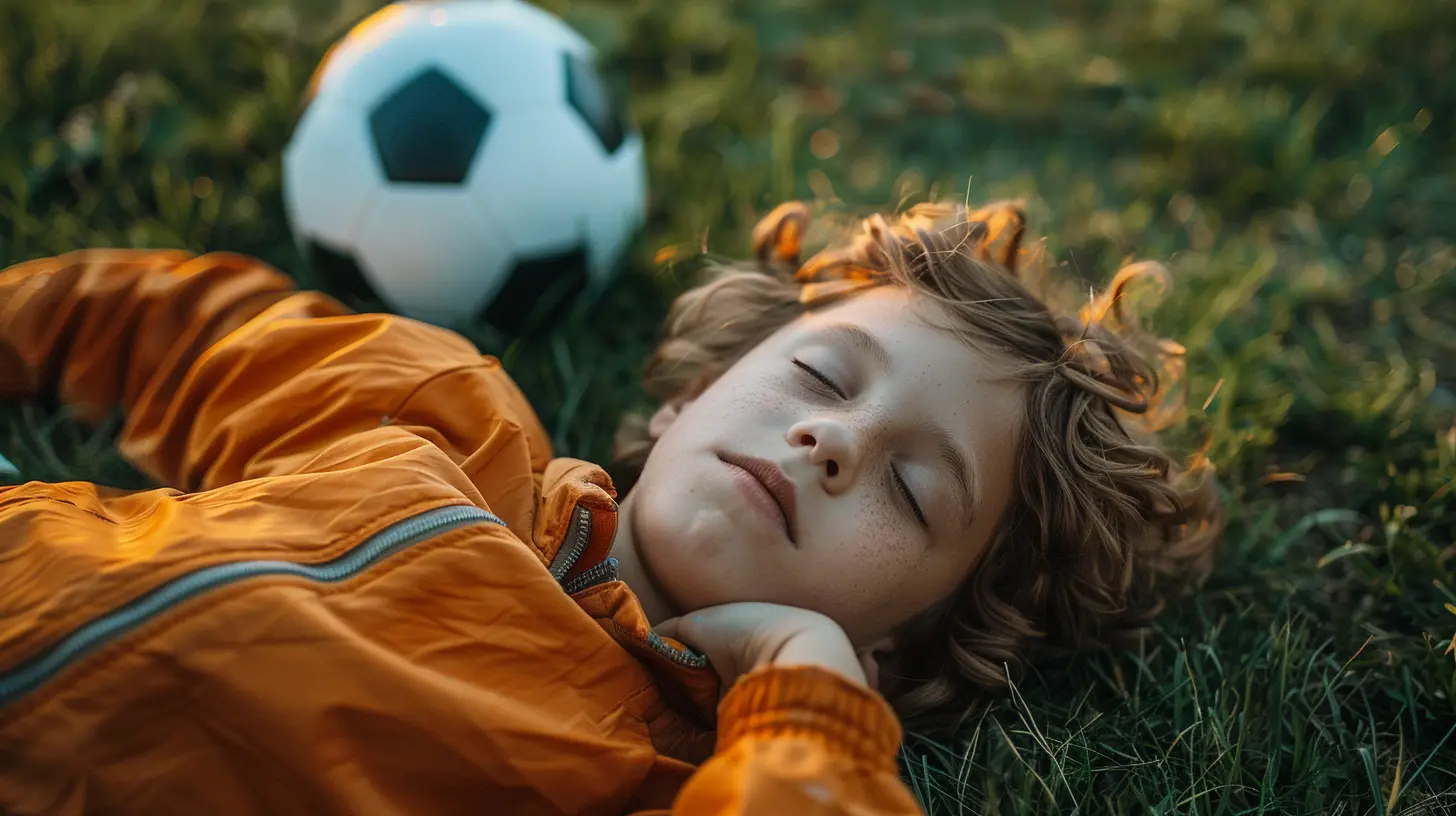
The Recovery Equation: Train + Sleep = Growth
Training stresses the body—it’s like strategically breaking things down so they can rebuild stronger. But without recovery, the body stays broken. And sleep is the king of recovery.Muscle Recovery and Injury Prevention
Muscles need rest to repair. Working out causes tiny tears in muscle fibers, and sleep is when the body gets to work patching them up. Without enough sleep, these repairs are incomplete. Over time, that leads to soreness, fatigue, and—worst-case scenario—injury.Young athletes need more recovery than adults because their bodies are still developing. Think of it like putting gas in a car—you wouldn’t drive across the country on an empty tank. The same goes for athletes trying to push hard without sleep.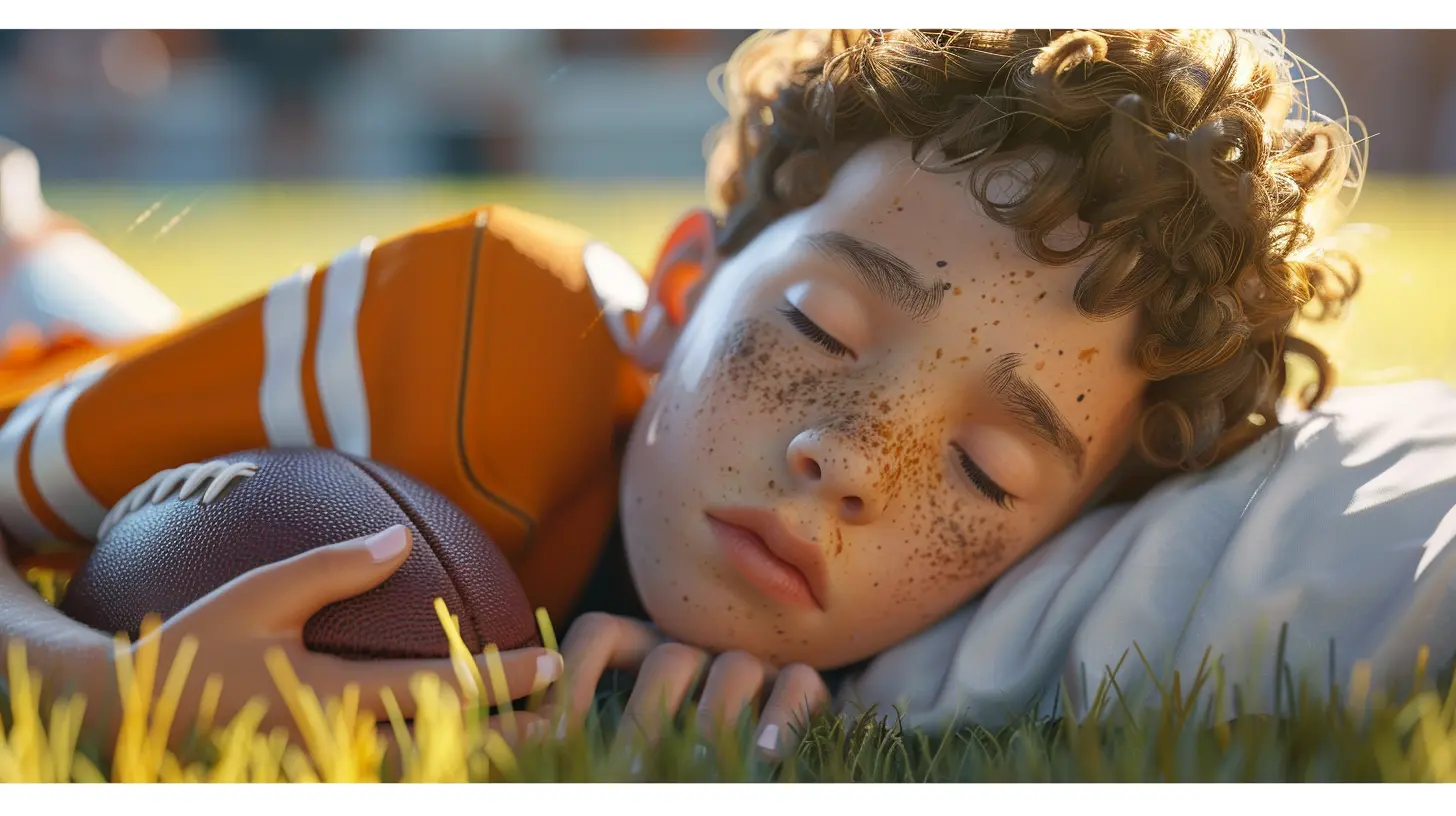
The Mental Game: Focus, Attitude, and Motivation
Let’s not forget the mental side of things. Sports aren’t just physical—they’re emotional, strategic, and psychological.Focus and Attention Span
Try going through a playbook on 5 hours of sleep. No thanks. Lack of sleep reduces attention span and focus. Young athletes may have a harder time sticking with practice, remembering plays, or staying engaged during games.Emotional Regulation
We all get cranky when we’re tired, right? Now imagine a teenage athlete trying to keep their cool under pressure after barely sleeping. Sleep affects mood, stress tolerance, and emotional control. A tired athlete might be more likely to snap at a coach, argue with teammates, or give up mid-game.How Much Sleep Do Young Athletes Really Need?
This is the million-dollar question. The National Sleep Foundation recommends:- Ages 6–13: 9–11 hours per night
- Ages 14–17: 8–10 hours per night
But remember, athletes need even more! They’re burning more energy, pushing their bodies harder, and creating more wear and tear. So, we’re talking closer to the top of these ranges—or even an hour above.
If your young athlete is training multiple times a day, juggling school, and barely getting 7 hours of sleep, something’s gotta give. And sleep should never be the sacrifice.
Bad Sleep Habits That Kill Performance
A lot of the time, it’s not that athletes don't want to sleep more—it’s that their habits are keeping them wired. Here's what to watch out for:1. Late-Night Screens
Phones, tablets, TVs... all of them emit blue light, which tricks the brain into thinking it’s still daytime. That means melatonin (the sleep hormone) doesn’t get released, and falling asleep becomes a battle.Quick Fix: Shut down screens an hour before bed. Use blue light filters or apps if needed.
2. Inconsistent Bedtimes
If your bedtime looks like a roulette wheel, your body won’t know when to start winding down. That messes with your internal clock and makes sleep less effective.Quick Fix: Try to go to bed and wake up at the same time every day—even on weekends.
3. Overtraining
Believe it or not, too much training can actually ruin sleep. A body in constant stress mode can’t fully relax and recover at night.Quick Fix: Include rest days. Listen to the body. Recovery is not weakness—it’s smart training.
The Power of Naps: A Bonus Boost
Not every athlete can get 9+ hours of sleep every night, especially with homework, social life, and early practices. That’s where naps come in.A 20–30 minute nap in the afternoon can:
- Improve alertness
- Boost mood
- Enhance reaction time
- Replenish energy
Just avoid long naps late in the day—they can mess with your nighttime sleep. Keep it short and sweet.
Coaches and Parents: You’re Part of the Equation
Let’s be honest for a sec—how often do we glorify “grinding” or “hustling” as if sleep is for the weak? That culture needs a rewrite.Coaches, set expectations that value rest. Parents, model good sleep habits. Prioritize bedtime just as much as showing up to practice or eating well.
If you’re pushing your athlete to train hard, also push them to recover smart. Because that’s what separates the good from the great.
Tips to Improve Sleep for Young Athletes
Let’s round it out with some real-world, actionable stuff. If you’re serious about getting better sleep—and better performance—try these:1. Create a Pre-Sleep Routine
Just like a warm-up before a game, a wind-down routine tells your body it’s game over for the day. Dim the lights, stretch, read a book—anything that promotes calm.2. Keep the Bedroom a Sleep Zone
No homework in bed. No scrolling through Instagram under the covers. Keep your space for sleep and relaxation.3. Eat for Sleep
Heavy meals right before bed can mess with digestion and sleep quality. On the flip side, going to bed hungry can be just as bad. Aim for a light snack if needed—like a banana or a glass of milk.4. Stay Cool and Dark
Your bedroom should be a cozy cave—cool, dark, and quiet. Think of it like optimizing your pit stop station to recharge fully every night.Final Thoughts: Sleep Is the Hidden Advantage
Here’s the bottom line: Sleep is not optional. It’s not something you squeeze in if there’s time. For growing athletes, it’s a critical part of the training regimen.More than any supplement, workout gadget, or protein shake, sleep gives a competitive edge. It builds stronger bodies, sharper minds, and more resilient spirits. If you're serious about athletic development, sleep needs to be at the top of the priority list.
So tonight, skip the late TikTok scroll and hit the pillow early. Your goals will thank you.
all images in this post were generated using AI tools
Category:
Youth SportsAuthor:

Uziel Franco
Discussion
rate this article
1 comments
Hayden Hahn
Sleep is not just rest; it's recovery. For growing athletes, adequate sleep enhances performance, supports development, and prevents injuries. Prioritizing sleep can be the game-changer they need.
July 16, 2026 at 2:24 AM