The Most Controversial All-Star Snubs of All Time
19 July 2026
Ah, the All-Star Game. It's that glorious time of year where the best of the best in sports come together to showcase their skills. But for every player basking in the All-Star spotlight, there's always someone left out in the cold, staring at the invite they never received. And let's be honest—some of those snubs are downright controversial. Over the years, these snubs have sparked heated debates, and today, we're diving into the most shocking, head-scratching All-Star exclusions in sports history.
Before we get into it, let’s set the scene. The All-Star Game, especially in leagues like the NBA or MLB, is a celebration of individual talent. Fans, coaches, and sometimes even players vote for who they think deserves to be there. But as with anything voted on, it's not always fair. Sometimes politics, popularity, or even injuries play a role. And sometimes—just sometimes—some of the best players get left out. Let’s take a look at the most controversial All-Star snubs of all time.
1. Damian Lillard (NBA, 2017)
Damian Lillard is no stranger to being overlooked, but the 2017 NBA All-Star snub was perhaps one of the most egregious examples. At the time, Lillard was putting up ridiculous numbers for the Portland Trail Blazers—averaging 26.3 points per game, 5.8 assists, and 4.5 rebounds. Those are All-Star numbers anywhere else, right?
Yet somehow, Lillard was passed over in favor of other guards like Klay Thompson and DeAndre Jordan (yes, a center was picked as an All-Star “guard” that year). Lillard himself expressed his frustration, saying, "It’s always something when it comes to me." And he wasn’t wrong. Despite being one of the league’s elite scorers and clutch performers, Lillard's cold relationship with All-Star voters continued for years.
It’s hard to understand why a player with Lillard’s resume—especially given his reputation for knocking down buzzer-beaters—wasn’t picked. Was it because he played in a small market? Was it due to the immense guard depth in the Western Conference? Whatever the reason, Lillard’s 2017 snub was so controversial that it sparked a conversation about whether All-Star voting should be reformed.
2. Mike Piazza (MLB, 1997)
The MLB All-Star Game has a long history of snubbing deserving players, but Mike Piazza missing out in 1997 remains one of the biggest head-scratchers. Piazza, arguably the best offensive catcher of all time, was coming off of back-to-back seasons where he was a monster at the plate. In 1997, he was hitting .363 with 20 home runs and 66 RBIs by the time the All-Star break rolled around. Those are MVP-caliber numbers, folks.Yet, somehow, he was not voted in as a starter. Instead, Javy Lopez of the Atlanta Braves got the nod. Lopez was having a solid season, but his numbers didn’t come close to Piazza’s. This snub left baseball fans scratching their heads. How could one of the most dominant hitters in the game be left off the starting roster?
The answer likely lies in the voting system. At the time, fan voting dominated the selection process, and the Braves were red hot. Atlanta fans had a huge influence on the vote, and their loyalty to Lopez may have overshadowed Piazza’s superior performance. This snub remains one of the most controversial in MLB history and is often cited when discussing flaws in fan-based voting.
3. Karl Malone (NBA, 1993)
Karl Malone, aka “The Mailman,” was one of the most dominant power forwards the NBA has ever seen. So when he was left off the 1993 NBA All-Star roster, fans and analysts alike were stunned. At the time, Malone was averaging 27.0 points and 11.2 rebounds per game—numbers that would make just about anyone an automatic selection.But for some reason, Malone didn’t get the nod. The Western Conference was stacked that year, but many believed that Malone’s exclusion was a result of a feud with Charles Barkley, who was also vying for a spot. Regardless of the reason, leaving out a player of Malone’s caliber was a massive oversight, and it didn’t sit well with fans—or Malone himself.
Malone went on to use the snub as motivation, and he had one of the best seasons of his career. He ultimately finished the 1992-1993 season second in MVP voting. This is a classic case of how even the best players can get caught up in the politics of All-Star selections.
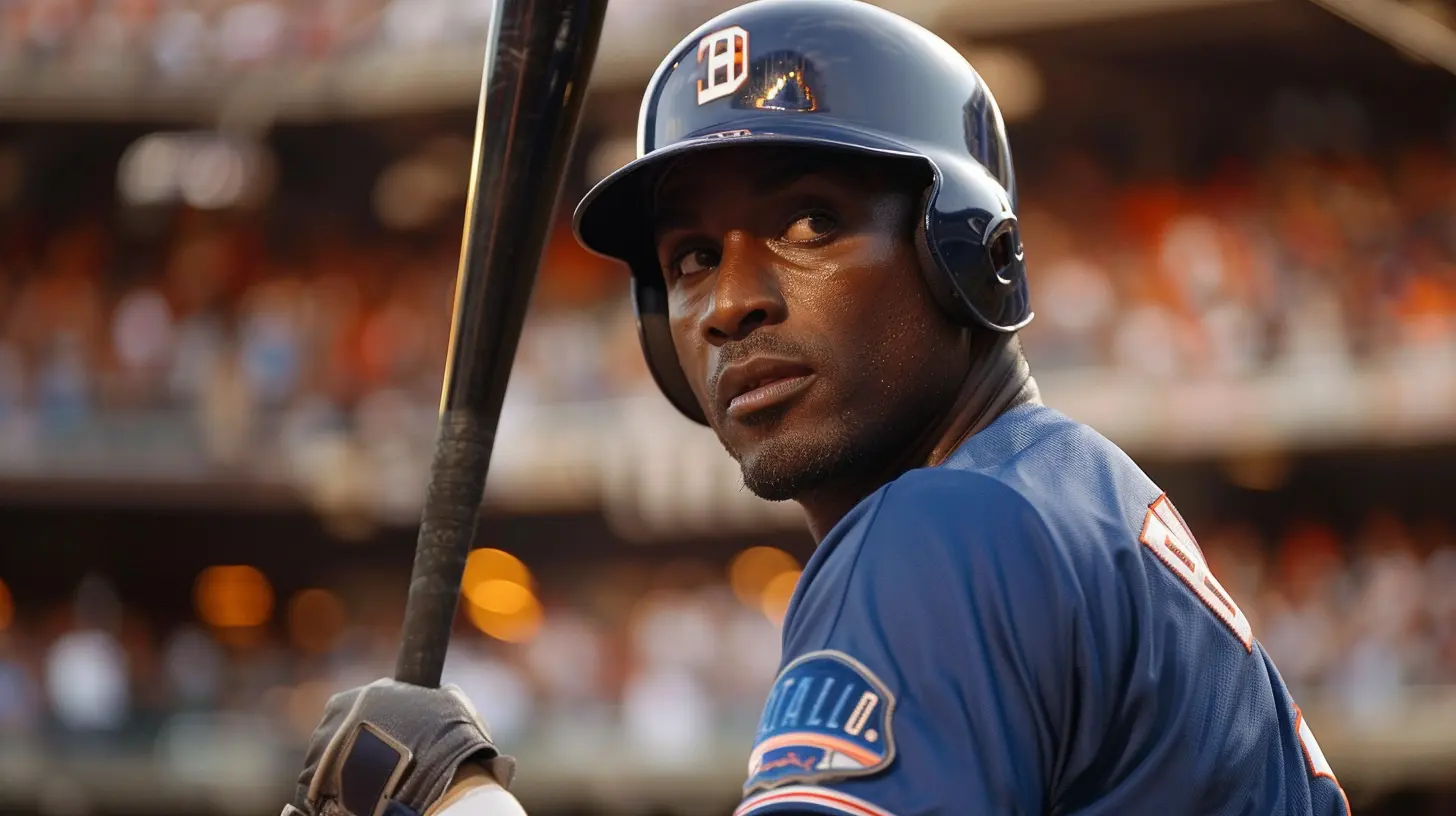
4. Omissions of the Detroit Pistons (NBA, 2006)
Here’s a snub that’s not just about one player but an entire team. In the 2005-2006 NBA season, the Detroit Pistons were dominating the league. They had a 37-5 record at the All-Star break, and their starting lineup was one of the best in the NBA. You'd think that a team this good would have multiple All-Stars, right? Well, think again.Despite their dominance, only one Piston made the All-Star team—Chauncey Billups. To make matters worse, Billups wasn’t even voted in as a starter; he was a reserve. Players like Rasheed Wallace, Ben Wallace, and Richard Hamilton—each of whom were instrumental to the Pistons' success—were completely left out.
Fans and analysts alike were outraged. How could a team that was on pace for 70 wins only have one All-Star? The Pistons were known for their teamwork and unselfish style of play, which may have hurt their individual recognition. But this snub remains one of the most egregious examples of how politics can affect All-Star selections.
5. T.J. Oshie (NHL, 2018)
The NHL All-Star Game selection process is no stranger to controversy, but one of the most notable snubs in recent memory happened in 2018 when T.J. Oshie of the Washington Capitals was left off the roster. Oshie was coming off a stellar 2017 season in which he scored 33 goals and had a strong showing in the playoffs. By the time the All-Star break rolled around in 2018, he was one of the top scorers on a team that was poised for a deep playoff run.But despite his performance, Oshie was left out in favor of other forwards. Many fans couldn’t understand why Oshie, who had become a fan favorite for his shootout heroics in the Olympics, wasn’t selected. Some speculated that the NHL was trying to promote younger players, while others believed it was simply a case of too much talent in the Eastern Conference.
Regardless of the reason, Oshie’s snub caused an uproar among Capitals fans and hockey enthusiasts alike, with many calling for changes to the selection process.
6. Terrell Owens (NFL, 2004)
Terrell Owens is one of the most polarizing players in NFL history, but there’s no denying his talent. In 2004, Owens had one of the best seasons of his career, racking up 1,200 receiving yards and 14 touchdowns for the Philadelphia Eagles. He was a key reason why the Eagles made it all the way to the Super Bowl that year.Despite his incredible performance, Owens was not selected to the Pro Bowl (the NFL's equivalent of the All-Star Game). Many believe that Owens’ brash personality and frequent clashes with teammates and coaches played a role in his exclusion. But if we’re judging purely based on performance, there’s no doubt that Owens deserved a spot.
This snub remains one of the most controversial in NFL history, and it's often cited when discussing how personality and off-field issues can affect All-Star and Pro Bowl selections.
7. Zdeno Chara (NHL, 2012)
Zdeno Chara is one of the most imposing figures in NHL history, both in terms of his size and his play. In 2012, Chara was having yet another dominant season for the Boston Bruins. He was a defensive powerhouse and was consistently shutting down the best offensive players in the league. Yet somehow, Chara was left off the All-Star roster.This snub was particularly surprising because Chara had been an All-Star in previous years, and his play in 2012 was as strong as ever. Some speculated that Chara’s exclusion was due to the NHL wanting to showcase younger players, while others believed it was simply a case of the Bruins already having too many All-Stars.
Regardless of the reason, leaving out one of the best defensemen in NHL history was a major oversight. Chara went on to have another stellar season, proving that his exclusion from the 2012 All-Star Game had more to do with politics than performance.
Conclusion
All-Star snubs are a part of sports, but some exclusions are so controversial that they leave fans and players alike questioning the selection process. Whether it’s due to fan voting, politics, or simply too much talent in a given year, these snubs remind us that being the best doesn’t always guarantee recognition.But if there’s one silver lining, it’s that many of these athletes went on to use their snubs as fuel, proving that while an All-Star selection is nice, it’s not the ultimate measure of greatness. So the next time your favorite player gets left off the roster, remember—they just might come back even stronger.
all images in this post were generated using AI tools
Category:
All Star GamesAuthor:

Uziel Franco