The Psychology of Winning: Mindsets of Esports Champions
28 May 2026
Let’s be honest—most of us love watching esports not just for the nail-biting finishes or flashy plays, but also because we’re fascinated by the players themselves. What makes them tick? How do they pull off insane comebacks under pressure? Why do some players choke while others rise and carry entire teams on their backs?
Spoiler alert: it’s not just about mechanics or how fast you can click. It’s about what’s going on between the ears. Yup, the brain. The mindset. The psychology of winning.
In this post, we’re diving headfirst into the mindsets of esports champions and breaking down what separates the mentally strong from the rest. Whether you're grinding ranked games or just a fan of the scene, you're about to get a whole new appreciation for what it really takes to win at the highest level.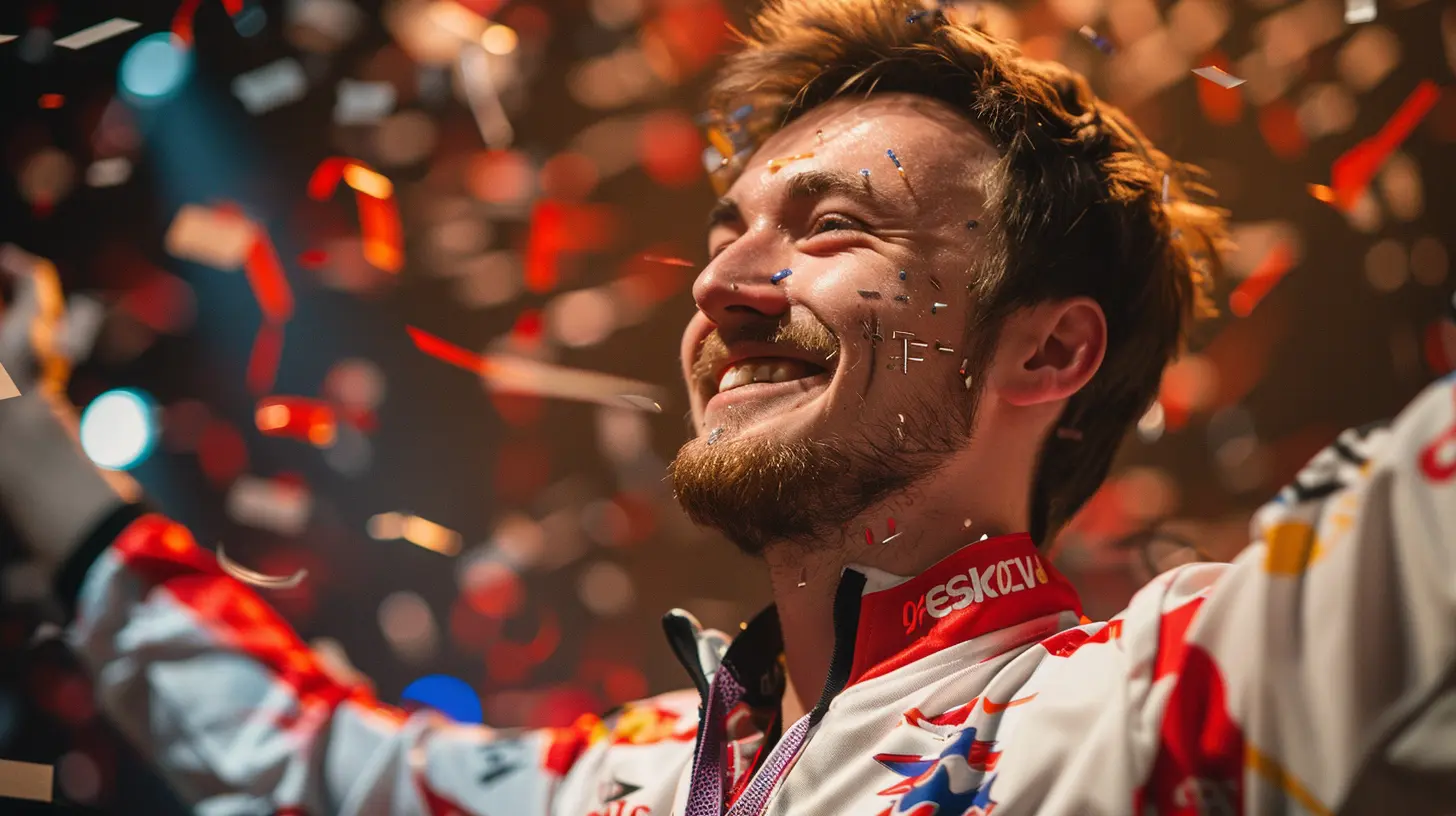
What Does It Mean to Have a “Winning Mindset”?
Before we go all-in, let’s make one thing clear. A winning mindset isn’t about always being confident or never making mistakes. It’s about how you respond to setbacks, how you handle pressure, and how you grow from each experience.Think of it like this: if esports were a chess match, then your brain is the queen—versatile, powerful, and crucial to winning the game.
A winning mindset is:
- Resilient – bouncing back from losses without losing your mojo
- Focused – knowing what matters during the game and tuning out the noise
- Hungry – always pushing to get better, even after winning
- Humble – recognizing there’s always more to learn
These traits don’t just magically appear. They’re built over time, and the best in the game put in as much work on their mental state as they do on their aim or strategy.
Esports: A Mental Game as Much as a Mechanical One
You’ve probably heard someone say: “Esports isn’t a real sport.” Let’s shut that down right now.While traditional sports rely on physicality and stamina, esports leans heavily into the mental side. Quick reactions, split-second decisions, strategy, communication, and composure under pressure—these are the core pillars of competitive gaming.
Ever seen a player clutch a 1v5 in CS:GO or pull off a game-saving R flash in League? That’s not just aim or game sense. That’s mental focus dialed to 100. Esports champions are mental athletes, and the battlefield is their mind.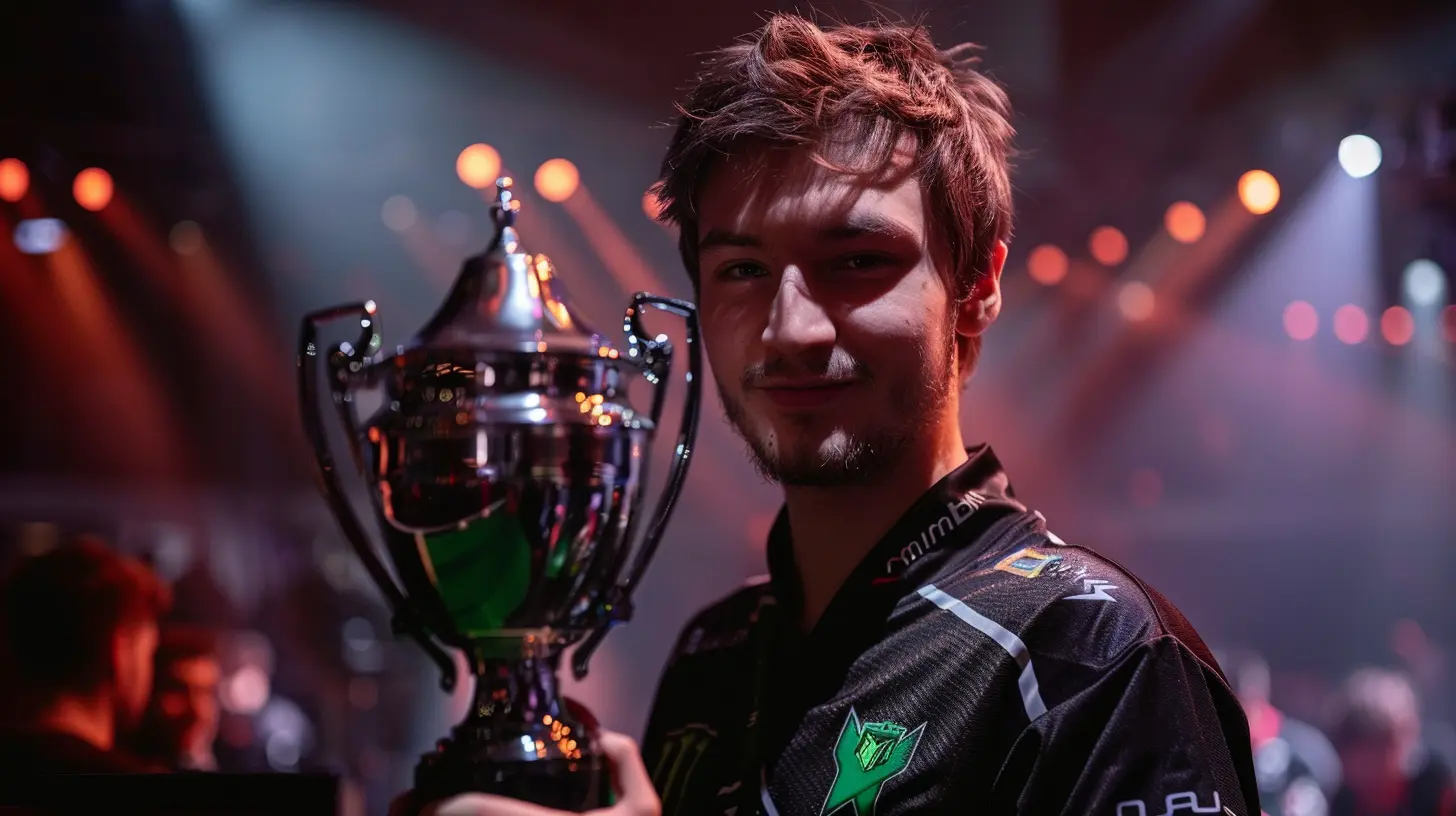
Growth vs. Fixed Mindset: The Grand Canyon Between Good and Great
Let’s bring in a bit of psychology here—Carol Dweck’s Growth Mindset vs. Fixed Mindset theory is gold for understanding the difference between average players and champions.- Fixed Mindset: Believes talent is static. Either you’re good, or you’re not. Loses once? “I suck, why even bother?”
- Growth Mindset: Believes skills can be developed through dedication and effort. Loses once? “Alright, what can I learn from that?”
Guess which one fuels champions?
Every top-tier esports pro you admire—Faker from League of Legends, S1mple from CS:GO, TenZ from Valorant—they all have a growth mindset buried deep within them. They don’t just play; they study the game. They review mistakes, adapt, and evolve. Not overnight, but consistently.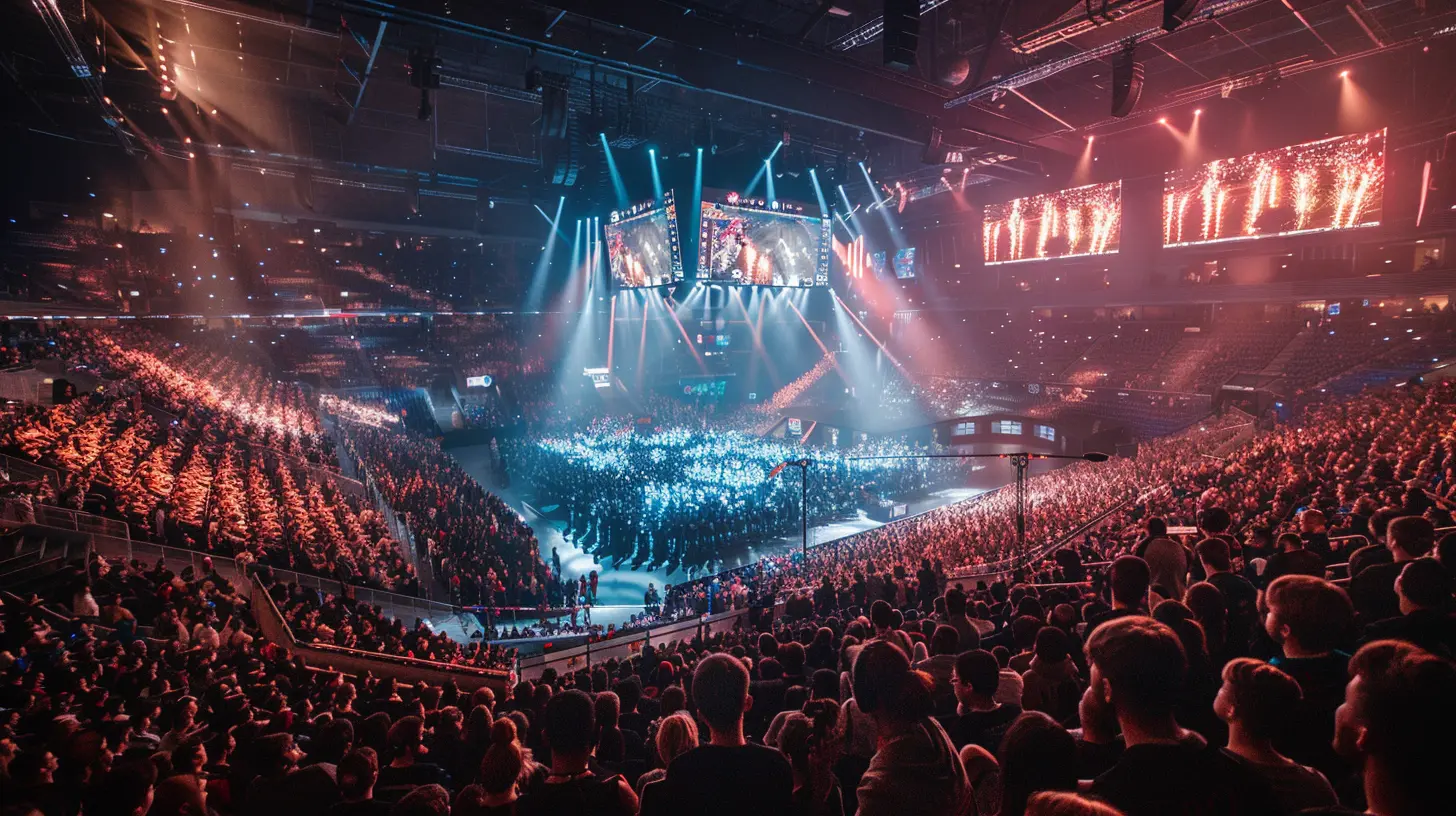
Champions Handle Pressure Like Zen Masters
Let’s talk about nerves.Imagine you're in the finals of a major esports tournament. One million people are watching you live. The scoreboard is tied. You have one shot, one play, and it’s all on you.
Freeze? Fold under pressure? Or perform like nothing’s changed?
The difference comes down to mental composure. Champions know how to breathe through the chaos. They treat practice and performance the same way. Why? Because anxiety lives in the gap between those two. If you treat every scrim like it's Worlds, then when you’re actually on the big stage, it doesn’t feel brand new.
Pro players use techniques like:
- Visualization (seeing plays in their minds beforehand)
- Box breathing (in through the nose, hold, out through the mouth)
- Self-talk (repeating calming or motivating phrases)
It’s not magic. It’s muscle memory—but for the mind.
Failure: The Secret Weapon No One Talks About
Here’s the truth: every champion has failed. Hard.They’ve lost crucial games, bombed in qualifiers, and made mistakes that cost their teams matches—and even careers. But what sets them apart is how they respond.
Think of failure like lifting weights. Nobody gets stronger lifting air. Champions embrace failures like gym reps for the brain. They don’t run from it—they analyze it, reflect deeply, and come back stronger.
Let me say that again for the people in ranked queue: Losing is part of winning.
Team Synergy Starts with Mental Alignment
In team-based games like Overwatch, League, and Valorant, chemistry isn’t just about knowing each other’s positions. It’s about trusting each other under pressure and managing in-game emotions.Ever been in a team where one tilted player ruins the vibe for everyone? That’s poor mental synergy.
Champions communicate with respect, manage emotions, and focus on creating a healthy team culture. They understand that the right mindset isn’t just personal—it’s contagious.
Great teams don’t just work on strats and rotations. They work on trust, mindset alignment, and handling stress together.
The Role of Coaches, Psychologists, and Mindset Trainers
You think LeBron got to where he is without a mental coach? Esports is catching up fast.Many top orgs now employ:
- Sports psychologists
- Mindset trainers
- Life coaches
These professionals help players manage expectations, build emotional resilience, and develop consistent routines that fuel elite performance.
Even solo stars who stream full-time sometimes bring in performance coaches to stay on top of their mental game. Because mindset isn’t a luxury; it’s a necessity.
Self-Awareness: The MVP of Mental Skills
Ever rage-queued after a loss and noticed nothing’s going right? That’s the opposite of self-awareness.Self-awareness is about knowing when you’re tilted, understanding your limits, and recognizing patterns in your behavior. Esports champions are brutally honest with themselves. They catch emotional triggers early and adjust before it snowballs.
Pro tip? Keep a performance journal. Write down what went well, what didn’t, how you felt, and what could change. Sounds cheesy. Works like a charm.
Motivation: Why Are You Even Playing?
Here’s where we get real.If your only motivation is clout, skins, or ranking higher than your ex—you’ll burn out. Fast.
The most successful pros are driven by deeper reasons:
- Love for the game
- Desire to compete at the highest level
- Personal growth
- Team loyalty and legacy
When the grind gets tough (and it will), these internal motivations carry you through.
Find your "why." Write it. Post it. Make it your compass.
Burnout: The Silent Enemy of Champions
Let’s be crystal clear—esports is not all fun and games. It’s long hours, intense focus, constant travel, relentless pressure, and oh yeah... internet trolls.Burnout is real. It creeps in quietly and wrecks players who don’t take care of their mental health. Champions take breaks, practice balance, and—shocker—have lives outside of gaming.
Journaling, exercising, meditating, even just vibing with friends—these things aren’t distractions. They’re fuel for longevity.
Daily Habits of Esports Champions
Want to hardwire a winning mindset for yourself? It’s not about grand gestures. It’s about habits. Here are a few common ones champions swear by:- Structured practice hours (quality over quantity)
- VOD reviews (learn from your own gameplay)
- Mental warm-ups (like meditation or visualization)
- Goal-setting (daily, weekly, long-term)
- Healthy sleep and food routines (turns out your brain is part of your body)
Consistency builds confidence. Confidence builds performance. It’s a loop.
Final Thoughts: You Don’t Need to Be Pro to Think Like One
Here’s the best part: you don’t need to be playing on a stage or signed to T1 to build a champion’s mindset.Whether you’re climbing out of Bronze or competing locally, developing the right mindset can take your game (and your satisfaction) to the next level.
Think of it like this: mechanics are the engine, but mindset is the driver. Without the right mental approach, you won’t get very far—no matter how souped-up your ride is.
So the next time you boot up your favorite game, ask yourself:
- Am I playing to improve or just not to lose?
- Do I bounce back after a bad match or spiral into tilt?
- Am I growing or just grinding?
Because at the end of the day, winning starts before the game even begins—in your head.
all images in this post were generated using AI tools
Category:
EsportsAuthor:

Uziel Franco
Discussion
rate this article
1 comments
Roxanne Dorsey
Winning in esports hinges on mental resilience and focus.
May 28, 2026 at 11:04 AM
![The Journey from Small Town to Big Stage: [Player Name]s Inspirational Story](/pictures/blog/small/the-journey-from-small-town-to-big-stage-player-names-inspirational-story_1.webp)