The Risks of Over-Reliance on Sponsorships in Professional Sports
17 May 2026
Let’s face it—money makes the sports world go round. From flashy stadiums to jaw-dropping athlete contracts, professional sports is big business. And at the heart of that business? Sponsorships. Sure, those billion-dollar brand deals help fuel the game, but what happens when the entire ecosystem starts leaning too hard on this one revenue stream?
Over the years, sponsorships have crept into every inch of professional sports. Logos are plastered on jerseys, arenas are named after tech startups, and even post-game interviews are peppered with shoutouts to “official partners.” But here’s the catch: putting all your eggs in the sponsorship basket is risky—really risky.
In this deep dive, we’ll unpack the hidden dangers of sponsorship dependence in pro sports. From economic vulnerability to ethical dilemmas and fan backlash, there’s more at stake than just branding.
Why Sponsorships Took Over the Game ?
At its core, a sponsorship is a trade-off. Brands want exposure, and teams need cash. Simple, right?With media rights constantly evolving and ticket sales often fluctuating, sponsorships became a reliable revenue cushion. They offered predictable money that helped clubs chase trophies, sign top talent, and invest in infrastructure.
It’s no surprise then that leagues, teams, and even individual athletes leaned in—hard.
But like any sugar rush, too much of a good thing eventually leads to a crash…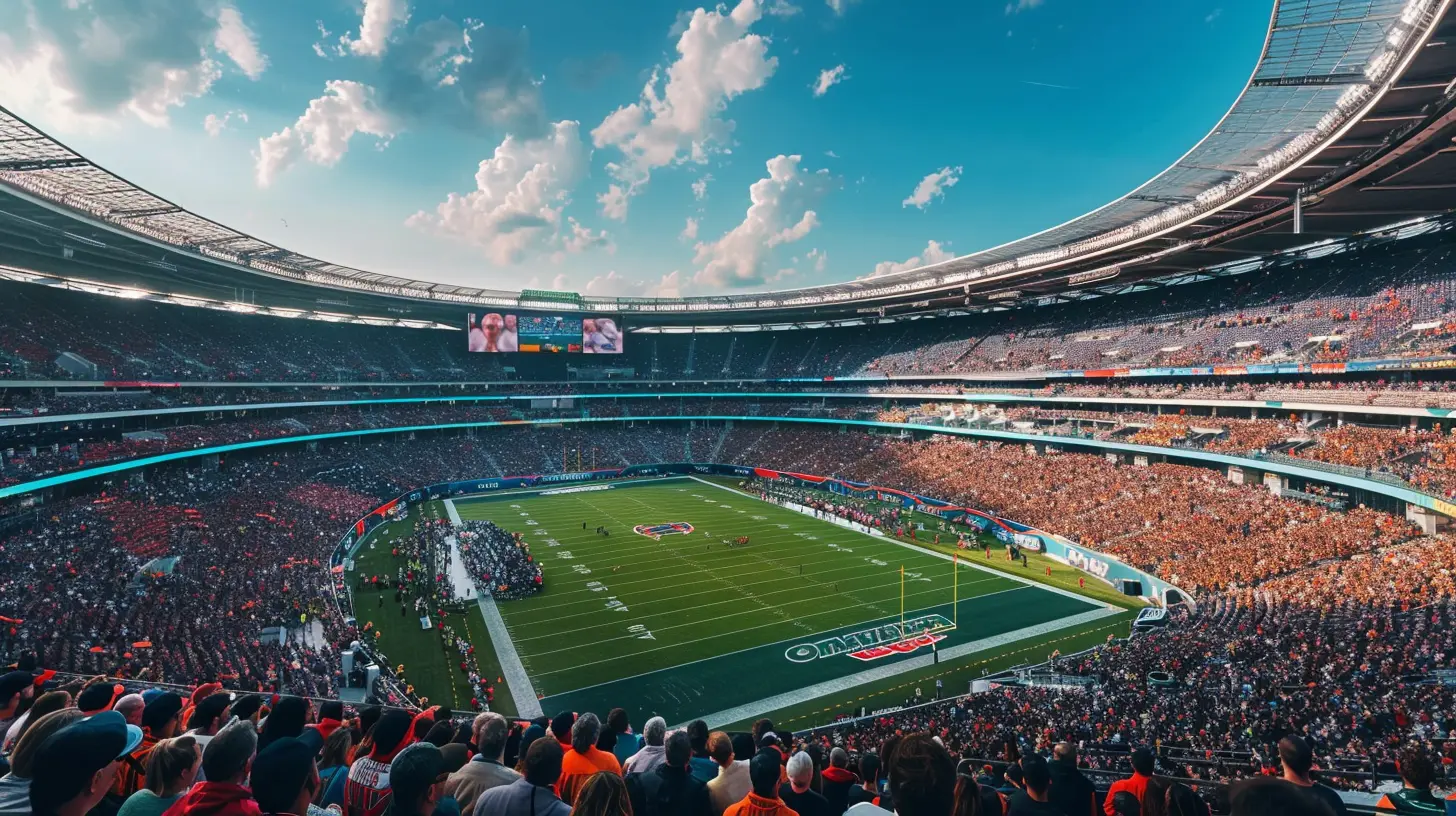
The Cracks Beneath the Surface
1. When Brands Pull Out, The House Wobbles
Ever tried building a house of cards and then sneezed? Yeah, that’s what happens when a major sponsor decides to bail.Sports organizations relying heavily on sponsors are walking a tightrope. If a crucial brand partner suddenly withdraws funding—whether due to economic downturns, PR scandals, or strategic shifts—the whole financial structure can wobble dangerously. Teams are often left scrambling to fill massive budget holes, laying off staff, or even ditching development programs to survive.
Just ask clubs that were backed by crypto firms that vanished overnight. It’s chaos.
2. Economic Downturns Hit Twice as Hard
The economy isn’t always sunny. When recessions roll in, one of the first things companies tighten up? Their marketing budgets. That often means sponsorship deals are reduced or even dropped altogether.Now think about a sports team whose main financial fuel is corporate partnerships. With sponsors pulling back, that team is essentially running on fumes.
It’s like putting all your chips on one number at the roulette table. Great if it hits. Brutal if it doesn't.
3. Unholy Brand Alliances Create PR Nightmares
Not every sponsor fits snugly into the values of a sport or its fanbase. In fact, some partnerships raise more eyebrows than revenue.For example, when gambling companies started becoming major sponsors, people raised concerns about promoting harmful behaviors—especially to younger fans. Then there are brands with murky track records that end up splashed across team kits. This creates a moral and ethical minefield.
When sponsorships prioritize dollar signs over integrity, fans notice—and they’re not shy about voicing it.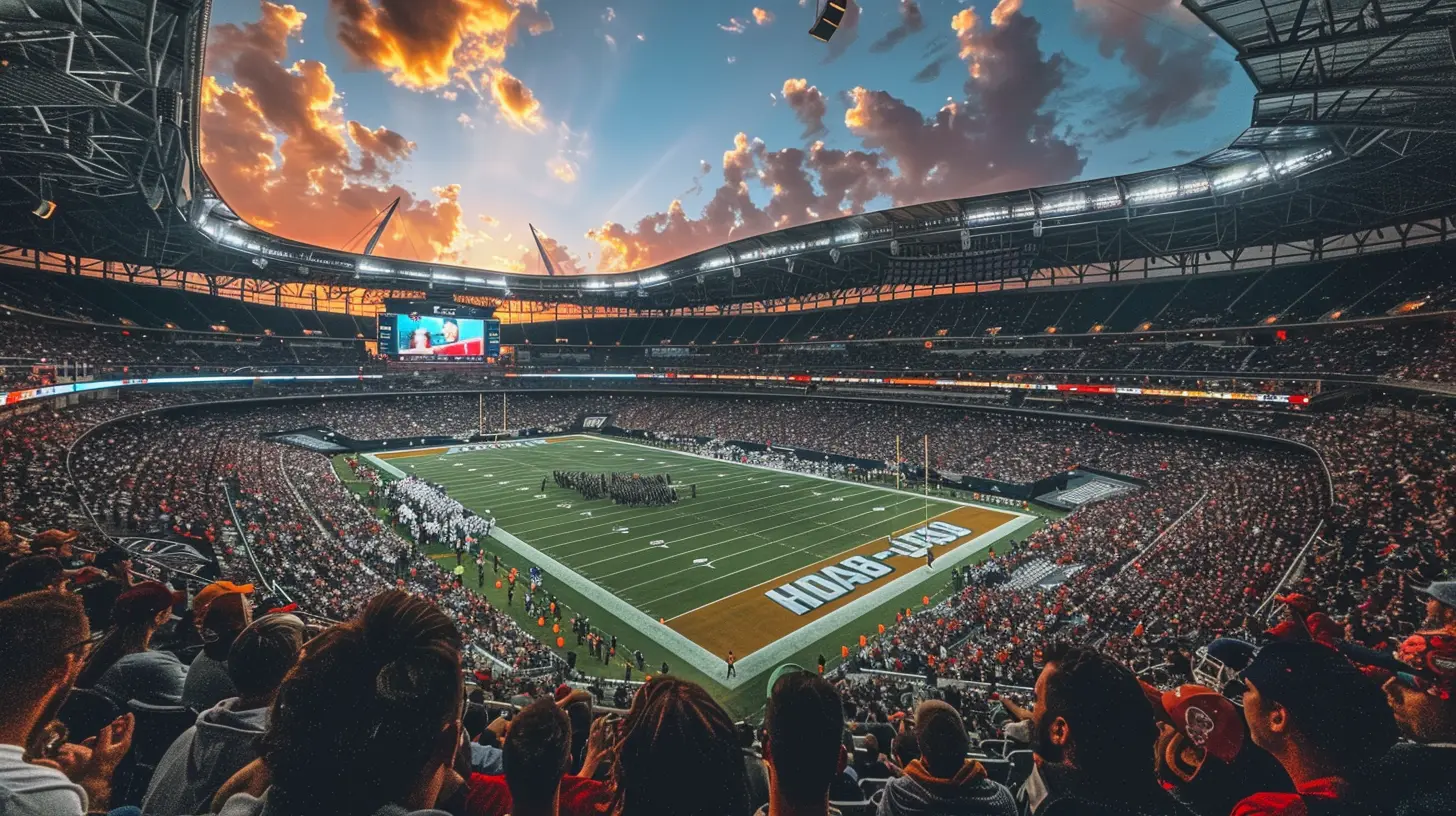
The Fan Disconnect ?
Let’s be honest—fans are the soul of any sport. Without them, there’s no merchandise sold, no games watched, and no passion in the stands. But here’s the kicker: over-reliance on sponsorships can alienate the very people who keep the sport alive.4. Authenticity Takes a Hit
When every inch of a broadcast is “brought to you by…” something, things start to feel commercialized. Fans crave authenticity. They want to feel like they're cheering for a team, not a billboard.Take jersey sponsorships, for instance. What used to be a clean expression of team identity is now often covered in corporate logos. Sure, these deals pay the bills, but they can also distance hardcore supporters who feel like their beloved club is selling out.
5. Ticket Prices Still Rise Despite Fat Sponsorships
Here’s what really stings: even with sponsorship cash pouring in, fans are still shelling out hundreds for tickets, merchandise, and streaming packages. It leaves a bitter taste. “Where’s all that sponsor money going?” is a fair question—and one more teams need to answer transparently.If fans feel exploited, trust erodes. And once that’s gone, it’s tough to win back.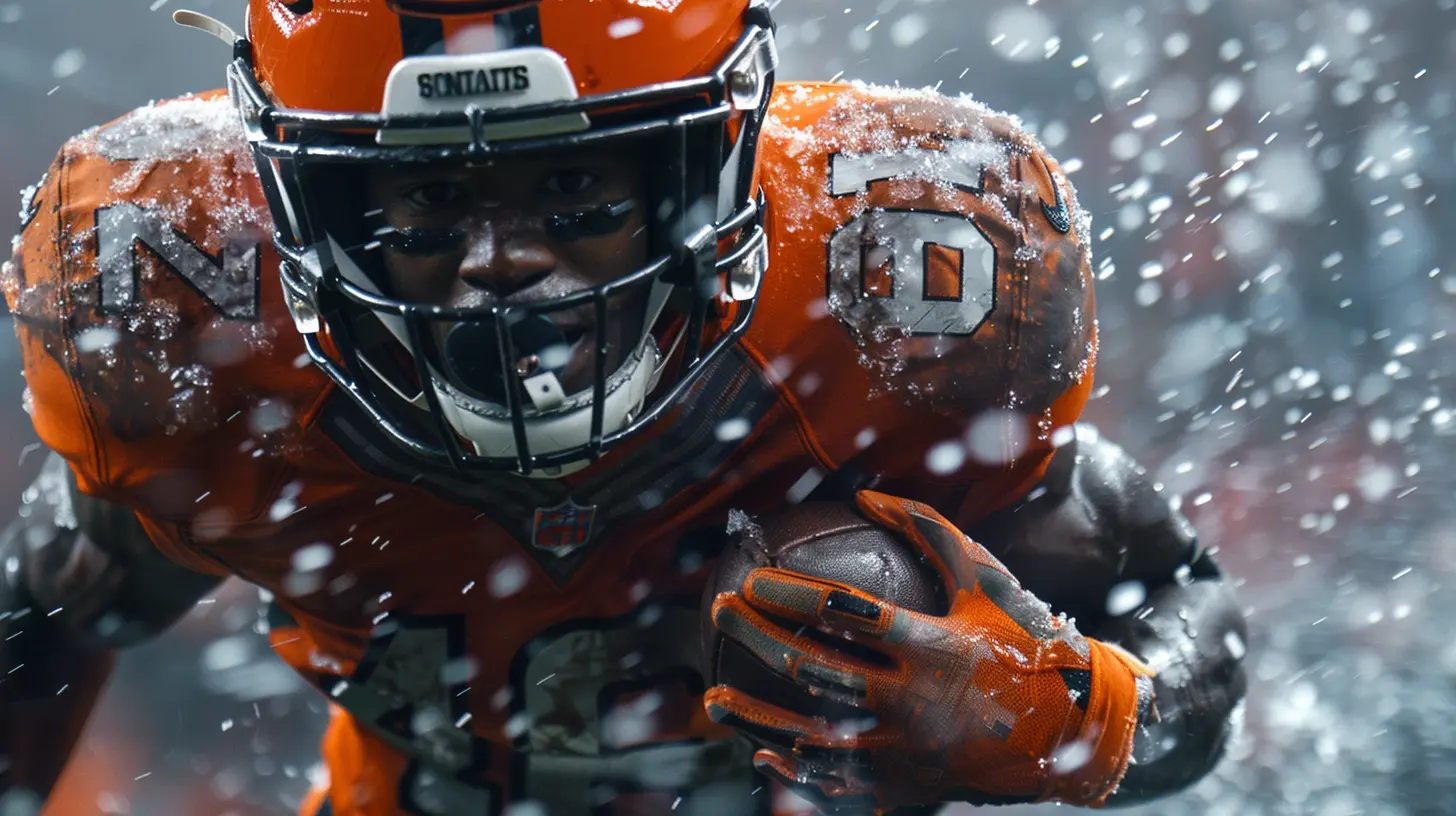
Short-Term Gains, Long-Term Pains
6. Youth Development Gets Sidelined
When money is tight and sponsorships dry up, guess which programs are usually the first to see cuts? Yep—the grassroots stuff. Youth academies, community outreach, and development leagues often get the axe.It’s a short-sighted move. Investing in young talent isn't just good for the community—it’s essential for the future of the sport. But when teams are forced to react to sponsorship whims, nurturing the next generation falls down the priority list.
7. Player Behavior Gets Commercialized
With endorsements and sponsorships driving so much value, players themselves become walking ads. They’re trained not just to perform—but to sell. That can lead to over-polished public personas and carefully curated social media presences that feel more brand than human.It blurs the line between athlete and influencer. Not necessarily wrong—but definitely different. And let’s be real, some fans don’t vibe with that shift.
The Monoculture Problem
8. Small Clubs Get Crushed
Big-market teams naturally attract big sponsors. But smaller clubs? They often get left with crumbs. This creates a widening financial gap—one that makes it harder for lower-tier teams to compete.As a result, league competitiveness suffers. Fans get bored watching the same top teams dominate year in, year out. And the thrill of the underdog story? It becomes rare.
It’s like only watering the tallest tree in the forest. Sure, it looks great for a while… until the rest of the forest dies out.
When Sponsors Start Running the Show
9. Brand Influence Starts Affecting Decisions
Sponsorship dollars come with strings attached. Whether explicitly or not, big-name sponsors often expect a say in how things are run. From uniform designs to stadium naming rights to even who plays and who sits—some decisions start feeling less sporty and more corporate.And that’s dangerous territory.
When commercial interests drive playtime, strategies, or hiring decisions, the essence of competition takes a backseat. Fans notice, athletes grumble, and the sport loses its integrity.
Future-Proofing the Game ?️
So, what’s the solution? Ditch sponsorships entirely? Not quite.Sponsorships clearly have a role—they fuel growth, provide stability, and allow leagues to evolve. But they shouldn’t be the main pillar holding up the house.
Here’s how sports organizations can balance the scales:
✅ Diversify Revenue Streams
Media rights, ticket sales, merch, digital content, fantasy leagues, even NFTs—there are multiple ways to generate income. Depending less on sponsorships means greater financial resilience.✅ Prioritize Fan Experience
If fans are happy and engaged, money will follow. Focus on what makes the sport magical—authenticity, connection, and community. The rest will take care of itself.✅ Approach Sponsorships with Integrity
Not all money is good money. Align with brands that reflect the sport’s values and culture. Long-term trust beats short-term paychecks every time.Final Whistle ?
Sponsorships aren’t evil. In fact, they’ve done a lot of good for professional sports. But like anything, balance is key.Over-relying on one source of income—especially one so fickle and image-driven—puts teams, players, and fans on shaky ground. The most successful organizations in the future will be the ones that spread their wings while keeping their feet firmly planted in what truly matters: the love of the game.
So next time you see a stadium renamed after the latest startup, just remember: behind every logo is a choice. Let’s hope it’s a smart one.
all images in this post were generated using AI tools
Category:
Sponsorship DealsAuthor:

Uziel Franco
Discussion
rate this article
1 comments
Maxine McAlister
While sponsorships are essential for revenue, an over-reliance can undermine a sport's authenticity. Teams might prioritize sponsor interests over fan engagement, leading to a disconnected experience. Balancing commercial needs with genuine connection to the sport is crucial for sustainable growth and long-term success.
May 19, 2026 at 3:33 AM
Uziel Franco
You make a great point. Striking that balance is key to keeping the sport true to its roots while still providing for its future. Authentic fan engagement can't be sacrificed for short-term gains.