The Role of Brand Alignment in Sports Sponsorships
11 August 2026
Sports and branding go together like peanut butter and jelly. You can’t really think of one without the other. Whether it’s a logo on a jersey, a brand plastered on the pitch, or a full-blown campaign featuring athletes, sponsorships are everywhere. But here’s the catch — not all partnerships work. And when they don’t, it’s usually because of one big missing piece: brand alignment.
So, what does brand alignment mean in the world of sports sponsorships? Why does it matter so much? And how can it make or break a campaign that costs millions? Let’s break it down in a way that actually makes sense — no corporate jargon, just real talk.
What Exactly is Brand Alignment?
Let’s start with the basics. Brand alignment is when the values, image, and message of a sponsoring brand match up with the identity, ethos, and reputation of the sports team, event, or athlete they're backing.Think of it like a date. If two people share the same interests, goals, and vibe, the date goes great. But if one’s all about fitness and clean eating, and the other is a fast-food junkie? Yeah… not a match made in heaven.
The same goes for sports sponsorships.
Imagine an energy drink brand teaming up with an extreme sports athlete — makes sense, right? Now imagine that same brand sponsoring a quiet chess tournament. Not quite the same impact.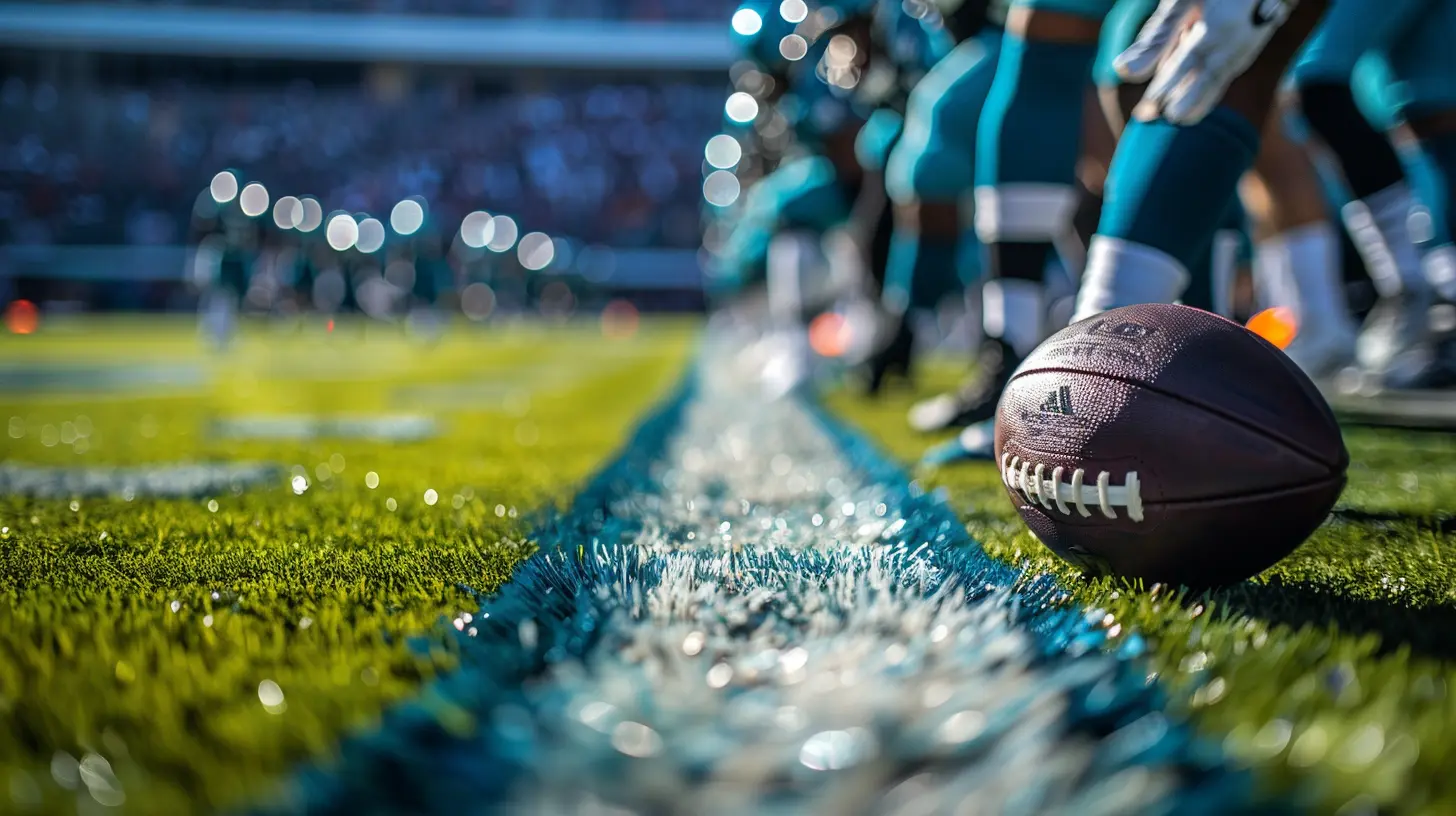
Why Brand Alignment is the Secret Sauce in Sports Sponsorships
1. It Builds Authenticity
Let’s be real. Fans can smell fake a mile away. When a brand partners with a team or athlete that doesn’t really match its image, it just feels off. It’s like seeing a luxury fashion brand sponsor a mud wrestling tournament — confusing, awkward, and a little cringe.But when the alignment is spot-on? It feels natural. It resonates.
Take Red Bull, for instance. The brand screams adrenaline, risk, and fearless energy. So when they sponsor extreme sports like Formula 1, snowboarding, or cliff diving — it fits like a glove. That’s authentic brand alignment. And fans buy into it, literally and emotionally.
2. It Increases Fan Engagement
People love stories. And great brand alignment tells a compelling one. When a brand and a sports entity share values, the narrative feels unified. It doesn't feel like a one-off ad; it feels like a partnership.Nike and athletes like Serena Williams or LeBron James? It’s not just logo placement — it’s a shared mission: excellence, innovation, and pushing boundaries. The result? Fans engage more, trust more, and get emotionally invested.
3. Better ROI (Yeah, That Matters Too)
At the end of the day, money talks. Brands don't spend millions for fun. They need returns. When there’s strong alignment, campaigns perform better. Social media stats go up, sales increase, and brand loyalty deepens.Why? Because the audience sees the partnership as legit. And they’re more likely to support brands that support their favorite teams or athletes — especially when it feels like a good fit.
How Do You Know If Brand Alignment Exists?
There’s no magic formula, but there are a few key questions marketers (and honestly, even fans) can ask to figure out if two brands align:- Do they share similar values?
- Does the audience overlap?
- Is the tone and messaging consistent?
- Would this partnership make sense even without the money?
If the answer’s “yes” across the board, it’s probably a good match.
The Danger of a Misaligned Partnership
Let’s flip the coin.When brand alignment is missing, things can unravel — fast. And we’ve seen it happen. A few high-profile sponsorship deals have backfired hard simply because the collaboration felt forced or mismatched.
Take, for example, when certain fast-food giants tried sponsoring Olympic athletes known for peak fitness and clean diets. Sure, everyone loves a good burger, but when those ads run during events pushing elite performance and healthy lifestyles? It feels off. And fans notice.
Worst-case scenario? The partnership damages both brands. The athlete or team loses credibility. The sponsor looks opportunistic. And fans? They check out entirely.
Real-Life Examples That Nailed Brand Alignment
Nike & Colin Kaepernick
This was a bold move — and it paid off. Nike aligned itself not just with Kaepernick the athlete, but with what he stood for. It was a statement, and whether you agreed with it or not, you couldn’t ignore it.Nike’s brand has always been about pushing limits, breaking the mold, and standing for something bigger than sports. At its heart, the partnership made sense. It was risky, but it was true to their brand DNA.
Emirates & Arsenal (and other football clubs)
An airline sponsoring top-tier football clubs around the world might seem random at first. But Emirates positions itself as a global, premium, high-performance brand. Football clubs like Arsenal, Real Madrid, and AC Milan offer global reach, prestige, and a loyal fanbase — perfectly aligned values. That’s more than just a logo on a shirt. It’s a strategy.Gatorade & Pro Athletes
Gatorade doesn’t just sell sports drinks; it sells performance. That’s why deals with athletes who embody hard work, endurance, and resilience work so well. From Michael Jordan to Serena Williams to Lionel Messi — the partnerships just feel right.The Role of Social Media in Brand Alignment
In today’s world, everything is amplified. One tweet. One Insta post. One TikTok video. Boom — viral.This means that brand alignment isn’t just about logo placement anymore. It’s about storytelling. Social media has given fans access to unfiltered athlete personalities and behind-the-scenes action. So if a sponsorship feels fake or out of touch, it’s gonna get called out — fast and publicly.
But when it’s authentic? Social media turns into a powerhouse. Athletes become brand ambassadors in the truest sense. Fans engage. They share. They comment. And most importantly, they buy in — mentally and financially.
How Brands Can Find the Right Sports Partner
It’s not just about picking the biggest name or most popular team. It’s about finding someone who fits your brand like a glove (or a perfectly laced pair of cleats). Here’s how to do it:1. Know Your Brand Inside and Out
Before you look outward, look inward. What does your brand stand for? Adventure? Luxury? Innovation? Loyalty? Freedom?Once that’s clear, finding a matching partner becomes way easier.
2. Understand the Fanbase
Who are they? What’s their vibe? Are they young and edgy? Family-focused? Global travelers? Hardcore loyalists or casual fans? The fanbase is the real audience — get them, and you win.3. Choose Long-Term Over Short-Term
Flashy, one-off sponsorships don’t really move the needle. But long-term partnerships build trust. They allow stories to unfold over time. They become part of the culture.Look at Coca-Cola and the FIFA World Cup. That's decades of branding gold, because it’s consistent and aligned.
Mistakes to Avoid in Sports Sponsorships
Okay, quick-fire list of what NOT to do:- Don’t chase trends just because they’re hot.
- Don’t pick a partner based solely on audience size.
- Don’t ignore potential controversy.
- Don’t forget about the ethics (fans care!).
- Don’t go silent after the sponsorship deal — activate it.
The Future of Brand Alignment in Sports Sponsorships
As we move into a more socially aware, digitally driven world, brand alignment will matter more than ever. Fans are smarter. They’re more vocal. They want to support brands that reflect their own values.That means cookie-cutter partnerships won’t cut it anymore. Brands need to dig deeper. They need to stand for something. They need to align.
And honestly, that’s a good thing.
Because when the alignment is real, the impact is real — not just in sales, but in emotional connection, cultural relevance, and lasting legacy.
Final Thoughts
Sports sponsorships are no longer just a business deal. They’re a relationship. And like any good relationship, it only works when there’s alignment. Shared values. Common goals. A unified voice.So whether you’re a brand looking to dive into the sports world, or a sports entity approached by sponsors, always ask the golden question:
Does this feel right?
If it does, you’re halfway to a winning campaign.
If not? Maybe it’s time to swipe left.
all images in this post were generated using AI tools
Category:
Sponsorship DealsAuthor:

Uziel Franco

![The Warrior Spirit of [Player Name]: How They Battle Through Every Game](/pictures/blog/small/the-warrior-spirit-of-player-name-how-they-battle-through-every-game_1.webp)