The Role of Gender Equality in Youth Sports
18 June 2026
When we think about the future of sports, our minds usually jump to record-breaking athletes or intense championship games. But if we really want to shape the next generation of sports stars, we need to start focusing on a topic that doesn’t always get the spotlight it deserves: gender equality in youth sports.
Now, I know — it sounds like a serious topic (because it is), but that doesn’t mean it has to be boring. In fact, this conversation is long overdue. Let's dive into why leveling the playing field between boys and girls in sports is not just fair — it’s essential.
Why Gender Equality in Youth Sports Matters
It’s not just about letting girls play on the same team or having separate leagues for boys and girls. Gender equality in youth sports goes much deeper. It’s about creating an environment where both boys and girls feel encouraged, respected, and supported — regardless of their gender.Imagine a world where every kid laces up their sneakers with the same amount of confidence. Sounds like a dream, right? But that’s the kind of future we can build when we start early and build sports cultures rooted in equality.
The Current Landscape: Where Do We Stand?
Let’s be real. We've made some progress. Girls today are way more involved in sports than they were a few decades ago. Title IX in the U.S., for example, opened the floodgates for female participation in school sports.But here’s the catch — there’s still a long way to go.
- In many parts of the world, boys get more access to structured sports than girls.
- Funding, equipment, coaching, and media attention disproportionately favor boys’ sports.
- Gender stereotypes still shape the way coaches, parents, and even kids view sports.
And this isn't just happening in small towns or underdeveloped regions. It’s happening everywhere — even in places that pride themselves on progressiveness.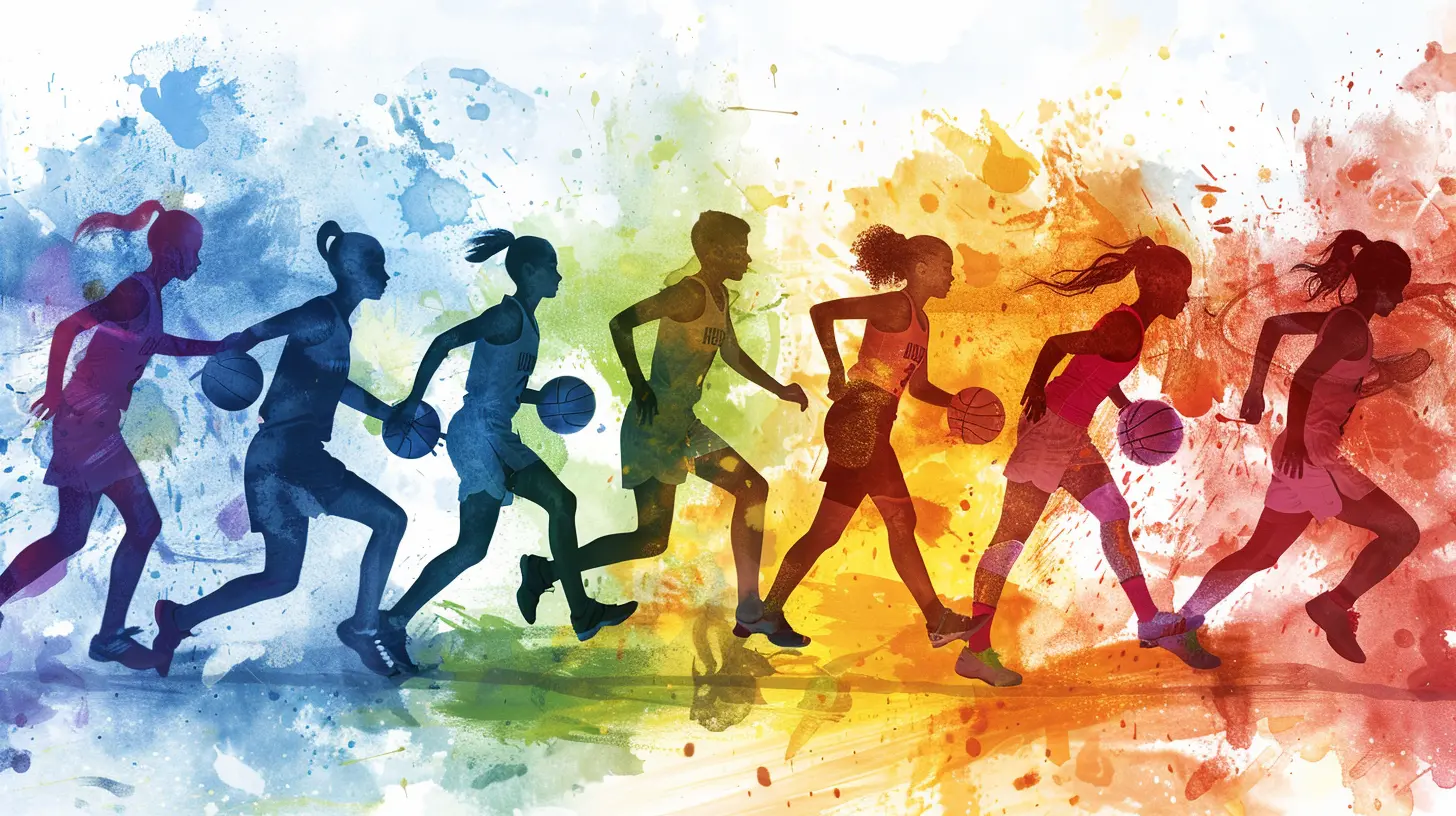
Barriers That Still Exist
Let’s break this down a bit. What exactly is keeping us from achieving gender equality in youth sports?1. Deep-Rooted Stereotypes
You know the ones. "Boys are stronger," "Girls aren't competitive enough," or "Sports are too rough for girls."These outdated ideas still influence who gets picked for the team, who gets to play certain positions, and who’s taken seriously on the field. And guess what? They start young. Even preschoolers absorb these messages.
2. Unequal Access and Resources
Coaching? Facilities? Equipment? Oftentimes, girls don't get the same quality or quantity of any of these. Some schools pour money into their boys’ teams while neglecting the girls’. It sends a not-so-subtle message: "You're not as important."3. Lack of Female Role Models
When the media focuses 95% of its attention on male athletes, how are girls supposed to imagine becoming pros themselves? Representation matters. If girls can’t see themselves in the sports world, how will they believe they belong there?4. Less Media Coverage
Think back to the last time you saw a girls' basketball game or a women's soccer match on TV. You probably had to dig deep, right? This lack of visibility tells us who's deemed "worthy" of attention — and it affects young athletes more than we admit.
How Gender Equality Boosts Performance and Participation
Here’s the good news: when we push for gender equality, everyone benefits — not just the girls. Let me explain.Encouraging Confidence and Leadership
Sports teach kids way more than just how to shoot a goal or run fast. They build confidence, discipline, teamwork, and leadership. When girls are given equal opportunities, they show up strong — both on and off the field.Breaking the Tough-Guy Mold for Boys
Equality doesn’t just free up space for girls to thrive. It also allows boys to drop the whole "tough guy" persona. Ever seen a kid pretend not to cry after a tough loss? That’s gender norms at work. Equality gives all kids space to be themselves — emotions and all.Creating More Inclusive Communities
Youth sports are about community. The more inclusive that community is, the better it functions. Teams that are diverse — in gender, race, and experience — tend to be more creative and resilient.What Can We Do to Make It Better?
You might be wondering, "Okay, but what can I actually do?" Great question. The good news is, change starts with small, intentional steps.1. Encourage Co-Ed Sports at a Young Age
When boys and girls play together early on, they learn to respect each other as teammates. It also busts the myth that one gender is "better" at sports than the other. Winning and losing together creates mutual respect.2. Speak Up About Inequality
Not enough balls for the girls’ team? Field in bad condition while the boys' team has brand-new turf? Talk about it. Parents, coaches, and community members have power — especially when they speak up together.3. Support and Hire Female Coaches
Female coaches not only bring a different perspective to the game, but they also act as powerful role models for young girls. A girl who sees a woman coaching knows she can lead too.4. Advocate for Equal Budgets and Facilities
Equal funding shouldn't be a debate — it should be a standard. Schools and clubs need to prioritize fairness when it comes to budgets, uniforms, equipment, and time on the best fields.5. Celebrate Female Athletes Loudly
Go to the games. Share their highlights on social media. Talk about them the way we talk about LeBron or Ronaldo. Visibility is everything.Stories That Inspire Change
Sometimes, facts don’t hit as hard as stories do. Here are a few real-life examples of how gender equality in youth sports is making waves.The Girls’ Flag Football Movement
In several states across the U.S., girls are pushing hard for flag football to become an officially recognized high school sport. They’re organizing, playing, and proving they've got skills. And schools are starting to listen.Mixed-Gender Soccer Leagues
Some youth leagues around the world are moving toward entirely mixed-gender formats until a certain age — and guess what? It’s working. Kids are learning to play without gender bias, and it’s leveling the playing field.Advocacy from Male Allies
Male athletes standing up for gender equality is a game-changer. Whether it's speaking out against pay disparities or mentoring young female players, their support helps dismantle the "us versus them" mentality.The Role of Parents and Coaches
Let’s not underestimate the adults in the room. If you’re a coach, a parent, or just someone involved in youth sports, you hold the keys to change.Here’s how you can help:
- Always give equal playing time and attention to all genders
- Use gender-neutral language during training
- Address issues of bullying or teasing right away
- Encourage girls to take on leadership roles like team captain
- Avoid making assumptions based on gender
These might seem like small things, but over time, they create a ripple effect that changes the culture of a team — and eventually, the whole sport.
The Bigger Picture: What Happens When We Get It Right
When gender equality becomes a norm, not just an idea, we start seeing the long-term benefits.- Girls stay in sports longer
- Boys grow up with healthier views on gender
- We get more diverse athletic talent across all levels
- Society gains stronger, more empathetic leaders
It’s not just about sports — it’s about building a better future, starting with the soccer fields, basketball courts, and swimming pools in our own backyards.
Final Thoughts: It's Time To Play Fair
Let’s face it — youth sports are more than just games. They’re mini-life lessons in action. And if we want those lessons to be about fairness, teamwork, and respect, we need to make sure everyone gets a fair shot.I’m not saying change will be easy. But it’s possible — and it’s necessary. So the next time you see a girls' team hustling just as hard as the boys? Cheer as loud as you can. The future of sports is co-ed, inclusive, and unstoppable. And it starts with us.
all images in this post were generated using AI tools
Category:
Youth SportsAuthor:

Uziel Franco
Discussion
rate this article
1 comments
Virginia Sharp
Gender equality boosts confidence and teamwork in sports.
June 18, 2026 at 2:37 AM