The Role of Influencers in Modern Sports Sponsorship Campaigns
30 March 2026
Let’s be real—sports sponsorships aren’t what they used to be. Gone are the days when a logo on a jersey or a 30-second TV commercial during halftime was the peak of sports marketing. Today, it’s all about connection, authenticity, and relatability. And guess what’s driving that shift? You’ve got it—social media influencers.
In the modern sports world, athletes aren’t just athletes, and fans aren’t just passive viewers. Everyone craves real stories, behind-the-scenes moments, and a sense of community. Influencers step right into this gap, bridging brands and audiences in a way traditional advertising simply can’t. So, how are they doing it, and why does it work so well?
Let’s unpack how influencers are shaking up modern sports sponsorships like a buzzer-beater game-winning shot—unexpected yet thrilling.
What’s the Big Deal With Influencers Anyway?
Before we dive in, let’s clear the air. When we say “influencers," we’re not just talking about folks posing with protein shakes or flashing sneakers on Instagram. Think broader.Influencers can be:
- Professional athletes with massive followings
- Fitness gurus on YouTube
- Sports analysts on TikTok
- Micro-influencers with niche followings in specific sports
What matters is their ability to connect with their audience in a way that feels real. People trust them. Why? Because they seem like someone you’d actually talk to at the gym or message for tips on your running form.
That trust is marketing gold.
From Plug to Partnership: How Sponsorship Has Evolved
Let’s rewind a bit. Sports sponsorship used to look like this:👕 A brand pays a team to slap their logo on the jersey
📺 A commercial runs during game breaks
📣 Maybe a billboard outside the stadium
But now? Sponsorships are social, strategic, and story-driven.
Imagine this: instead of just sponsoring a marathon, a sports brand partners with a fitness influencer. They post training vlogs, meal prep routines, and race day footage. It’s like watching a reality show you actually care about. That’s marketing magic—and it isn't even trying to sell you anything. It’s just telling a story.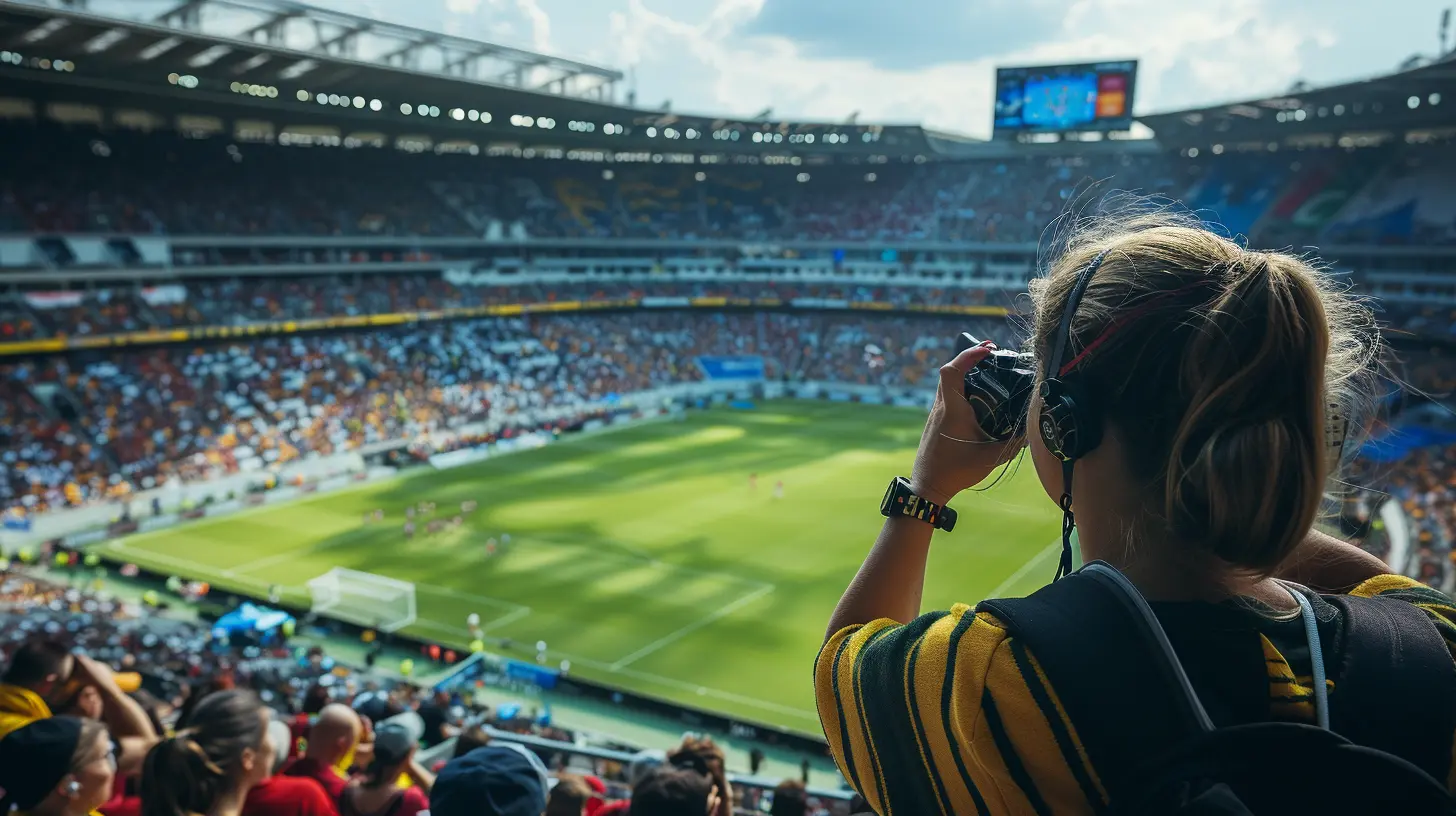
The Human Touch: Why Influencers Click With Sports Fans
Let’s be honest—we’re over the hard-sell ads. Influencers bring something else to the table: authenticity. And in the sports world, where sweat, struggle, and triumph are the name of the game, authenticity is everything.Think about it. Would you rather hear a paid actor talk about a brand of running shoes or watch your favorite athlete actually train in them every day?
Yeah. Thought so.
That’s why influencers resonate. They’re not just promoting a product—they’re using it. Living it. Sometimes even bleeding in it (hello, sports injuries!). And you, as the audience, are along for the ride.
Micro vs. Mega: Not All Influencers Are Created Equal
Here’s an interesting twist—not all influencers need a million followers to make a big impact.Micro-influencers (10k–50k followers)
- More niche- Higher engagement rates
- Often seen as more “real”
Macro-influencers (100k+ followers)
- Greater reach- More polished content
- Suitable for broad campaigns
Big brands are realizing that smaller influencers often have more loyal and engaged communities. And in sports, that’s huge. Whether it's a yoga coach, a high school football player with a TikTok presence, or a skateboarding vlogger, these voices bring credibility to campaigns in a way big celebrity endorsements sometimes can’t.
Real Talk: A Day in the Life of a Sponsored Influencer
Let’s break it down with an example.Say a sports drink company partners with a rising triathlete influencer. The campaign might look like:
- Morning training session on Instagram Reels (branded hydration bottle in hand)
- A quick chat on IG Stories about the importance of electrolytes
- A full YouTube vlog from race day showing how the drink helped them recover
- A discount code dropped in the video description
It’s immersive. It's storytelling. And it's marketing disguised as motivation.
This kind of content doesn’t feel forced. Fans feel like they’re getting insider knowledge or a personal recommendation, not a sales pitch.
Influencers as Game-Changers in Sports Trends
Remember when pickleball exploded seemingly overnight? Or how home workouts took over during the pandemic?You can bet influencers had a hand in that.
Influencers don’t just reflect what’s popular—they shape it. Brands that align with the right faces at the right time can ride the wave of emerging trends faster than you can say “viral.”
If a fitness YouTuber says resistance bands are the new must-have, expect them to sell out. If a soccer player starts rocking a new cleat brand and shows off killer footwork—fans take notice.
Brands aren’t blind to this. They’re leaning into influencer foresight like never before.
Measuring Success: Is It All Just Likes and Shares?
Great question. So how do brands know influencer partnerships are working?Sure, vanity metrics matter—likes, shares, comments, saves—but it goes deeper.
Things brands track:
- Website traffic spikes after posts- Promo code redemptions
- Engagement rates (not just reach)
- Brand sentiment in comments
- Long-term follower growth
The real win? When fans don’t even realize it’s an ad. That’s when you know an influencer nailed it.
Challenges? Yep, There Are a Few...
Now hold up—it’s not all perfect. Influencer marketing in sports comes with its hurdles.- Authenticity vs. Over-sponsoring: Too many brand deals can make an influencer come off as fake.
- Inconsistent Messaging: If an influencer promotes a vegan protein powder one week and a steakhouse the next, fans notice.
- PR nightmares: Influencers are human. When they mess up, it reflects on their brand partners too.
That’s why smart campaigns focus on long-term partnerships. Think collabs, not quick cash-ins.
The Power of Long-Term Relationships
Brands are finally catching on: the most impactful sponsorships grow over time.When an influencer genuinely connects with a product or team, it shines through. Think about Steph Curry and Under Armour or Serena Williams and Nike—those relationships feel authentic because they’re built on years of consistency, not momentary hype.
Even at the micro-influencer level, repeat campaigns create a deeper story. When fans see the same gear in every workout video over months, it becomes part of the influencer’s identity—not just an ad.
Influencers Beyond the Field: Expanding the Sponsorship Playbook
Guess what? Not all sports influencers are athletes.Surprise! Some of them don’t even break a sweat (well, maybe sometimes).
We’re talking:
- Esports gamers streaming for hours
- Sports commentators with spicy TikTok hot takes
- Mental health advocates in athletic communities
- Fashion creators reviewing sports gear as streetwear
Influence in the sports world is becoming multifaceted. And that’s a good thing. It allows brands to reach fans where they’re at—whether that’s on a field, a Twitch stream, or a yoga mat.
Influencer-Driven Campaigns That Hit the Mark
Let’s glance at a few quick wins:- Gymshark: Built an empire by working with fitness influencers instead of traditional advertising. Today, it’s one of the most recognized brands in athletic wear.
- Red Bull: Masters of lifestyle branding. They don’t just sponsor athletes—they document their lives, stunts, and stories with influencers who live on the edge.
- Adidas x YouTube Creators: Bridged the gap between fashion, sport, and personality. Their campaigns reach millions of fans that wouldn't tune into a traditional commercial.
The takeaway? It’s not about the size of the budget—it’s about fit, story, and consistency.
What’s Next? The Future of Influencers in Sports Sponsorships
Alright, let’s look ahead. Where’s this influencer-powered ship headed?Here’s what to expect:
- AI and virtual influencers: Yeah, they’re real—and they’re landing deals.
- Hyper-local campaigns: Think high school athletes with strong community followings.
- Inclusivity-first campaigns: Brands are highlighting more diverse voices in the influencer space.
- Immersive content: AR, VR, and 360-degree experiences are on the rise.
Oh, and let’s not forget—fans want MORE behind-the-scenes access. Content that pulls back the curtain will only get more popular.
Final Whistle: Why This All Matters
Influencers aren’t just sidekicks in sports marketing anymore. They’re starters. Playmakers. Sometimes even MVPs.They bring brands to life in a way that feels genuine, fun, and relatable. In a world where fans crave connection over commercials, influencers deliver the goods.
So if you’re a brand in the sports space and you’re not tapping into influencer marketing? You’re missing the kick.
Don’t just put your logo on a jersey—put your story in someone’s feed.
all images in this post were generated using AI tools
Category:
Sponsorship DealsAuthor:

Uziel Franco
Discussion
rate this article
2 comments
Rosalie McNulty
Influencers in sports are like the secret sauce on a burger. They add flavor, bring excitement, and connect brands to fans in ways traditional ads just can't. Who knew a selfie could be worth more than a stadium full of cheering fans?
May 4, 2026 at 4:54 AM
Uziel Franco
Absolutely! Influencers bring a unique connection that resonates deeply with fans, making their impact far more powerful than traditional advertising can achieve.
Hadley McCallum
Influencers have transformed sports sponsorship by enhancing engagement and authenticity, bridging brands and audiences effectively.
April 18, 2026 at 4:51 AM
Uziel Franco
Absolutely, influencers bring a unique connection between brands and fans, making sponsorships feel more genuine and impactful. Their role is crucial in today's sports marketing landscape.