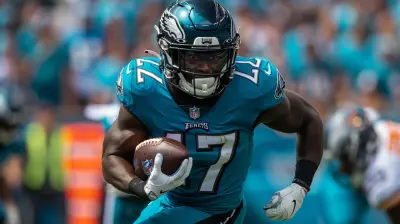
These 2027 Rookies Are Already Making Veteran-Level Plays
16 April 2026
Let’s be honest, we all love a good rookie story. The wide-eyed first-rounder fumbling through his first press conference, the late-round gem fighting for a roster spot, the inevitable "welcome to the league" moment from a grizzled veteran. We expect a learning curve. We anticipate mistakes. But what happens when that curve looks less like a hill and more like a flat, straight highway to stardom? What you’re about to witness isn’t just early promise; it’s a seismic shift in how quickly talent can adapt.
The 2027 rookie class isn’t just turning heads; they’re spinning them completely around. We’re not talking about raw athleticism shining through (though there’s plenty of that). We’re discussing nuanced, veteran-level plays being executed by kids who, just months ago, were navigating college finals and dorm life. It’s like watching a pianist perform a complex concerto after only learning scales. How is this possible? Is it better preparation? Smarter coaching? Or are we simply witnessing a new breed of footballer? Strap in, because we’re diving deep into the film, the stats, and the stories behind these phenoms who are playing chess while everyone else is still playing checkers.
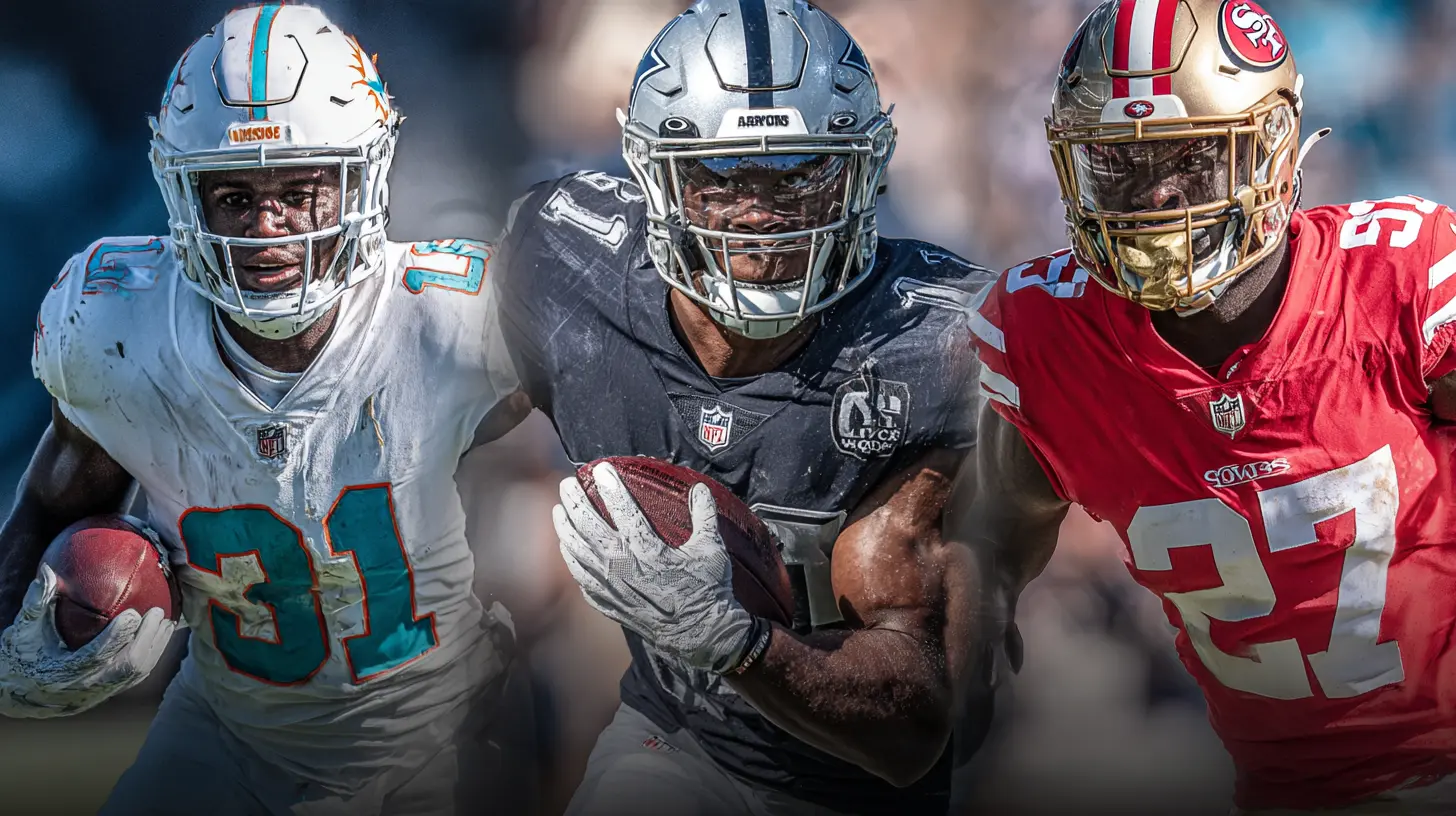
The New Blueprint: Why This Class is Different
First, we need to contextualize this. Rookies have always had flashes. But sustained, intelligent, situationally-aware play from day one? That’s historically rare. The 2027 class seems to have been built in a lab to defy this old logic.Think of the modern rookie’s journey. They’re no longer raw clay. By the time they hit an NFL facility, they’ve been through elite high school programs, sophisticated college systems that often mirror pro schemes, and personal coaching from former pros. They’ve dissected film on tablets since they were 16. The mental leap, while still massive, isn’t the canyon it once was. They arrive not just as athletes, but as students of the game with a foundational PhD in football IQ.
Furthermore, the game itself has evolved to be more friendly to young talent. Spread concepts in the NFL allow quarterbacks and receivers to operate in spaces they’ve known for years. Defensive schemes prioritize speed and instinct over complex, read-heavy assignments for certain positions. This environment acts like a greenhouse, accelerating the growth of these young saplings into sturdy trees far quicker than we ever imagined.
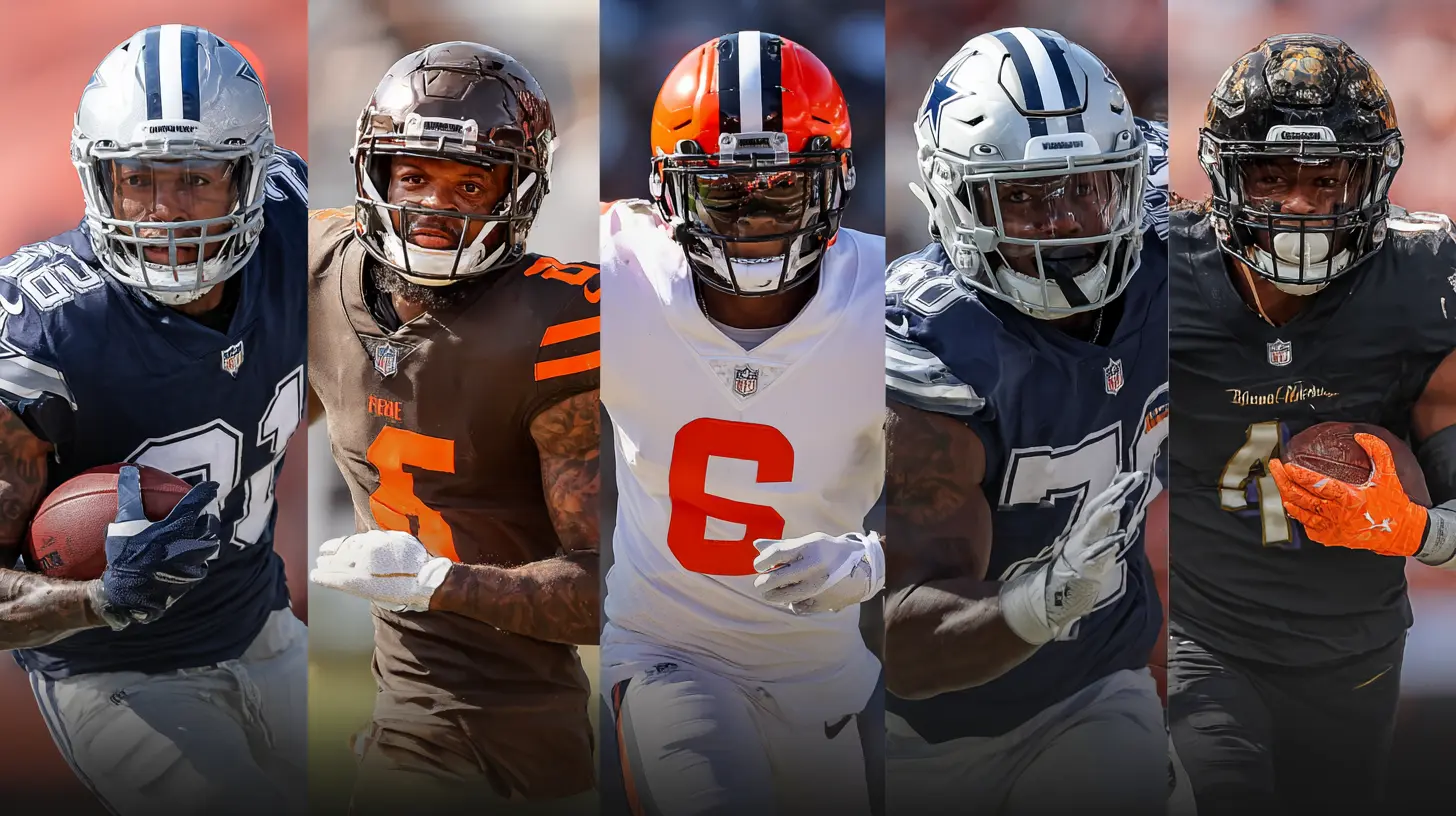
Quarterback Calm: The Signal-Callers Playing With 40-Year-Old Minds
The quarterback position is the ultimate test. It’s the brain of the operation, and typically, it takes years to develop the neural pathways needed to process NFL defenses. The 2027 QB crop is laughing in the face of that timeline.Take Marcus Thorne in Carolina. It’s not his cannon arm that’s dazzling—it’s his pocket presence. In Week 3, facing a ferocious, disguised blitz, he didn’t panic and scramble. He didn’t force a throw. He took a subtle, two-inch step up into the only clean pocket seam, kept his eyes downfield, and delivered a strike on a deep crosser for a 35-yard gain. That’s not a rookie move. That’s the kind of subtle, spatial awareness you see from a decade-long vet. It’s like he has a built-in GPS for pass-rush traffic. Analysts are calling it "precognitive pocket navigation." He just calls it "seeing the field."
Then there’s Elena Rodriguez in Seattle. Her story is already legendary, but her play is what’s truly groundbreaking. Watch her in the two-minute drill. The play clock is ticking, the crowd is deafening, and she’s at the line, pointing, shifting protections, and audibling with the calm of someone ordering a coffee. She recently checked into a screen pass that completely negated an all-out cornerback blitz, resulting in an easy touchdown. That’s not just knowing the playbook; that’s diagnosing a defense’s intent before the snap and having the audacity and authority to change everything. She’s not playing the defense in front of her; she’s playing the defensive coordinator in the booth. That’s veteran-level warfare.
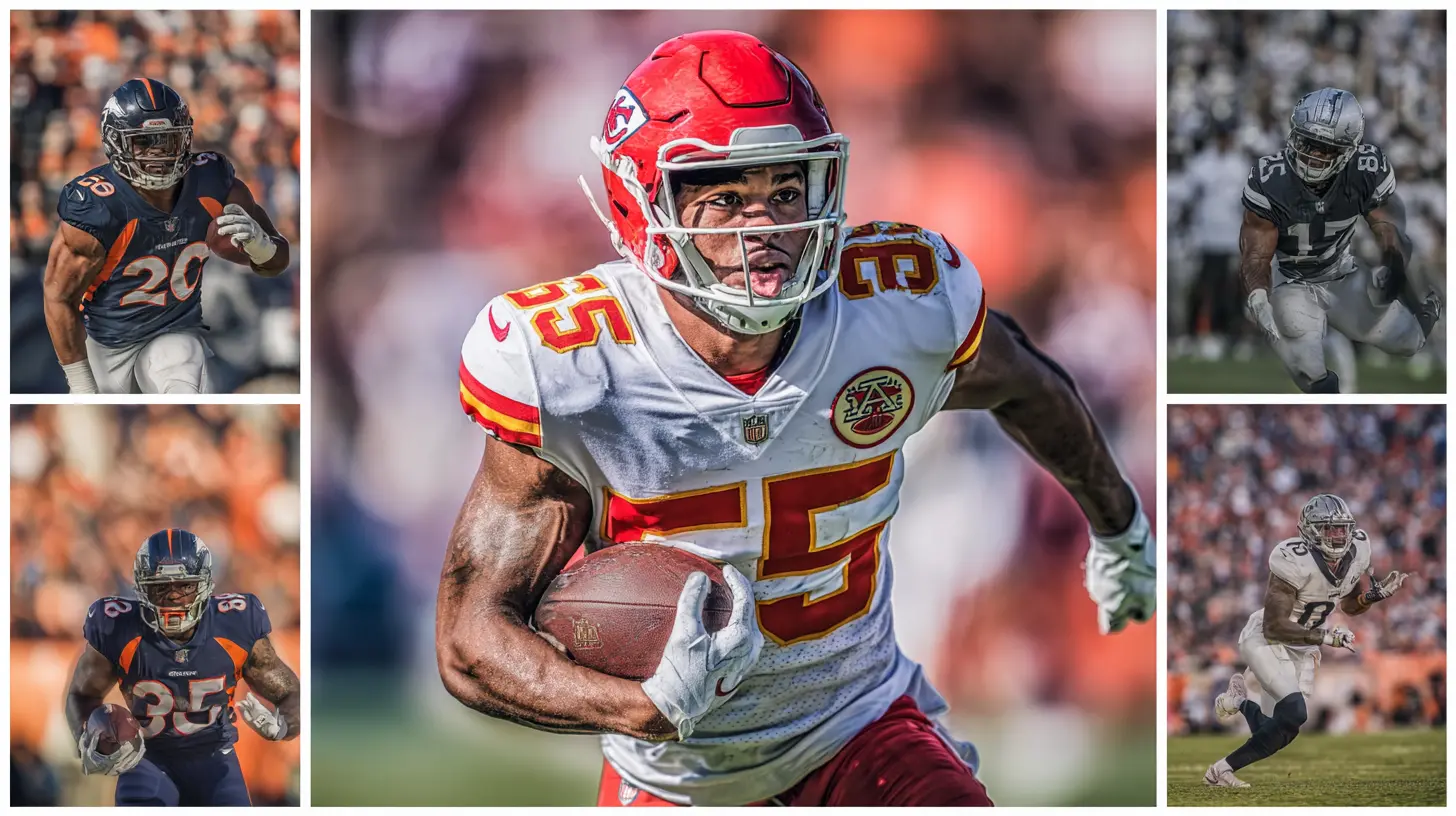
Defensive Savants: The Rookies Calling the Shots
If the QB play is impressive, what some of these defensive rookies are doing is borderline absurd. We expect linebackers and safeties to be led by veterans for a year or two. Not anymore.Linebacker Kaito "Kai" Jones, a second-round pick for Baltimore, is already wearing the green dot—meaning he’s the one with the communication helmet, relaying the play calls from the coordinator. That’s a trust typically earned in years, not weeks. But watch him pre-snap. He’s not just relaying; he’s orchestrating. He shifts the defensive line, taps a safety to slide over, and positions himself perfectly in the passing lane he knows is about to open. In a game against a veteran West Coast offense, he diagnosed a series of quick-hit plays so fast that he was essentially calling out the routes before the ball was snapped. The quarterback looked visibly flustered. It was like watching a grandmaster predict an opponent’s moves ten steps ahead.
On the edge, defensive end Silas "The Ghost" Vance (Pittsburgh) is redefining rookie pass-rush technique. It’s not just speed-to-power. He’s employing veteran-level hand-fighting combinations—swim, club, rip—with a fluidity that takes most players seasons to develop. He sets up offensive tackles like a boxer sets up a knockout. In one sequence, he used a bull rush to set up a tackle’s leverage, then the very next play, used that leverage against him with a vicious spin move inside for a sack. He’s not just rushing; he’s building a narrative over four quarters, and the tackle is the unfortunate protagonist.
The Subtle Art: Receivers and DBs Winning Before the Snap
The true mark of a veteran is winning the play before the ball is even in the air. This is where the 2027 skill-position players are truly shining.Wideout Javier Cruz (Miami) runs routes with a salesman’s deception. He’s a master of the "late hands" technique—waiting until the absolute last microsecond to reveal his intent to catch the ball, keeping the defensive back in the dark. More impressively, he’s already a savant at reading coverage leverage and adjusting his route on the fly. On a critical 3rd and 8, he saw the cornerback playing outside shade, expecting a break to the sideline. Cruz instead planted and broke sharply inside on a dig route, creating three yards of separation before the QB even finished his dropback. That’s not athleticism; that’s a PhD in defensive back psychology.
On the other side of the ball, cornerback Amir Washington (New York Jets) is playing with a patience that is utterly unnatural for a rookie. He doesn’t bite on double moves. He uses the sideline as an extra defender. He’s a master of "phase" technique—staying in the receiver’s hip pocket throughout the route without panicking and drawing flags. He recently played a go-route perfectly, tracking the receiver’s eyes without making contact, and getting his head around at the perfect moment to swat the ball away. It was clinic tape. Most rookies are taught to just run with the guy; Washington is already dictating terms.
The Infrastructure: How Teams Are Accelerating Genius
This isn’t all just natural genius. The NFL ecosystem has evolved to cultivate it. Teams are using virtual reality systems that allow rookies to take hundreds of mental reps before ever hitting the field. Sports science tailors their cognitive load, balancing physical practice with film study in optimized cycles.Coaching staffs are also less rigid. They’re incorporating the concepts these players excelled at in college into their playbooks, rather than forcing a complete system overhaul. It’s a collaborative approach—less "forget everything you know" and more "let’s build on what you do best." This psychological and tactical buy-in is paying massive dividends in confidence and on-field comprehension.
What This Means for The Future of The League
The implications are staggering. If this is the new normal, the traditional "rookie contract" value window is completely transformed. Teams hitting on a draft pick could get elite, veteran-level production for bargain-bin prices for four full years, altering franchise building strategies entirely. The concept of a "rebuild" could shorten from half a decade to just a season or two if you nail your draft.It also raises the competitive bar to insane levels. The difference between winning and losing is increasingly coming down to which team’s rookies can avoid playing like… well, rookies. The 2027 class has set a new benchmark. They’ve shown that with the right mix of talent, preparation, and coaching, the learning curve can be more of a gentle slope.
So, the next time you see a rookie make a play that makes you say, "Wow, that was a savvy move," don’t dismiss it as a fluke. You’re likely witnessing the new standard. These 2027 rookies aren’t just waiting their turn; they’re kicking down the door, flipping through the veteran playbook, and adding their own advanced chapters. The future isn’t coming; it’s lining up across from you right now, wearing a single-digit jersey number and playing with the wisdom of a seasoned pro.
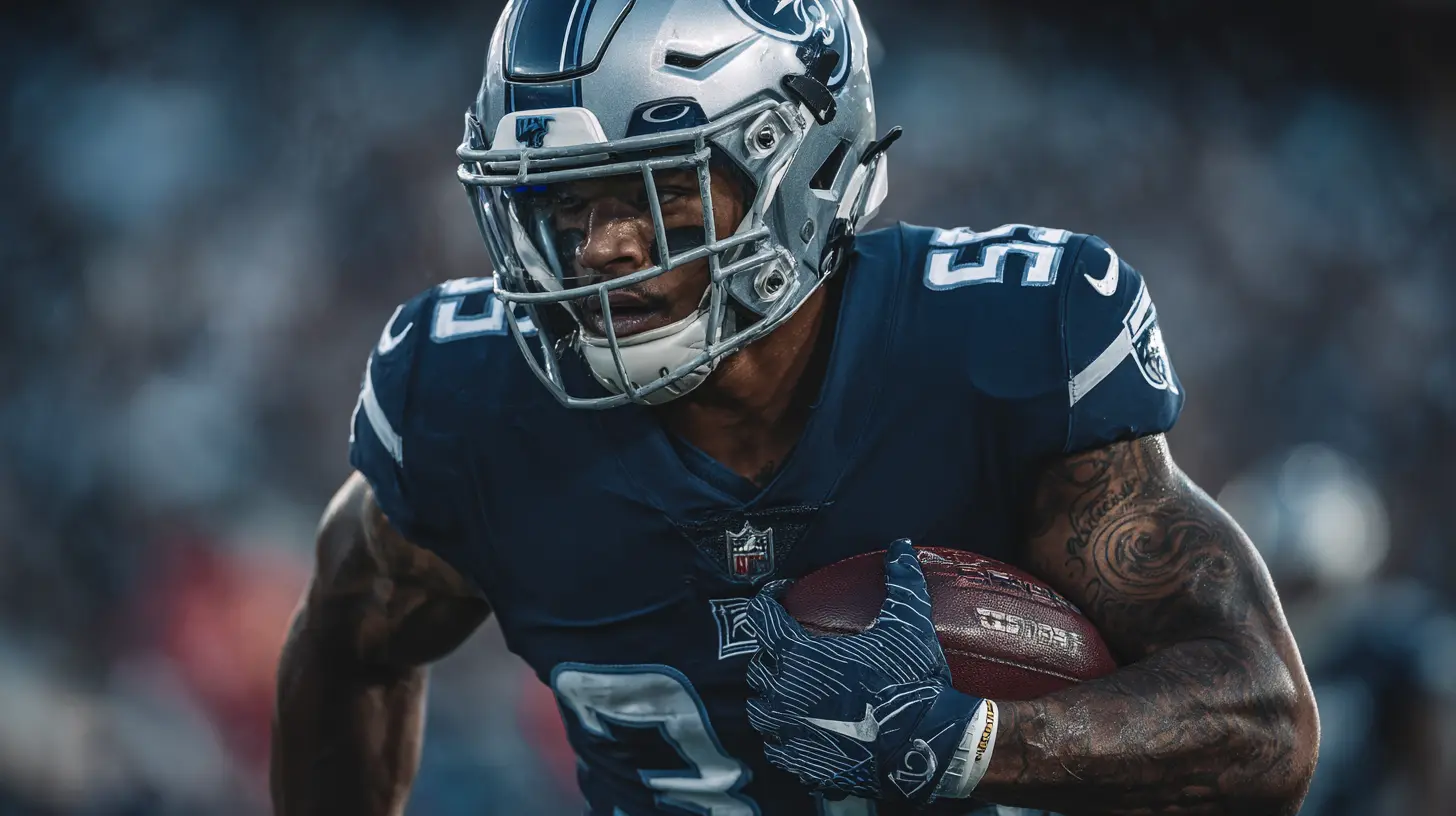
all images in this post were generated using AI tools
Category:
Rookie SpotlightsAuthor:

Uziel Franco
Discussion
rate this article
2 comments
Rhett Cantu
It's impressive to see these rookies stepping up so quickly. Their skill and confidence really shine through, and it bodes well for the future of the game.
June 22, 2026 at 4:05 AM
Juno Ward
Great article! It’s incredible to see such young talent stepping up and making an impact so early in their careers. Their skill and confidence are impressive, and it gives fans hope for the future. Excited to watch how they develop and contribute to their teams this season!
April 18, 2026 at 4:51 AM
Uziel Franco
Thanks for your thoughts! It's exciting to see this fresh talent making waves. Can't wait to see how they continue to grow this season!