Transitioning from Recreational to Competitive Sports: What Parents Need to Know
6 July 2026
Sports can be an incredible journey for kids. They start by playing for fun, making friends, and simply enjoying the game. But if your child shows talent and passion, they may want to take things up a notch—entering the world of competitive sports.
As a parent, this transition can be both exciting and nerve-wracking. You want to support your child but also ensure they don’t lose their love for the game. So, how do you strike that balance? What should you expect? In this guide, we’ll walk you through everything you need to know to help your young athlete thrive in competitive sports.
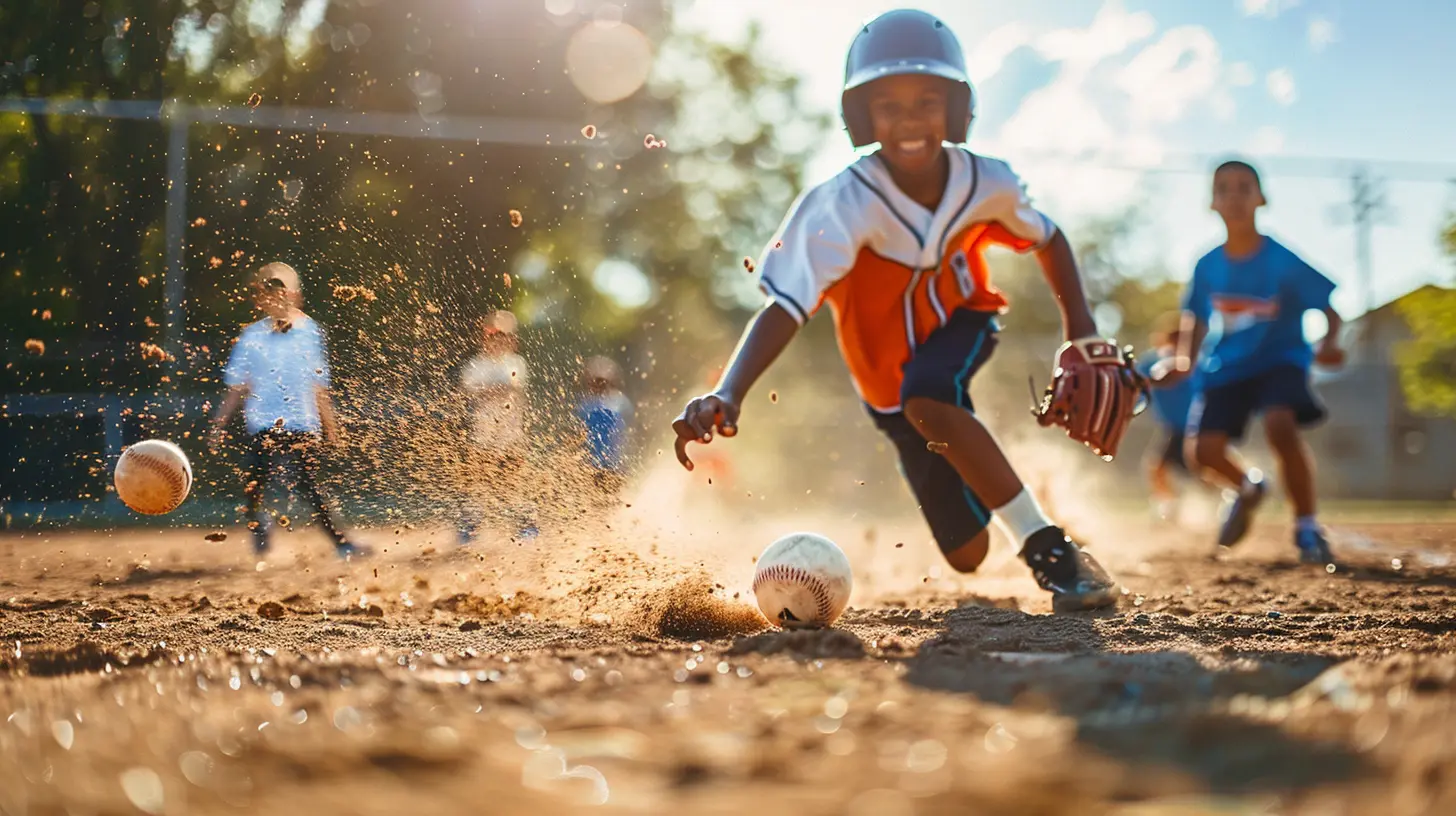
Understanding the Difference: Recreational vs. Competitive Sports
Before diving in, let’s break down the key differences between recreational and competitive sports.Recreational Sports
- Focus on fun, participation, and skill-building.- Minimal time commitment—typically a few practices and a game per week.
- Every player gets a fair amount of playtime.
- Less pressure; winning is not the primary goal.
Competitive Sports
- Higher level of training, skill development, and competition.- Requires a greater time commitment (frequent practices, tournaments, and travel).
- Performance and skill often determine playtime.
- More intense coaching, sometimes with strength and conditioning programs.
In recreational sports, the goal is to enjoy the game, while in competitive sports, the focus shifts to performance, improvement, and winning. If your child decides to go competitive, it’s essential to prepare for the increased commitment and challenges.
Signs Your Child Is Ready for Competitive Sports
Not every child is eager (or ready) for competitive sports, and that’s okay! Here are a few signs they may be ready:- They truly love the sport – They talk about it, practice on their own, and are eager to play.
- They handle pressure well – Competitive sports come with challenges. If they can face setbacks without losing motivation, that’s a great sign.
- They’re disciplined – Commitment is key. If they are willing to attend practices and put in the extra work, they’re on the right track.
- They can balance sports and other responsibilities – Schoolwork, family time, and social life shouldn’t take a major hit.
What Parents Should Expect and Prepare For
1. Increased Time Commitment
Competitive sports demand a lot of time. Think multiple practices per week, weekend games, out-of-town tournaments, and possible offseason training.Tip: Before committing, consider whether your family’s schedule can accommodate the time investment.
2. Higher Financial Costs
Let’s be real—competitive sports can be pricey. Costs may include:- Team fees
- Travel expenses
- Equipment and gear
- Private coaching or training
Tip: Plan a budget ahead of time. Some teams offer scholarships or fundraising opportunities to help with expenses.
3. More Intense Coaching and Training
Unlike recreational leagues where coaching is laid-back, competitive sports involve serious training, stricter coaching, and higher expectations. Your child will face tough practices, conditioning drills, and detailed skill development.Tip: Encourage resilience. A more intense approach can be challenging at first, but it helps build mental toughness.
4. Pressure to Perform
Performance matters in competitive sports. Coaches may give more playtime to kids who perform better, and there’s always an expectation to improve.Tip: Remind your child that effort and attitude matter more than winning. Focus on personal growth rather than just the scoreboard.
5. Emotional Ups and Downs
Success in competitive sports isn’t linear. There will be highs (big wins, improved skills) and lows (bad games, losses, or even bench time).Tip: Teach your child to handle failure with grace. Learning from mistakes is just as valuable as celebrating victories.

How to Support Your Child’s Transition
1. Keep the Fun Alive
Even in competitive sports, fun should never take a backseat. If your child enjoys the journey, they’ll stay motivated.- Encourage them to enjoy the friendships they make.
- Celebrate small victories, not just the big wins.
- Keep the pressure low at home—let coaches handle the competitive side.
2. Maintain Open Communication
Talk to your child regularly about how they feel. Are they still enjoying the sport? Do they feel overwhelmed?Tip: If they ever seem stressed, remind them that quitting or stepping back isn’t failure—mental well-being comes first.
3. Be Their Biggest Supporter, Not Their Coach
As tempting as it is to coach from the sidelines, leave that to the professionals. Your role? Be their biggest cheerleader.- Avoid criticizing their performance after games.
- Offer encouragement rather than pressure.
- Let them enjoy the sport without fearing disappointment from you.
4. Help Them Stay Balanced
Competitive sports shouldn’t take over their entire life. Make time for:- Schoolwork
- Family activities
- Other hobbies outside of sports
Tip: Burnout is real. Encourage occasional rest days to recharge both physically and mentally.
5. Teach the Value of Hard Work and Sportsmanship
Competitive sports teach valuable life lessons. Help your child understand that:- Hard work leads to improvement.
- Losing is a part of the game—and life.
- Respect for teammates, coaches, and opponents is just as important as skill.
The Role of Youth Coaches in Competitive Sports
A coach plays a huge role in shaping a young athlete’s experience. While technical skills matter, a great coach should also instill confidence and sportsmanship.What Makes a Good Coach?
- Encourages skill development while keeping a positive attitude.- Communicates effectively with both players and parents.
- Teaches discipline without being overly harsh.
- Prioritizes long-term growth rather than just immediate wins.
Tip: If your child isn’t happy with their coach, don’t ignore their concerns. Sometimes, switching teams or coaches can make a big difference.
When to Step Back or Re-Evaluate Participation
Competitive sports aren’t for everyone, and that’s fine! If your child starts to show these signs, it might be time to reassess:- They seem unhappy or exhausted.
- They constantly complain about practice or games.
- Their grades are slipping.
- They talk about quitting frequently.
Tip: It’s okay to take a break or shift back to recreational play. Sports should always be a positive experience!
Final Thoughts
Transitioning from recreational to competitive sports is a big step—for both kids and parents. While it comes with challenges, it can also be incredibly rewarding. By balancing support, encouragement, and perspective, you can help your child thrive in their athletic journey.At the end of the day, sports should be about growth, resilience, and joy—not just trophies and medals. Keep that at the heart of your child’s experience, and they’ll carry valuable lessons from sports into life.
all images in this post were generated using AI tools
Category:
Youth SportsAuthor:

Uziel Franco
Discussion
rate this article
1 comments
Allison McSweeney
Transitioning from recreational to competitive sports demands careful consideration of a child's readiness, commitment, and emotional resilience. Parents should prioritize support, open communication, and fostering a love for the game to ensure a positive experience.
July 9, 2026 at 4:57 AM
Uziel Franco
Absolutely. Supporting a child's transition to competitive sports requires attention to their readiness and passion. Open dialogue and encouragement are key to fostering a positive experience.
![Underdog No More: The Meteoric Rise of [Player Name]](/pictures/blog/small/underdog-no-more-the-meteoric-rise-of-player-name_3.webp)
![The Evolution of [Player Name]: From Raw Talent to Polished Superstar](/pictures/blog/small/the-evolution-of-player-name-from-raw-talent-to-polished-superstar_3.webp)