Understanding the Meta: Why Game Balance Is Crucial in Esports
18 May 2026
If you've ever experienced the thrill of watching a high-stakes esports match, you've probably heard commentators mention “the meta” more than once. Maybe you've even wondered, “What the heck is the meta anyway?” Or better yet, “Why does it matter so much?”
Well, you’re about to find out.
In the competitive gaming world, the meta isn’t just a fancy term—it’s the backbone of the esports scene. When it’s balanced, games are more exciting, fair, and skill-based. But when it’s not? Oh boy, chaos ensues. That’s why today, we’re diving into why game balance is such a big deal and how it affects the meta in every esport you can think of.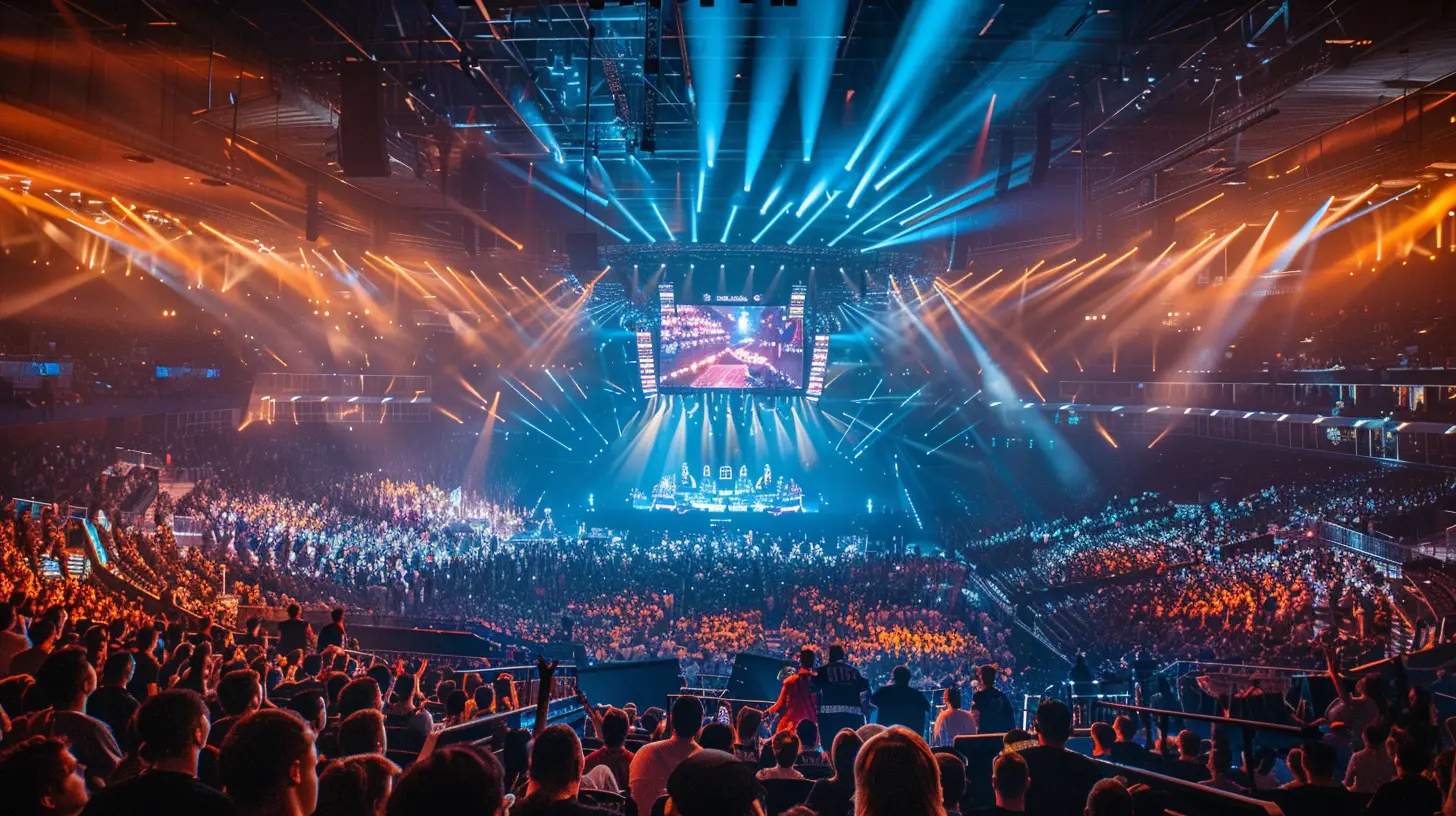
What Does "Meta" Even Mean?
Let’s break it down. "Meta" stands for "Most Effective Tactics Available."In simpler terms? It’s the strategy or playstyle that gives players the best chance of winning under the current rules and balance.
Think about a fighting game. If one character has overpowered moves and can beat everyone else with ease, guess who’s gonna be picked 90% of the time? Yep—Mr. Overpowered. That, my friend, becomes the meta. The same goes for shooters, MOBAs, strategy games—you name it.
Now picture a game where every match plays out the same way because everyone’s using the same strategy. Boring, right? That’s exactly what bad game balance leads to.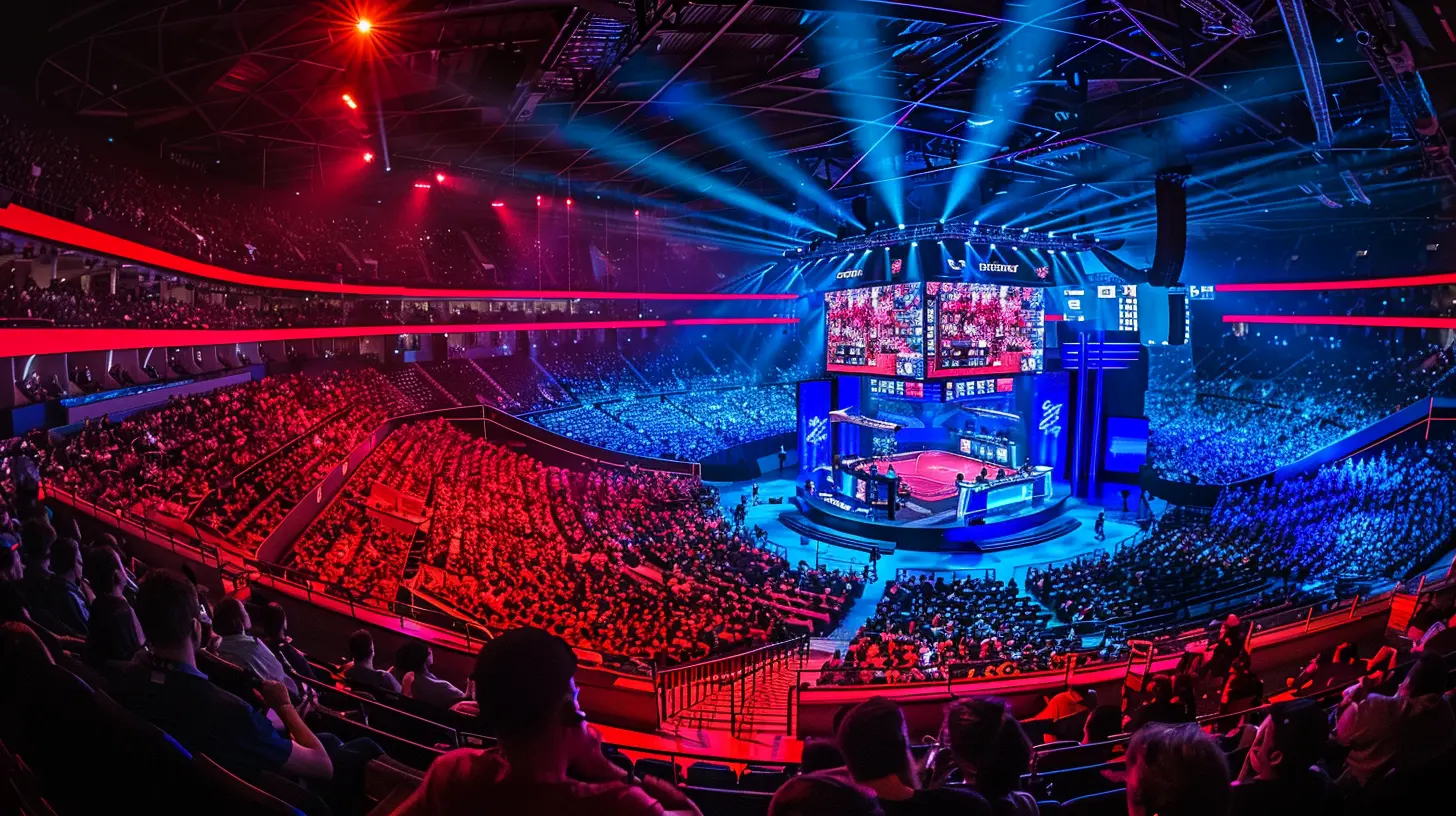
Why Game Balance Is the Glue of Competitive Integrity
Game balance is like the silent referee in every esports match. It's not flashy, but man—is it important.When a game is balanced:
- Every character or option has a fair chance.
- Players can use a variety of strategies.
- The outcome is more dependent on skill than cheesy exploits.
But when balance is thrown out the window:
- The meta becomes stale and repetitive.
- Matches become predictable.
- Casual and pro players alike get frustrated.
And here’s the kicker—imbalanced games don’t just hurt the players. They damage viewership, sponsorships, and the game’s reputation. Not cool.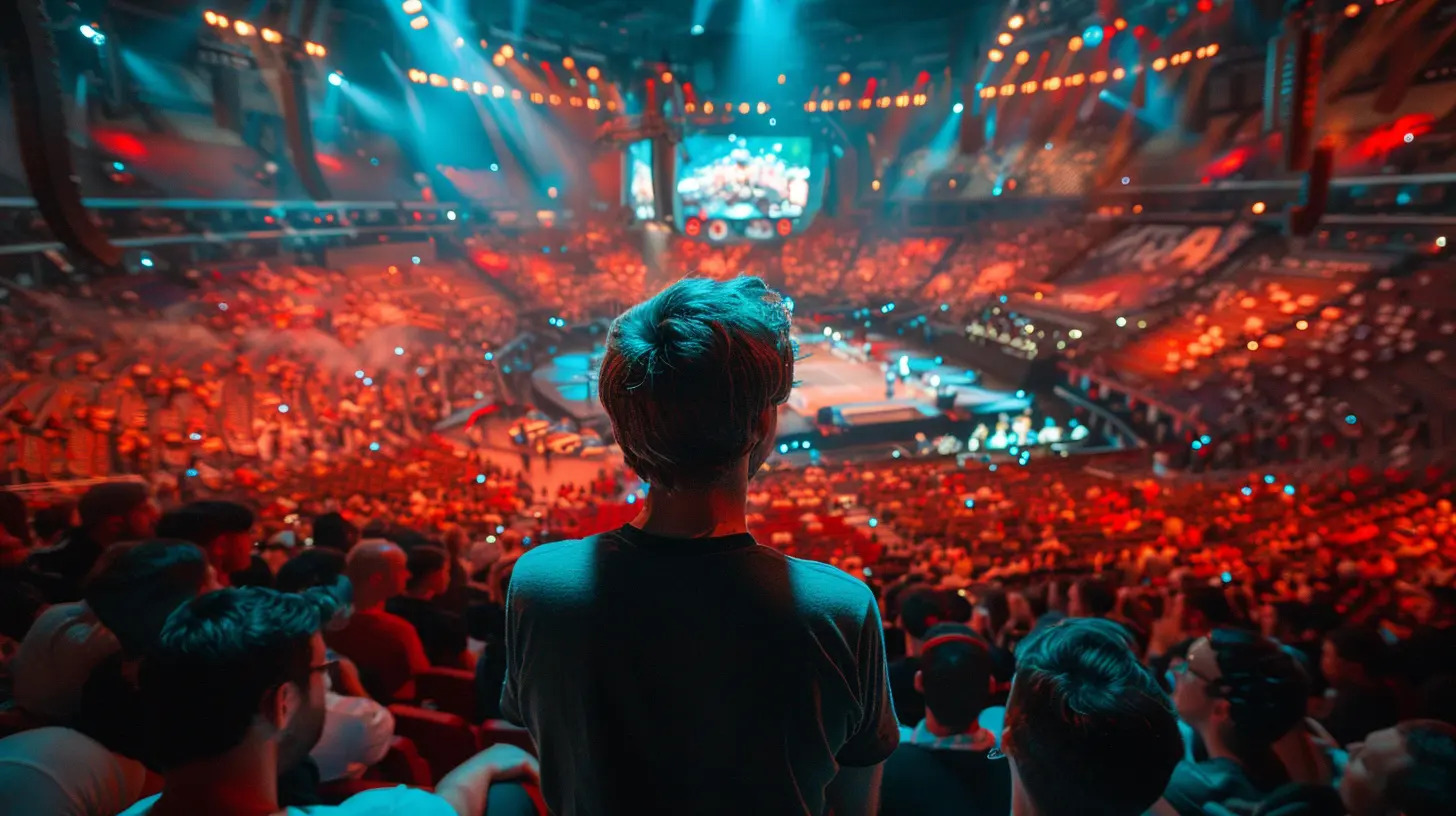
The Constant Tug-of-War: Meta vs. Balance
Here’s where it gets tricky. The meta is always evolving. Game developers tweak numbers, release patches, introduce new characters or maps. Every tiny change can shift the meta.It’s kind of like a seesaw—devs try to keep both sides (players and spectators) happy. Tip too far in one direction? Things can crumble.
Sometimes, what seems balanced on paper ends up being broken in the real world. Why? Because gamers are creative beasts. They test limits, exploit mechanics, and push every boundary. That’s how metas are born and broken.
So, developers need to be constantly on their toes. Balancing isn’t a one-time gig. It’s a living, breathing process.
How Meta Shapes Competitive Play
Let’s talk strategy. In esports, pro teams and players study the meta like it’s gospel. They analyze every patch, watch replays, and experiment with new builds or lineups.Why? Because understanding the meta gives you an edge.
Here’s how:
1. Drafting and Team Composition (Especially in MOBAs)
In games like League of Legends or Dota 2, the meta heavily influences which champions or heroes are picked or banned. A strong meta pick can literally decide a match before it even starts.2. Map Control and Positioning
In FPS games like Valorant or CS:GO, meta determines how teams control areas of the map. If a certain weapon or utility becomes too dominant (cough Operator cough), it changes how teams approach angles and pushes.3. Build Paths and Upgrades
In RTS and MMORPG-type games, the meta can define optimal build orders, skill trees, and resource management. Step outside the meta, and you risk falling behind.So yeah, following the meta isn’t just trying to be cool—it’s necessary for winning.
When Meta Goes Wrong: The Case of Overpowered Picks
Let’s face it—nobody likes a one-trick pony.Games can become utterly frustrating when one strategy or character dominates the entire competitive scene. Remember when Bastion was wrecking everyone in Overwatch early on? Or when Akali was melting faces in League of Legends?
It gets stale. Fast.
Viewers tune out. Players get burned out. And suddenly, a thriving esport starts to dwindle.
Here’s a real example—during Fortnite’s infamous “Infinity Blade” era, one in-game item threw the whole balance out the window. That single weapon turned tournaments into a mess, and players weren’t shy about voicing their rage. Epic Games had to scramble to remove the sword from competitive play.
The lesson? One broken element can break the whole game.
The Role of Developers: Balancing Isn’t Just Numbers
Balancing a game isn’t just about tweaking damage or cooldowns. It’s about understanding how all the pieces interact.Developers have to:
- Study data from ranked and pro games.
- Listen to player feedback.
- Run internal tests.
- Forecast how balance changes might impact future metas.
Oh, and they have to do all this without ruining what makes the game fun. No pressure, right?
Some devs even work closely with professional teams through test servers or community councils. That kind of collaboration is key to keeping the meta healthy and the balance on point.
Patch Notes = Game-Changers
You know what’s wild? A single patch update can flip the meta on its head.Let’s say a patch nerfs a popular hero while buffing an underused one. Boom—new strategies emerge. Teams that adapt quickly reap the rewards. Those who don’t? Left in the dust.
Patches are like seasons in a Netflix series. Some arcs are amazing (remember the Widow-Hanzo combo in Overwatch?), and some are downright painful.
Keeping up with patch notes isn’t just for nerds—it’s essential for anyone serious about competitive play.
Meta Diversity Keeps the Scene Fresh
An ideal esport meta isn’t dominated by one or two strategies. It’s diverse. It encourages creativity. It rewards innovation.Think about it—some of the most memorable esports moments came from teams shaking up the meta.
Who can forget when OG used off-meta picks to win The International in Dota 2? Or when G2 Esports ran wild, unpredictable comps in League of Legends and shocked the world?
That kind of spontaneity is what keeps fans glued to their screens and creates highlight moments that go viral.
Balancing Casual vs. Competitive Play
Now, here’s the million-dollar question: How do you balance a game for hardcore pros without alienating casual players?Truth is, it’s not easy.
What works at the top tier might not even matter to someone grinding in silver rank. But both audiences are important. Developers have to walk a fine line, often creating separate rules or features in ranked play versus tournaments.
Smart balancing means understanding the different goals of different types of players.
Esports Without Balance? It's Just Chaos
Let’s imagine an esport with zero balance updates. No patches. No communication from devs. Just a broken, one-sided meta that never changes.Sound like fun?
Didn’t think so.
Without balance, you don’t have a thriving esport. You have a game stuck in a rut. Esports relies on evolution, tension, surprise—and that all stems from a well-maintained meta.
Game balance breathes life into the competition. It keeps players coming back, fans engaged, and leagues growing.
Final Thoughts: The Meta Is Always Changing—And That’s a Good Thing
Esports is one of the fastest-evolving industries out there. At its core is the eternal dance between meta and balance. One shifts, the other adapts. It’s a cycle that keeps things interesting, challenging, and competitive.So, the next time you hear someone ask, “What’s the current meta?”, you’ll know just how deep that rabbit hole goes.
Because behind every clutch play and highlight reel, there’s a delicate balance making it all possible.
all images in this post were generated using AI tools
Category:
EsportsAuthor:

Uziel Franco
Discussion
rate this article
1 comments
Oren Hurst
Game balance is like my diet-everyone talks about it, but nobody really understands why I keep eating pizza. Maybe that's why I never win in esports either...
May 29, 2026 at 4:05 AM
Uziel Franco
Balancing games is tricky, just like dieting. Sometimes, sticking to what you love, like pizza, can hold you back. Finding the right mix is key, both in games and in life.