Understanding the ROI of Sports Sponsorship Investments
4 February 2026
Let’s be honest—sports sponsorship sounds like something only big corporations do to plaster their names on stadiums and jerseys, right? But hold up. Whether you're running a booming brand or just curious about why companies throw millions at sports teams, understanding the ROI (Return on Investment) of sports sponsorship is like finding the hidden stats behind the scoreboard.
Spoiler alert: it’s not just about logos on billboards. There’s a method to the madness—and we’re about to break it down, simplified, spiced up, and SEO-sweetened.

What Even Is Sports Sponsorship?
Alright, before we dive into the ROI part, let’s get the basics out of the way. Sports sponsorship is when a business gives money, products, or services to a sports team, league, athlete, or event in exchange for branding, exposure, and (fingers crossed) some solid business returns.It’s like giving your friend your hoodie in high school with the hope that everyone thinks it’s cool because your friend is the star quarterback. Same vibe. Just with more zeros in the budget.
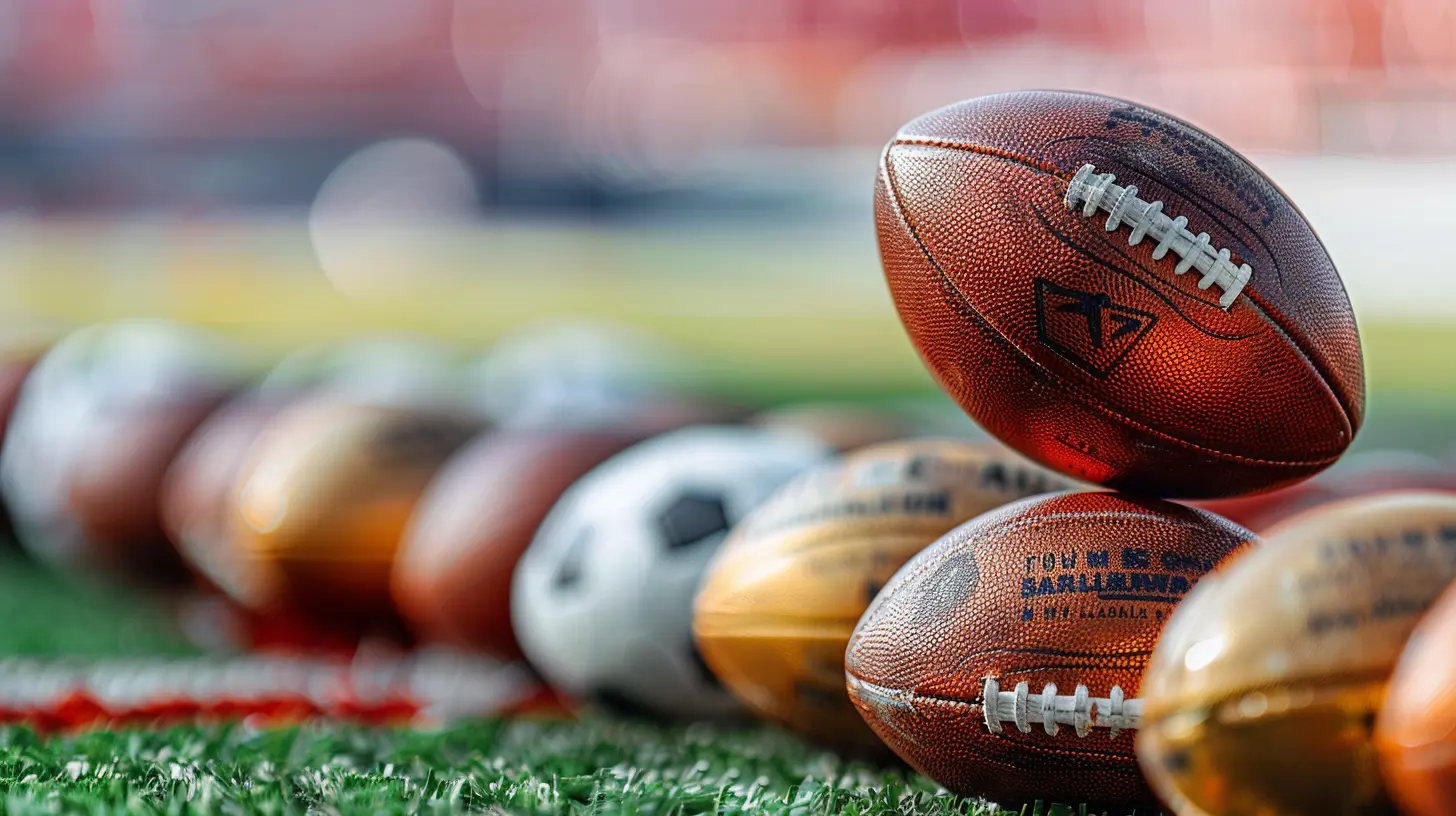
Types of Sports Sponsorships
Not all sponsorships are created equal. Some are flashy, others more behind-the-scenes. Here’s a quick play-by-play of the most common types:1. Team Sponsorships
This is the classic: Company X sponsors a football, basketball, or esports team. Think Nike and any team EVER.2. Event Sponsorships
From the Olympics to local 5Ks, events offer high visibility. Sponsors get their logos on banners, flyers, water bottles—you name it.3. Athlete Sponsorships
This one’s personal. Brands sponsor individual athletes, banking on their influence and fanbase.4. Venue Sponsorships
Ever heard of the “Emirates Stadium” or “Crypto.com Arena”? Yup, venue naming rights are a big-dollar deal.5. Broadcast Sponsorships
Those “brought to you by…” messages before a game? That’s broadcast sponsorship in action.Alright, we’ve got the lineup. But let’s tackle the real MVP of this article: the return on investment.
The ROI Game Plan
ROI, in sports sponsorship, isn’t just dollar-for-dollar return. It’s about visibility, influence, loyalty, and long-term brand building. Think of it like drafting a rookie with major potential—you might not see results today, but give it time, and boom: franchise player.Why ROI in Sports Sponsorship is Tricky
Calculating ROI in this space isn’t as straightforward as buying an ad on social media and tracking click-through rates. Sports sponsorship often mixes tangible and intangible benefits, like:- Brand exposure (but how do you quantify “buzz”?)
- Increased sales (but was it the sponsorship or the 3-for-1 sale?)
- Customer loyalty and brand perception
- Employee pride and internal culture lift (yes, that counts!)
Let’s break down how brands actually make sense of these results.

Scoreboard Metrics: Measuring Sponsorship ROI
Here’s where it gets interesting. There’s no one-size-fits-all stat cube, but we can definitely track some big ones.1. Brand Visibility & Reach
Brands love eyeballs, and sports deliver `em in bulk. Whether it’s millions watching Sunday Night Football or thousands at a local soccer match, visibility is key.Metrics to track:
- Media impressions
- Logo placements (TV, digital, physical)
- Social media mentions and reach
- Broadcast time and coverage analysis
2. Audience Engagement & Sentiment
Getting seen is great. Getting loved? Even better. Engagement shows whether fans are just glancing—or actually cheering you on.Metrics to look at:
- Social media metrics: likes, shares, comments, mentions
- Sentiment analysis tools (to see if they’re talking trash or praise)
- Hashtag performance
- Influencer or athlete engagement stats
3. Sales Impact
Ah yes, the bottom line. If your sponsorship doesn’t boost sales in some way, you’ve got a problem.What to measure:
- Sales lift during/after sponsorship activation
- Coupon code usage linked to events or athletes
- New customer acquisition stats
- Repeat purchase behavior
4. Lead Generation
In B2B sponsorships especially, big deals can take shape in corporate boxes or hospitality suites.Keep an eye on:
- Contacts made during sponsored events
- Business inquiries and direct communications
- CRM tracking linked to sponsored campaigns
5. Brand Equity & Perception
This is the squishy stuff—but also super important.Ways to measure:
- Brand awareness studies (before vs after sponsorship)
- Customer surveys
- Net Promoter Score (NPS)
- Brand recall tests
Real-Life Plays: Successful Sponsorship Case Studies
So who’s doing this right? Let’s huddle up and take a look:🏀 Red Bull & Extreme Sports
Red Bull hasn’t just sponsored events—they created their own. From the Red Bull Rampage to Flugtag, they’ve redefined what a sponsorship looks like. Why? Because they own the space they invest in.ROI Score: Massive brand alignment with energy, adrenaline, and youth culture.
⚽ Emirates & Soccer Clubs
Emirates Airlines has slapped its logo on Arsenal, Real Madrid, and PSG jerseys. That’s premium placement in front of millions globally every week.ROI Score: Global brand awareness through highly watched teams.
🏎️ Formula 1 & Rolex
Luxury + speed = perfect match. Rolex sponsors top-tier F1 events and serves as the official timekeeper.ROI Score: Elevated brand prestige and alignment with precision and elite performance.
These aren’t just logos—they’re lifestyle integrations.
How to Maximize Your Sponsorship ROI
Throwing cash at a sports property isn’t enough. You've got to activate your sponsorship like a coach working a playbook.Here are a few winning strategies:
1. Set Clear Objectives
Are you chasing brand awareness? Sales? Loyalty? Know your goal before you even sign the contract.2. Choose the Right Partner
Align with sports, teams, and athletes that share your brand values. No use sponsoring a UFC fighter if your brand is all about peace and zen, right?3. Activate Like Crazy
Don’t just get logo space—create fan experiences, social campaigns, contests, behind-the-scenes content. Make it interactive. Make it fun.4. Integrate Across Channels
Your sponsorship should live everywhere—from your website and social media to employee email footers. Ride the hype wave.5. Track, Tweak, Repeat
Use analytics tools, surveys, and reporting dashboards to measure success, adjust strategies, and keep improving.Pitfalls to Watch Out For (aka Avoid Playing Yourself)
Even seasoned brands sometimes fumble the ball. Here's what NOT to do:- Ignoring activation: Don't just pay and pray. Make your sponsorship come alive.
- Choosing the wrong team or athlete: Be sure your partner's reputation aligns with yours.
- Not tracking results: ROI doesn’t measure itself. Take the time to evaluate.
- Being too subtle: If no one knows you’re sponsoring, what's the point?
The Future of Sports Sponsorship ROI
So, where are we headed? Trends are shifting, and sponsorship is evolving into something smarter, more data-driven, and fan-first.Key future trends:
- Data-Centric Sponsorships: AI and analytics will make ROI tracking more precise.- Micro-Sponsorships: Smaller brands getting in the game via influencers and esports.
- AR/VR activations: Imagine sponsoring virtual seats or augmented fan experiences.
- Direct-to-Consumer Plays: Brands using sponsorships to build direct relationships with fans.
Sports are changing. Sponsorship is adapting. But one thing's constant: when done right, it’s a game-winning strategy.
Final Whistle: Is Sports Sponsorship Worth the Investment?
Absolutely—IF you're smart about it.Sports sponsorship isn’t just a billboard or a jersey patch. It's a relationship, a vibe, a shared fan moment. It's trust, emotion, and community—all things money usually can’t buy (unless you’re sponsoring the Super Bowl halftime show, then yeah, money buys everything).
When you back the right team or athlete, activate creatively, and actually measure what matters, the ROI of sports sponsorship can be mind-blowing. Not just in dollars—but in loyalty, love, and long-term brand legacy.
So yes, sports sponsorship is a bit like dating. It can be risky, full of drama, and a little pricey. But when it's right? It’s magic.
all images in this post were generated using AI tools
Category:
Sponsorship DealsAuthor:

Uziel Franco
Discussion
rate this article
2 comments
Evelyn Morales
Great insights! Understanding ROI helps brands make smarter sponsorship choices and boost engagement!
March 10, 2026 at 5:40 AM
Uziel Franco
Thank you! I'm glad you found the insights valuable. Understanding ROI is indeed crucial for maximizing the impact of sponsorships.
Natalie Moses
Invest smartly and cheer loud—win-win all around!
February 7, 2026 at 4:06 AM
Uziel Franco
Absolutely! Strategic investments in sports sponsorship can yield great returns while fostering community spirit. Cheers to that!