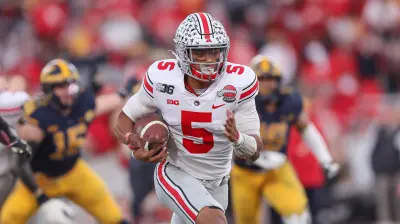
Understanding the Role of Play in Athletic Development
11 May 2026
Sports are often associated with discipline, structure, and relentless training. But what if I told you that play—yes, good old-fashioned play—is just as crucial in shaping great athletes? From backyard games to unstructured scrimmages, play lays the foundation for motor skills, creativity, and a love for movement.
In this article, we’ll take a deep dive into the importance of play in athletic development, how it fosters skill acquisition, and why even elite athletes should never outgrow spontaneous fun.
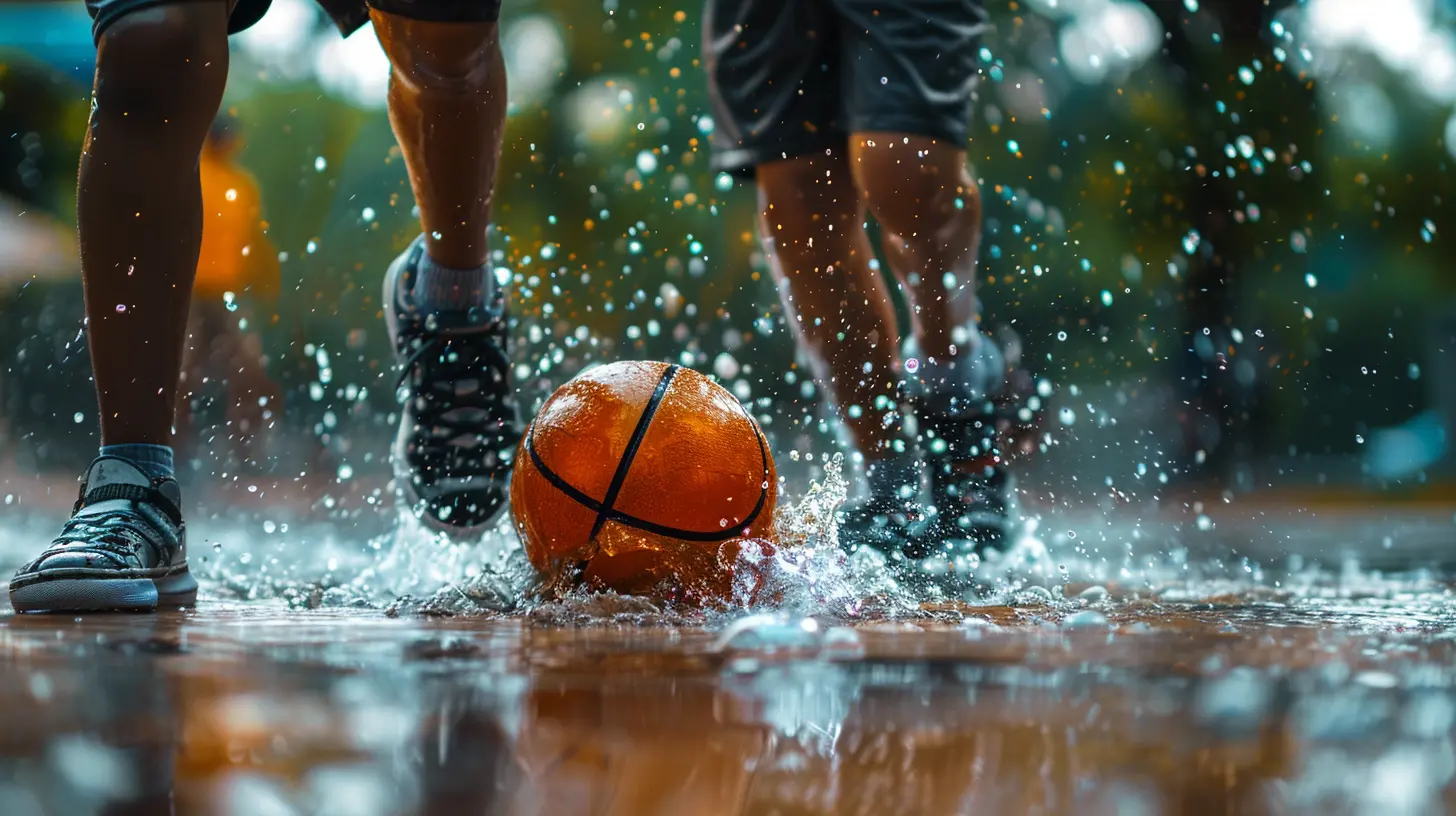
What Is Play in the Context of Sports?
Play isn’t just for kids—it's for everyone. In sports, play refers to unstructured, self-directed physical activity where fun takes priority over formal competition. Think about the times you kicked a soccer ball around just for fun or played tag with friends. That was play, and whether you realized it or not, it was helping you develop crucial athletic skills.Play in sports can be:
- Free play – Unstructured, spontaneous movement like shooting hoops alone or racing to the finish line just for fun.
- Small-sided games – Friendly, informal matches without rigid rules or adult interference.
- Creative movement – Dancing, climbing, or even parkour-style play that enhances agility and body control.

The Science Behind Play and Skill Development
Ever noticed how kids who spend hours playing outside seem to pick up new sports with ease? That’s because play naturally enhances motor skills, decision-making, and adaptability.1. Motor Skill Development
Play allows young athletes to engage in repetitive movements without pressure. Jumping, sprinting, and dodging opponents during a game of tag are all fundamental movements that translate directly to organized sports.2. Creativity and Problem-Solving
Rigid training regimens can sometimes stifle creativity. When athletes engage in free play, they learn to react instinctively, improvise, and develop new techniques without fear of failure.3. Cognitive Growth and Decision-Making
Play fosters quick thinking. Whether it’s deciding when to pass in a pickup basketball game or finding space in a game of street soccer, these split-second decisions mirror real-game scenarios.4. Emotional and Social Benefits
Beyond the physical, play teaches crucial life skills like teamwork, communication, and resilience. It also helps athletes develop a genuine love for their sport, preventing burnout in the long run.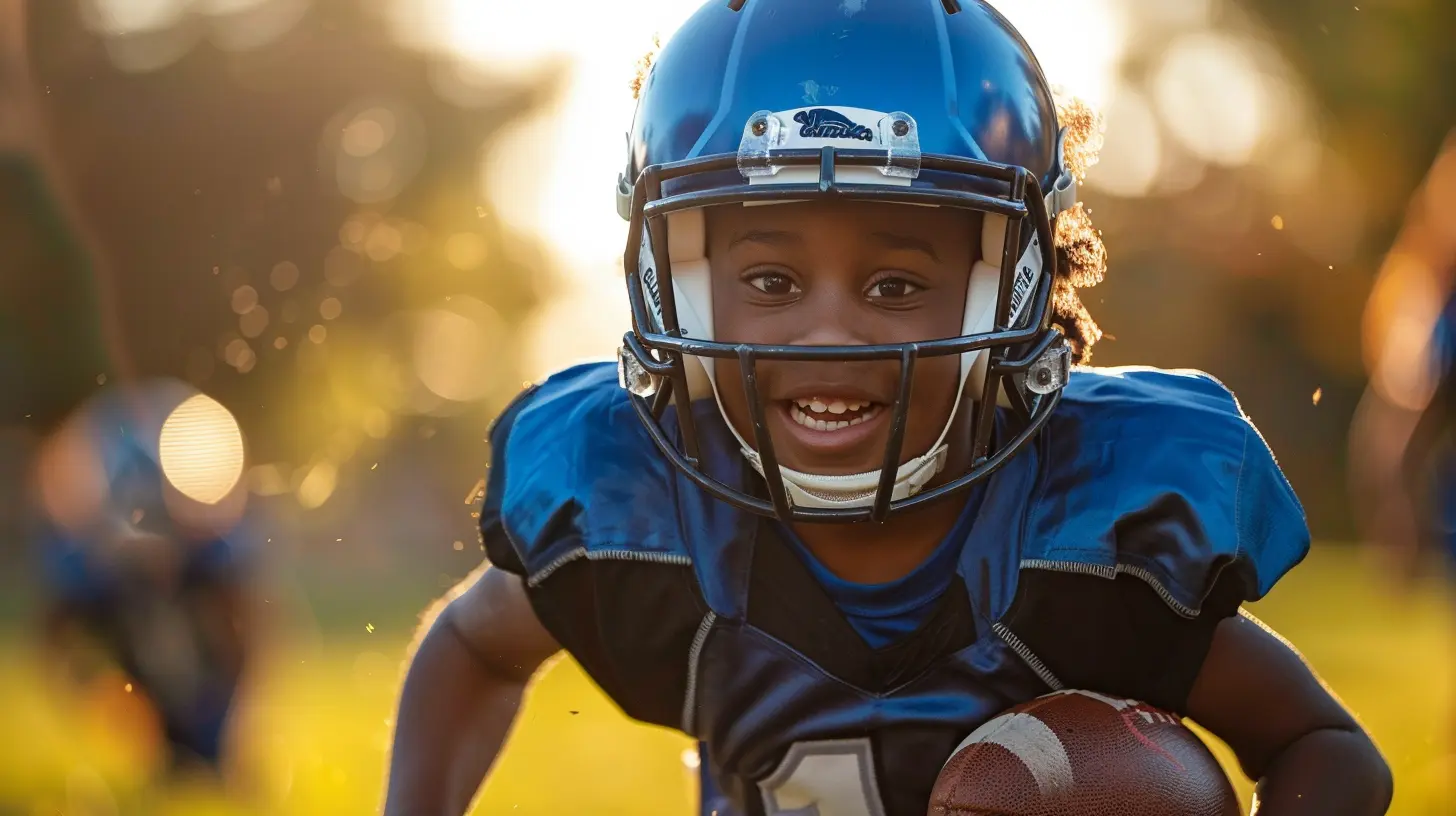
Why Structured Training Isn’t Enough
While structured training refines technique and improves performance, it often lacks the fun, exploratory nature of play. A rigid training schedule without playful engagement can lead to:- Burnout: Athletes, especially young ones, may lose interest when sports become too serious too soon.
- Overuse Injuries: Repetitive drills focus on specific muscle groups, whereas play encourages full-body movement, reducing injury risk.
- Limited Creativity: Without unstructured moments, athletes may struggle with adapting to unpredictable game situations.

How Play Helps Young Athletes Develop a Love for Sport
How many kids have quit sports because it stopped being fun? Too many. When play is absent, the joy of movement fades, and sports turn into a chore rather than a passion.Encouraging play allows young athletes to:
- Experiment with new skills without fear of failure.
- Stay engaged and look forward to practice rather than dread it.
- Build confidence through self-discovery rather than constant correction.
The Role of Play in Professional Athletes
Think professional athletes don’t play? Think again. Some of the greatest athletes in history, including Lionel Messi, Stephen Curry, and Serena Williams, grew up in environments emphasizing unstructured play.Even at the highest levels, play remains an essential part of training:
- Street Soccer and Basketball: Many elite players credit pickup games for sharpening their instincts and ball-handling skills.
- Creative Drills: Coaches often incorporate game-like scenarios that mimic play to keep athletes engaged.
- Mental Refreshment: Even in the most intense training regimes, playful activities prevent mental exhaustion and keep athletes motivated.
How to Incorporate Play Into Training
You don’t need to abandon structured training—just balance it with playful activities. Here’s how:1. Encourage Small-Sided Games
Instead of rigid drills, allow athletes to play informal matches where creativity thrives.2. Experiment with Different Sports
Cross-training through various sports reduces burnout and improves overall athletic ability. A basketball player might benefit from playing soccer to improve footwork.3. Promote Free Play Outside of Practice
Let kids organize their own games without interference. Sometimes, the best lessons are learned without a coach on the sidelines.4. Make Drills More Game-Like
Instead of repetitive exercises, turn drills into engaging challenges or friendly competitions.5. Focus on Fun, Not Just Performance
Winning is great, but developing a lifelong love for movement is even better. Keep the emphasis on enjoyment, and performance will follow.Final Thoughts
At its core, sports should be fun. While structured training is important, it should never come at the cost of play. Whether you're a coach, parent, or athlete, embracing play can lead to better performance, reduced injuries, and a long-lasting passion for the game.So the next time you're tempted to overcomplicate things, remember: sometimes, the best way to get better is just to play.
all images in this post were generated using AI tools
Category:
Youth SportsAuthor:

Uziel Franco
Discussion
rate this article
1 comments
Lanae Rosales
Great article! Play is such an essential part of athletic growth. It not only builds skills but also keeps the love for the game alive. Can't wait to see more insights!
May 11, 2026 at 4:22 AM
Uziel Franco
Thank you! I'm glad you enjoyed it. Play really does make a huge difference in both skill development and passion for the game. More insights are on the way!