What It Means to Be a Hall of Famer: Lessons from the Greats
27 December 2025
When we hear the phrase "Hall of Famer," it's easy to picture legendary athletes at the pinnacle of their careers, basking in the glory of their achievements. But what does it really mean to be a Hall of Famer? Is it just about the numbers on a stat sheet, or is there something deeper? If you’ve ever wondered what separates the legends from the rest, you’re in the right place.
This article dives into the essence of what it means to be a Hall of Famer, looking beyond just the accolades and records. We’ll explore the qualities, lessons, and characteristics that define the greats of the sports world and what we can all learn from them, even if our playing field is a little less... well, legendary.
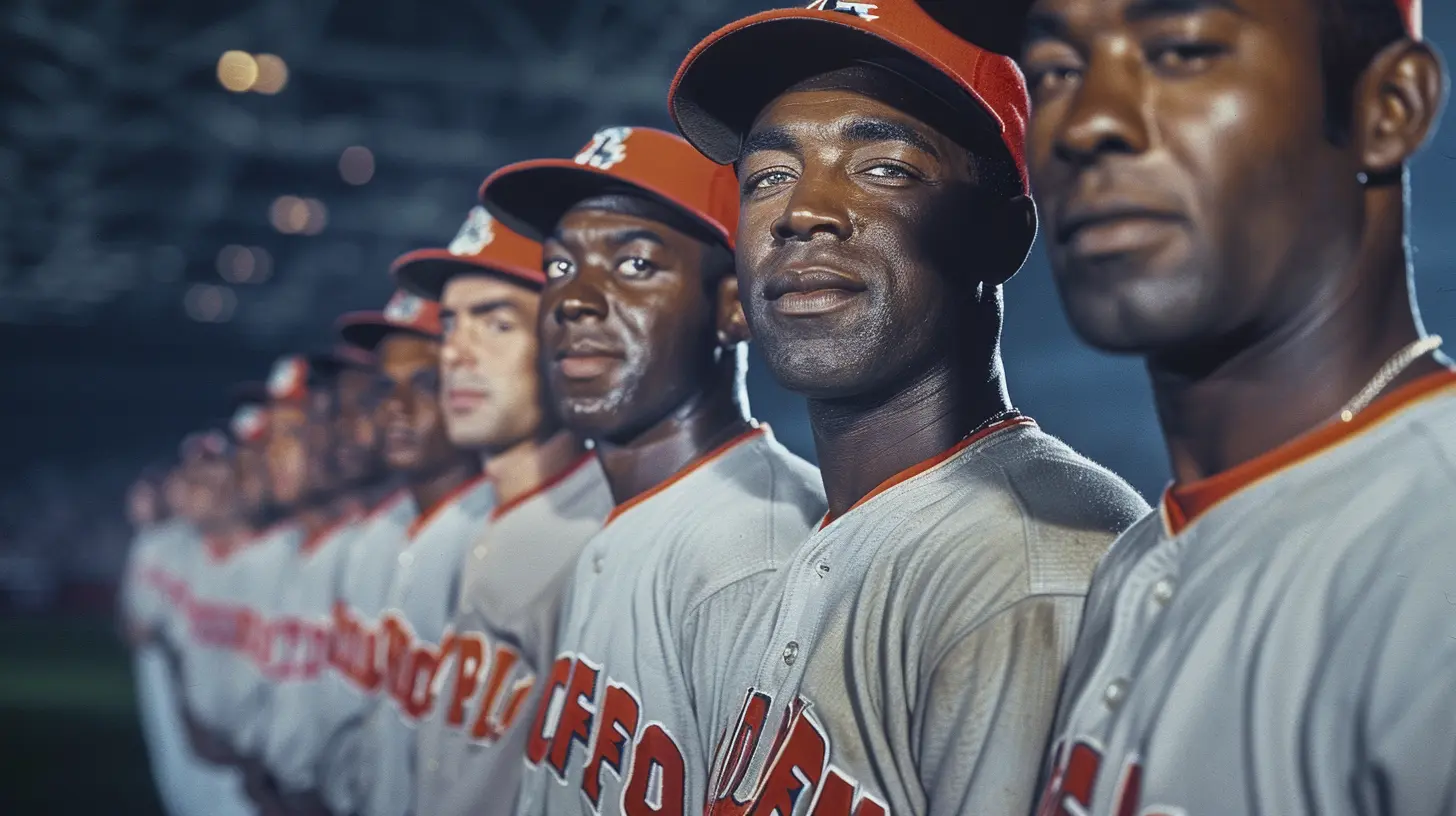
The Hall of Fame: More Than Just a Title
First things first—being inducted into the Hall of Fame isn't just about being good at your sport. Sure, you need the wins, the MVPs, the championships, but the Hall of Fame represents more than just statistics and trophies. It symbolizes excellence, consistency, and impact.It’s about leaving a legacy that transcends the game. Whether it's basketball, football, baseball, or any other sport, being a Hall of Famer comes with responsibilities that go beyond the field, court, or rink.
The Legacy Factor
Think about it like this: when you’re inducted into the Hall of Fame, it’s as if your name is etched in time. You become a part of the sport’s history forever, and that’s not something that happens by accident. A Hall of Famer doesn’t just play the game—they change the game.Take Michael Jordan, for example. His impact on basketball wasn't just about the six championships or the numerous scoring titles. It wasn’t even about the iconic “Jumpman” logo. It was about the way he changed how we viewed the game of basketball, how he inspired a generation of players to strive for greatness, and how he turned hard work into an art form.

Lessons from the Greats: What Sets Hall of Famers Apart
1. Unwavering Commitment
One thing that every Hall of Famer has in common is their commitment. These athletes aren’t just talented—they’re obsessed with their craft. They’re the ones who show up early for practice, stay late, and put in the work when no one is watching.Take Kobe Bryant’s "Mamba Mentality" as an example. Kobe was known for his relentless work ethic. He wasn’t just playing basketball for the love of the game; he was playing to be the best. He’d train for hours, even on off-days, pushing himself to the limit. It’s that kind of dedication that sets Hall of Famers apart.
Key Takeaway: Unwavering commitment isn’t just about showing up—it’s about pushing yourself beyond what’s comfortable. It’s about sacrifice, resilience, and an unyielding desire to be the best at what you do.
2. The Ability to Adapt
Hall of Famers aren’t just great because of their physical abilities. They’re great because they can adapt. Whether it’s adjusting to a new coach, playing through injuries, or evolving their game as they age, these athletes know how to pivot when necessary.Tom Brady, for instance, didn’t have the most impressive start to his NFL career. Drafted late, no one expected him to become one of the greatest quarterbacks of all time. But Brady adapted—he learned, evolved, and used his football IQ to stay at the top of the game well into his 40s. That adaptability is what has kept him playing at an elite level for so long.
Key Takeaway: Life throws curveballs, but the ability to adapt can turn obstacles into opportunities. Whether it’s in sports or life, those who can evolve will always have an edge.
3. Mental Toughness
Being a Hall of Famer isn’t just about physical prowess; it’s about mental toughness. These athletes know how to stay focused under pressure, how to bounce back after a tough loss, and how to keep their eyes on the prize no matter what.Muhammad Ali is a perfect example of this. His resilience wasn’t just in his punches—it was in his mind. He faced numerous challenges, both in and out of the ring, but his mental toughness is part of what made him “The Greatest.” Ali’s ability to stay focused, even when the odds were stacked against him, is what helped him achieve legendary status.
Key Takeaway: Mental toughness isn’t just about enduring hardship—it’s about thriving in the face of adversity. It’s about keeping your composure and never losing sight of your goals, no matter how difficult the journey becomes.
4. Consistency Over Time
One-hit wonders don’t make it into the Hall of Fame. To be a Hall of Famer, you need to show consistency over a long period of time. It’s not enough to have one great season—you need to be great year after year.Take Derek Jeter, for instance. He wasn’t just a flash in the pan. For 20 seasons, Jeter showcased excellence, leadership, and consistency for the New York Yankees. He didn’t have the flashiest stats every year, but his consistency and leadership were second to none. It’s that longevity that earns a spot in the Hall of Fame.
Key Takeaway: Consistency isn’t about being perfect all the time—it’s about showing up and giving your best, day in and day out. Over time, that consistency builds a legacy.
5. Leadership and Teamwork
It’s easy to think of Hall of Famers as individual stars, but many of them are also exceptional leaders. They know how to bring out the best in their teammates and elevate the entire team’s performance. A Hall of Famer isn’t just focused on their own success; they understand the importance of teamwork.Let’s look at Magic Johnson. Sure, he had incredible individual stats, but he was known for making everyone around him better. Johnson was a master at distributing the basketball, setting up plays, and being the glue that held his team together. His leadership and teamwork were key factors in the Lakers’ success during the 1980s.
Key Takeaway: Greatness isn’t achieved alone. The ability to lead and work well with others is a hallmark of any Hall of Famer. True leaders know how to elevate the people around them.

The Intangibles: What Can’t Be Measured
While stats are important, there are some things that just can’t be measured by numbers. Call it heart, call it passion, or call it the "it factor"—Hall of Famers have it. These intangibles are what make them not just athletes, but icons.Passion for the Game
If you’ve ever watched Serena Williams play tennis, you know exactly what I mean. Her passion is palpable. Whether she’s winning or losing, she’s all in. That passion is infectious, and it’s a key ingredient in what makes a Hall of Famer. They don’t just play the game; they live it.Influence Off the Field
Hall of Famers also make an impact off the field. They use their platform to inspire, motivate, and create change. Jackie Robinson, for example, didn’t just break the color barrier in Major League Baseball—he became a symbol of hope and resilience for millions of people around the world. His legacy extends far beyond the baseball diamond.Humility and Gratitude
Even though Hall of Famers are at the top of their game, many of them remain humble and grateful for the opportunities they’ve been given. They understand that they didn’t get to the top on their own. They had coaches, teammates, family, and friends who supported them along the way. That humility is often what makes them so relatable and respected by fans and peers alike.
What We Can Learn from Hall of Famers
You don’t have to be an elite athlete to learn from the greats. The qualities that make Hall of Famers successful on the field can also help you succeed in your own life. Whether it’s in your career, relationships, or personal goals, there are key lessons to take away:- Commitment: Show up and give your best, even when it’s hard.
- Adaptability: Be willing to change and grow when life throws challenges your way.
- Mental Toughness: Stay focused and resilient, even in the face of adversity.
- Consistency: Success isn’t about one big moment—it’s about showing up, day in and day out.
- Leadership: Elevate those around you, and success will follow.
At the end of the day, being a Hall of Famer is about more than just winning games or breaking records. It’s about leaving a lasting legacy, inspiring others, and striving for greatness in everything you do.
Conclusion
Becoming a Hall of Famer isn’t easy—it takes years of hard work, dedication, and sacrifice. But the lessons we can learn from these legendary athletes apply to all of us, no matter what our passions may be. Whether you're chasing your own version of a championship or simply trying to be the best version of yourself, the values that define Hall of Famers—commitment, adaptability, mental toughness, consistency, and leadership—are universal.So, the next time you watch a Hall of Famer in action, remember: it's not just about the highlights or the records. It's about the journey, the struggles, and the lessons learned along the way.
all images in this post were generated using AI tools
Category:
Hall Of FameAuthor:

Uziel Franco
Discussion
rate this article
2 comments
Harlow Jimenez
Being a Hall of Famer means you’ve mastered the art of dodging bad calls and perfecting your acceptance speech—bonus points if you thank your mom first!
February 6, 2026 at 3:47 AM
Uziel Franco
Absolutely! It's all about resilience and gratitude—key traits of true champions.
Quincy Johnson
Being a Hall of Famer isn't just about accolades—it's about perseverance, passion, and the relentless pursuit of greatness. The lessons from these legends remind us that hard work, humility, and heart define true success. Let's strive to embody these qualities in our own journeys!
December 28, 2025 at 1:49 PM
Uziel Franco
Absolutely! The essence of a Hall of Famer lies in their unwavering dedication and the values they exemplify, inspiring us all to pursue our own greatness with grit and humility.