What It Takes to Be a Pro: The Road to Esports Stardom
6 December 2025
Let’s be real for a second—every gamer at some point dreams of going pro. Whether it's while crushing noobs in ranked or pulling off that perfect clutch, the thought inevitably creeps in: “What if I could do this for a living?”
Welcome to the brutally exciting world of esports, where only the sharpest minds, fastest reflexes, and hardest grinders make it to the top. It’s not just about talent. It’s about the grind, the mindset, and a little sprinkling of luck.
So, what does it really take to become a professional esports player?
Let’s break it down.
The Myth vs. The Reality
A lot of people think pro gamers just sit around playing games all day and collecting checks. Sounds like a dream, right? But here's the thing—being a pro in esports is less like a lazy Sunday gaming session and more like training for the Olympics.You’re not just playing. You're practicing, strategizing, reviewing gameplay, working with coaches, staying physically and mentally fit, and constantly adjusting. It’s a job—and a tough one at that.
Compare it to becoming a pro athlete. Do footballers just kick a ball around for fun and then magically end up in the Premier League? Nope. Same goes for esports.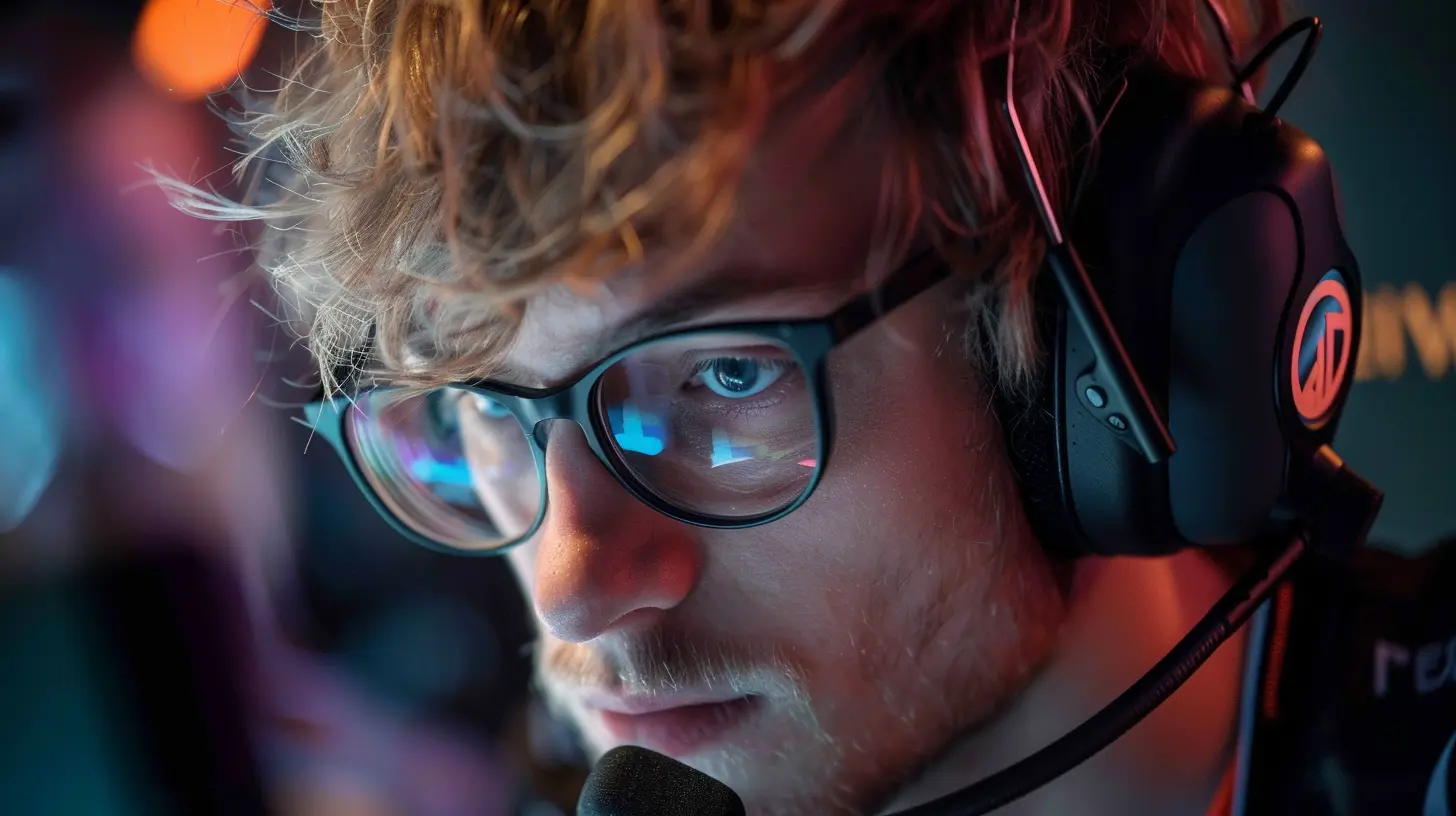
Step 1: Choose Your Game Wisely
Before you even think about going pro, you’ve got to settle on your main game. And we’re not talking about casually bouncing between titles.Want to go pro? You’ve got to pick a game and commit.
Whether it’s League of Legends, Valorant, Dota 2, CS:GO, Fortnite, or Rocket League, the game you choose becomes your battleground. You’ll need to master every mechanic, every map, every meta shift.
Ask yourself:
- Do I love this game enough to play it for hours every day?
- Can I see myself grinding through the ups and downs of meta changes, patches, and updates?
Find your game, and treat it like your sport.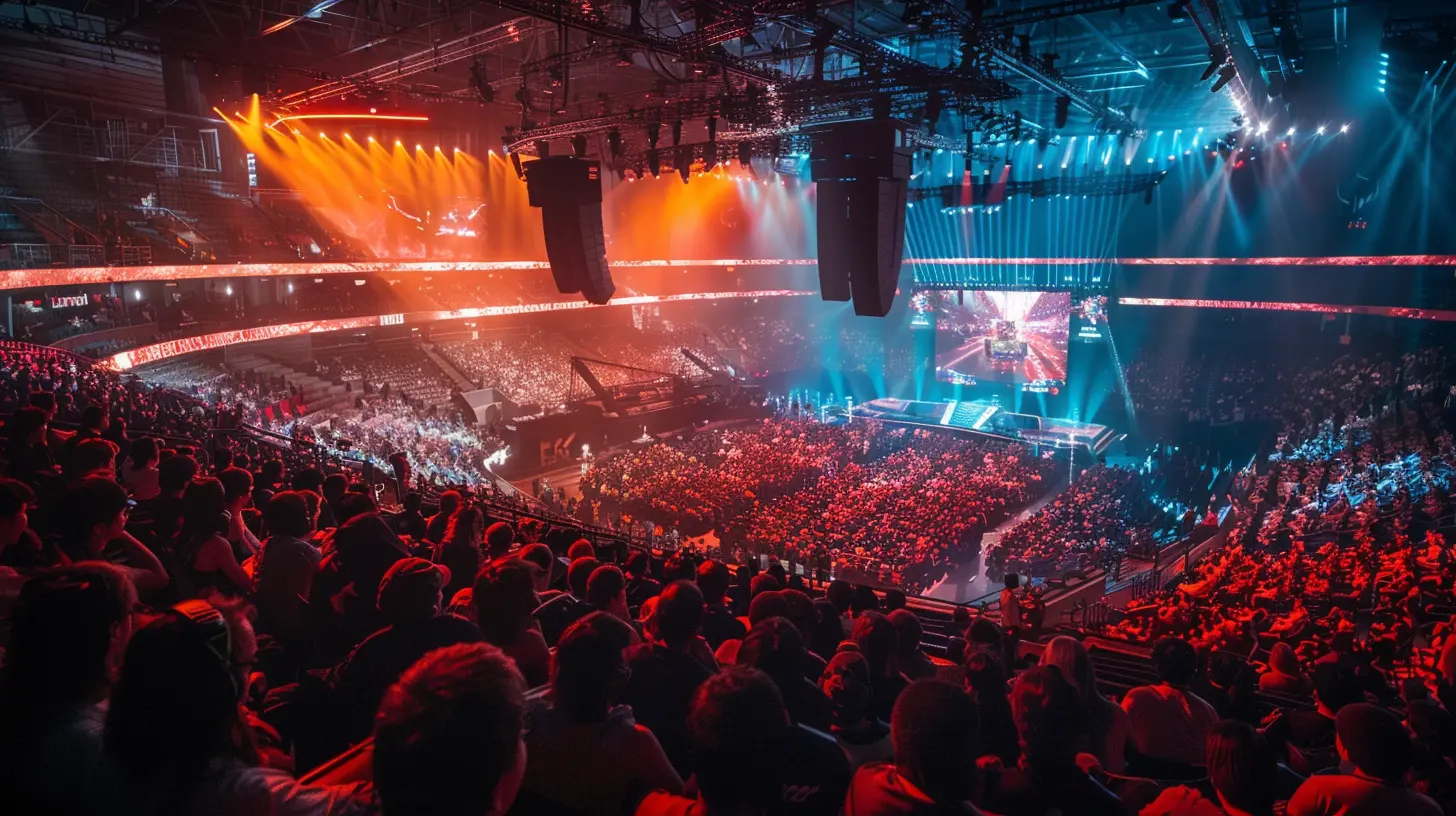
Step 2: Get Obsessed with Improvement
Being good isn't enough. You have to be insanely dedicated to getting better.Know this: Even the top-tier players review their replays, tweak their settings, and study opponents. Why? Because they understand that talent can only carry you so far. Hard work, consistency, and analysis do the heavy lifting.
Here's what you need to start doing:
- Record your gameplay.
- Watch it back critically.
- Identify mistakes and weak spots.
- Take notes.
- Improve.
Use tools like Aim Labs (for FPS games) or Champion.gg (for LoL players) to stay ahead of the curve.
Got a favorite pro player? Study their playstyle. Mimic their decisions. Learn their strategies. The best players are often the best students of the game.
Step 3: Climb the Ranks Like Your Life Depends on It
If you're not ranked high in your game’s competitive ladder, you're not even on the map. Simple as that.Think of ranked ladders as your resume. You're not going to get noticed if you're chilling in Silver while dreaming of competing in world championships.
Set goals for yourself:
- Climb to the top 1% in the ranked ladder.
- Join leaderboards.
- Consistently maintain high ranks.
This is your proof that you're ready to compete.
Step 4: Build a Presence
We’re in the age of content, baby. And if you're not streaming, posting clips, or building a name, you’re missing out on massive opportunities.A strong online presence can open doors to tryouts, sponsorships, and team invites. Think of it as marketing yourself.
Start with these basics:
- Stream your ranked grind on Twitch or YouTube.
- Post highlights on Twitter or TikTok.
- Share your thoughts or gameplay breakdowns on Reddit or Discord.
Bonus: Fans and followers can turn your stream into a side income, helping you financially support your esports journey.
Step 5: Join Amateur Tournaments
Once you've put in the hours, climbed the ranks, and made a bit of noise online, the next logical step is competition.Local or online amateur tournaments are where up-and-comers cut their teeth. Platforms like FACEIT, Battlefy, and ESL host a ton of community-driven tournaments you can enter.
Why they matter:
- You gain competitive experience.
- You feel the pressure of a real match.
- You learn team dynamics.
- You get scouted.
Many big-time pros were spotted while dominating amateur circuits. You never know who’s watching.
Step 6: Get on a Team
Esports is rarely a solo game. While some players go far on their own, most thrive in structured teams with coaches, analysts, and support staff.Start small:
- Join semi-pro or amateur teams.
- Play in team tournaments.
- Learn to communicate, shot call, and gel with squadmates.
You don’t need to be in an org like T1 or Fnatic right away. Every big name started somewhere, often grinding in Tier 2 or Tier 3 leagues before making the jump to the big leagues.
Step 7: Treat Your Body and Mind Like a Weapon
Here’s the part most aspiring pros don’t think about. Gaming is mentally and physically demanding.You sit for long hours. You make split-second decisions. You face high pressure. If your body or brain lags even a little, it shows—on the scoreboard.
Start doing this now:
- Exercise regularly; it improves reflexes and focus.
- Get quality sleep; it keeps your mind sharp.
- Eat clean; your diet affects your performance.
- Meditate or journal; mental clarity is game-changing.
You wouldn’t drive a race car on an empty tank, right? Your body is your race car.
Step 8: Network Like a Beast
Talent will get you in the door, but connections open more of them.Rub shoulders with other players, streamers, coaches, and team managers. Be active in Discord servers. DM people respectfully. Join scrims. Attend esports events if you can.
The more people know you, the more likely you’ll hear about tryouts, get referrals, or be considered for lineup changes.
Pro tip: Don’t be toxic. No one wants to team with someone who flames their squad. Be cool.
Step 9: Take Coaching Seriously
Want to shave months—or years—off your learning curve? Hire a coach or get mentoring.A coach can:
- Identify habits you're blind to.
- Help you understand macro-level strategy.
- Organize your practice more efficiently.
- Motivate you through plateaus.
Most pros have coaches, and it’s not because they’re bad—it’s because they want to be better.
Step 10: Stay Hungry, Stay Humble
Esports changes fast. Meta shifts. New talents emerge. Teams fold. Managers move on.To survive—and thrive—you need adaptability, humility, and hunger.
You might make it, only to crash out a few months later. That’s the game. So keep grinding, keep learning, and never forget why you started: because you love it.
Common Obstacles on the Road to Esports Stardom
Let’s face facts. Going pro isn’t all rainbows and headshots. You’ll hit roadblocks. Here are a few to expect—and how to deal:Burnout
Spending 10+ hours a day in grind mode can take its toll. Always prioritize balance and recovery.Toxicity and Negativity
Online games can be brutal. You’ll meet trolls. Shrug it off. Mute, move on, and keep the focus.Financial Struggles
Training like a pro doesn’t always pay like a pro. Consider part-time work, streaming for income, or sponsorships.Parental or Social Pressure
Not everyone understands esports yet. If your family or friends question your path, show them your commitment. Respect earns support.Final Thoughts
The road to becoming a pro esports player is long, winding, and full of drop-offs. But that’s what makes it worth it. If it were easy, everyone would do it.If you’re willing to grind, listen, learn, adapt, and stay passionate—you’ve already got half the battle won. The rest? It's just putting the work in.
So go ahead. Fire up the game. Record the next session. And start building your legacy. Stardom may be closer than you think.
all images in this post were generated using AI tools
Category:
EsportsAuthor:

Uziel Franco
Discussion
rate this article
2 comments
Wendy Taylor
Talent and perseverance define esports success.
December 28, 2025 at 1:49 PM
Uziel Franco
Absolutely! Talent and perseverance are crucial in shaping a player's journey to esports stardom, as they drive skill development and resilience in the competitive landscape.
Freya Wagner
Achieving esports stardom demands relentless dedication, strategic skill development, and the ability to adapt under pressure.
December 6, 2025 at 8:12 PM
Uziel Franco
Absolutely! The journey to esports stardom requires unwavering commitment, continuous skill enhancement, and resilience in high-pressure situations.