Why All-Star Games Are a Crucial Part of the Sports Calendar
12 March 2026
Let’s get one thing straight: all-star games are not just fluff on the sports calendar. They’re the glittering crown jewels in an otherwise grind-heavy season. You might think they’re just flashy exhibitions with no real stakes—but think again. All-star games aren’t just important—they’re essential. They’re the spice in the sports gumbo, the halftime show in a never-ending match, the ultimate pause-and-party moment for fans and players alike.
So, buckle up, sports junkie. Whether you’re a die-hard fan, an armchair analyst, or someone who just tunes in for the dunk contest—this is why you should care. Because all-star games? Oh honey, they matter more than you think.
1. The Perfect Break in the Storm
Let’s not sugarcoat it—the regular season is a marathon. It’s long. It’s brutal. It’s emotionally exhausting for everyone involved. Players are pushing their bodies to the limit, fans are on an emotional rollercoaster, and coaches are probably losing sleep and hair.Enter the all-star game: a much-needed pause button for the chaos. Athletes take a well-earned breather, but instead of riding the bench, they get to show off in style. Think of it as a beach vacation with a red carpet rolled out. It gives players a little shine in the spotlight while bringing a fun, relaxed vibe to the middle of a high-stakes saga.
And for fans? It’s like a holiday special in your favorite TV series—a feel-good, high-energy break from the norm.
2. A Showcase of Star Power 🎤💥
Let’s be real—sports are entertainment. And nothing screams “showbiz” louder than an all-star extravaganza. You’ve got all the biggest names on one stage—LeBron, Mahomes, Ohtani, or whoever’s crushing the game this season.When else do you get to see the crème de la crème—from different teams—teaming up for one giant highlight reel? It’s essentially a sports version of The Avengers assembling, and fans eat it up like nachos at a ballpark.
The best part? It’s not just about skill. It’s about charisma, swagger, and personality. The all-stars get to ditch their serious game faces and just have fun—joking around, showing off, and doing things you rarely see during a high-pressure regular-season match.
3. Fan Engagement Goes Through the Roof 📈
Let’s talk about you—the fan. All-star games aren’t just played for players—they’re made for YOU. This is your moment to have a say, especially in sports where the fans vote on who makes the roster. You’re not a bystander anymore—you’re part of the action.All-star events crank fan involvement up to eleven. From social media campaigns to fantasy drafts to interactive voting—fans feel seen. Not to mention the meet-and-greets, the fan festivals, the merch drops—oh, the glorious merch. It’s a marketing goldmine and a feel-good celebration rolled into one.
And guess what? Younger audiences, who may not be glued to every stat or standings update, LOVE this stuff. It’s fun, flashy, and full of social media moments. It helps bring that next generation of fans into the fold. So yes, the all-star game is the life of the party—and everyone’s invited.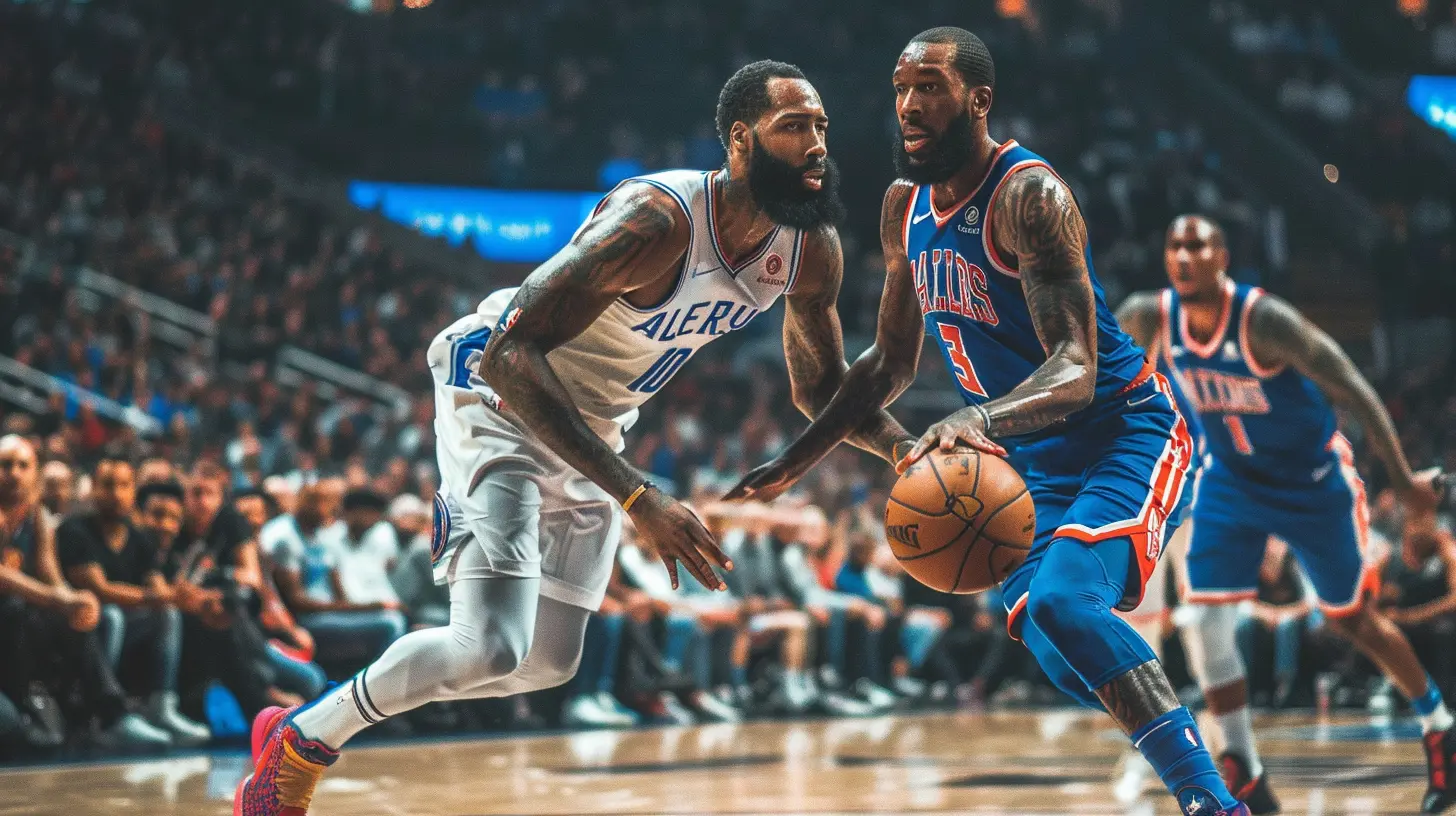
4. The Highlight Factory: Unmatched Entertainment Value
Say it with me: highlights, baby! All-star games are a buffet of unforgettable moments. Alley-oops from half-court? Check. No-look touchdowns? You got it. Walk-off homers that feel like they were hit for the ‘Gram? Absolutely.This is where the magic happens. The rules are looser, the defenses a little softer, and the creativity? Off the charts.
Sure, some purists might scoff and say, “But it’s not real competition!” And okay, maybe it’s not playoff-intensity stuff—but that’s the point. Not every game has to be a bare-knuckle brawl. Sometimes, you just want the fireworks, and all-star games deliver them in style.
5. Celebrating the Best of the Best
Being named an all-star isn’t just a pat on the back—it’s a career milestone. It’s recognition. Whether it’s a rookie making waves or a veteran living up to their legacy, that all-star nod means something.It’s bragging rights for life. Players put it in their bios, on their resumes, and let’s be honest—they probably dream about it as kids. Being an all-star is a status symbol. It’s validation of blood, sweat, and years of hustle.
For the sport itself, it’s a way to showcase its top-tier talent. You can’t overstate how important that visibility is, especially in global markets. One viral dunk or ridiculous pass during an all-star game can spark fandom in a kid halfway across the world.
6. Innovations and Experimentation Galore
Guess where the leagues test out wild ideas before unleashing them on the regular season? That’s right—during all-star games.From rule changes (hello, Elam Ending in the NBA) to technological upgrades and broadcast tricks—you’ll often see the future of the sport in action. It’s like a sports lab in real time.
And let’s not forget those mini-events—the three-point contest, the NHL skills challenge, slam dunk battles, home run derbies—they’ve become must-watch content all on their own.
These side events are playgrounds for creativity. Even players not participating in the main event tune in, and fans get treated to jaw-dropping, meme-worthy moments.
7. Boosting Local Economies (Yes, Really!)
Think hosting an all-star game is just about sports? Please. Cities fight tooth and nail for the honor, and for good reason—it’s a moneymaker.Hotels, restaurants, bars, ride shares, ticket sales, you name it—everything gets a turbocharged boost. Local economies rake in the dollars. It’s like the Super Bowl’s little sibling that still packs a punch.
And since the spotlight’s firmly on the host city, there's a ton of positive PR and tourism promo that lasts long after the final buzzer.
8. Players Bonding Across the Lines
All-star weekend is often the only time rival players hang out—I mean really hang out. Locker room banter, mixed-team practices, sideline mic-ups—these moments humanize the players and deepen our connection to them.Let’s face it: we love drama, and these interactions sometimes spark juicy headlines, future alliances, or trade rumors. But more importantly, they foster respect. Camaraderie across team lines strengthens the league culture and shows that yes, competition runs deep—but so does community.
9. A Breather for Strategists and Storylines
Coaches and analysts? They need this break too. The all-star game serves as a pivot point in the season. It gives teams the chance to recalibrate strategies, rest key players, or reshuffle lineups.It’s also a goldmine for storytelling. Writers, podcasters, and talking heads get fresh material delivered on a silver platter. “Did you see who shared the court together?” “Was that a secret recruiting moment?” “Is that player turning into a fan favorite?”—you get the idea.
It’s the breeding ground of narratives that shape the rest of the season and keep fans on the edge of their seats.
10. Because Sports Should Be FUN, Dammit
Can we all just take a moment to breathe and admit that sometimes, we take sports too seriously? Between betting odds, fantasy leagues, stats, and armchair coaching—things can get intense.All-star games are a reminder that sports, at their core, are supposed to be joyful. Silly moments. Unexpected laughs. Players being fans of each other. It’s feel-good content, and in today’s world—that’s priceless.
Whether you love the dance-offs, the mic’d up banter, or the over-the-top entrances—you can't deny it's refreshing to see athletes let their hair down and just vibe.
Final Thoughts: Don’t Sleep on the All-Star Game, Y’all
So, are all-star games crucial? You bet your highlight reel they are.They’re more than just eye candy. They’re a vital part of the sports ecosystem—a blend of competition, celebration, culture, and commerce. They recharge players, engage fans, test innovations, boost cities, and spread the love for the game on a global scale.
So the next time someone scoffs at the idea of caring about an all-star game, hit ’em with the facts—and maybe a GIF of that one time a player dunked over a car, because why not?
Now go enjoy the show. You’ve earned it.
all images in this post were generated using AI tools
Category:
All Star GamesAuthor:

Uziel Franco
Discussion
rate this article
2 comments
Eleanor Barker
All-Star Games serve as a celebration of talent and fan engagement, fostering community and excitement in sports. They provide a unique platform for showcasing elite athletes.
April 4, 2026 at 2:19 AM
Uziel Franco
Absolutely, All-Star Games highlight the best in sports and bring fans together, making them a key part of the calendar.
Jemima McKnight
All-Star Games: where talent meets pure fun!
March 16, 2026 at 4:23 AM
Uziel Franco
Absolutely! All-Star Games showcase the excitement of the sport while highlighting the players' skills in a fun setting.