Why Cross-Training Is Important for Young Athletes
14 June 2026
When it comes to young athletes, there's often a temptation to specialize early in one sport. Parents and coaches may think that focusing all efforts on a single skill set will help kids become elite players faster. After all, practice makes perfect, right? Well, not exactly.
Enter cross-training, the secret ingredient that many successful athletes swear by. It’s not just for pros—it’s a game-changer for young athletes too. But why is it so important? Let’s break it down. 
What Is Cross-Training?
Cross-training is the practice of engaging in multiple sports or different types of physical activities instead of focusing solely on one. Think of it this way: a young soccer player taking swimming lessons, a basketball player trying gymnastics, or a baseball player incorporating yoga into their routine.Instead of overworking the same muscles and movements, cross-training introduces variety, helping athletes build well-rounded strength, agility, and endurance. 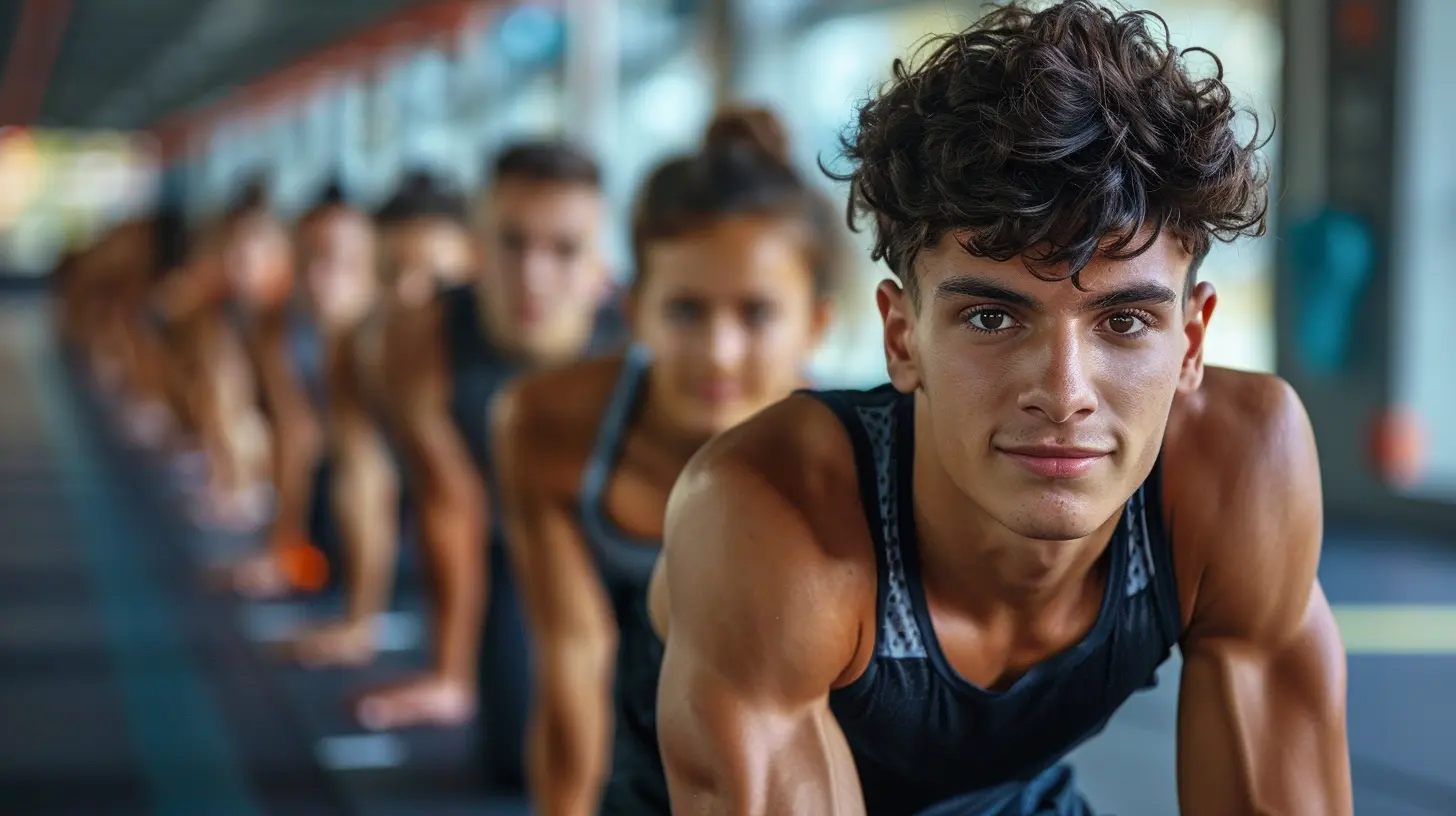
1. Reduces the Risk of Injuries
One of the biggest risks of early specialization in sports is overuse injuries. When kids repeat the same movements over and over—whether it’s pitching in baseball, sprinting in soccer, or jumping in basketball—their muscles, joints, and bones experience excessive stress.Cross-training helps prevent this by reducing repetitive strain. By mixing up activities, young athletes develop balanced muscle groups and improve flexibility, decreasing the chances of injury.
Think of it like this: If you only use one path in a forest every day, it eventually wears out and breaks down. But if you walk on different paths, all of them stay intact. The same goes for young athletes' bodies! 
2. Enhances Overall Athleticism
A well-rounded athlete is a better athlete. Strength, flexibility, endurance, coordination—these are all essential components of athletic success. Cross-training targets different muscle groups and movement patterns, shaping athletes to be more adaptable and versatile.For example:
- A swimmer who takes up running will develop better cardiovascular endurance.
- A football player who practices yoga gains flexibility and balance, reducing stiffness.
- A baseball player who plays basketball improves hand-eye coordination and foot speed.
These transferable skills make athletes more competitive and capable in their primary sport. 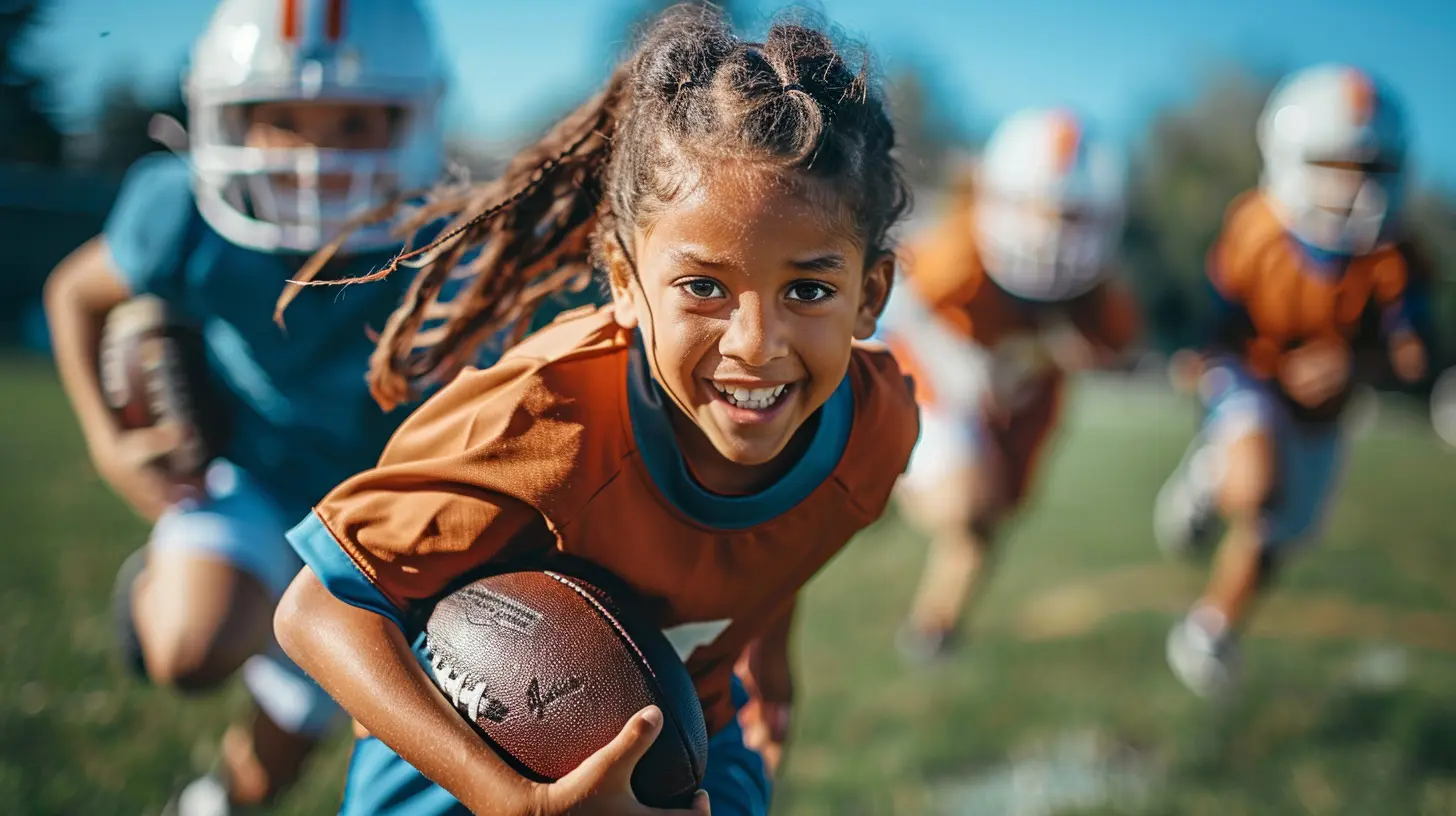
3. Prevents Burnout and Keeps It Fun
Young athletes can face burnout if they focus too much on one sport too early. The repetitive nature of training, combined with pressure to excel, can take a toll on motivation and mental well-being.Cross-training adds variety, making workouts more enjoyable and refreshing. It keeps the excitement alive by giving kids new challenges and skills to master. Instead of feeling like a routine, training feels like an adventure.
If practice starts to feel like a chore, kids are more likely to quit altogether. Cross-training helps keep the joy in sports!
4. Strengthens Mental Toughness
Different sports demand different types of mental resilience. A gymnast needs intense focus and balance, a soccer player needs quick decision-making, and a sprinter needs explosive confidence.By participating in multiple activities, young athletes train their mental flexibility. They learn how to adapt, overcome different challenges, and stay calm under pressure.
For instance, a tennis player who also runs cross-country might learn how to push through fatigue, while a football player who wrestles gains better discipline and strategic thinking.
Mental toughness isn’t just about physical endurance; it’s about attitude, confidence, and emotional control—all of which are developed through cross-training.
5. Encourages Long-Term Success
Studies show that many of the world’s top athletes played multiple sports growing up. Take legends like Michael Jordan, Bo Jackson, and Abby Wambach—they all dabbled in different sports before focusing on their main one.Why does this matter? Because cross-training builds a better foundation for future excellence. Kids who specialize too soon might hit a plateau or even lose interest before they reach their full potential.
Developing a broad skill set early on allows young athletes to discover where their real strengths and passions lie. Maybe the aspiring basketball player realizes they love track and field more, or a young swimmer finds joy in soccer.
It’s all about keeping doors open instead of locking into a single path too early.
6. Teaches Adaptability and Creativity
Great athletes aren’t just technically skilled; they’re also adaptable and creative. Cross-training fosters problem-solving abilities and enhances an athlete’s ability to think on their feet.A basketball player who’s trained in soccer might use footwork skills to maneuver around an opponent. A baseball player who’s done gymnastics could have better body control while making a diving catch.
By exposing kids to different sports, they learn to use their bodies in innovative ways—which can be the difference between good and great performance.
7. Builds a Love for Lifelong Fitness
Sports aren’t just for competition—they’re for life. If kids only play one sport and eventually burn out or quit, they might lose interest in staying active altogether.Cross-training introduces different ways to enjoy movement, increasing the chances that a young athlete will continue living a healthy, active lifestyle even after their competitive days are over.
Maybe a former high school basketball player finds a passion for cycling, or a retired swimmer enjoys weightlifting. Whatever the case, exposing kids to multiple activities encourages a well-rounded love for fitness.
How to Incorporate Cross-Training for Young Athletes
Now that we know the benefits, how do we actually put cross-training into practice? Here are a few easy ways to integrate it into a young athlete’s routine:- Mix in different sports – Let them try a variety of activities instead of locking into just one.
- Incorporate strength and flexibility training – Activities like yoga, Pilates, and resistance training help develop overall fitness.
- Schedule rest and recovery days – Don’t overdo it! Ensure there’s time for the body to recover.
- Encourage outdoor play – Free play activities like climbing, swimming, and biking contribute to cross-training without structured training sessions.
- Make it fun! – The key to long-term success is enjoyment. If kids love what they’re doing, they’ll keep growing as athletes.
Conclusion
Cross-training isn't just a buzzword—it's a game-changing approach for young athletes. It prevents injuries, boosts overall athleticism, keeps training fun, improves mental toughness, and sets them up for long-term success.So, instead of pushing for early specialization, consider the bigger picture. A young athlete who explores different sports and activities will develop into a stronger, smarter, and more resilient competitor. And most importantly—they’ll have a blast doing it!
all images in this post were generated using AI tools
Category:
Youth SportsAuthor:

Uziel Franco
Discussion
rate this article
1 comments
Damon Wilcox
Cross-training isn't just a workout; it's the secret weapon for young athletes. It builds strength, prevents injuries, and keeps things fresh. Why stick to one sport when a mix can unlock a whole new level of performance? Keep them versatile.
June 18, 2026 at 2:37 AM
Uziel Franco
I completely agree. Cross-training offers young athletes a chance to grow in strength and skills while reducing injury risk. Embracing different sports really can elevate their game. Versatility is key!

![The Game-Changer: How [Player Name] is Revolutionizing Their Position](/pictures/blog/small/the-game-changer-how-player-name-is-revolutionizing-their-position_3.webp)