Why the 2026 Rookie Class Could Be the Most Influential in a Decade
25 April 2026
You know that feeling when you’re watching a draft, and you just know something big is about to happen? It’s like standing at the edge of a cliff before a storm rolls in—the air gets thick, the buzz is electric, and you can’t help but wonder: Is this the class that changes everything? For the 2026 rookie class, that feeling isn’t just hype; it’s a genuine shift in the tectonic plates of sports. Whether you’re a die-hard NFL fan, an NBA junkie, or a baseball purist, this incoming group of athletes is shaping up to be the most influential we’ve seen in a decade. And I’m not just talking about talent—I’m talking about impact that ripples through culture, strategy, and the very fabric of how we watch sports.
Let’s be real: every year, we hear about “generational talent.” But 2026 feels different. Why? Because this class isn’t just a collection of freaky athletes; it’s a convergence of perfect storms—rule changes, shifting league philosophies, and a generation of players who grew up in the social media era, where every highlight is a viral moment. Think of it like this: if the 2016 rookie class was a solid foundation, the 2026 class is the skyscraper that redefines the skyline. So grab your coffee, settle in, and let’s break down why this group could be the most influential in a decade—and why you should care.
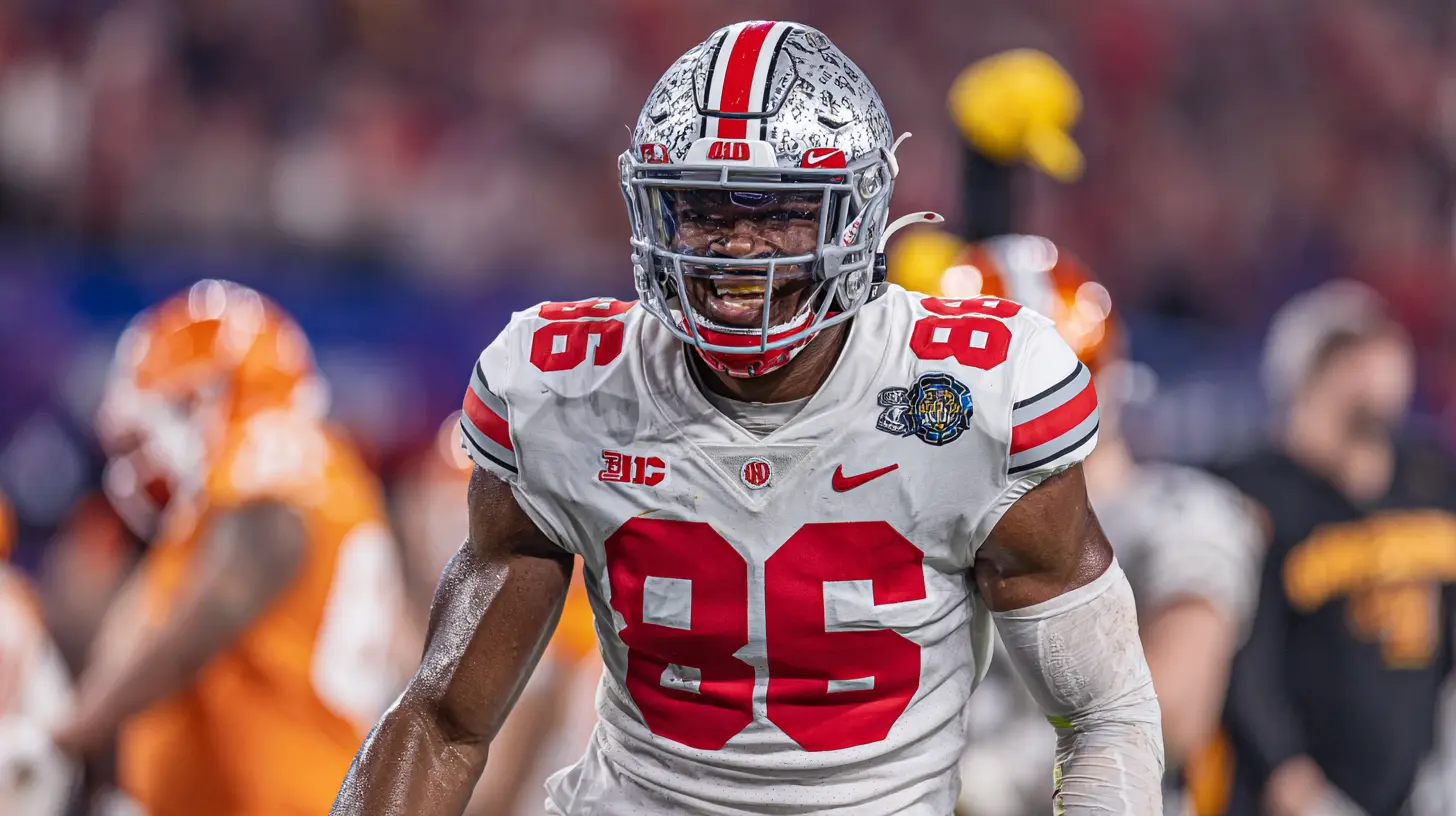
The Perfect Storm: Why 2026 Is Different
First, let’s talk about timing. In sports, influence isn’t just about skill; it’s about context. A great player in a bad era might be forgotten, but a great player in a transformative era becomes a legend. The 2026 rookie class is arriving at a moment when leagues are desperate for change. The NFL is grappling with quarterback scarcity and offensive innovation. The NBA is in a “positionless basketball” revolution where size and skill blur lines. MLB is trying to speed up the game and embrace young stars. And the NHL? It’s craving speed and flair.But here’s the kicker: this class is uniquely prepared. These athletes grew up watching LeBron, Mahomes, and Ohtani redefine what’s possible. They’ve been training with cutting-edge tech, from VR simulations to biomechanics. They’re not just raw; they’re polished. Take Arch Manning—yes, he’s a 2026 draft-eligible quarterback (if he declares). But he’s not just a name; he’s a product of a football dynasty that’s been preparing him for this moment. He’s the first QB in a decade who could genuinely challenge the “Mahomes model” of playmaking. And he’s just one piece.
The real story? This class is deep—not top-heavy. In 2017, the NBA had a legendary draft (Tatum, Fox, Mitchell, Bam), but the NFL’s 2017 class was mediocre. In 2026, across all major sports, we’re seeing a rare alignment: elite talent at premium positions, plus depth that’ll fill rosters for years. It’s like ordering a pizza and getting extra toppings you didn’t even ask for—every bite is good.
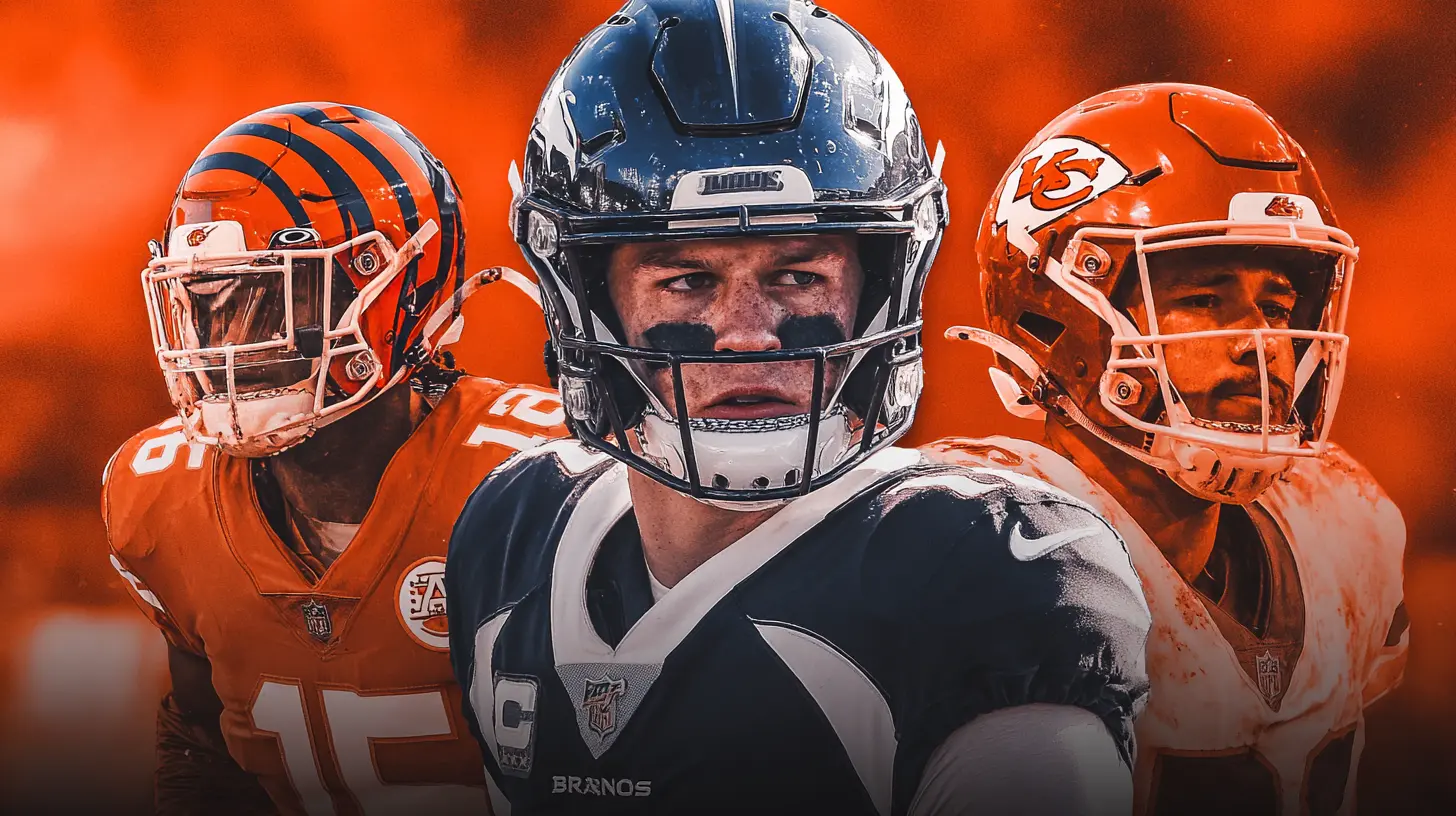
The NFL: Quarterbacks Who Could Break the Mold
Let’s start with the NFL, because let’s face it—the draft is America’s second-favorite holiday. The 2026 quarterback class is being hyped as the best since 2020 (Burrow, Herbert, Tua), and honestly, it might surpass it. We’re talking about a group that includes Arch Manning (Texas), Dante Moore (Oregon), and a handful of other arms that could reshape offenses.But here’s the twist: these QBs aren’t just pocket passers. They’re dual-threats who can read defenses like chess grandmasters. Manning, for instance, has the arm strength to throw through a hurricane, but he’s also got the mobility to extend plays. Moore? He’s a magician with off-platform throws. And then there’s the wildcard—a guy like Malachi Nelson (USC transfer) who’s been waiting in the wings. This class could finally end the “tall, statue QB” era. Instead, we’ll see offenses built around movement and improvisation.
Why does that matter for influence? Because the NFL is a copycat league. If these QBs succeed, every team will chase their prototype. We’ll see more RPOs, more read-options, and maybe even a return to the “college-style” spread that’s been creeping in. The 2026 class could force defensive coordinators to rethink everything—from coverage schemes to linebacker sizes. That’s not just influence; that’s a paradigm shift.
The NBA: A Positionless Revolution Hits Full Stride
Now, let’s hop to the hardwood. The NBA’s 2026 rookie class is dripping with potential, and it’s not just about one guy. Sure, there’s Cooper Flagg—the 6’9” forward who’s been called a “unicorn” since he was 16. But the real story is the depth of versatility. Imagine a class where every top-10 pick can guard multiple positions, handle the ball, and shoot from deep. That’s 2026.We’re seeing prospects like Cameron Boozer (yes, Carlos’s son) who’s a 6’9” power forward with point guard skills. Or Dylan Harper (Ron’s son) who’s a 6’6” combo guard with elite vision. These aren’t just athletes; they’re basketball savants who’ve been playing against grown men since they were 14. The influence here? They’re going to accelerate the “positionless” trend that’s already taken over. Remember when the Warriors changed the game with small ball? The 2026 class is going to make that look like a warm-up.
Think about it: if every team has a 6’8” point guard, the traditional center might become extinct. We’ll see more switches, more chaos, and more “five-out” offenses. The 2026 rookies won’t just adapt to the NBA; they’ll define it. And for fans, that means more highlights, more unpredictability, and fewer boring isolation plays. It’s like watching jazz instead of a metronome—messy, beautiful, and unforgettable.
MLB: The Youth Movement That’s Been Brewing
Baseball has a reputation for being slow to change, but the 2026 rookie class could be the jolt it needs. We’re talking about a wave of position players who are already mashing in the minors, plus pitchers with unhittable stuff. Take Ethan Holliday (Matt’s son) or Bryce Rainer—both are high school phenoms who could skip the minor leagues entirely. Yes, you heard me: skip the minors. That’s how polished they are.The influence here is twofold. First, these kids are bringing a new energy to the game. They’re not afraid to celebrate, to swing for the fences, or to show emotion. That’s exactly what MLB needs to attract younger fans. Second, they’re forcing teams to rethink development. If a 19-year-old can hit .300 in the bigs, why waste time in Triple-A? The 2026 class could usher in an era where “prospect” becomes a dirty word—because these rookies are ready now.
And let’s not ignore the pitching side. We’re seeing arms like Noah Schultz (lefty with a 100 mph fastball) and Jackson Jobe (already a stud in the minors) who could dominate immediately. The influence? They might finally break the “analytics era” where every pitcher throws the same stuff. These guys have unique arsenals—sweepers, splitters, and cutters that’ll make hitters look silly. If they succeed, we’ll see a return to artistry over algorithms.
The NHL: Speed, Skill, and a New Global Flavor
Hockey fans, I haven’t forgotten you. The 2026 NHL draft is shaping up to be a watershed moment for the sport. The top prospect, James Hagens, is a center who’s been compared to Connor McDavid—not for his speed (though he’s fast), but for his vision and creativity. Then there’s Michael Misa, a 6’1” winger who’s been scoring at a rate we haven’t seen since Auston Matthews.But the real influence? It’s the global diversity. We’re seeing more European and Russian prospects than ever—players who bring different styles. The 2026 class includes Finnish defensemen who play a cerebral game, Swedish forwards with silky hands, and Czech goalies who’ve been trained in the “hybrid” style. This isn’t just a Canadian league anymore; it’s a world stage.
The impact on the NHL? These rookies will accelerate the shift toward speed and skill over brute force. The days of “goons” are over; 2026 is about puck possession, zone entries, and analytics-friendly plays. For fans, that means more end-to-end action and fewer fights. And for the league, it means a product that’s more marketable globally. The 2026 class could be the bridge that turns hockey into a truly international sport.
Culture, Social Media, and the “Influencer” Effect
Here’s where it gets interesting. The 2026 rookies aren’t just athletes—they’re brands. They grew up on TikTok, Instagram, and YouTube. They know how to build a following, how to handle controversy, and how to turn a dunk into a viral moment. This is a generation that’s comfortable with cameras in their faces and sponsors on their jerseys.Think about it: when LeBron came into the league, social media was in its infancy. By the time the 2026 class arrives, they’ll have million-dollar endorsement deals before they play a single pro game. That changes the dynamic. They’ll have leverage, voice, and platform. They’ll speak out on social issues, challenge league rules, and maybe even force changes to how players are paid (hello, NIL holdovers). This isn’t just about sports; it’s about culture.
Take Cooper Flagg again. He’s already got a sneaker deal? Probably. He’s been on magazine covers? Yes. He’s a household name before he’s 18. That kind of pre-fame is unprecedented. And it means the 2026 class will influence not just how we play the game, but how we consume it. They’ll drive merchandise sales, streaming numbers, and even fashion trends. They’re not just rookies; they’re cultural architects.
The Ripple Effect on Coaching and Strategy
Here’s a subtle but crucial point: this class will force coaches to adapt or die. In the NFL, defensive coordinators are already sweating over Arch Manning’s ability to read coverages. In the NBA, teams are scrambling to find 6’7” players who can guard point guards. In MLB, managers are rethinking bullpen usage because these rookies can hit 100 mph fastballs.The influence is strategic. We’ll see new defensive schemes designed specifically to counter these players. We’ll see offensive systems built around their strengths. And we’ll see front offices prioritize versatility over specialization. The 2026 class is like a virus that forces evolution—and the teams that adapt fastest will dominate for years.
For example, if the NFL’s 2026 QBs all succeed with play-action and movement, we’ll see a resurgence of the “run-first” offense that’s been dying. Wait, that sounds contradictory, right? But it’s not—because these QBs can run and throw, defenses have to respect both. That opens up running lanes. It’s a chess match that’s been dormant, and 2026 is the checkmate.
Potential Pitfalls: Why This Class Could Fail (But Won’t)
I’m not here to sugarcoat it. Every hyped class has busts. The 2013 NFL draft was a disaster. The 2017 NBA draft had Fultz. So why should 2026 be different?Well, for one, the infrastructure is better. These players have been groomed by elite trainers, nutritionists, and mental health coaches. They’re less likely to flame out due to off-field issues. Two, the leagues are more forgiving. Rookies get more chances, more minutes, and more support. Three, the depth is real. Even if Manning flames out, there are five other QBs who could be stars.
But here’s the honest truth: the 2026 class is so deep that even the “busts” will be role players. The worst-case scenario is a solid, but not spectacular, group. The best-case? We’re looking at multiple Hall of Famers. And given the talent I’ve seen, I’m betting on the latter.
Final Thoughts: Why You Should Pay Attention Now
Look, I get it. It’s easy to dismiss hype as just noise. But the 2026 rookie class isn’t hype—it’s a convergence. It’s the combination of genetics (sons of legends), technology (advanced training), and timing (league shifts) that happens once a generation. If you love sports, this is the class you’ll tell your grandkids about.So, what should you do? Watch the college games. Follow the high school highlights. Pay attention to the draft boards. Because when these rookies step onto the field, court, or ice in 2026, they’re not just starting their careers—they’re rewriting the rules of the game. And you don’t want to be the person who missed it.
What’s your take? Are you buying the hype, or do you think the 2026 class is overblown? Drop a comment—I’d love to hear your thoughts.
all images in this post were generated using AI tools
Category:
Rookie SpotlightsAuthor:

Uziel Franco
Discussion
rate this article
2 comments
Iliana Wilkerson
I can't wait to see how the 2026 rookie class shakes things up! It feels like we're on the brink of something really exciting in sports.
July 27, 2026 at 2:45 AM
Otis Fuller
Future stars, watch out!
April 26, 2026 at 5:03 AM
Uziel Franco
Absolutely! The excitement is building for these talented newcomers.


![The Secret to [Player Name]s Success: A Profile on Hard Work and Talent](/pictures/blog/small/the-secret-to-player-names-success-a-profile-on-hard-work-and-talent_2.webp)