Best Practices for Injury Prevention in Youth Sports
22 December 2025
Let’s face it—youth sports are more competitive than ever. Kids are training harder, playing in multiple leagues, and specializing in sports earlier. While this sounds impressive, there's a downside: a rising number of injuries. And these aren’t just the classic scrapes and bruises. We’re talking sprains, stress fractures, ACL tears—you name it.
Injury prevention in youth sports isn’t just a “nice to have.” It’s essential. We’re dealing with growing bodies, developing coordination, and maturing muscles and joints. If we don’t approach training and competition with care, we risk not only physical injuries but also burnout and emotional fatigue.
So, whether you're a parent, coach, or young athlete yourself, let’s break down the best practices for keeping those young bodies safe and strong.
Why Injury Prevention Matters More Than Ever
Have you ever stopped to wonder why you see more kids with knee braces at soccer practice than ever before?Here’s the thing: youth athletes aren’t just playing one season of their favorite sport anymore. Many are involved in year-round training and sometimes juggling more than one sport at a time. That’s a fast track to overuse injuries. And once an injury strikes, it can linger, affect future performance, and even lead to long-term health issues.
Injury prevention isn’t about wrapping kids in bubble wrap. It's about striking a smart balance between training, rest, and recovery and doing the little things right.
1. Warm-Up Like You Mean It
Dynamic Over Static
Kids are often so excited to get on the field or court that warm-ups become an afterthought. But let me tell you, skipping a proper warm-up is like flooring the gas in a frozen car—it’s only a matter of time before something breaks.Instead of holding stretches in place (that’s the old-school static stretching), start with dynamic movements. Think high-knees, leg swings, butt kicks, and arm circles. These movements increase blood flow, loosen joints, and prep muscles for action.
Make It Sport-Specific
Don’t just jog a lap and call it a day. Tailor the warm-up to mimic movements in the game. For soccer, add quick lateral shuffles and ball touches. For basketball, mix in jumps and short sprints. The goal? Get those neural pathways firing for real performance.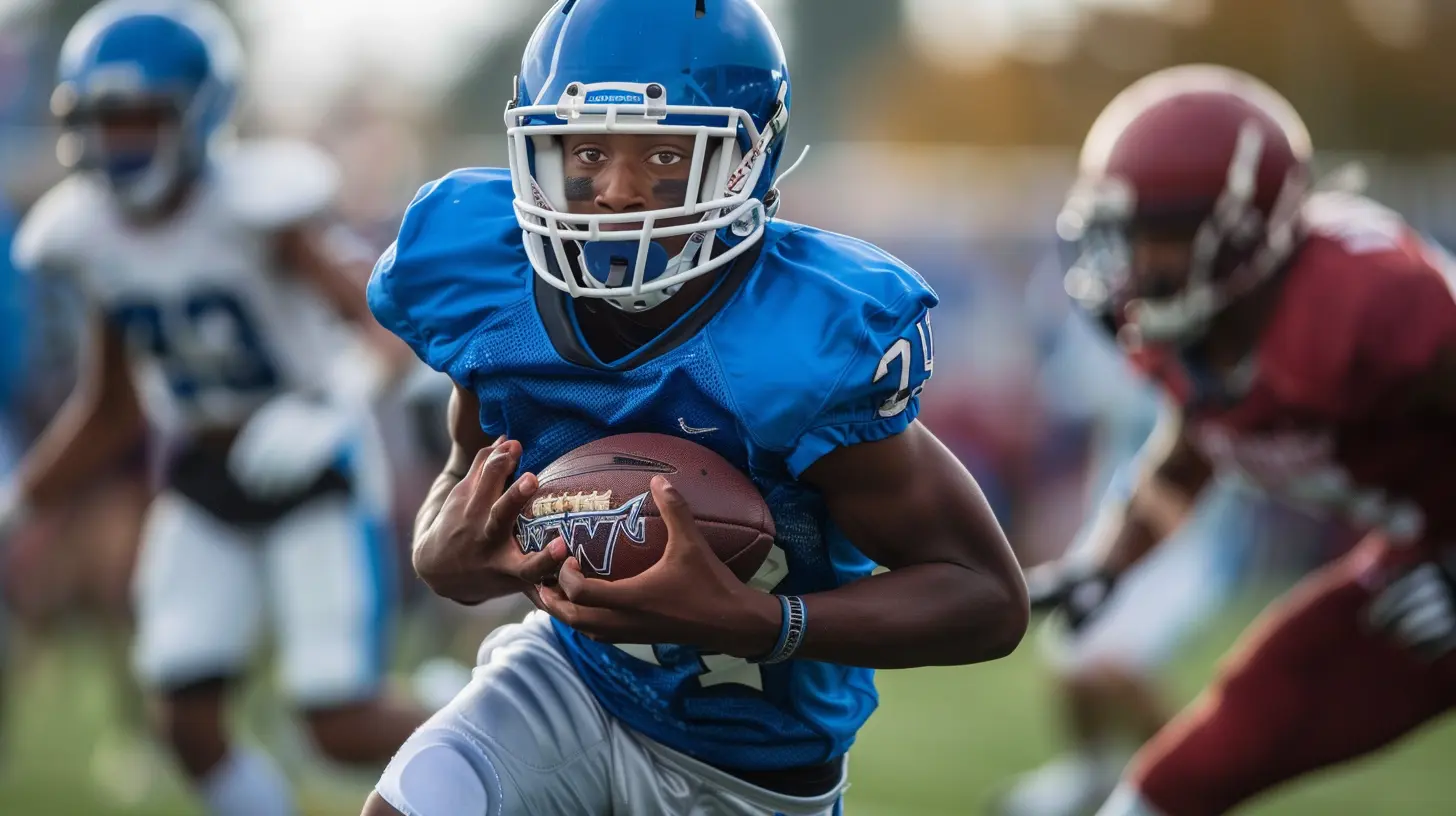
2. Teach Proper Technique—From Day One
Do you know the quickest way to get hurt? Repeating the wrong technique over and over again.Coaches and parents should prioritize teaching correct form before adding speed, power, or volume. Whether it's throwing a baseball, landing from a jump, or tackling in football, good mechanics build a foundation that lasts.
And yes, it might slow progress at first, but trust me—the payoff comes in fewer injuries and better athletic performance down the line.
3. Don’t Skip Strength Training
No, It Won’t “Stunt Growth”
Forget that old myth. When done appropriately, strength training is not only safe for kids, it’s incredibly beneficial.We’re not talking about benching heavy weights until failure. Think bodyweight exercises like squats, lunges, push-ups, planks, and resistance bands. These build muscle balance, enhance joint stability, and improve overall coordination.
Core strength, in particular, is huge. A stable core means less pressure on the spine and more control in every movement.
Injury-Proofing Through Strength
Muscle imbalances are sneaky little injury factories. One side gets stronger while the other lags behind, and bam—a pulled hamstring or ankle sprain. A balanced strength program targets all the major muscle groups, especially those responsible for stabilization.4. Emphasize Flexibility and Mobility
Flexibility isn’t just for dancers or gymnasts. Every young athlete needs a baseline level of flexibility and mobility to move efficiently and avoid strain.Stretching Done Right
Post-practice or post-game is the best time for static stretching. Muscles are warm and receptive, so it’s easier to increase range of motion. Hamstrings, calves, quads, hips, and shoulders are key focus areas.Adding simple mobility drills—like hip openers and spinal rotations—during warm-ups or rest days can also make a world of difference over time.
5. Prioritize Rest and Recovery
You wouldn’t drive a car 24/7 without giving it a break or changing the oil, right? Same logic applies to young athletes.Why Rest Days Matter
Rest days are when the magic happens. Muscles repair, energy stores replenish, and the nervous system regroups. Without rest, kids are more prone to overuse injuries like shin splints, tendonitis, and stress fractures.Sleep Is the Secret Weapon
Want an edge in performance and injury prevention? Sleep is your best friend. Kids aged 6–13 need 9–11 hours a night. Teens? Around 8–10. Sleep promotes hormone regulation, tissue repair, and mental sharpness.6. Hydration and Nutrition—Your Body’s Fuel and Oil
Hydrate Like a Pro
Even a small drop in hydration levels can impair performance and increase injury risk. Encourage regular water breaks, especially in hot weather. For longer games or tournaments, electrolyte replacements can help maintain balance.Eat to Strengthen
Nutrition is another pillar of injury prevention. Kids need a mix of protein (for muscle repair), carbs (for energy), healthy fats (for joint support), and vitamins/minerals (for everything else).Skipping meals or relying on junk food doesn’t cut it. Nutrient-rich foods support growth while lowering inflammation and promoting tissue healing.
7. Cross-Train and Avoid Early Specialization
Ever meet a 10-year-old who’s already playing baseball year-round? It's more common than you’d think.The Dangers of Specializing Too Soon
Early specialization may seem smart if a kid shows promise in a sport. But doing the same movements over and over stresses the same tissues and leads to breakdown. Plus, it increases the risk of burnout.Cross-Training Builds Better Athletes
Mixing in different sports or activities builds overall athleticism. A soccer player might improve agility by playing basketball. A swimmer might gain coordination through gymnastics. Cross-training helps develop unused muscle groups and improves movement IQ.8. Encourage Open Communication About Pain
Here’s a biggie—kids often don’t speak up about pain.They might fear being sidelined or letting the team down. That's why creating an open environment is crucial. Coaches and parents should regularly ask how kids are feeling, and teach them that pain is not a badge of honor.
Addressing small issues early—like sore knees or stiff shoulders—can prevent them from becoming major injuries.
9. Use Proper Equipment and Playing Surfaces
Fit Matters
Whether it’s cleats, helmets, pads, or shoes, gear must fit correctly. Ill-fitting equipment can throw off movement mechanics and increase injury risk. Check sizing regularly—kids grow fast, after all.Field and Court Conditions
Uneven fields, wet surfaces, and poorly maintained courts are accidents waiting to happen. Before play, quickly inspect the area. It’s a simple step that can prevent sprains and falls.10. Monitor Workload and Avoid Overtraining
There's a fine line between pushing limits and pushing too far.Track Volume and Intensity
Keep tabs on how much a kid is playing across sports, leagues, or training sessions. The more games, the higher the injury risk—especially if they’re playing through fatigue.Signs of Overtraining
Watch for red flags: persistent fatigue, trouble sleeping, irritability, decreased performance, or lingering soreness. These are all signs that the body needs a break.11. Partner With Trained Professionals
Sometimes, it pays to bring in the pros.Certified Athletic Trainers
Having access to a certified athletic trainer during games or training sessions can be a game-changer. They’re trained to assess injuries, offer recovery strategies, and provide immediate care.Physical Therapists and Sports Docs
If nagging pain won’t go away, consult a sports medicine doctor or physical therapist. Getting a professional opinion early can save months of recovery down the line.Final Thoughts: Safety First, Always
At the end of the day, keeping kids injury-free in sports isn’t about bubble-wrapping them—it’s about giving them the right tools, knowledge, and support. Injury prevention is an ongoing commitment that involves everyone—coaches, parents, and the athletes themselves.Kids aren’t mini-adults. Their bodies and minds are still developing, and that means they need a different approach to training, rest, and recovery. By taking prevention seriously today, we set them up for a long, healthy, and fun sports journey tomorrow.
Let's protect their future by acting smart in the present.
all images in this post were generated using AI tools
Category:
Youth SportsAuthor:

Uziel Franco
Discussion
rate this article
2 comments
Jonah Russell
While the article highlights essential injury prevention strategies, it could emphasize the need for individualized training regimens and psychological support, ensuring young athletes are physically and mentally prepared for competition.
January 23, 2026 at 4:18 AM
Uziel Franco
Thank you for your valuable feedback! I agree that individualized training and psychological support are crucial components of injury prevention and will consider incorporating these aspects in future discussions.
Shannon Carter
Great article! Prioritizing injury prevention in youth sports is crucial for maintaining young athletes' long-term health and enjoyment. Thank you for sharing these valuable insights and best practices with the community!
December 25, 2025 at 4:55 AM
Uziel Franco
Thank you for your kind words! I'm glad you found the insights valuable—prioritizing injury prevention is indeed vital for our young athletes' well-being.