Choosing the Right Wetsuit for Open Water Triathlons
5 December 2025
If you're gearing up for an open water triathlon, picking the right wetsuit is just as important as training for the race itself. The right wetsuit can make the difference between feeling like a torpedo slicing through the water or struggling against unnecessary drag. But with so many options out there, how do you pick the perfect one? Let’s break it down so you can hit the water with confidence. 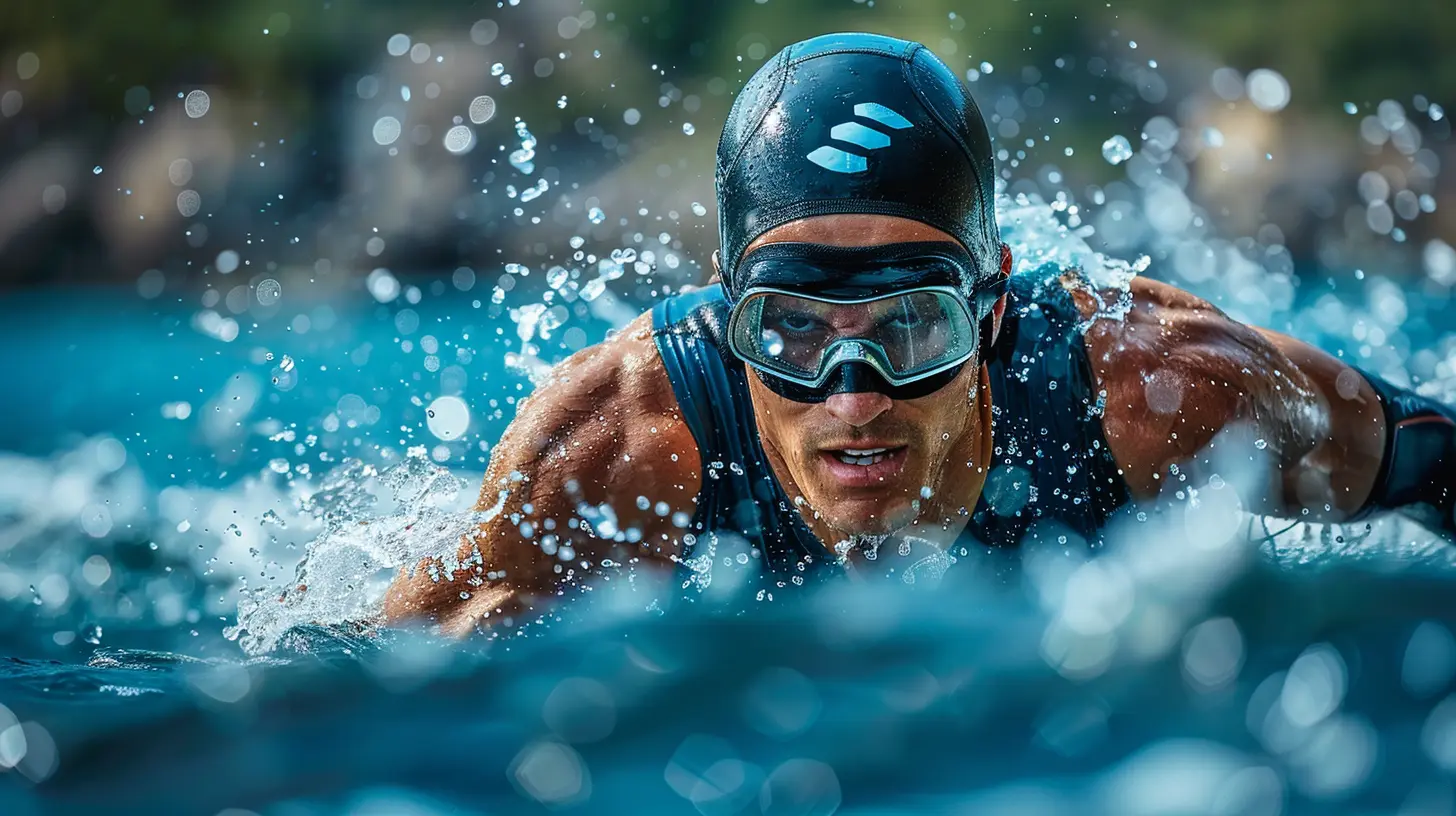
Why a Wetsuit Matters in Open Water Triathlons
Unlike swimming in a pool, open water presents a whole new set of challenges—cold temperatures, unpredictable conditions, and the need for extra buoyancy. A wetsuit isn’t just about warmth; it also reduces drag and improves your body position in the water, making you more efficient and less fatigued.Think of it as your race-day armor: the better it fits and functions, the better you’ll perform. Choosing the wrong wetsuit, on the other hand, could mean unnecessary struggles and lost time. 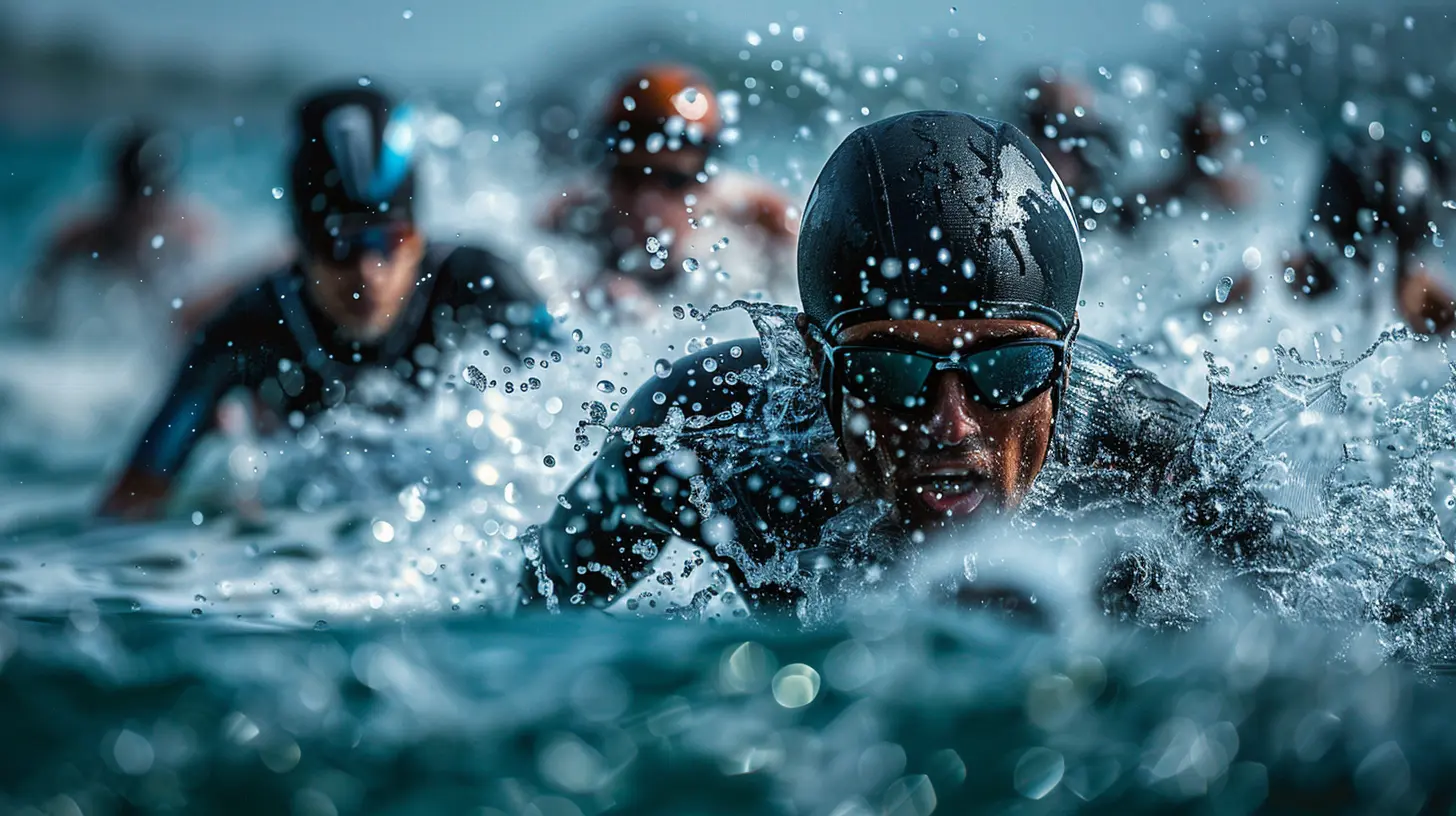
Key Factors to Consider When Choosing a Wetsuit
1. Wetsuit Thickness
One of the first things to consider is thickness. Triathlon wetsuits typically range from 1mm to 5mm in thickness, depending on the brand and specific model.- Thicker neoprene (4-5mm): Provides more buoyancy and warmth, great for colder waters.
- Thinner neoprene (1-3mm): Offers more flexibility, ideal for warmer waters or experienced swimmers who prioritize mobility.
Keep in mind that wetsuit thickness is often regulated, especially in professional races. Some events have specific rules regarding maximum allowable thickness, so always check with your race organizer beforehand.
2. Fit and Comfort
A wetsuit should fit snugly, almost like a second skin, but without restricting your breathing or movement. If it’s too loose, water will seep in, reducing its efficiency. Too tight, and you’ll feel like you're suffocating even before the race starts.Key fit checks:
✔ Snug around the shoulders and chest but still allows full arm rotation.
✔ No excessive folds or gaps, especially around the neck, wrists, and ankles.
✔ The lower body should feel supported but not overly compressed.
If you can test the wetsuit before buying, even better! Move your arms in a freestyle motion, squat down, and mimic race-day movements to ensure it feels right.
3. Buoyancy and Body Positioning
Different wetsuits offer different levels of buoyancy. Typically, thicker neoprene is used in the lower body to help lift your legs, improving your body position in the water.- If you’re not an efficient swimmer, look for a wetsuit that provides additional buoyancy in the legs to keep them from sinking.
- If you’re a strong swimmer, you might prefer a suit with even buoyancy distribution or a lower buoyancy level to maintain a natural stroke.
A well-balanced wetsuit helps reduce drag and keeps you swimming efficiently for the entire race.
4. Flexibility and Range of Motion
One of the biggest concerns for triathletes is how a wetsuit affects movement—especially in the shoulders and arms. Some wetsuits prioritize flexibility in these areas by using thinner neoprene in key zones like the shoulders, underarms, and back.- Higher-end wetsuits often feature ultra-stretch neoprene panels for better flexibility.
- Budget-friendly wetsuits may have slightly thicker neoprene in these areas, which can restrict movement slightly.
If you struggle with shoulder fatigue in long swims, opt for a wetsuit designed for maximum flexibility in the upper body.
5. Ease of Removal (Transition Speed)
Every second counts in a triathlon—even during transitions. A wetsuit with quick-release leg cuffs or a breakaway zipper can make removal much faster.Some wetsuits are designed with hydrophobic coatings that allow them to slide off more easily, which can save you valuable seconds when transitioning from swim to bike.
6. Zipper Type: Back vs. Front
Wetsuits come with either a back zipper or a front zipper.- Back zipper wetsuits are more common in triathlons and often feature a long pull cord, making them easier to zip up and down.
- Front zipper wetsuits are less common but can offer better flexibility and comfort, especially for those who feel restricted around the chest.
For most triathletes, a back zip wetsuit is the go-to choice because it allows for quicker removal during transitions.
7. Brand and Budget
Triathlon wetsuits come in a wide range of prices, from entry-level suits around $200 to high-end models exceeding $800. While budget plays a role, remember that a well-fitting wetsuit is an investment in your performance.Top triathlon wetsuit brands to consider:
✔ Orca
✔ Blueseventy
✔ Zone3
✔ ROKA
✔ HUUB
If you're just starting out, a mid-range wetsuit with decent flexibility and buoyancy is a great choice. For seasoned athletes, investing in a high-performance wetsuit can significantly enhance comfort and speed. 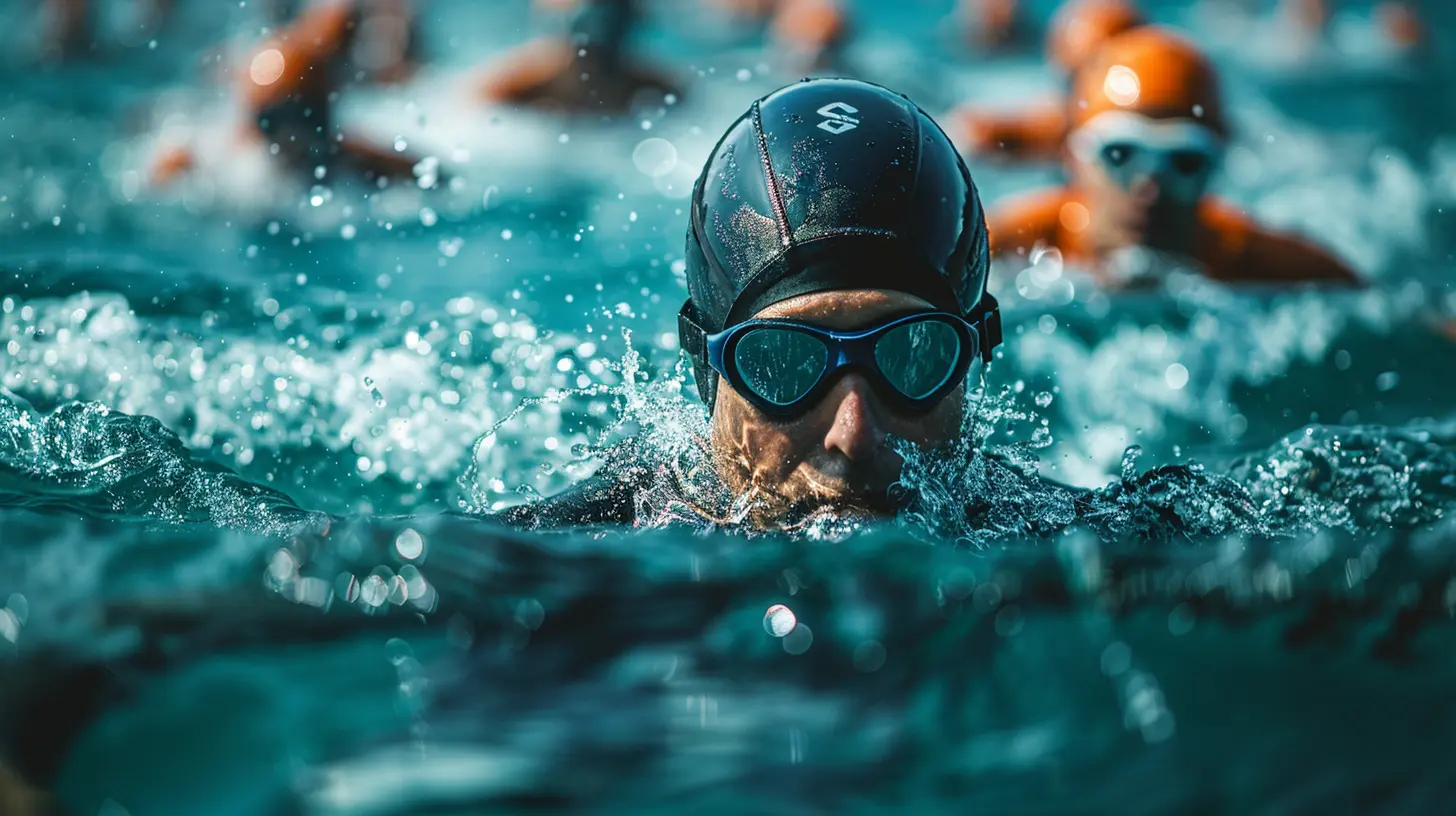
Common Mistakes to Avoid When Buying a Wetsuit
❌ Buying a Surf Wetsuit Instead of a Triathlon Wetsuit
Triathlon wetsuits are crafted for speed, flexibility, and buoyancy. Surf wetsuits are designed for durability and warmth, making them restrictive for swimming. Don’t make the mistake of grabbing a general wetsuit—it won’t do the job!❌ Choosing Style Over Fit
It’s easy to be tempted by a flashy design, but fit is far more important. Always prioritize comfort and performance over aesthetics.❌ Not Testing It Before Race Day
Never wear your wetsuit for the first time on race day! Do a few practice swims to ensure there’s no chafing, discomfort, or unexpected issues.❌ Ignoring Race Rules on Wetsuits
Some race organizations have specific wetsuit thickness rules or temperature cutoffs where wetsuits might be banned. Always check the regulations before purchasing.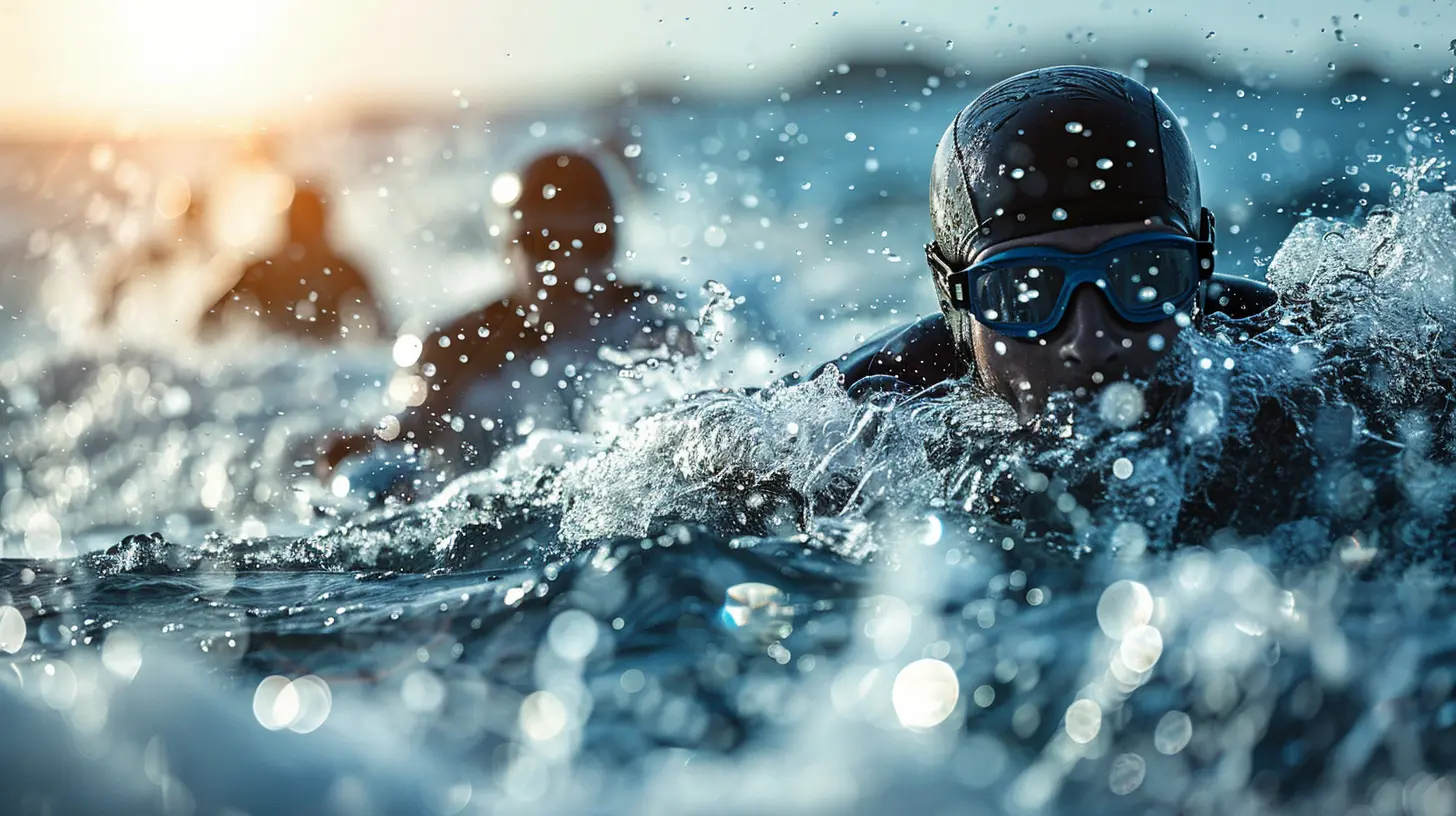
How to Care for Your Wetsuit
A good wetsuit isn’t cheap, so taking care of it properly will extend its lifespan.✔ Rinse with fresh water after every use to remove salt, chlorine, and sweat.
✔ Avoid direct sunlight when drying to prevent material degradation.
✔ Store it flat or hung properly to maintain its shape and flexibility.
✔ Use a wetsuit shampoo occasionally to keep it clean and odor-free.
Proper maintenance ensures your wetsuit stays race-ready for multiple seasons.
Final Thoughts
Choosing the right wetsuit for an open water triathlon is a game-changer. It’s not just about keeping warm—it’s about maximizing buoyancy, reducing drag, and improving efficiency in the water. Take time to find one that fits well, meets race regulations, and supports your swim style.With the right wetsuit, you'll feel faster, more comfortable, and fully focused on crossing that finish line strong. Happy racing!
all images in this post were generated using AI tools
Category:
TriathlonAuthor:

Uziel Franco
Discussion
rate this article
2 comments
Kevin McIntosh
Embrace the water, conquer your doubts!
December 25, 2025 at 2:00 PM
Uziel Franco
Thank you! Embracing the water is key to overcoming challenges in triathlons—choosing the right wetsuit can make all the difference!
Felix Lambert
Ah, the magic of wetsuits! Because nothing says “I love open water” like squeezing into a rubber sausage while trying to remember your swim technique. Good luck! 🏊♂️
December 5, 2025 at 1:10 PM
Uziel Franco
Thanks for the laugh! Wetsuits definitely have their quirks, but they’re essential for comfort and performance in open water. Happy swimming! 🏊♂️